著名医師による解説が無料で読めます
すると翻訳の精度が向上します
背景:多くの揮発性有機化合物(VOC)、主にアルカンおよびベンゼン誘導体が、肺がん患者から息で同定されています。VOCの組み合わせがそのような患者を特定できるかどうかを調査しました。 方法:気管支鏡検査が予定されている異常な胸部レントゲン写真を持つ108人の患者から呼吸サンプルを収集しました。サンプルは携帯用装置で収集され、その後、ガスクロマトグラフィーと質量分析によってアッセイされました。各呼吸VOCの肺胞勾配、呼吸と空気中の量の差が計算されました。肺癌の有無にかかわらず患者を識別するVOCを特定するために、段階的な判別分析を使用しました。 調査結果:肺がんは60人の患者で組織学的に確認されました。22の呼吸VOC、主にアルカン、アルカン誘導体、およびベンゼン誘導体の組み合わせは、病期に関係なく肺がんの有無にかかわらず識別されました(すべてP <0.0003)。ステージ1の肺がんの場合、22のVOCの感度は100%、特異性は81.3%でした。組み合わせの交差検証により、肺がんの71.7%の患者と肺がんのない患者の66.7%の診断が正しく予測されました。 解釈:異常な胸部レントゲン写真の患者では、肺がんの有無にかかわらず患者を際立たせる呼吸サンプル中の22個のVOCの組み合わせ。一般集団の肺がんを検出するための呼吸VOCの有用性を確認するには、前向き研究が必要です。
背景:多くの揮発性有機化合物(VOC)、主にアルカンおよびベンゼン誘導体が、肺がん患者から息で同定されています。VOCの組み合わせがそのような患者を特定できるかどうかを調査しました。 方法:気管支鏡検査が予定されている異常な胸部レントゲン写真を持つ108人の患者から呼吸サンプルを収集しました。サンプルは携帯用装置で収集され、その後、ガスクロマトグラフィーと質量分析によってアッセイされました。各呼吸VOCの肺胞勾配、呼吸と空気中の量の差が計算されました。肺癌の有無にかかわらず患者を識別するVOCを特定するために、段階的な判別分析を使用しました。 調査結果:肺がんは60人の患者で組織学的に確認されました。22の呼吸VOC、主にアルカン、アルカン誘導体、およびベンゼン誘導体の組み合わせは、病期に関係なく肺がんの有無にかかわらず識別されました(すべてP <0.0003)。ステージ1の肺がんの場合、22のVOCの感度は100%、特異性は81.3%でした。組み合わせの交差検証により、肺がんの71.7%の患者と肺がんのない患者の66.7%の診断が正しく予測されました。 解釈:異常な胸部レントゲン写真の患者では、肺がんの有無にかかわらず患者を際立たせる呼吸サンプル中の22個のVOCの組み合わせ。一般集団の肺がんを検出するための呼吸VOCの有用性を確認するには、前向き研究が必要です。
BACKGROUND: Many volatile organic compounds (VOCs), principally alkanes and benzene derivatives, have been identified in breath from patients with lung cancer. We investigated whether a combination of VOCs could identify such patients. METHODS: We collected breath samples from 108 patients with an abnormal chest radiograph who were scheduled for bronchoscopy. The samples were collected with a portable apparatus, then assayed by gas chromatography and mass spectroscopy. The alveolar gradient of each breath VOC, the difference between the amount in breath and in air, was calculated. Forward stepwise discriminant analysis was used to identify VOCs that discriminated between patients with and without lung cancer. FINDINGS: Lung cancer was confirmed histologically in 60 patients. A combination of 22 breath VOCs, predominantly alkanes, alkane derivatives, and benzene derivatives, discriminated between patients with and without lung cancer, regardless of stage (all p<0.0003). For stage 1 lung cancer, the 22 VOCs had 100% sensitivity and 81.3% specificity. Cross-validation of the combination correctly predicted the diagnosis in 71.7% patients with lung cancer and 66.7% of those without lung cancer. INTERPRETATION: In patients with an abnormal chest radiograph, a combination of 22 VOCs in breath samples distinguished between patients with and without lung cancer. Prospective studies are needed to confirm the usefulness of breath VOCs for detecting lung cancer in the general population.
医師のための臨床サポートサービス
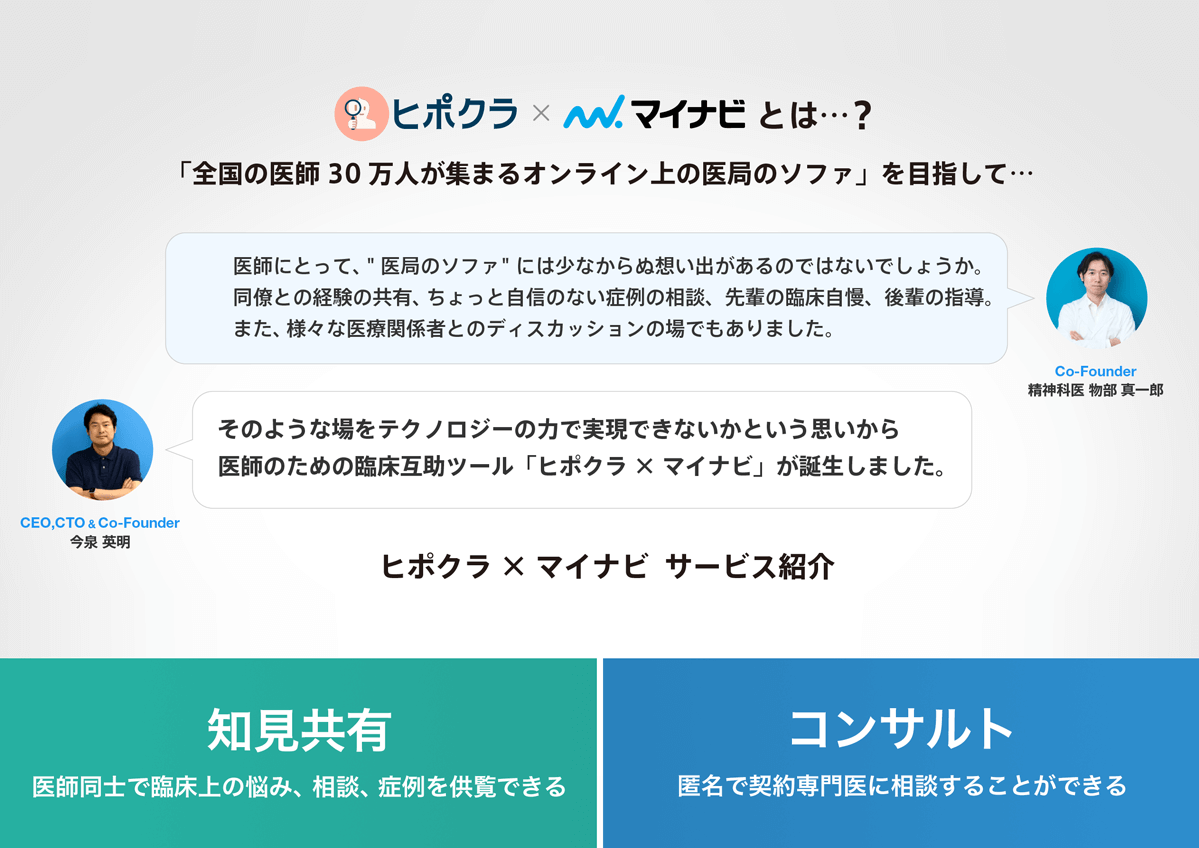
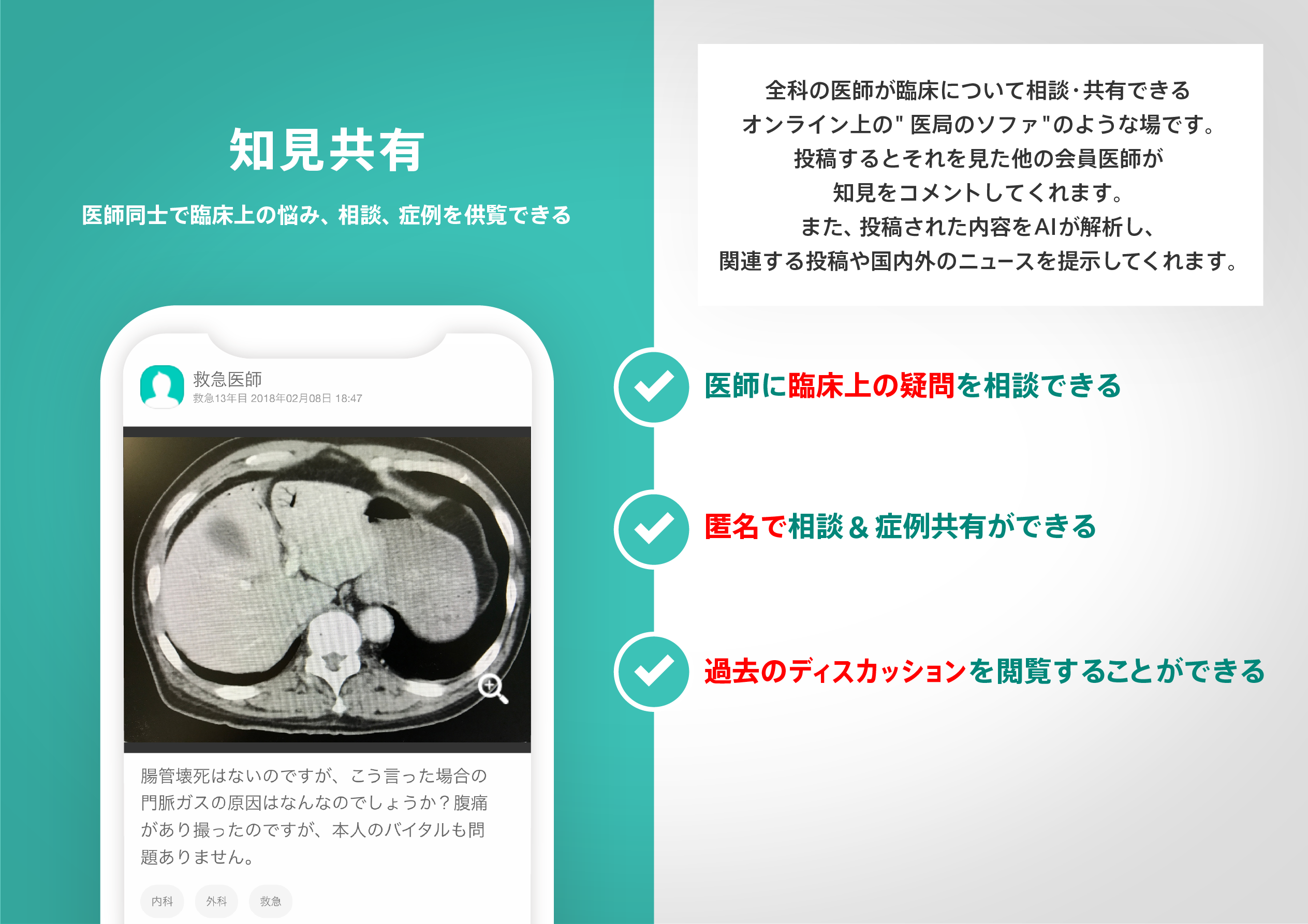
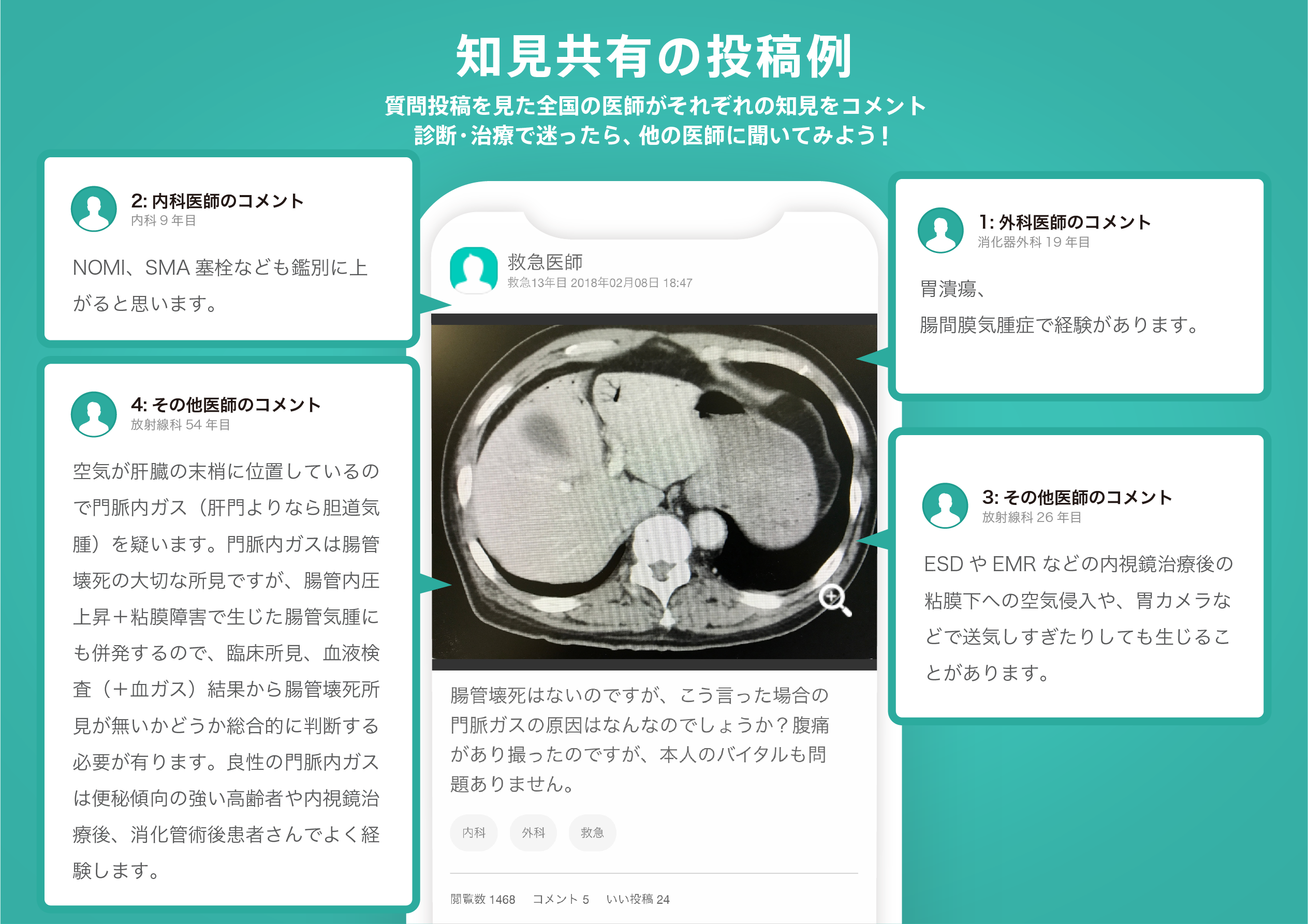
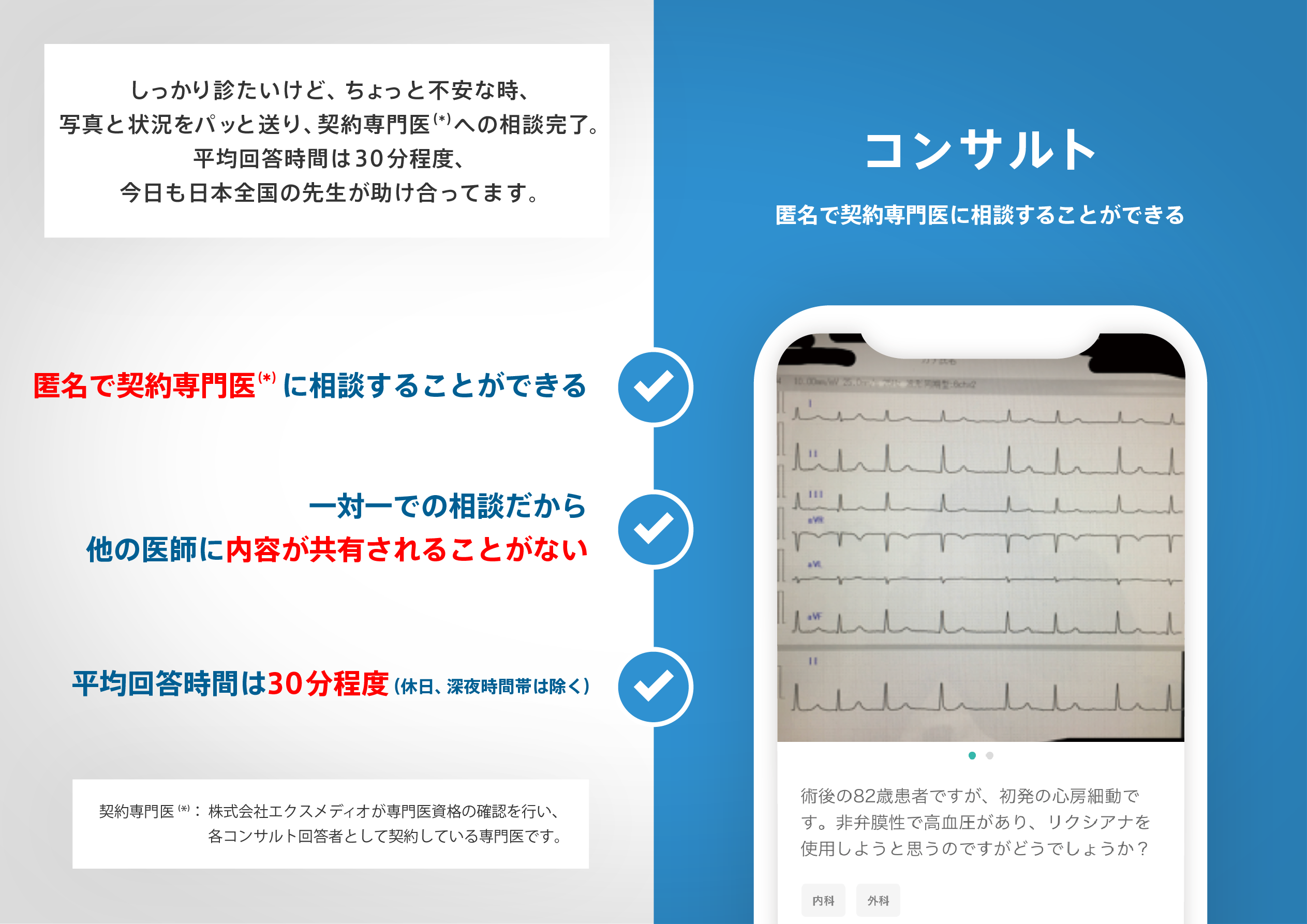
ヒポクラ x マイナビのご紹介

無料会員登録していただくと、さらに便利で効率的な検索が可能になります。