著名医師による解説が無料で読めます
すると翻訳の精度が向上します
造血幹細胞移植後の血小板減少症(HSCT)は、出血のリスクの増加と重要な資源の利用の増加に関連しています。このレビューは、遅延血小板生着に関連する危険因子の分析を提示します。レトロスペクティブ分析には、1990年1月1日から1995年7月1日までに治療された自家または同種移植の1,468人のレシピエントが含まれていました。自己HSCT後の血小板生着の遅延に関連する危険因子には、幹細胞の供給源としての縁の血液ではなく骨髄の使用が含まれ、移植されています。他の疾患ではなく急性骨髄性白血病、サイトメガロウイルスの陽性患者血清学、および生着前の感染後の感染の存在。同種骨髄移植後の遅延血小板生着に関連する危険因子には、関連するドナー移植とは対照的に、慢性骨髄性白血病以外の疾患のために移植されるのではなく、無関係なものが含まれます。GVHD予防のためのメトトレキサートの投与および生着前の感染の存在。遅延血小板回復は、自己移植と同種移植後の生存率の減少と関連しています。血液製剤の輸血による遅延血小板回復の管理には、かなりの医療資源が必要であり、患者にはある程度のリスクがあります。新しい戦略のさらなる開発は、血液製剤の必要性を安全に減らす可能性があります。これらには、末梢血幹細胞移植(同種および自己)、日常的な血小板輸血を管理するための新しいアルゴリズム、および巨石細胞質を刺激するための調査生物学的薬剤が含まれます。さらなる研究は、感染とGVHDに関連する血小板消費の増加の原因を解明する可能性があります。
造血幹細胞移植後の血小板減少症(HSCT)は、出血のリスクの増加と重要な資源の利用の増加に関連しています。このレビューは、遅延血小板生着に関連する危険因子の分析を提示します。レトロスペクティブ分析には、1990年1月1日から1995年7月1日までに治療された自家または同種移植の1,468人のレシピエントが含まれていました。自己HSCT後の血小板生着の遅延に関連する危険因子には、幹細胞の供給源としての縁の血液ではなく骨髄の使用が含まれ、移植されています。他の疾患ではなく急性骨髄性白血病、サイトメガロウイルスの陽性患者血清学、および生着前の感染後の感染の存在。同種骨髄移植後の遅延血小板生着に関連する危険因子には、関連するドナー移植とは対照的に、慢性骨髄性白血病以外の疾患のために移植されるのではなく、無関係なものが含まれます。GVHD予防のためのメトトレキサートの投与および生着前の感染の存在。遅延血小板回復は、自己移植と同種移植後の生存率の減少と関連しています。血液製剤の輸血による遅延血小板回復の管理には、かなりの医療資源が必要であり、患者にはある程度のリスクがあります。新しい戦略のさらなる開発は、血液製剤の必要性を安全に減らす可能性があります。これらには、末梢血幹細胞移植(同種および自己)、日常的な血小板輸血を管理するための新しいアルゴリズム、および巨石細胞質を刺激するための調査生物学的薬剤が含まれます。さらなる研究は、感染とGVHDに関連する血小板消費の増加の原因を解明する可能性があります。
Thrombocytopenia after hematopoietic stem cell transplantation (HSCT) is associated with an increased risk of bleeding and utilization of significant resources. This review presents an analysis of risk factors associated with delayed platelet engraftment. The retrospective analysis included 1,468 recipients of autologous or allogeneic transplants treated between January 1, 1990 and July 1, 1995. Risk factors associated with delayed platelet engraftment after autologous HSCT included use of marrow rather than peripheral blood as the source of stem cells, being transplanted for acute myeloid leukemia rather than other diseases, positive patient serology for cytomegalovirus and the presence of infection post-transplant before engraftment. Risk factors associated with delayed platelet engraftment after allogeneic marrow transplantation included unrelated as opposed to related donor transplants, being transplanted for diseases other than chronic myelogenous leukemia, increased age, onset of acute graft-versus-host disease (GVHD), male gender, the administration of methotrexate for GVHD prophylaxis and the presence of infection before engraftment. Delayed platelet recovery is associated with decreased survival after both autologous and allogeneic transplants. Management of delayed platelet recovery by transfusion of blood products requires significant medical resources and is of some risk to the patients. Further development of new strategies may safely reduce the need for blood products. These include peripheral blood stem cell transplants (allogeneic and autologous), new algorithms for administering routine platelet transfusions and investigative biological agents for stimulating megakaryocytopoiesis. Further studies may elucidate the cause of increased platelet consumption associated with infection and GVHD.
医師のための臨床サポートサービス
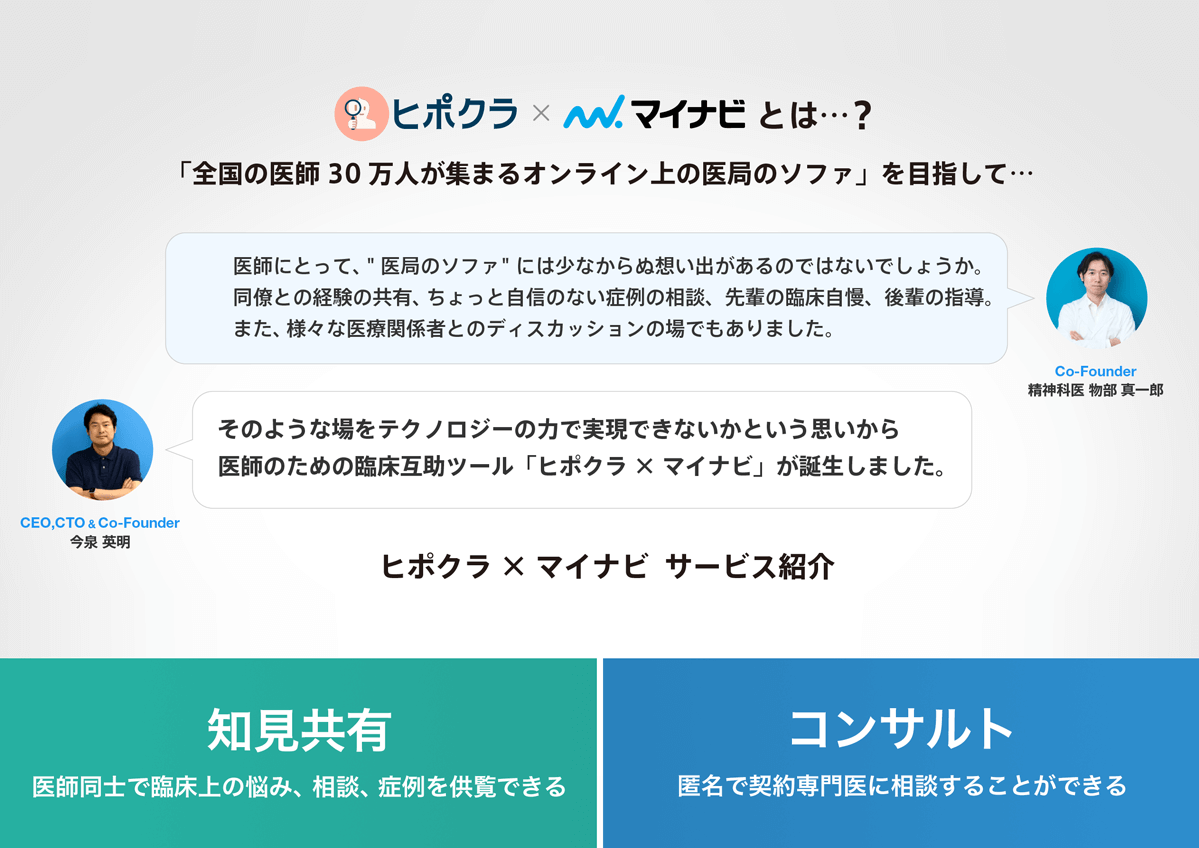
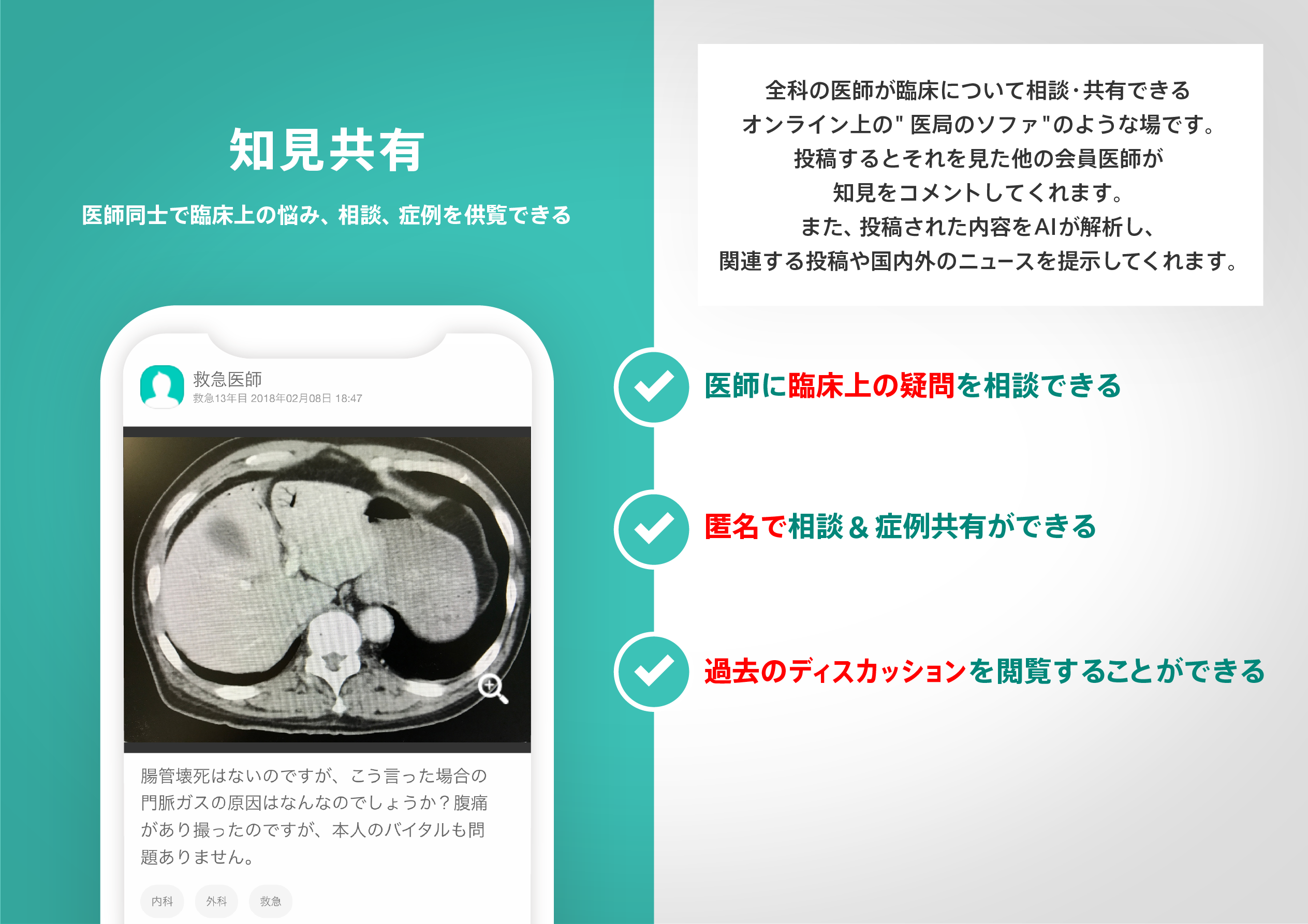
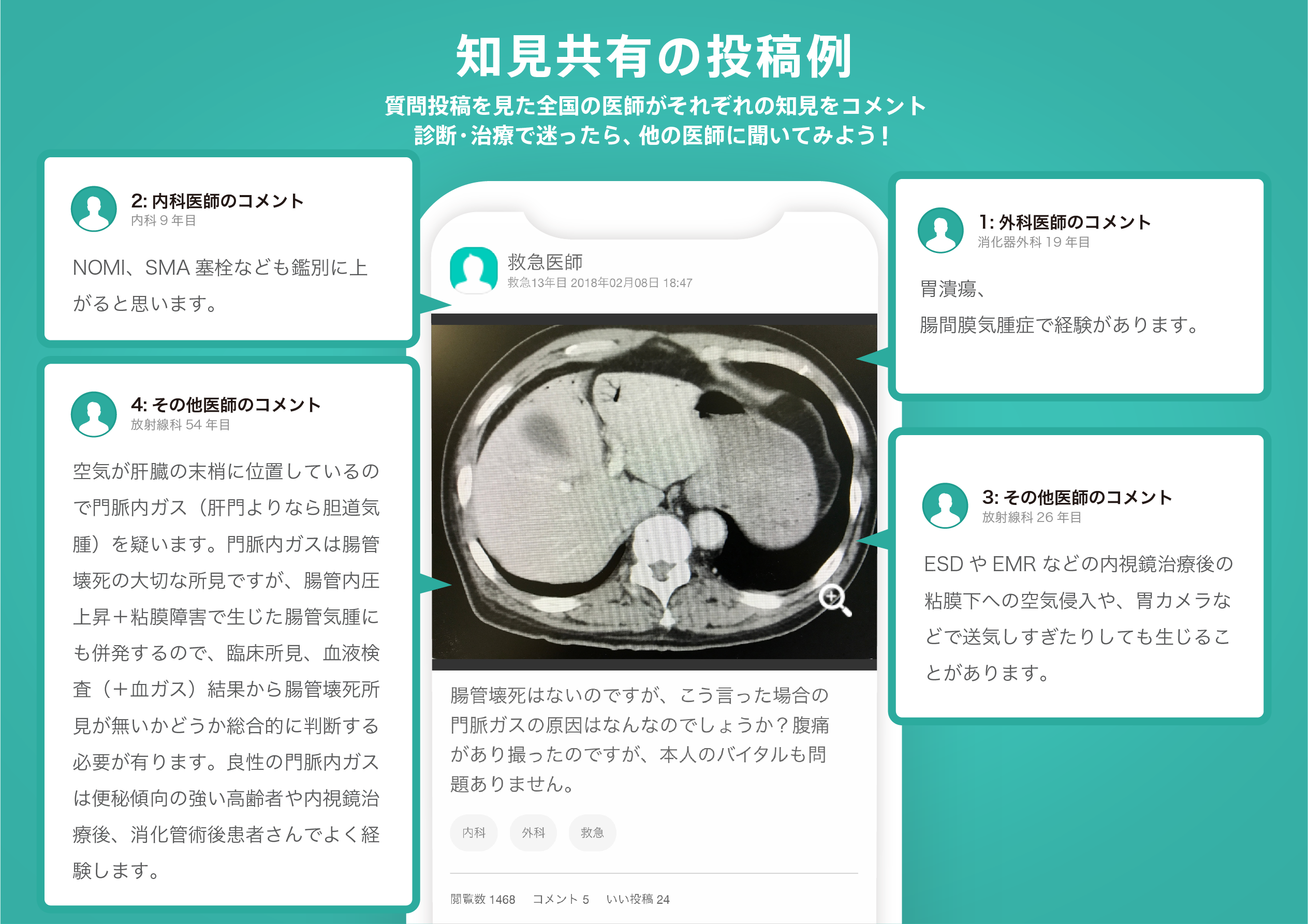
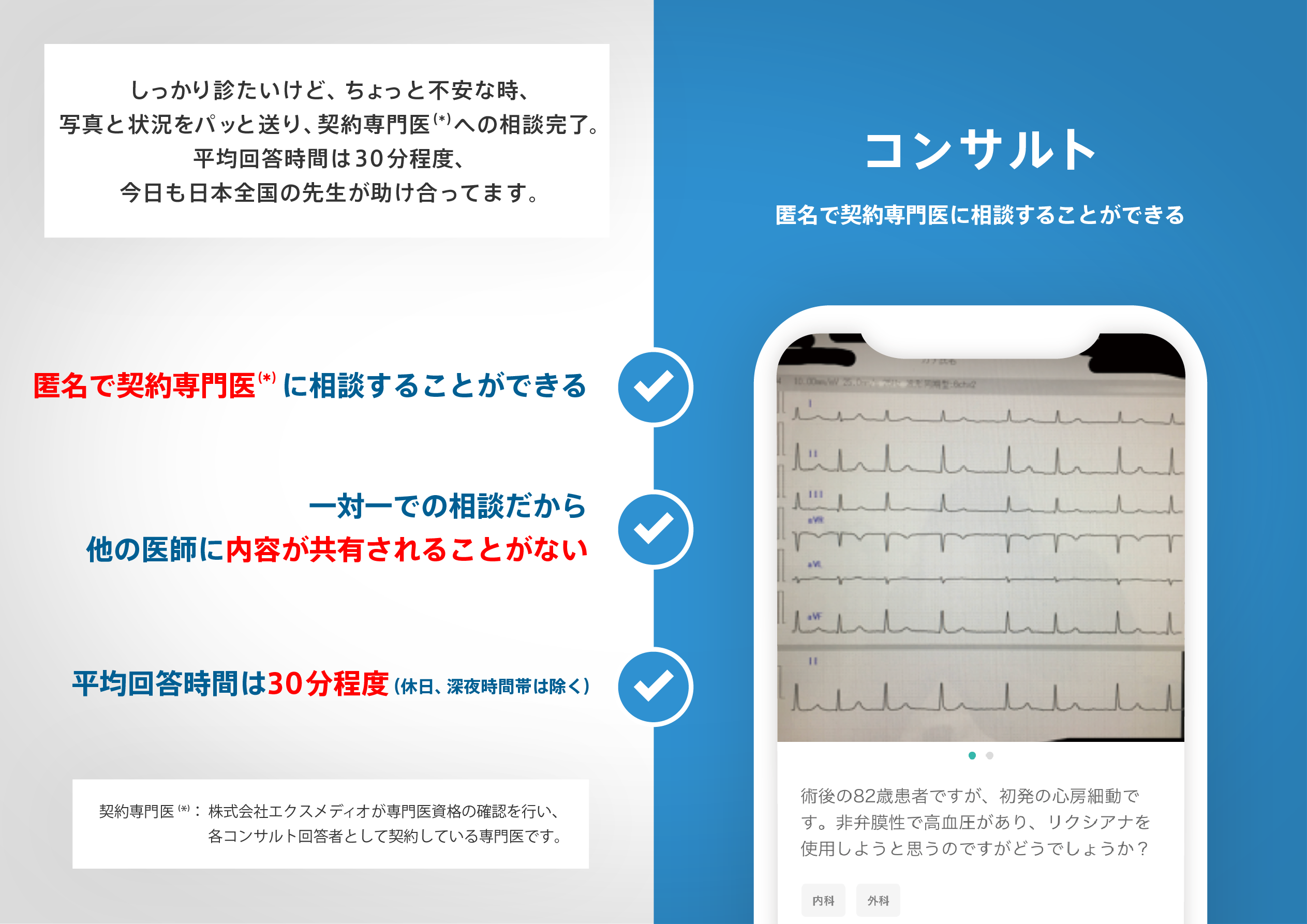
ヒポクラ x マイナビのご紹介

無料会員登録していただくと、さらに便利で効率的な検索が可能になります。