著名医師による解説が無料で読めます
すると翻訳の精度が向上します
1。低血糖硫酸塩および類似体の構造活性関係を調べました。結合親和性は、HIT-T15細胞(ベータ細胞系統)の膜を使用して、および硫黄尿尿症受容体サブタイプ(Sur1、Sur2AおよびSur2B)を一時的に発現するCOS-7細胞の膜を使用して比較しました。アデノシン - 三リン酸感受性K+チャネル(KATPチャネル)の阻害は、マウス膵臓ベータ細胞で測定されました。2。テストされた化合物は、Sur2aとSur2bの同様の結合親和性を示しました。3。Meglitinide(ベンゾ酸誘導体)は、Sur1に結合し、Sur2アイソフォームは同様の親和性を備えています。メチル基によるメグリチニドのカルボキシル基の置換により、Sur1およびSur2アイソフォームの結合親和性(> 4倍)とベータ細胞のKATPチャネル活性を阻害する効力(24倍)が大幅に減少しました。硫酸塩基によるメグリチニドのカルボキシル基の置換により、Sur1(5倍)およびSur2アイソフォーム(13-16倍)の親和性が大幅に増加しました。4. Sur1よりも300〜500倍低い親和性を持つSur2アイソフォームに結合したグリベンクラミド。メチル基でシクロヘキシルリングをグリベンクラミドの交換またはグリベンクラミドの親油性鎖(5-クロロ-2-メトキシ - ベンザミドエチル鎖)の除去を除去すると、著しく低下しましたが、SUR1の選択性を廃止しませんでした。5.結論として、硫黄尿素と酸性類似体とSur1、Sur2a、およびSur2bとの相互作用は、これらの薬物の陰イオン基に好まれています。低血糖硫酸(例:グリベンクラミド)は、尿素群での親油性置換に対するSur1の選択性を負っています。尿素群に親油性置換のないスルフォニル尿素は、Sur2選択的薬物の発生のための鉛化合物を表すことができます。
1。低血糖硫酸塩および類似体の構造活性関係を調べました。結合親和性は、HIT-T15細胞(ベータ細胞系統)の膜を使用して、および硫黄尿尿症受容体サブタイプ(Sur1、Sur2AおよびSur2B)を一時的に発現するCOS-7細胞の膜を使用して比較しました。アデノシン - 三リン酸感受性K+チャネル(KATPチャネル)の阻害は、マウス膵臓ベータ細胞で測定されました。2。テストされた化合物は、Sur2aとSur2bの同様の結合親和性を示しました。3。Meglitinide(ベンゾ酸誘導体)は、Sur1に結合し、Sur2アイソフォームは同様の親和性を備えています。メチル基によるメグリチニドのカルボキシル基の置換により、Sur1およびSur2アイソフォームの結合親和性(> 4倍)とベータ細胞のKATPチャネル活性を阻害する効力(24倍)が大幅に減少しました。硫酸塩基によるメグリチニドのカルボキシル基の置換により、Sur1(5倍)およびSur2アイソフォーム(13-16倍)の親和性が大幅に増加しました。4. Sur1よりも300〜500倍低い親和性を持つSur2アイソフォームに結合したグリベンクラミド。メチル基でシクロヘキシルリングをグリベンクラミドの交換またはグリベンクラミドの親油性鎖(5-クロロ-2-メトキシ - ベンザミドエチル鎖)の除去を除去すると、著しく低下しましたが、SUR1の選択性を廃止しませんでした。5.結論として、硫黄尿素と酸性類似体とSur1、Sur2a、およびSur2bとの相互作用は、これらの薬物の陰イオン基に好まれています。低血糖硫酸(例:グリベンクラミド)は、尿素群での親油性置換に対するSur1の選択性を負っています。尿素群に親油性置換のないスルフォニル尿素は、Sur2選択的薬物の発生のための鉛化合物を表すことができます。
1. The structure-activity relationship for hypoglycaemic sulphonylureas and analogues was examined. Binding affinities were compared using membranes from HIT-T15 cells (beta-cell line) and from COS-7 cells transiently expressing sulphonylurea receptor subtypes (SUR1, SUR2A and SUR2B). Inhibition of adenosine-triphosphate-sensitive K+ channels (KATP-channels) was measured in mouse pancreatic beta-cells. 2. The tested compounds displayed similar binding affinities for SUR2A and SUR2B. 3. Meglitinide (benzoic acid derivative) bound to SUR1 and the SUR2 isoforms with similar affinities. Replacement of the carboxyl group of meglitinide by a methyl group significantly decreased the binding affinities for SUR1 and the SUR2 isoforms (>4 fold) and the potency to inhibit KATP-channel activity of beta-cells (24 fold). Replacement of the carboxyl group of meglitinide by a sulphonylurea group significantly increased the affinities for SUR1 (5 fold) and the SUR2 isoforms (13 - 16 fold). 4. Glibenclamide bound to the SUR2 isoforms with 300 - 500 fold lower affinity than to SUR1. Exchanging the cyclohexyl ring of glibenclamide by a methyl group or removal of the lipophilic side chain of glibenclamide (5-chloro-2-methoxy-benzamidoethyl chain) markedly reduced but did not abolish the selectivity for SUR1. 5. In conclusion, interaction of sulphonylureas and acidic analogues with SUR1, SUR2A and SUR2B is favoured by the anionic group of these drugs. Hypoglycaemic sulphonylureas (e.g. glibenclamide) owe selectivity for SUR1 to lipophilic substitution on their urea group. Sulphonylureas without lipophilic substitution on the urea group could represent lead compounds for the development of SUR2-selective drugs.
医師のための臨床サポートサービス
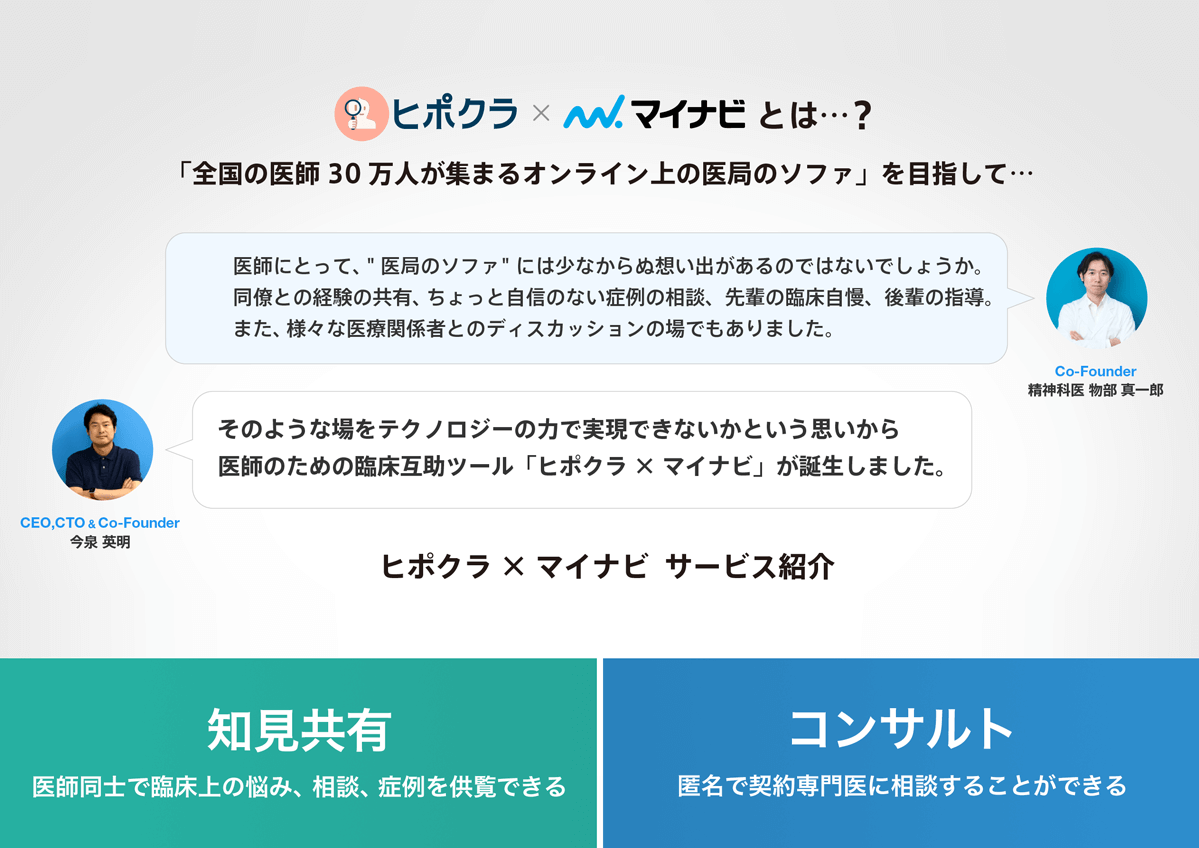
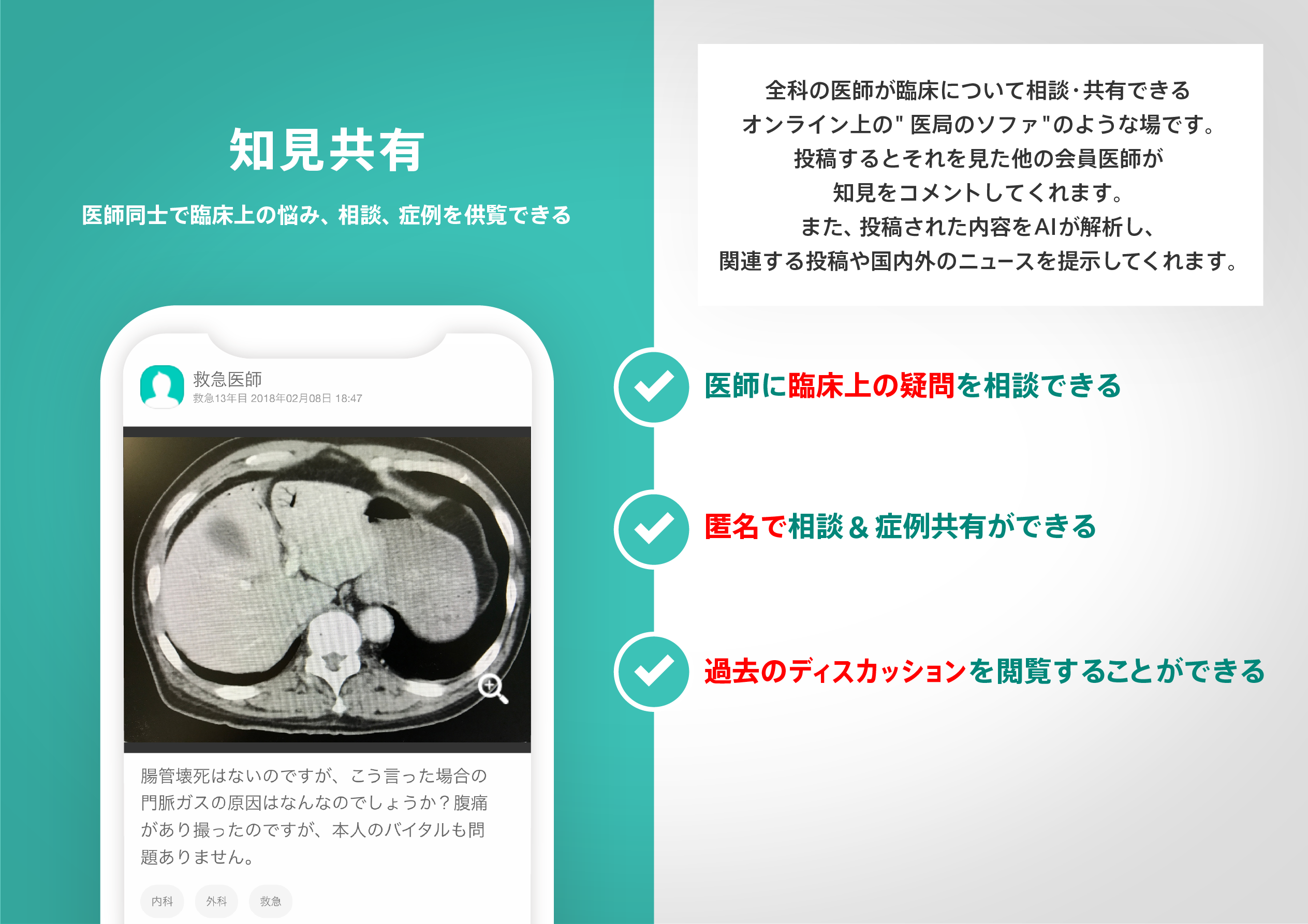
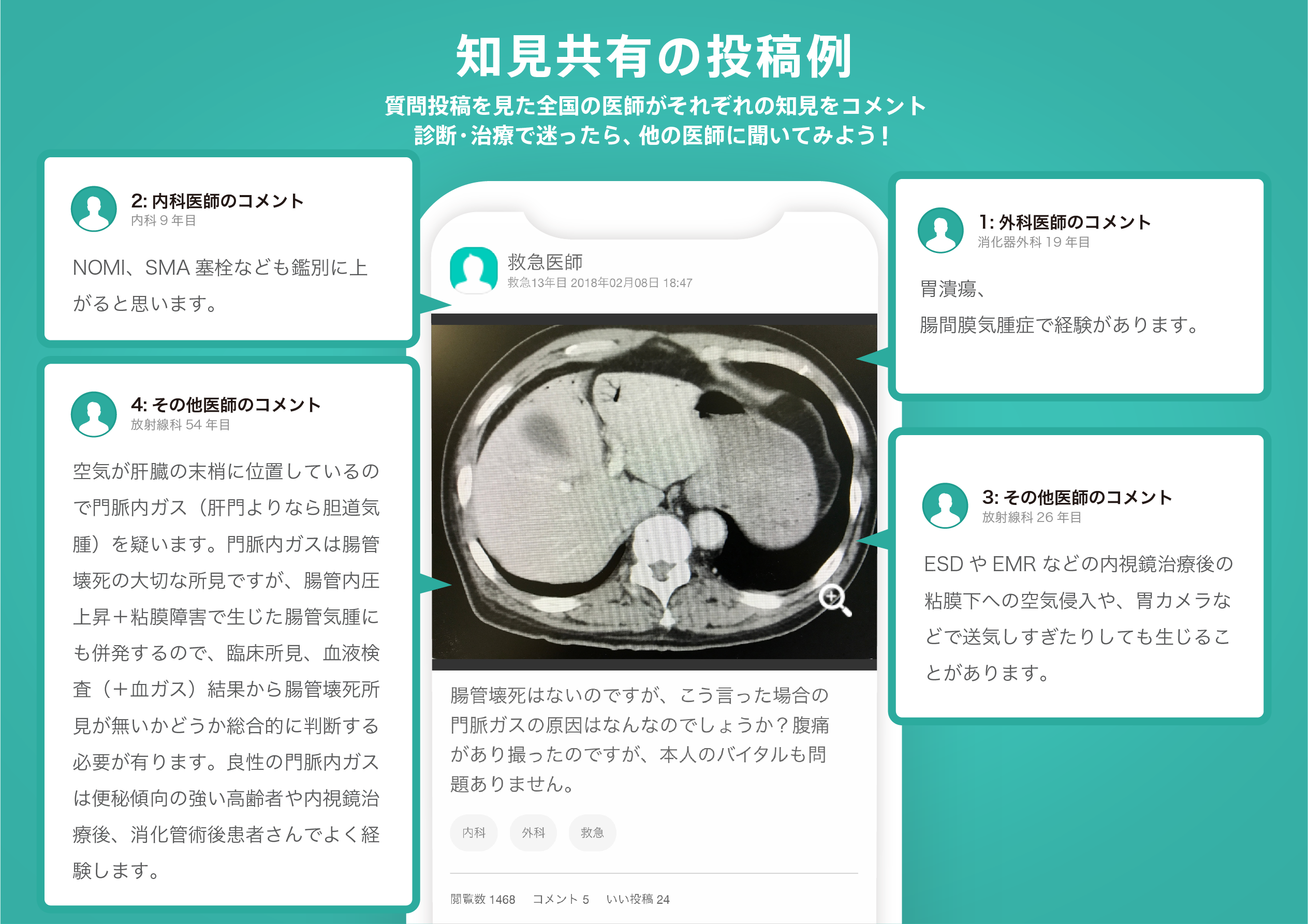
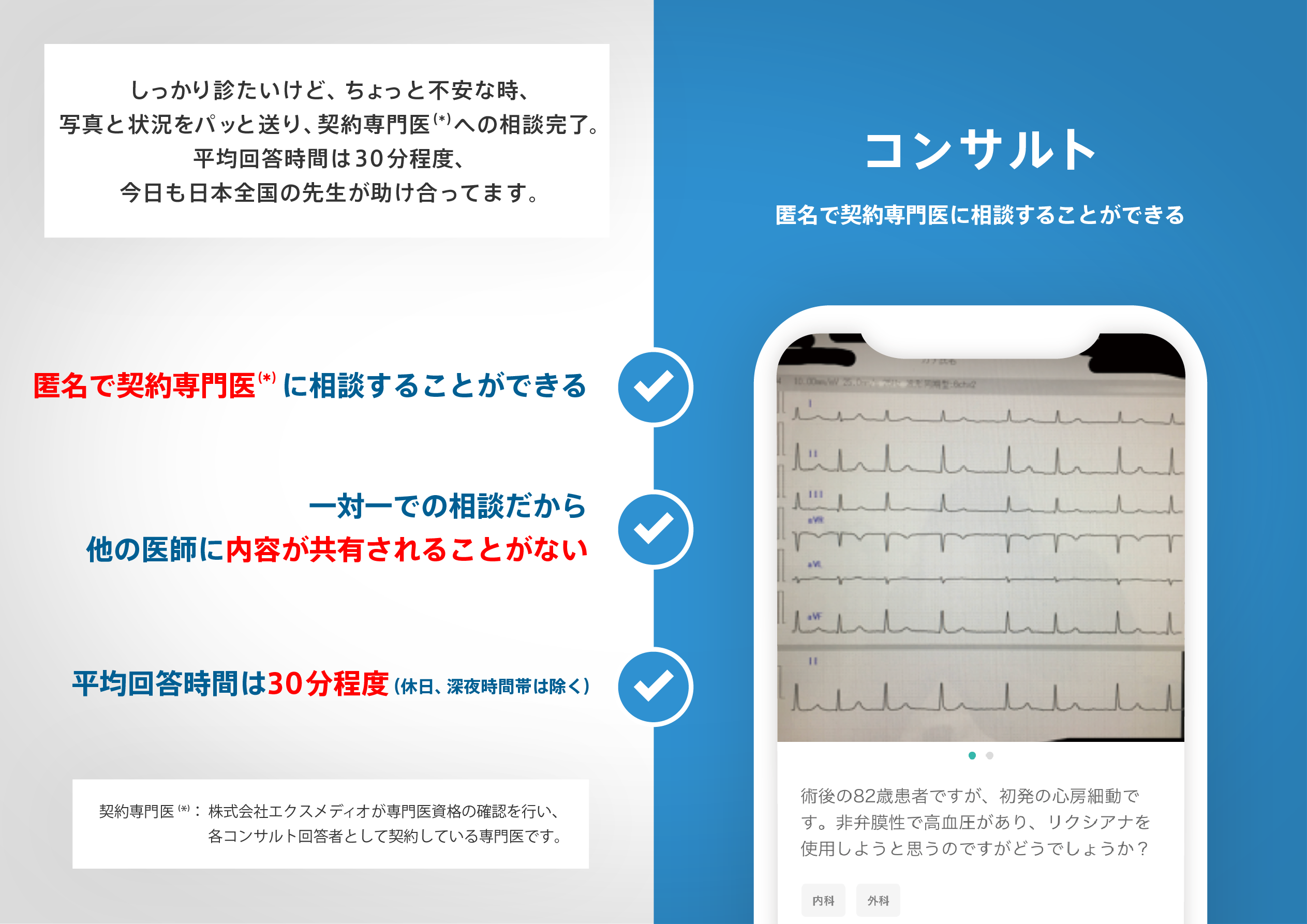
ヒポクラ x マイナビのご紹介

無料会員登録していただくと、さらに便利で効率的な検索が可能になります。