著名医師による解説が無料で読めます
すると翻訳の精度が向上します
背景:外傷のセリオトミー後の一時的な腹部創傷閉鎖がしばしば望ましい。一時的な閉鎖の理想的な方法は、迅速な閉鎖、簡単なメンテナンスを可能にし、組織の損傷を最小限に抑えて再採算と創傷の修復を可能にする必要があります。過去7年間で、開いた腹部の一時的な管理のために真空閉鎖システム(真空パック)を使用しました。 方法:1992年4月から1999年2月にかけて探索的性切開術を受けている外傷患者の医学的記録がレビューされました。人口統計データと、腹部の管理と腹部管理の合併症の適応が収集されました。 結果:112人の外傷患者で200個の16個の真空パックが実施されました。配置された216個の真空パックのうち、2.8%が腹腔内圧の増加のために配置され、5.3%が張力のない筋膜閉鎖を達成できないため、20%、損傷制御が20%、再現の場合は55%、因子の組み合わせで16.7%が配置されました。62人の患者(55.4%)が原発性閉鎖に進み、25人の患者(22.3%)が欠陥のポリグラクチンメッシュ修復に続いて、創傷顆粒と最終的な皮膚移植を受けました。腹部閉鎖が試みられる前に、22人の患者(19.6%)が死亡しました。5人の患者(4.5%)が腸皮質fを発症しました。5人の患者(4.5%)が腹腔内膿瘍を発症しました。内臓はありませんでした。3人の患者(2.7%)は、腹部閉鎖後にさらに調査を必要としました。全体的な死亡率は25.9%で、真空パックに関連するものはありませんでした。 結論:真空パックは、私たちの施設で開いている腹部管理を受けている患者の一時的な腹部創傷閉鎖です。合併症の発生率が低い患者の大多数で一次閉鎖が達成されます。テクニックはシンプルで、簡単に習得できます。技術的な合併症はまれで、簡単に修復できます。
背景:外傷のセリオトミー後の一時的な腹部創傷閉鎖がしばしば望ましい。一時的な閉鎖の理想的な方法は、迅速な閉鎖、簡単なメンテナンスを可能にし、組織の損傷を最小限に抑えて再採算と創傷の修復を可能にする必要があります。過去7年間で、開いた腹部の一時的な管理のために真空閉鎖システム(真空パック)を使用しました。 方法:1992年4月から1999年2月にかけて探索的性切開術を受けている外傷患者の医学的記録がレビューされました。人口統計データと、腹部の管理と腹部管理の合併症の適応が収集されました。 結果:112人の外傷患者で200個の16個の真空パックが実施されました。配置された216個の真空パックのうち、2.8%が腹腔内圧の増加のために配置され、5.3%が張力のない筋膜閉鎖を達成できないため、20%、損傷制御が20%、再現の場合は55%、因子の組み合わせで16.7%が配置されました。62人の患者(55.4%)が原発性閉鎖に進み、25人の患者(22.3%)が欠陥のポリグラクチンメッシュ修復に続いて、創傷顆粒と最終的な皮膚移植を受けました。腹部閉鎖が試みられる前に、22人の患者(19.6%)が死亡しました。5人の患者(4.5%)が腸皮質fを発症しました。5人の患者(4.5%)が腹腔内膿瘍を発症しました。内臓はありませんでした。3人の患者(2.7%)は、腹部閉鎖後にさらに調査を必要としました。全体的な死亡率は25.9%で、真空パックに関連するものはありませんでした。 結論:真空パックは、私たちの施設で開いている腹部管理を受けている患者の一時的な腹部創傷閉鎖です。合併症の発生率が低い患者の大多数で一次閉鎖が達成されます。テクニックはシンプルで、簡単に習得できます。技術的な合併症はまれで、簡単に修復できます。
BACKGROUND: Temporary abdominal wound closure after celiotomy for trauma is often desirable. The ideal method of temporary closure should allow rapid closure, easy maintenance, and allow reexploration and wound repair with minimal tissue damage. Over the past 7 years, we have successfully used a vacuum closure system (the vacuum pack) for temporary management of the open abdomen. METHODS: Medical records of trauma patients undergoing exploratory celiotomy from April of 1992 to February of 1999 were reviewed. Demographic data as well as indications for open-abdominal management and complications of open-abdominal management were collected. RESULTS: Two hundred sixteen vacuum packs were performed in 112 trauma patients. Of the 216 vacuum packs placed, 2.8% were placed for increased intra-abdominal pressure, 5.3% for inability to achieve tension-free fascial closure, 20% for damage control, 55% for reexploration, and 16.7% for a combination of factors. Sixty-two patients (55.4%) went on to primary closure and 25 patients (22.3%) underwent polyglactin mesh repair of the defect followed by wound granulation and eventual skin grafting. Twenty-two patients (19.6%) died before abdominal closure was attempted. Five patients (4.5%) developed enterocutaneous fistulae. Five patients (4.5%) developed intra-abdominal abscesses. There were no eviscerations. Three patients (2.7%) required further explorations after abdominal closure. Overall mortality rate was 25.9%, none related to the vacuum pack. CONCLUSIONS: The vacuum pack is the temporary abdominal wound closure of choice in patients undergoing open abdominal management at our institution. Primary closure is achieved in the majority of patients with a low rate of complication. The technique is simple and easily mastered. Technical complications are rare and easily repaired.
医師のための臨床サポートサービス
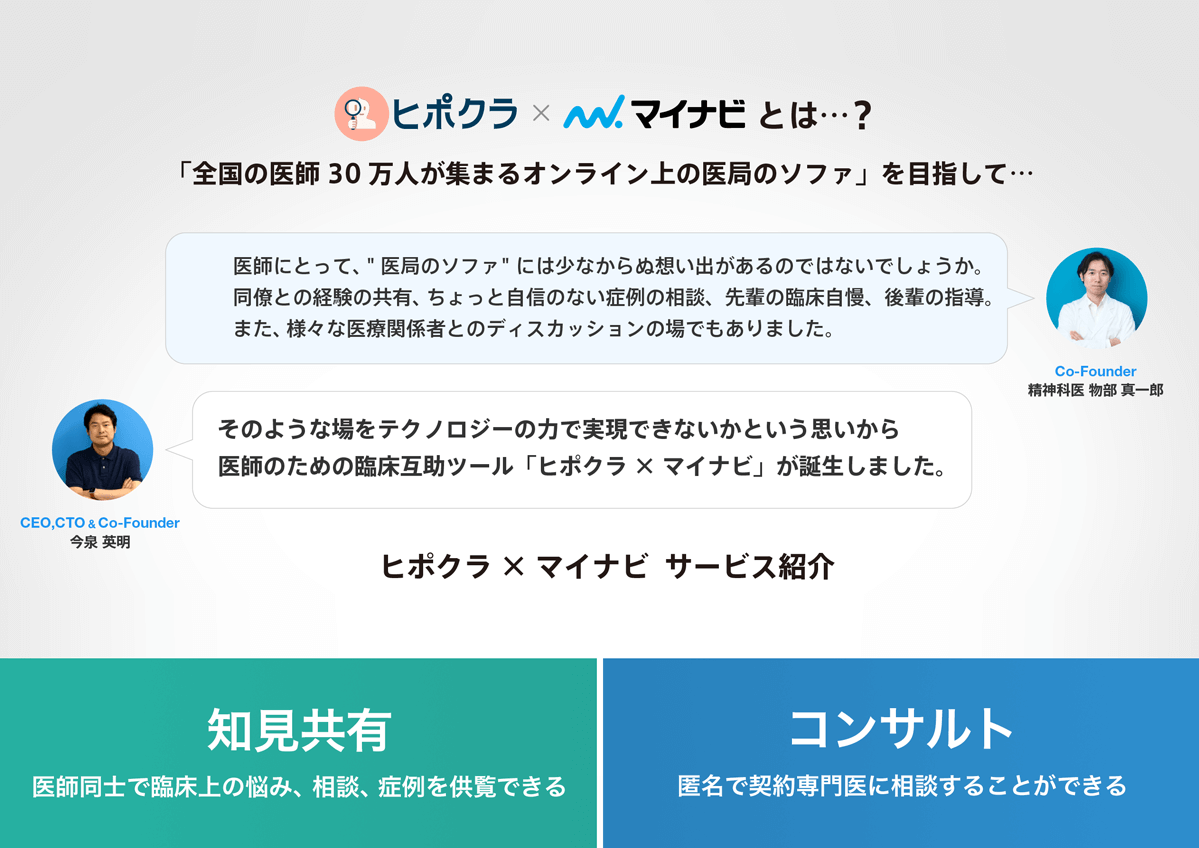
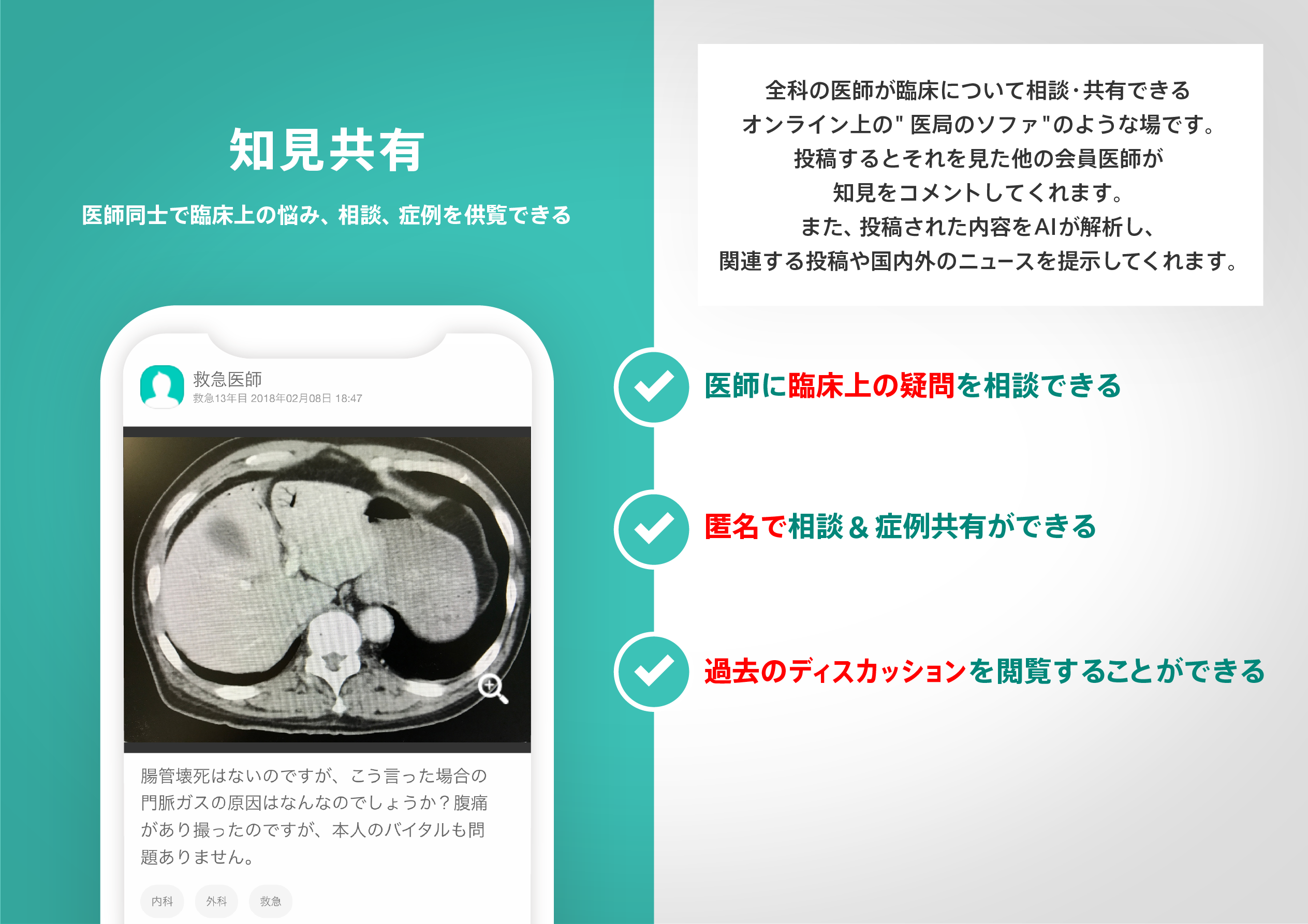
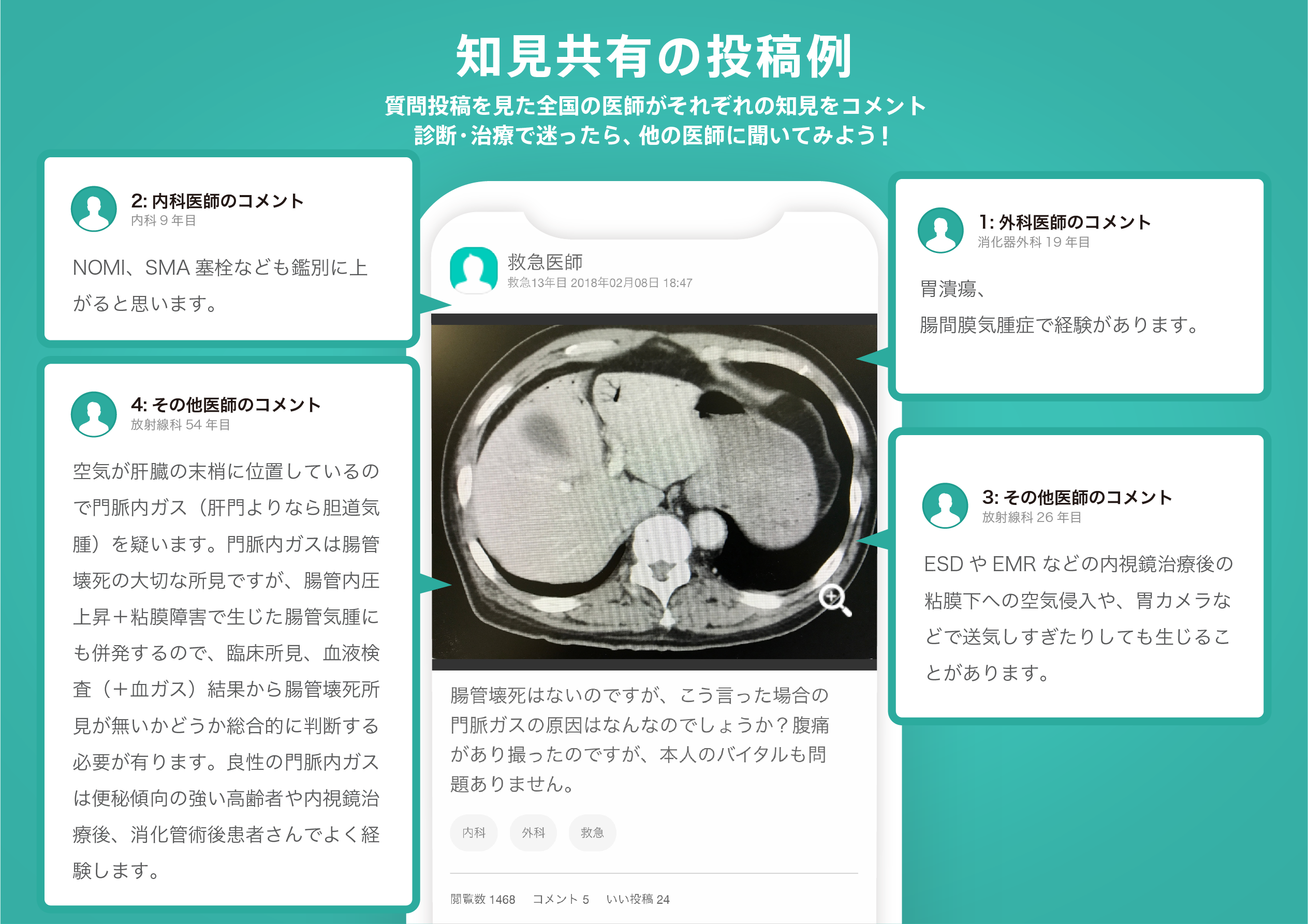
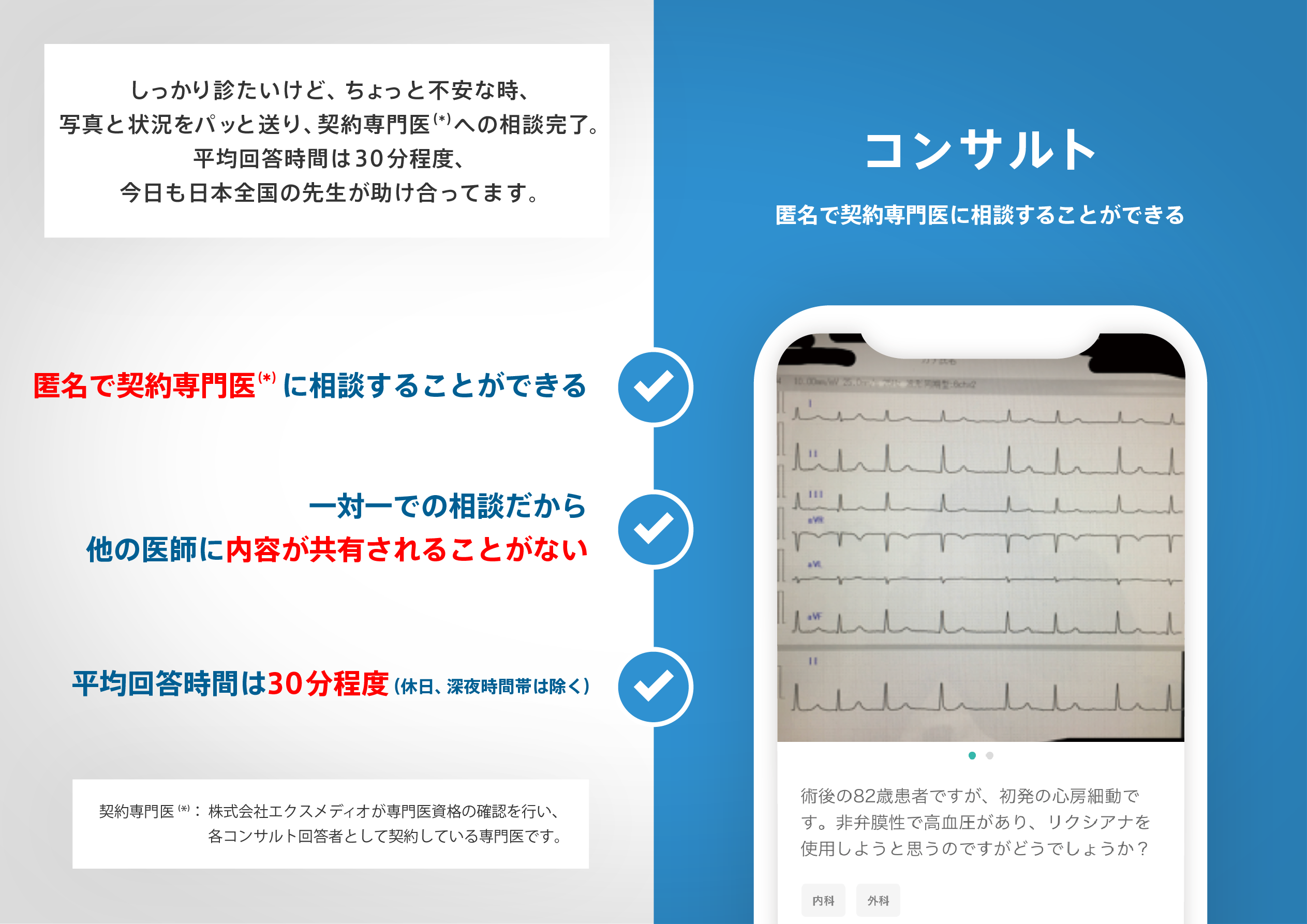
ヒポクラ x マイナビのご紹介

無料会員登録していただくと、さらに便利で効率的な検索が可能になります。