著名医師による解説が無料で読めます
すると翻訳の精度が向上します
目的:マスタルジアは、肝臓肝硬変の患者、特に腹水の治療のためにスピロノラクトンを投与された患者で時々発見されます。病因はまだ不明です。肝硬変患者のエストロゲン過剰とスピロノラクトンのエストロゲン効果は、可能な主要な原因です。これらの患者におけるエストロゲン刺激の優勢に対する治療は調査されていません。この研究は、エストロゲン拮抗薬であるタモキシフェンの有効性と安全性を調査するように設計され、肝硬変患者の乳房麻痺です。 方法:マスタルジアの合計16人の男性肝硬変患者が2つのグループにランダムに割り当てられました。1つのグループをタモキシフェン(20 mg P.O.、B.I.D。)で1か月間治療し、次の月にプラセボが続きました。他のグループは逆の順序で扱われました。すべての患者は、腹水および/または末梢浮腫のためにスピロノラクトンを投与され、研究期間中に薬物が継続されました。乳房の大きさと乳房の痛みと圧痛の程度は、治療期間の前後にすべての被験者で記録されました。エストラジオールとテストステロンの血清レベルは、放射性免疫測定法を使用して測定されました。 結果:16人の患者のうち、14人がタモキシフェン治療期間中に乳房の痛みおよび/または圧痛の減少または消失を経験しましたが、プラセボ期間中に16人の患者のうち2人だけが改善を感じました(p <0.05)。タモキシフェン治療期間中に乳房の痛みと柔らかさのスコアが大幅に改善され、胸のサイズが減少しました(1.4 +/- 0.3 vs 0.4 +/- 0.2、p = 0.002; 1.9 +/- 0.2 vs 0.5+/- 0.2、p <0.001;プラセボ時代に明らかな変化は見られませんでした。エストラジオールとテストステロンの血清レベルは、タモキシフェンまたはプラセボ治療後に有意に変化しませんでした(P> 0.05)。治療期間中に大きな副作用は認められませんでした。 結論:タモキシフェンは、スピロノラクトンを服用している男性肝硬変患者の乳牛の管理において効果的で安全です。
目的:マスタルジアは、肝臓肝硬変の患者、特に腹水の治療のためにスピロノラクトンを投与された患者で時々発見されます。病因はまだ不明です。肝硬変患者のエストロゲン過剰とスピロノラクトンのエストロゲン効果は、可能な主要な原因です。これらの患者におけるエストロゲン刺激の優勢に対する治療は調査されていません。この研究は、エストロゲン拮抗薬であるタモキシフェンの有効性と安全性を調査するように設計され、肝硬変患者の乳房麻痺です。 方法:マスタルジアの合計16人の男性肝硬変患者が2つのグループにランダムに割り当てられました。1つのグループをタモキシフェン(20 mg P.O.、B.I.D。)で1か月間治療し、次の月にプラセボが続きました。他のグループは逆の順序で扱われました。すべての患者は、腹水および/または末梢浮腫のためにスピロノラクトンを投与され、研究期間中に薬物が継続されました。乳房の大きさと乳房の痛みと圧痛の程度は、治療期間の前後にすべての被験者で記録されました。エストラジオールとテストステロンの血清レベルは、放射性免疫測定法を使用して測定されました。 結果:16人の患者のうち、14人がタモキシフェン治療期間中に乳房の痛みおよび/または圧痛の減少または消失を経験しましたが、プラセボ期間中に16人の患者のうち2人だけが改善を感じました(p <0.05)。タモキシフェン治療期間中に乳房の痛みと柔らかさのスコアが大幅に改善され、胸のサイズが減少しました(1.4 +/- 0.3 vs 0.4 +/- 0.2、p = 0.002; 1.9 +/- 0.2 vs 0.5+/- 0.2、p <0.001;プラセボ時代に明らかな変化は見られませんでした。エストラジオールとテストステロンの血清レベルは、タモキシフェンまたはプラセボ治療後に有意に変化しませんでした(P> 0.05)。治療期間中に大きな副作用は認められませんでした。 結論:タモキシフェンは、スピロノラクトンを服用している男性肝硬変患者の乳牛の管理において効果的で安全です。
OBJECTIVE: Mastalgia is occasionally found in patients with liver cirrhosis, especially in those receiving spironolactone for treatment of ascites. The pathogenesis is still unclear. Estrogen excess in cirrhotic patients and estrogenic effects of the spironolactone are possible leading causes. Treatment directed against the preponderance of estrogenic stimulation in these patients has never been investigated. This study was designed to investigate the efficacy and safety of tamoxifen, an estrogen antagonist, on mastalgia in patients with liver cirrhosis. METHODS: A total of 16 male cirrhotic patients with mastalgia were randomly assigned to two groups. One group was treated with tamoxifen (20 mg p.o., b.i.d.) for 1 month, followed by placebo for the next month. The other group was treated in the reverse order. All patients received spironolactone for ascites and/or peripheral edema, and the drug was continued during the study period. The size of the breasts and the degree of breast pain and tenderness were recorded in all subjects before and after the treatment periods. Serum levels of estradiol and testosterone were measured using the radioimmunoassay method. RESULTS: Of the 16 patients, 14 experienced a decrease or disappearance of the breast pain and/or tenderness during the tamoxifen treatment period, whereas only two of the 16 patients felt an improvement during the placebo period (p < 0.05). There were significant improvements in the breast pain and tenderness scores and decreases in the breast sizes during the tamoxifen treatment period (before vs after: 1.4+/-0.3 vs 0.4+/-0.2, p = 0.002; 1.9+/-0.2 vs 0.5+/-0.2, p < 0.001; and 6.8+/-0.6 vs 5.5+/-0.6 cm, p = 0.02, respectively), whereas no obvious change was seen during the placebo period. Serum levels of estradiol and testosterone did not change significantly after the tamoxifen or placebo treatments (p > 0.05). No major side effects were noted during the therapeutic periods. CONCLUSIONS: Tamoxifen is effective and safe in the management of mastalgia in male cirrhotic patients taking spironolactone.
医師のための臨床サポートサービス
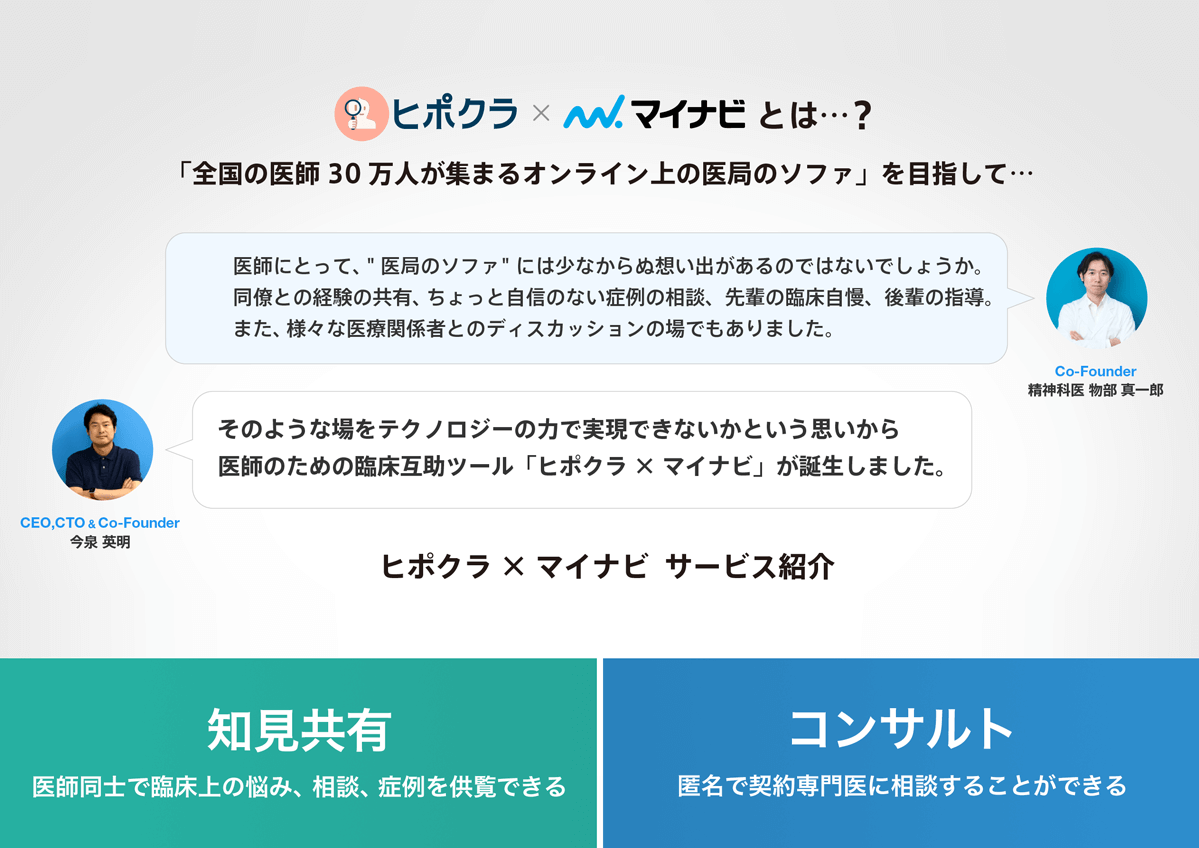
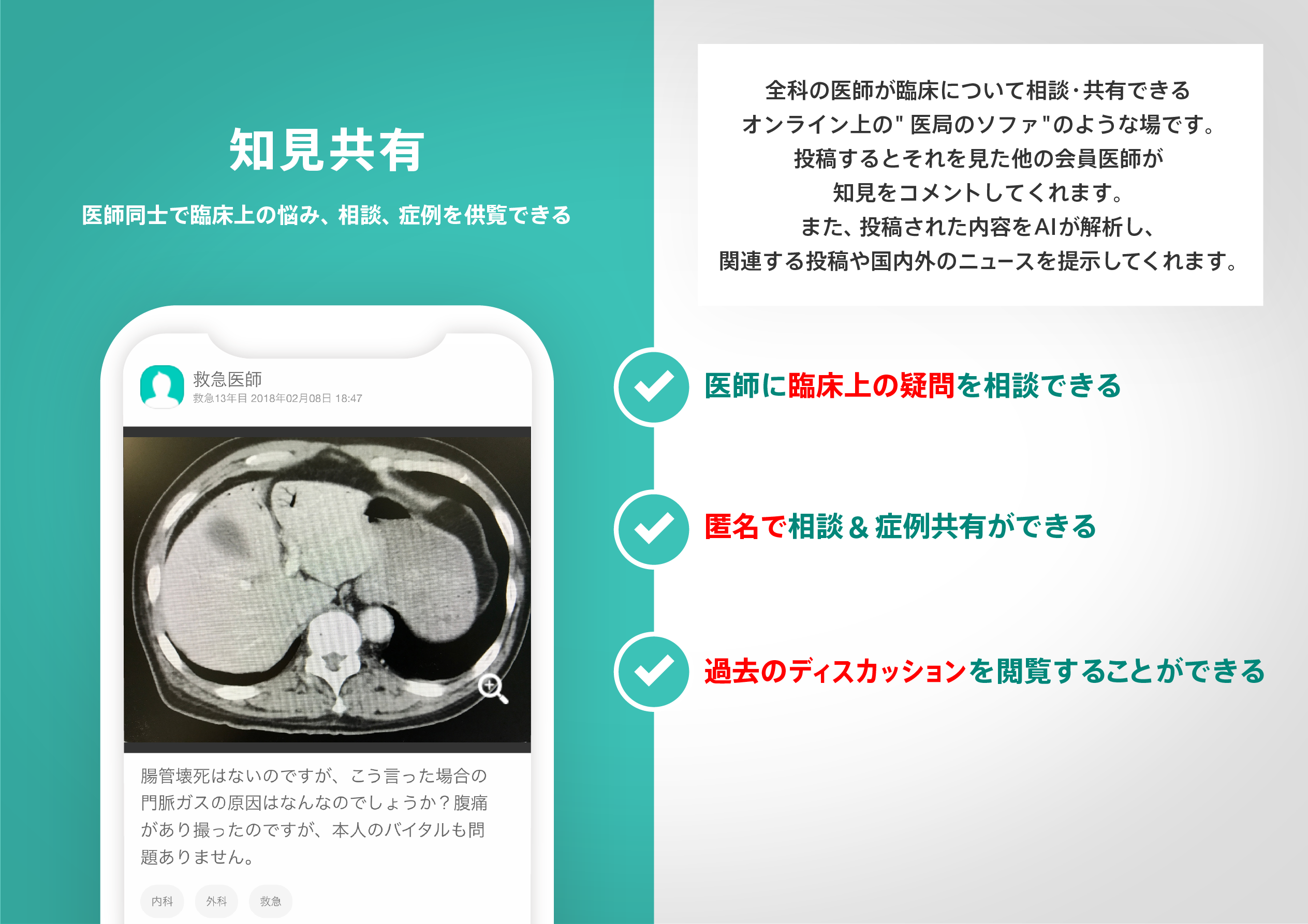
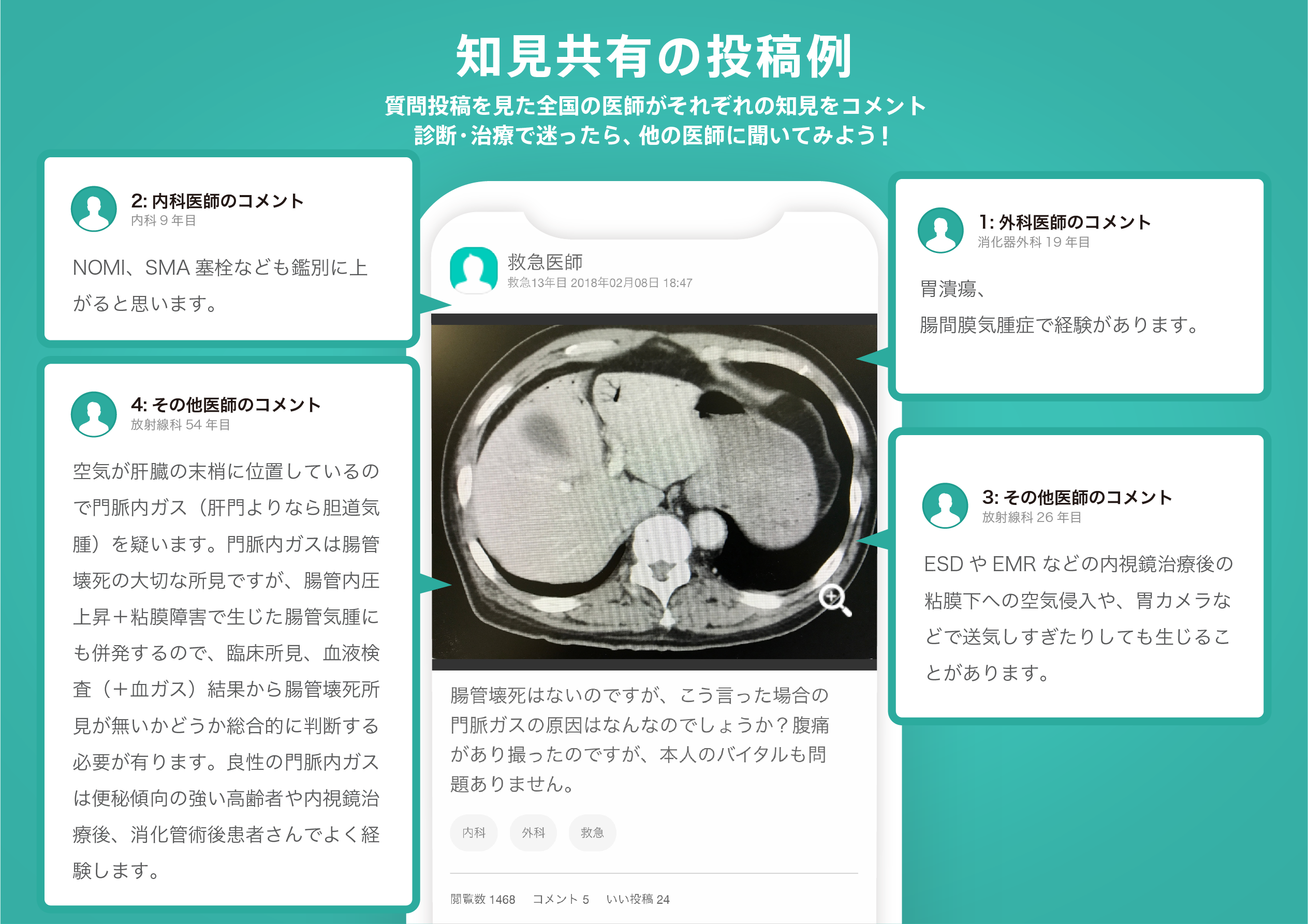
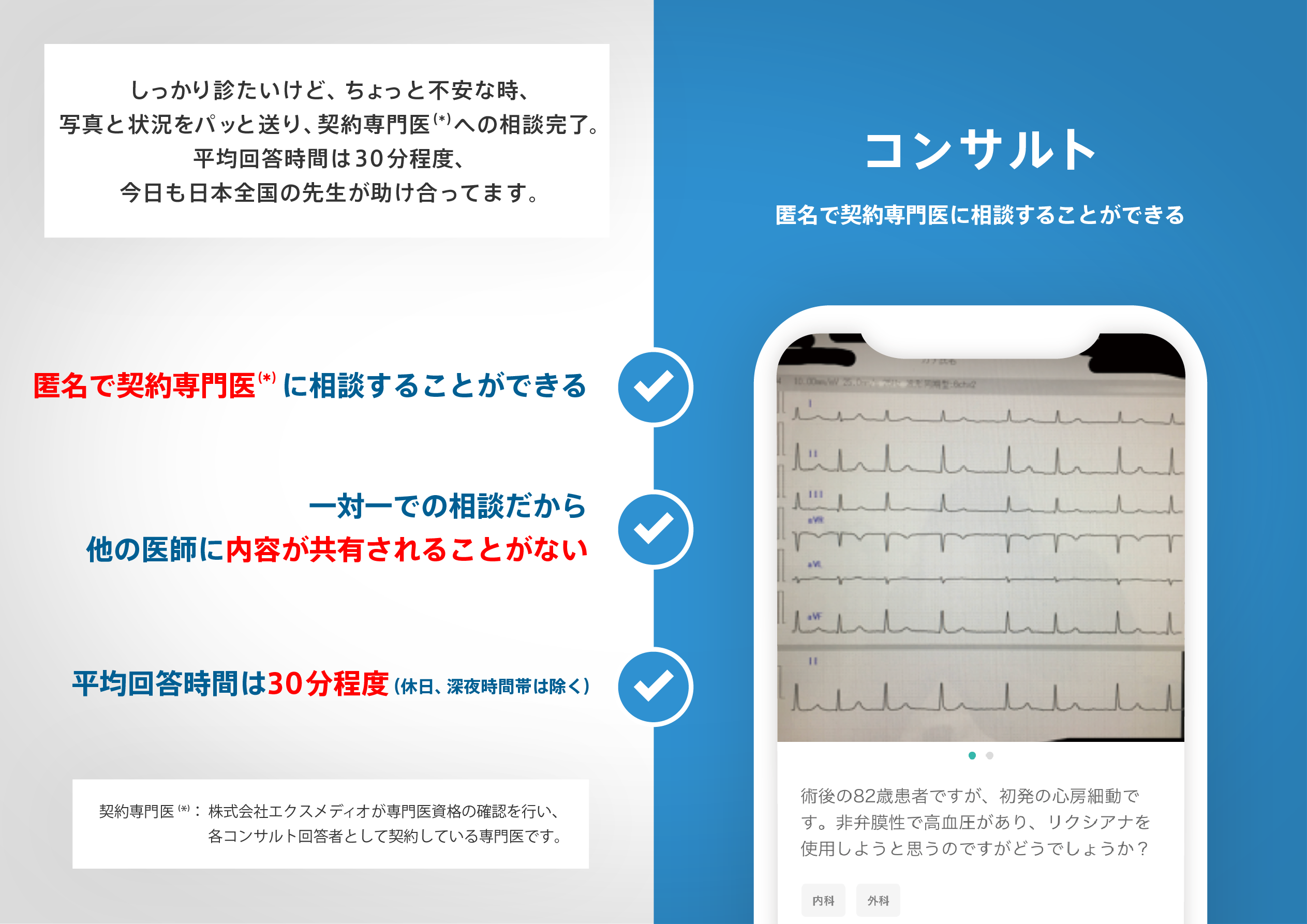
ヒポクラ x マイナビのご紹介

無料会員登録していただくと、さらに便利で効率的な検索が可能になります。