著名医師による解説が無料で読めます
すると翻訳の精度が向上します
ヒスタミンの生理薬理学的活性を媒介する受容体について、ベタヒスチン(BH)とその代謝物[アミノエチルピリジン(AEP)およびヒドロキシエチルピリジン(HEP)]の相互作用を明確にするために、我々はin vitro Affityプロファイルのプロファイルプロファイルを獲得するためにin vitro競争拘束研究を実施しました。H(1) - 、H(2) - およびH(3) - げっ歯類の脳から調製されたヒスタミン受容体の場合。粗シナプト膜は、特定の結合を飽和させるために使用される非標識リガンドの非存在下(総結合)または存在、または異なる濃度のBH、AEPまたはHEPでインキュベートされました。受容体結合法は、試験化合物と一緒に既知の標準薬物を実行することにより検証されました。ヒスタミンのように、BHのみがH(1) - ヒスタミン受容体と同等の親和性(約10(-5)m)と相互作用しました。BHとその代謝物AEPは、両方ともMicroM親和性とH(3) - ヒスタミン受容体と相互作用しました。HEPは依然としてH(3)受信機にある程度の親和性を示しましたが、a k(i)は親化合物の1/50しかありませんでした。ヒスタミンは、H(3)受容体部位に対して10(-8)m親和性を示し、H(2) - ヒスタミン受容体と相互作用する唯一のリガンドであり、他のすべてがMM範囲を超えて親和性を与えました。丘の係数(シグモイド阻害等温線の斜面として)は、H(1) - およびH(3)結合部位に対するBHの統一性に近く、H(3) - サイトに対するAEPに対して、これらの相互作用が行われることを示しています。協同性の欠如。ヒスタミンとHEPは、丘の係数が前者よりも少なく、後者の統一よりも高いH(1) - およびH(3)受信機と相互作用しました(それぞれ負と正の協同性の存在)。結果は、BHとその代謝産物がヒスタミン作動系の神経伝達物質モジュレーターとして作用する可能性があることを示唆しています。
ヒスタミンの生理薬理学的活性を媒介する受容体について、ベタヒスチン(BH)とその代謝物[アミノエチルピリジン(AEP)およびヒドロキシエチルピリジン(HEP)]の相互作用を明確にするために、我々はin vitro Affityプロファイルのプロファイルプロファイルを獲得するためにin vitro競争拘束研究を実施しました。H(1) - 、H(2) - およびH(3) - げっ歯類の脳から調製されたヒスタミン受容体の場合。粗シナプト膜は、特定の結合を飽和させるために使用される非標識リガンドの非存在下(総結合)または存在、または異なる濃度のBH、AEPまたはHEPでインキュベートされました。受容体結合法は、試験化合物と一緒に既知の標準薬物を実行することにより検証されました。ヒスタミンのように、BHのみがH(1) - ヒスタミン受容体と同等の親和性(約10(-5)m)と相互作用しました。BHとその代謝物AEPは、両方ともMicroM親和性とH(3) - ヒスタミン受容体と相互作用しました。HEPは依然としてH(3)受信機にある程度の親和性を示しましたが、a k(i)は親化合物の1/50しかありませんでした。ヒスタミンは、H(3)受容体部位に対して10(-8)m親和性を示し、H(2) - ヒスタミン受容体と相互作用する唯一のリガンドであり、他のすべてがMM範囲を超えて親和性を与えました。丘の係数(シグモイド阻害等温線の斜面として)は、H(1) - およびH(3)結合部位に対するBHの統一性に近く、H(3) - サイトに対するAEPに対して、これらの相互作用が行われることを示しています。協同性の欠如。ヒスタミンとHEPは、丘の係数が前者よりも少なく、後者の統一よりも高いH(1) - およびH(3)受信機と相互作用しました(それぞれ負と正の協同性の存在)。結果は、BHとその代謝産物がヒスタミン作動系の神経伝達物質モジュレーターとして作用する可能性があることを示唆しています。
In order to clarify the interaction of betahistine (BH) and its metabolites [aminoethylpyridine (AEP) and hydroxyethylpyridine (HEP)] for receptors that mediate the physio-pharmacological activities of histamine, we performed in vitro competition binding studies to obtain their binding affinity profile for H(1)-, H(2)- and H(3)-histamine receptors prepared from rodent brains. Crude synaptosomal membranes were incubated in the absence (total binding) or presence of the unlabelled ligands used to saturate the specific binding, or with different concentrations of BH, AEP or HEP. Receptor binding methods were validated by running known standard drugs together with the test compounds. Like histamine, only BH interacted with H(1)-histamine receptors with comparable affinity (around 10(-5)M). BH and its metabolite AEP both interacted with the H(3)-histamine receptors, with microM affinity. HEP still showed some affinity for the H(3)-receptors but with a K(i)only 1/50 that of the parent compound. Histamine showed 10(-8)M affinity for the H(3)-receptor sites and was the only ligand to interact with H(2)-histamine receptors, all the others giving affinities above the mM range. Hill coefficients (as slopes of the sigmoidal inhibition isotherms) were close to unity for BH against H(1)- and H(3)-binding sites and for AEP against H(3)-sites, indicating that these interactions take place in the absence of cooperativity. Histamine and HEP interacted with H(1)- and H(3)-receptors with a Hill coefficient less than unity for the former and higher than unity for the latter (presence of negative and positive cooperativity, respectively). The results suggest that BH and its metabolites may act as neurotransmitter modulators of the histaminergic system.
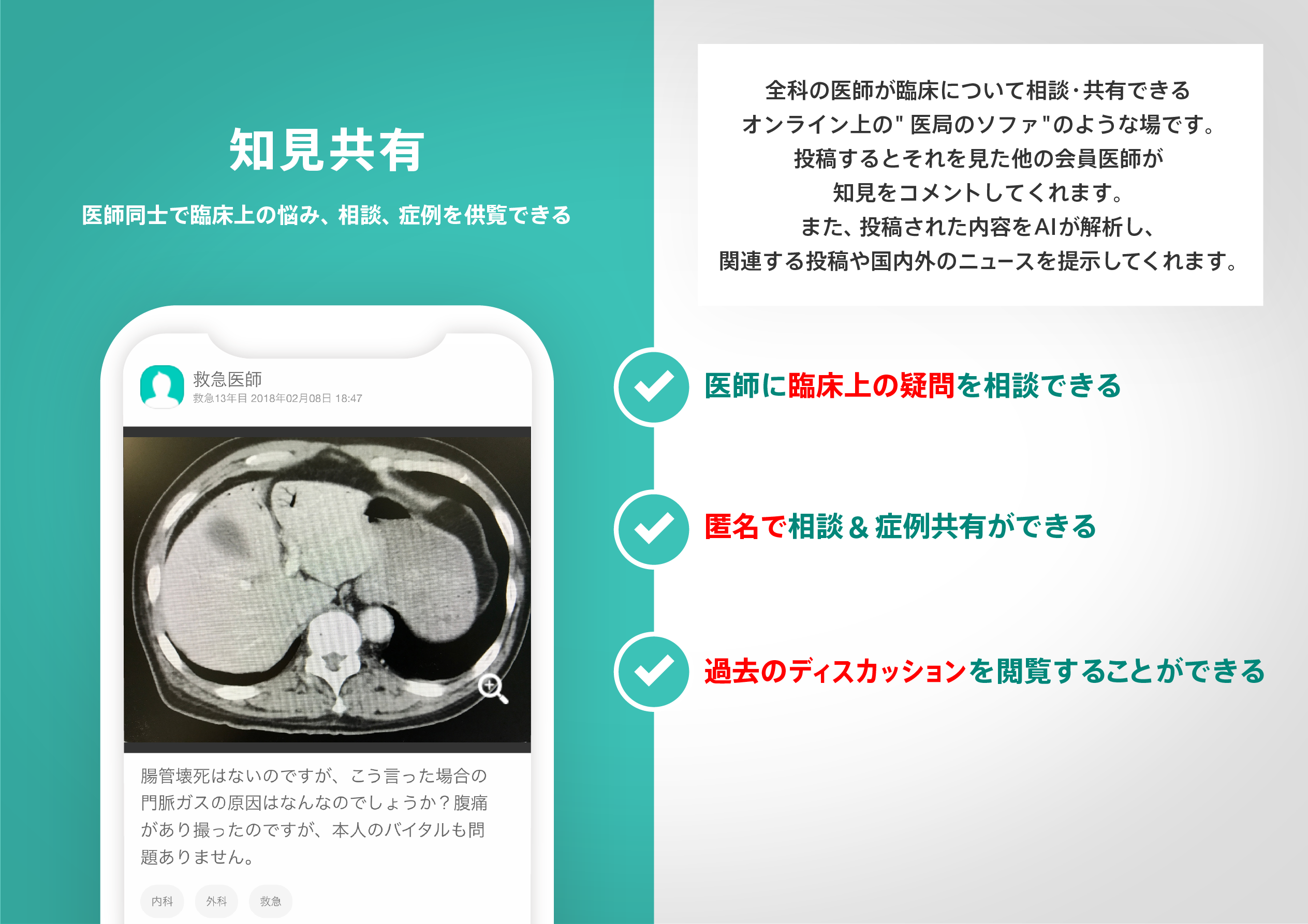
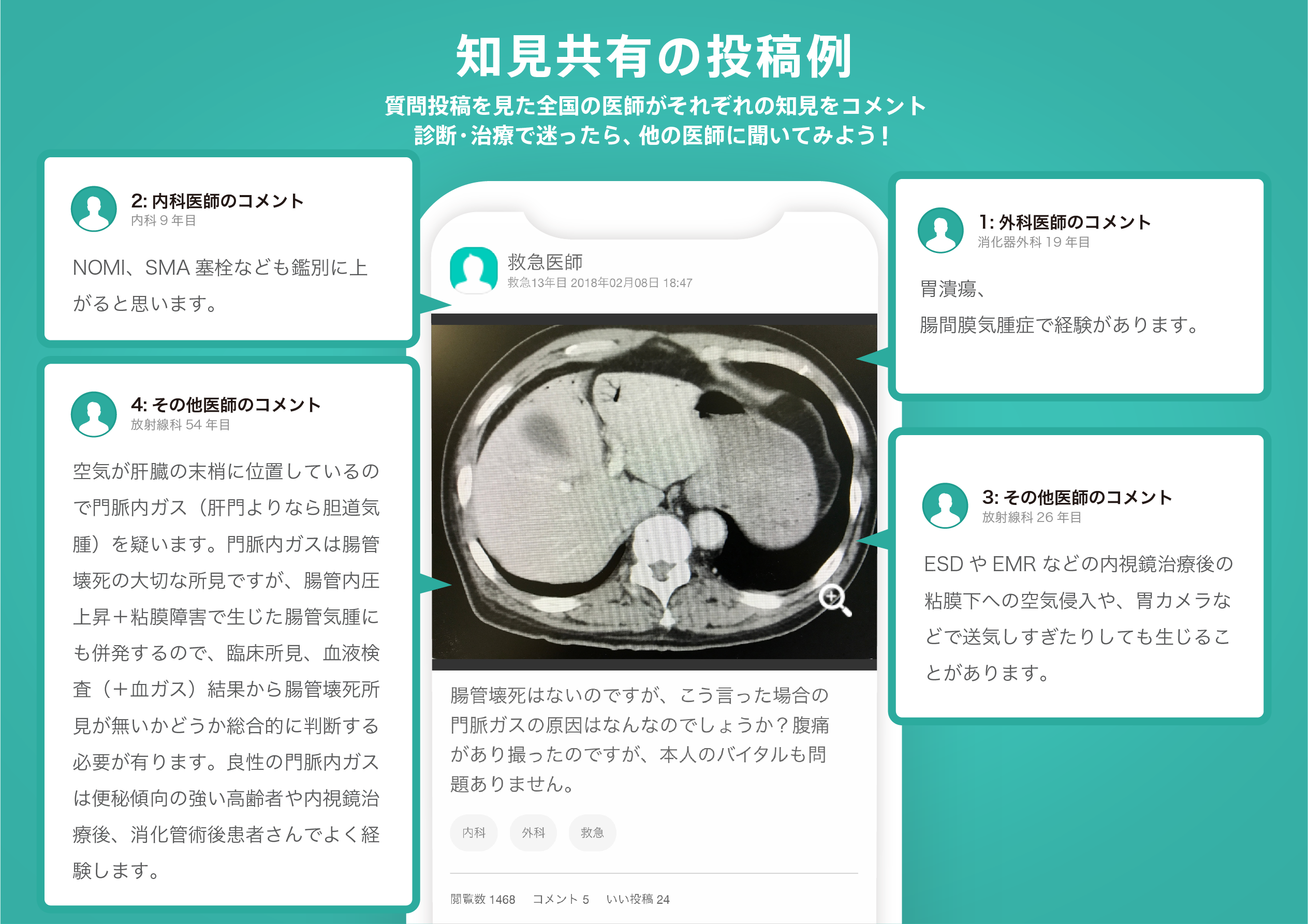
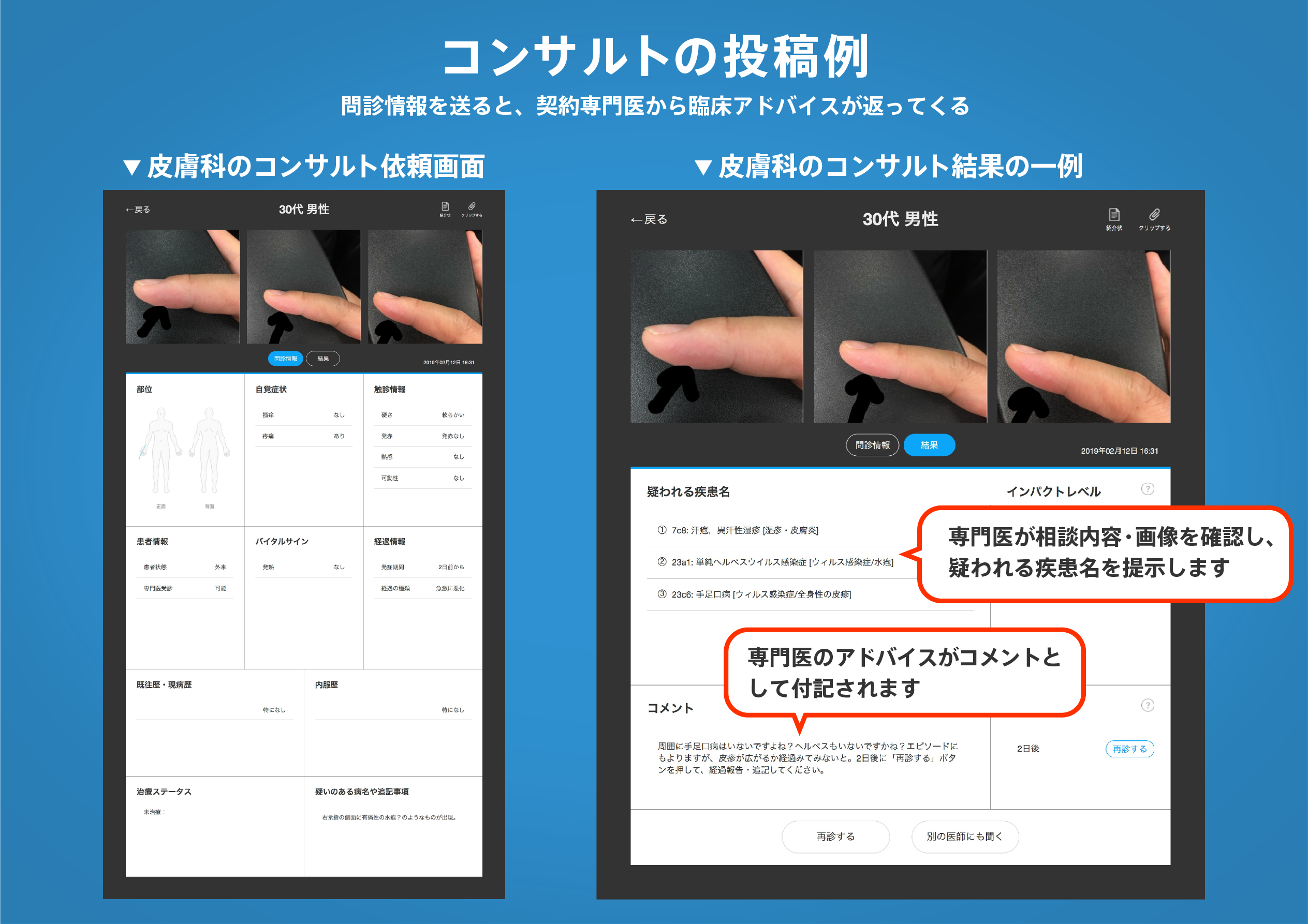
医師のための臨床サポートサービス
ヒポクラ x マイナビのご紹介




無料会員登録していただくと、さらに便利で効率的な検索が可能になります。