著名医師による解説が無料で読めます
すると翻訳の精度が向上します
目的:この研究では、高齢者の未亡人への心理的調整が、死が突然であるか予想されているかによって異なるかどうか、およびこれらの効果が死の文脈の特性(例えば、介護者の老人ホームの使用、配偶者の死年齢、カップルによって媒介されるかどうかを調べました死についてのコミュニケーション)。 方法:精神的健康と悲しみの複数の指標に対する予言の影響は、年配のカップル(CLOC)研究の変化する生活に参加した210人の未亡人の人のサンプルで調べられました。CLOCは、1987年から88年にベースライン情報が収集された65歳以上の1,532人の既婚者の確率サンプルであり、未亡人の人は配偶者の喪失から6、18、48か月後に再インタビューされました。 結果:失われてから6か月後にうつ病、怒り、ショック、または全体的な悲しみに影響を与えませんでした。長期にわたる予言は、死の6か月から18か月後の両方の不安の上昇と関連していた。突然の配偶者死は、6か月のフォローアップのみで生存者の侵入者の考えを高めました。突然の死は、女性の間でわずかに高いレベルの憧れと関連していたが、喪失後6か月から18か月後の男性の間では著しく低い憧れと関連していた。 議論:調査結果は、死が突然である場合、悲嘆はより深刻であるという広範な信念に疑問を投げかけ、死別と配偶者の死の状況とのより複雑な関係を示唆しています。
目的:この研究では、高齢者の未亡人への心理的調整が、死が突然であるか予想されているかによって異なるかどうか、およびこれらの効果が死の文脈の特性(例えば、介護者の老人ホームの使用、配偶者の死年齢、カップルによって媒介されるかどうかを調べました死についてのコミュニケーション)。 方法:精神的健康と悲しみの複数の指標に対する予言の影響は、年配のカップル(CLOC)研究の変化する生活に参加した210人の未亡人の人のサンプルで調べられました。CLOCは、1987年から88年にベースライン情報が収集された65歳以上の1,532人の既婚者の確率サンプルであり、未亡人の人は配偶者の喪失から6、18、48か月後に再インタビューされました。 結果:失われてから6か月後にうつ病、怒り、ショック、または全体的な悲しみに影響を与えませんでした。長期にわたる予言は、死の6か月から18か月後の両方の不安の上昇と関連していた。突然の配偶者死は、6か月のフォローアップのみで生存者の侵入者の考えを高めました。突然の死は、女性の間でわずかに高いレベルの憧れと関連していたが、喪失後6か月から18か月後の男性の間では著しく低い憧れと関連していた。 議論:調査結果は、死が突然である場合、悲嘆はより深刻であるという広範な信念に疑問を投げかけ、死別と配偶者の死の状況とのより複雑な関係を示唆しています。
OBJECTIVES: This study examined if older adults' psychological adjustment to widowhood varies based on whether the death was sudden or anticipated and if these effects are mediated by death context characteristics (e.g., predeath caregiving, nursing home use, spouse's age at death, and couple's communication about the death). METHODS: The effects of forewarning on multiple indicators of mental health and grief were examined in a sample of 210 widowed persons who participated in the Changing Lives of Older Couples (CLOC) study. The CLOC is a probability sample of 1,532 married individuals aged 65 and older for whom baseline information was collected in 1987-88, with widowed persons reinterviewed 6, 18, and 48 months after spousal loss. RESULTS: Forewarning did not affect depression, anger, shock, or overall grief 6 or 18 months after the loss. Prolonged forewarning was associated with elevated anxiety both 6 and 18 months after the death. Sudden spousal death elevated survivors' intrusive thoughts at the 6-month follow-up only. Sudden death was associated with slightly higher levels of yearning among women but significantly lower yearning among men both 6 and 18 months after the loss. DISCUSSION: The findings call into question the widespread belief that grief is more severe if death is sudden and suggest a more complex relationship between bereavement and circumstances of spousal death.
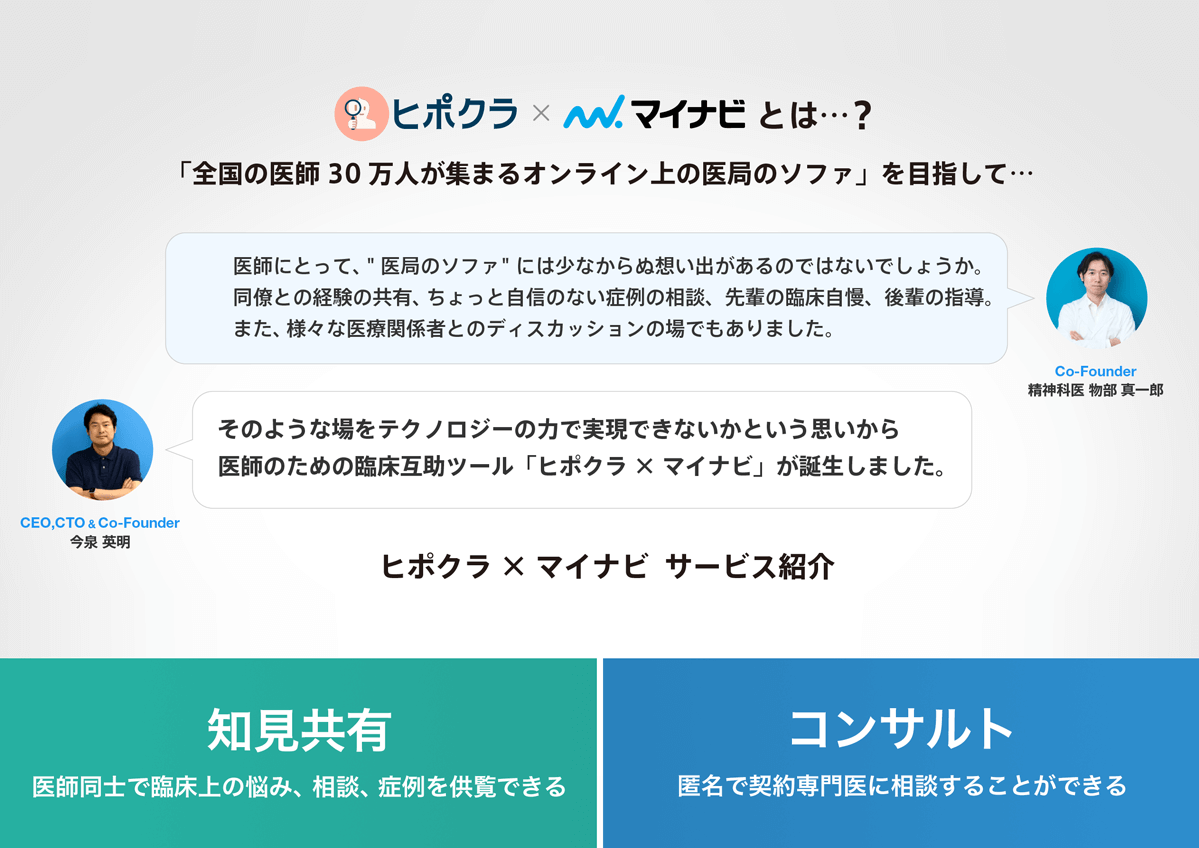
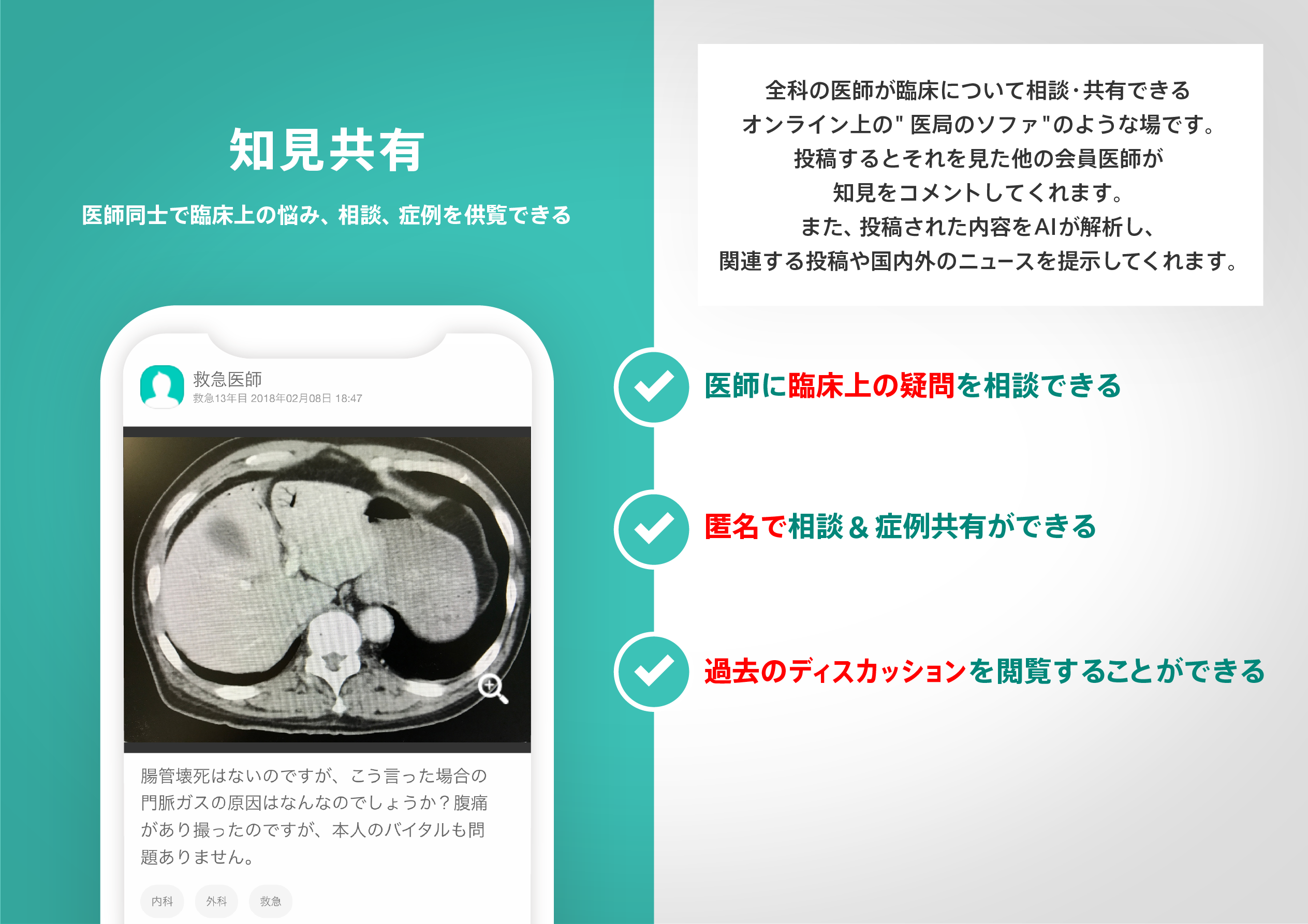
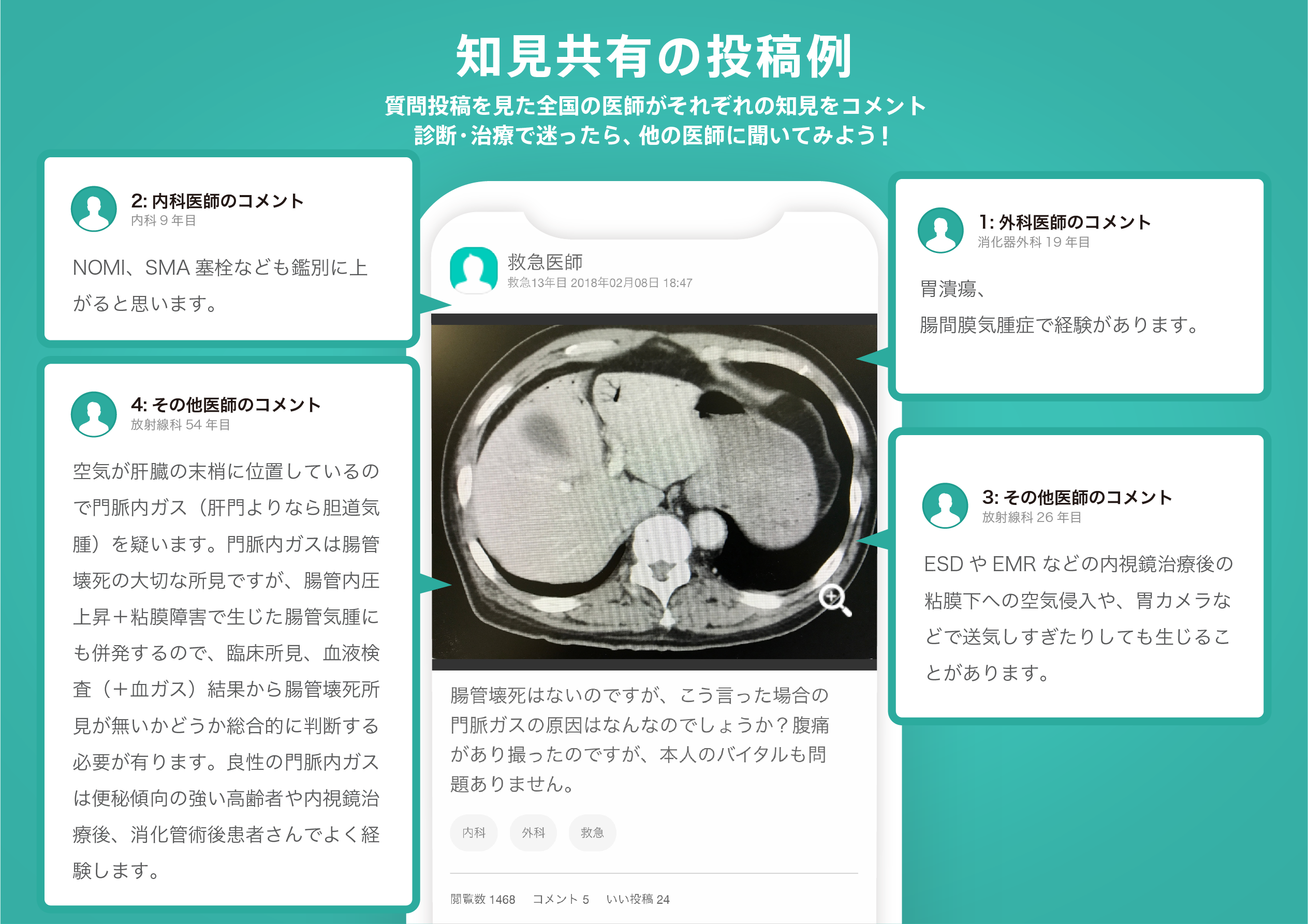
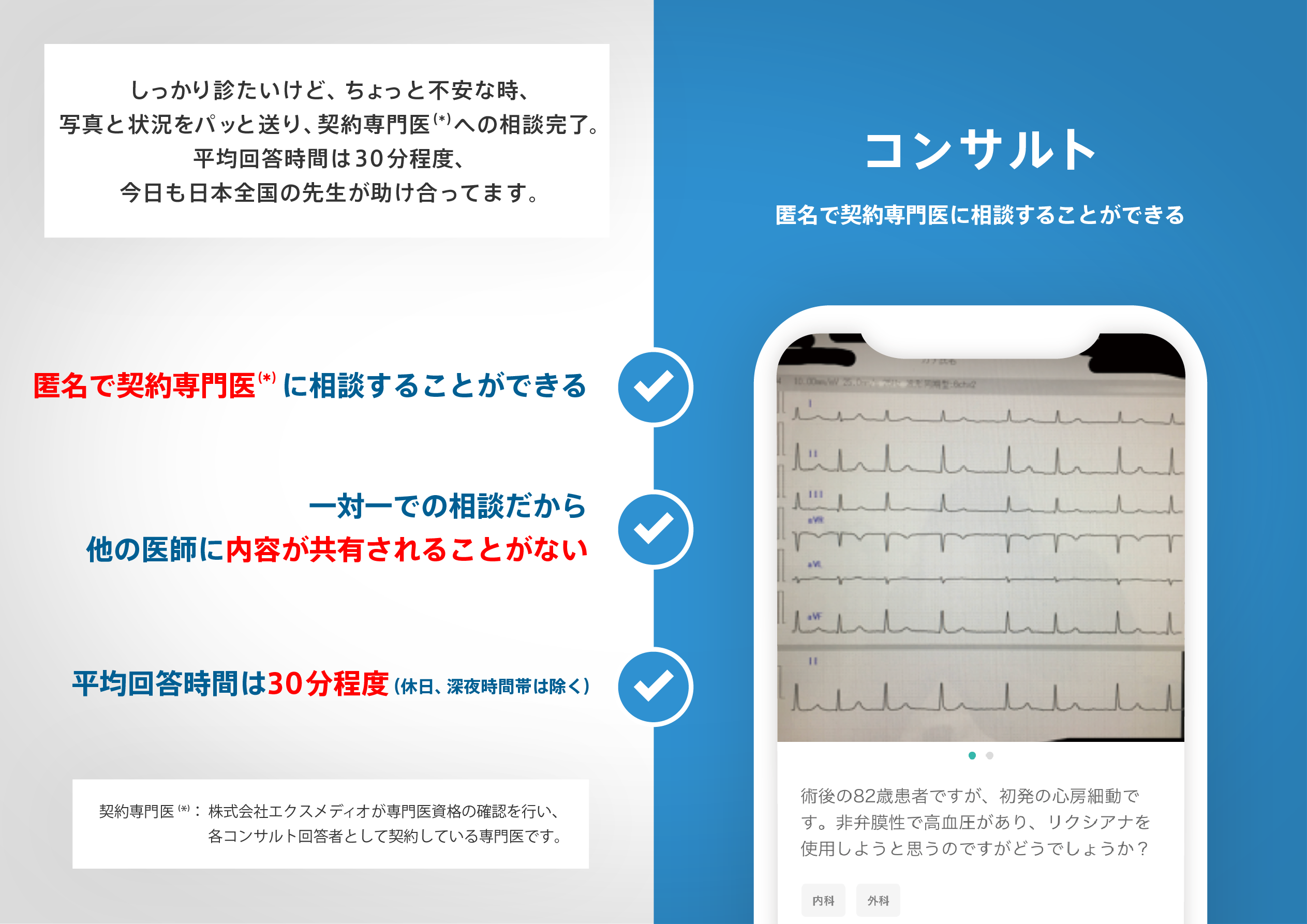
医師のための臨床サポートサービス
ヒポクラ x マイナビのご紹介

無料会員登録していただくと、さらに便利で効率的な検索が可能になります。