著名医師による解説が無料で読めます
すると翻訳の精度が向上します
ビターゴード(Momordica Charantia)種子から分離されたリボヌクレアーゼMC1(RNase MC1)は、5'sideのウリジンにホスホジエステル結合を特異的に切断します。2'-umpまたは3'-uppを含む複合体のRNase MC1の結晶構造は、Gln9、Asn71、Leu73、およびPhe80が水素結合と疎水性相互作用によるウリジン結合に関与していることを明らかにしています[Suzuki et al。(2000)Biochem。生物生物。res。コミューン。275、572-576]。Gln9とPhe80のウリジン結合への寄与を評価するために、Gln9は、部位指向の突然変異誘発により、ALA、PHE、GLU、またはHIS、およびPHE80をALAに置き換えました。得られた変異酵素の運動特性は、基質としてCytidylyl-3 '、5'-ウリジン(CPU)を使用して特徴付けられました。変異体Q9Aは3.7倍のK(M)(M)の増加と27.6倍減少したK(CAT)を示しましたが、他の3つの変異Q9F、Q9E、およびQ9Hは、主にK(CAT)値に影響を与えました。PHE80をALAに置き換えると、触媒効率(K(CAT)/K(M))を劇的に減少させ、最小K(M)値を8 mmに等しくしました。さらに、シチジン-2 'に向けて変異体の加水分解活性、3'-環状単リン酸(CCMP)が減少することがわかった。これらの結果は、Gln9とPhe80がウリジン結合だけでなく、加水分解活性にも重要な役割を果たすことを示しています。さらに、GLN9、ASN71、LEU73、およびPHE80で二重ALA置換変異体を生成し、それらの運動特性と対応する単一変異体の特性と比較しました。結果は、これらの4つの残基が相互に独立した方法でウリジンの結合に寄与する可能性があることを示唆しています。
ビターゴード(Momordica Charantia)種子から分離されたリボヌクレアーゼMC1(RNase MC1)は、5'sideのウリジンにホスホジエステル結合を特異的に切断します。2'-umpまたは3'-uppを含む複合体のRNase MC1の結晶構造は、Gln9、Asn71、Leu73、およびPhe80が水素結合と疎水性相互作用によるウリジン結合に関与していることを明らかにしています[Suzuki et al。(2000)Biochem。生物生物。res。コミューン。275、572-576]。Gln9とPhe80のウリジン結合への寄与を評価するために、Gln9は、部位指向の突然変異誘発により、ALA、PHE、GLU、またはHIS、およびPHE80をALAに置き換えました。得られた変異酵素の運動特性は、基質としてCytidylyl-3 '、5'-ウリジン(CPU)を使用して特徴付けられました。変異体Q9Aは3.7倍のK(M)(M)の増加と27.6倍減少したK(CAT)を示しましたが、他の3つの変異Q9F、Q9E、およびQ9Hは、主にK(CAT)値に影響を与えました。PHE80をALAに置き換えると、触媒効率(K(CAT)/K(M))を劇的に減少させ、最小K(M)値を8 mmに等しくしました。さらに、シチジン-2 'に向けて変異体の加水分解活性、3'-環状単リン酸(CCMP)が減少することがわかった。これらの結果は、Gln9とPhe80がウリジン結合だけでなく、加水分解活性にも重要な役割を果たすことを示しています。さらに、GLN9、ASN71、LEU73、およびPHE80で二重ALA置換変異体を生成し、それらの運動特性と対応する単一変異体の特性と比較しました。結果は、これらの4つの残基が相互に独立した方法でウリジンの結合に寄与する可能性があることを示唆しています。
Ribonuclease MC1 (RNase MC1) isolated from bitter gourd (Momordica charantia) seeds specifically cleaves phosphodiester bonds on the 5'-side of uridine. The crystal structures of RNase MC1 in complex with 2'-UMP or 3'-UMP reveal that Gln9, Asn71, Leu73, and Phe80 are involved in uridine binding by hydrogen bonding and hydrophobic interactions [Suzuki et al. (2000) Biochem. Biophys. Res. Commun. 275, 572-576]. To evaluate the contribution of Gln9 and Phe80 to uridine binding, Gln9 was replaced with Ala, Phe, Glu, or His, and Phe80 with Ala by site-directed mutagenesis. The kinetic properties of the resulting mutant enzymes were characterized using cytidylyl-3',5'-uridine (CpU) as a substrate. The mutant Q9A exhibited a 3.7-fold increased K(m) and 27.6-fold decreased k(cat), while three other mutations, Q9F, Q9E, and Q9H, predominantly affected the k(cat) value. Replacing Phe80 with Ala drastically reduced the catalytic efficiency (k(cat)/K(m)) with a minimum K(m) value equal to 8 mM. It was further found that the hydrolytic activities of the mutants toward cytidine-2',3'-cyclic monophosphate (cCMP) were reduced. These results demonstrate that Gln9 and Phe80 play essential roles not only in uridine binding but also in hydrolytic activity. Moreover, we produced double Ala substituted mutants at Gln9, Asn71, Leu73, and Phe80, and compared their kinetic properties with those of the corresponding single mutants. The results suggest that these four residues may contribute to uridine binding in a mutually independent manner.
医師のための臨床サポートサービス
ヒポクラ x マイナビのご紹介


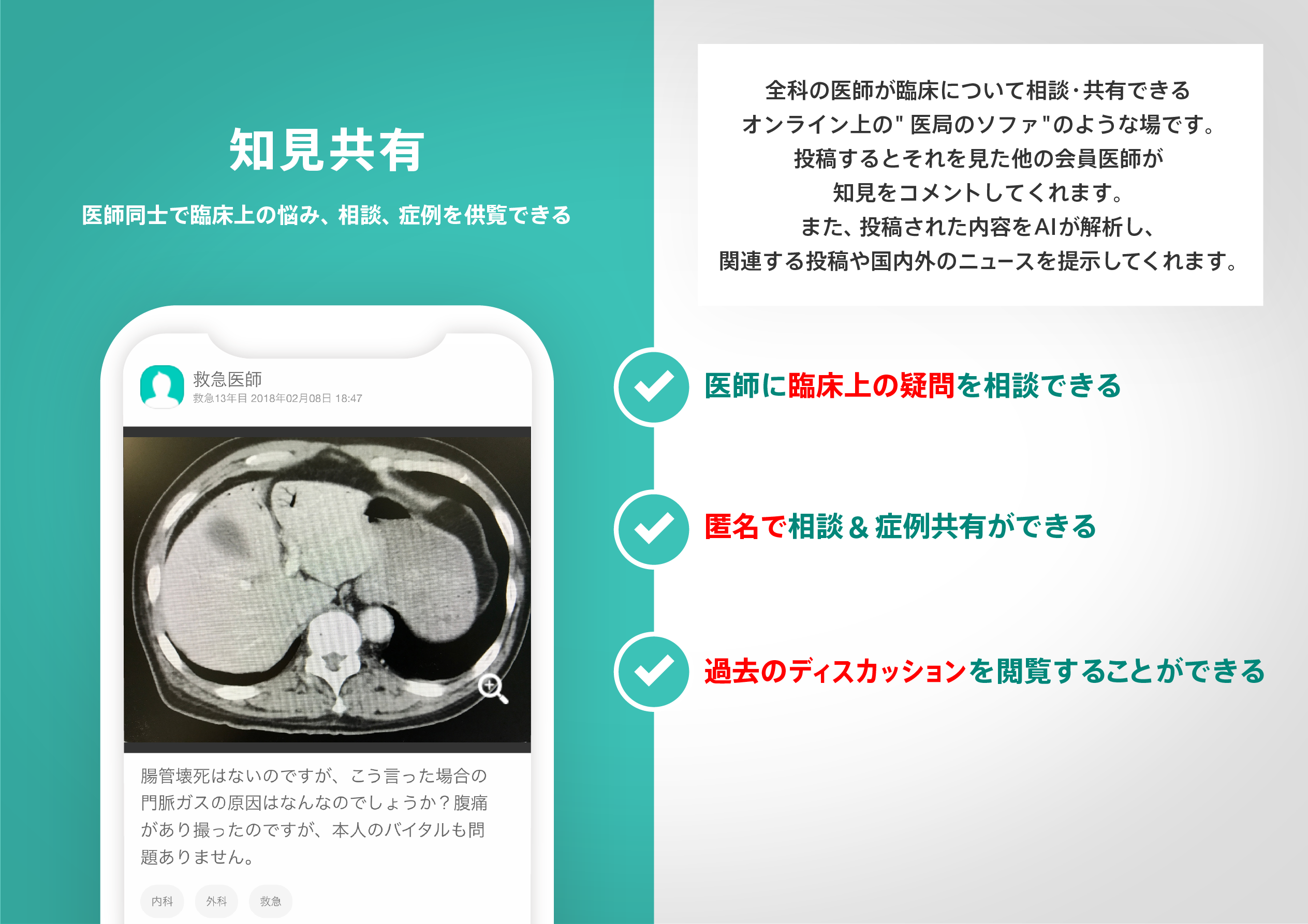
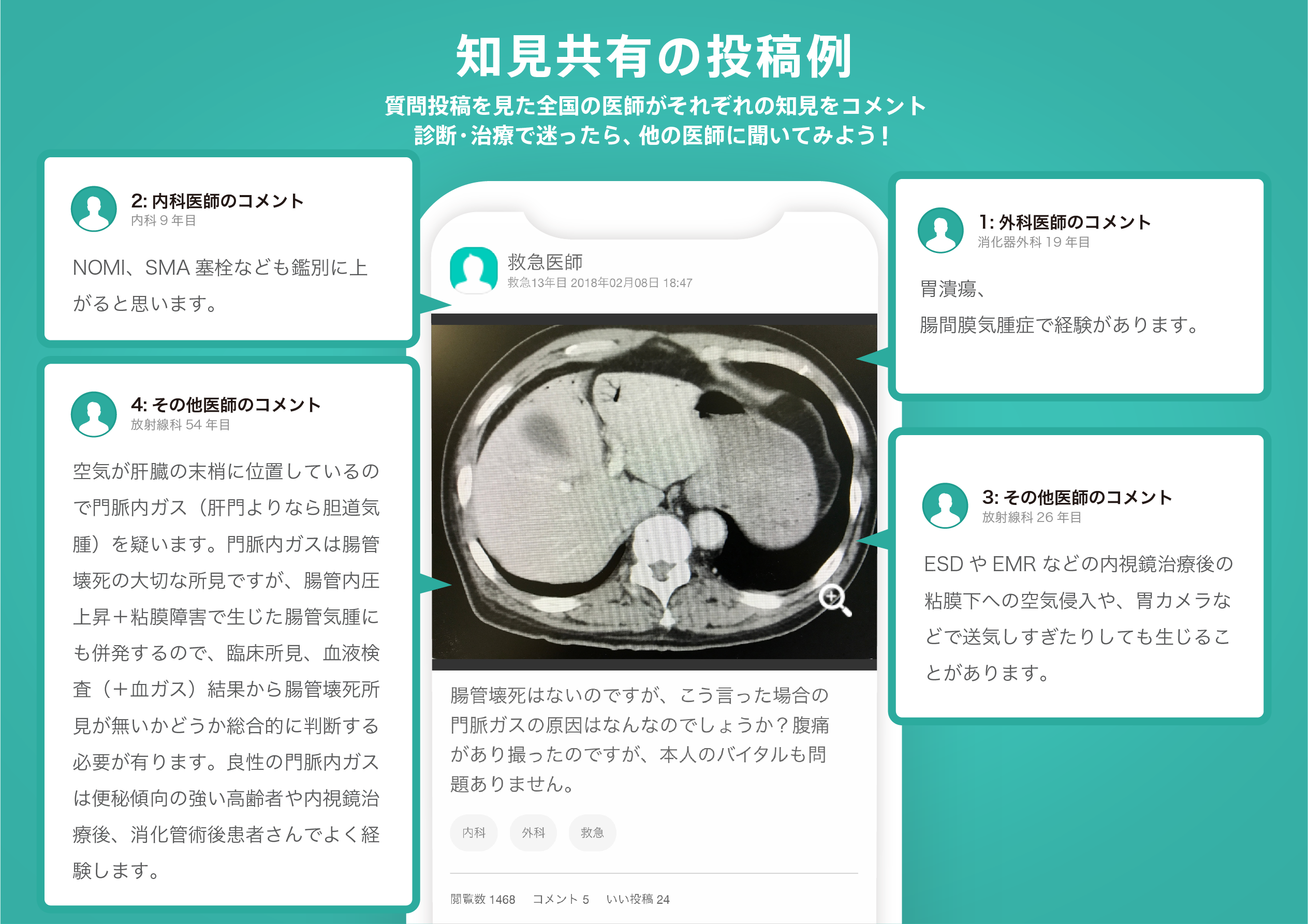

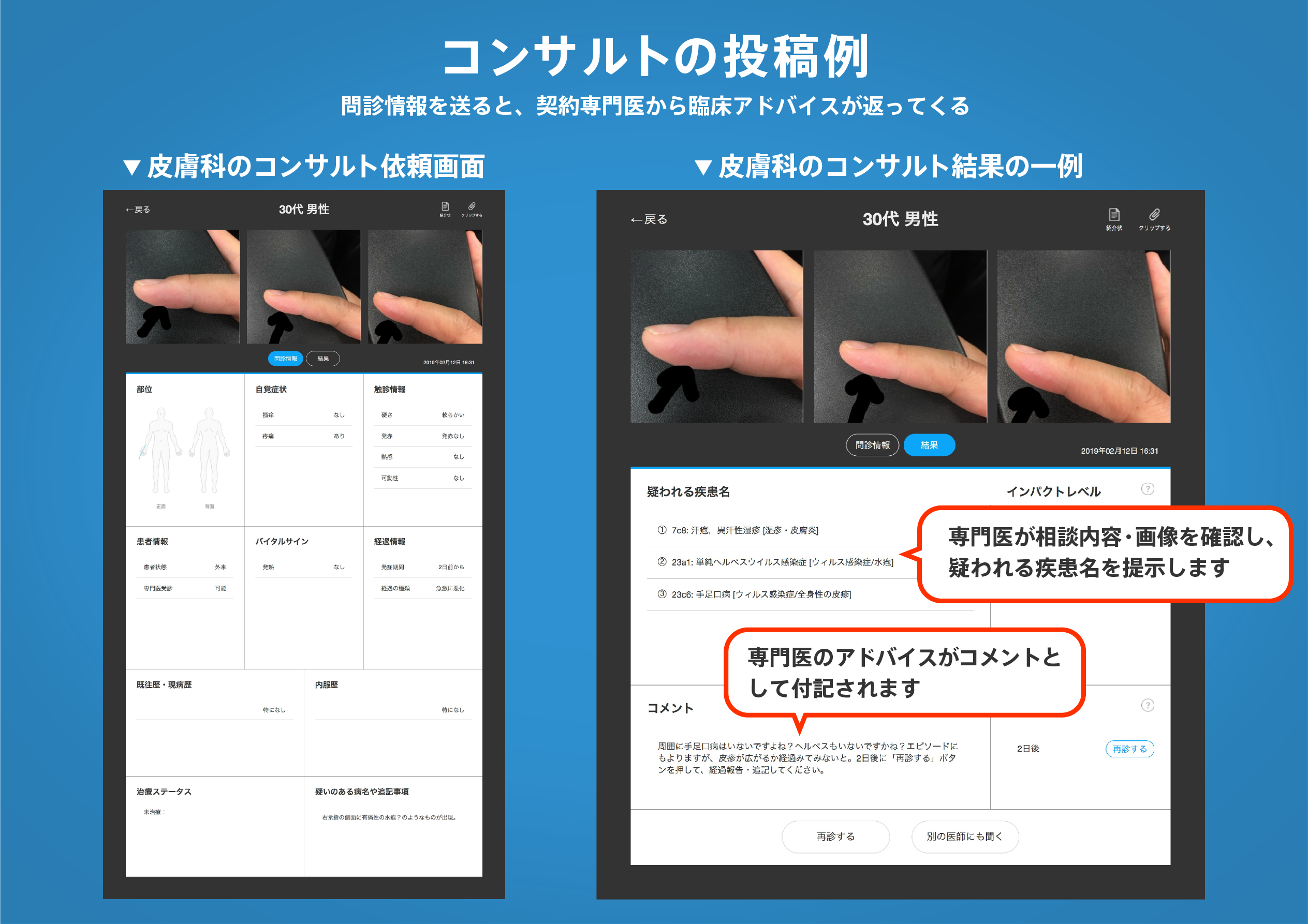

無料会員登録していただくと、さらに便利で効率的な検索が可能になります。