著名医師による解説が無料で読めます
すると翻訳の精度が向上します
ステロイドは、急性脊髄損傷の文脈で長い間使用されてきましたが、そうするための証拠は限られています。2回目の国家急性脊髄損傷研究試験は、プラセボ制御された前向き無作為化試験であったため、初めてそのような証拠を提供する可能性がありました。しかし、最初から、一部の臨床医は方法論を発見し、その結果、結果は不十分です。この懸念は、臨床研究の蓄積の重要な評価の証拠に基づいた枠組みの中で再検討されています。高用量のメチルプレドニゾロンは、現在の医療診療内の急性脊髄損傷の標準的な治療として正当化することはできません。
ステロイドは、急性脊髄損傷の文脈で長い間使用されてきましたが、そうするための証拠は限られています。2回目の国家急性脊髄損傷研究試験は、プラセボ制御された前向き無作為化試験であったため、初めてそのような証拠を提供する可能性がありました。しかし、最初から、一部の臨床医は方法論を発見し、その結果、結果は不十分です。この懸念は、臨床研究の蓄積の重要な評価の証拠に基づいた枠組みの中で再検討されています。高用量のメチルプレドニゾロンは、現在の医療診療内の急性脊髄損傷の標準的な治療として正当化することはできません。
Steroids have long been used in the context of acute spinal cord injury but the evidence for doing so is limited. The second National Acute Spinal Cord Injury Study trial had the potential to provide such evidence for the first time, as this was a placebo controlled, prospective, randomized trial. From the outset, however, some clinicians found the methodology and consequently the results unsatisfactory. This concern has been revisited within the evidence-based framework of critical appraisal of the accumulation of clinical studies. High-dose methylprednisolone cannot be justified as a standard treatment in acute spinal cord injury within current medical practice.
医師のための臨床サポートサービス
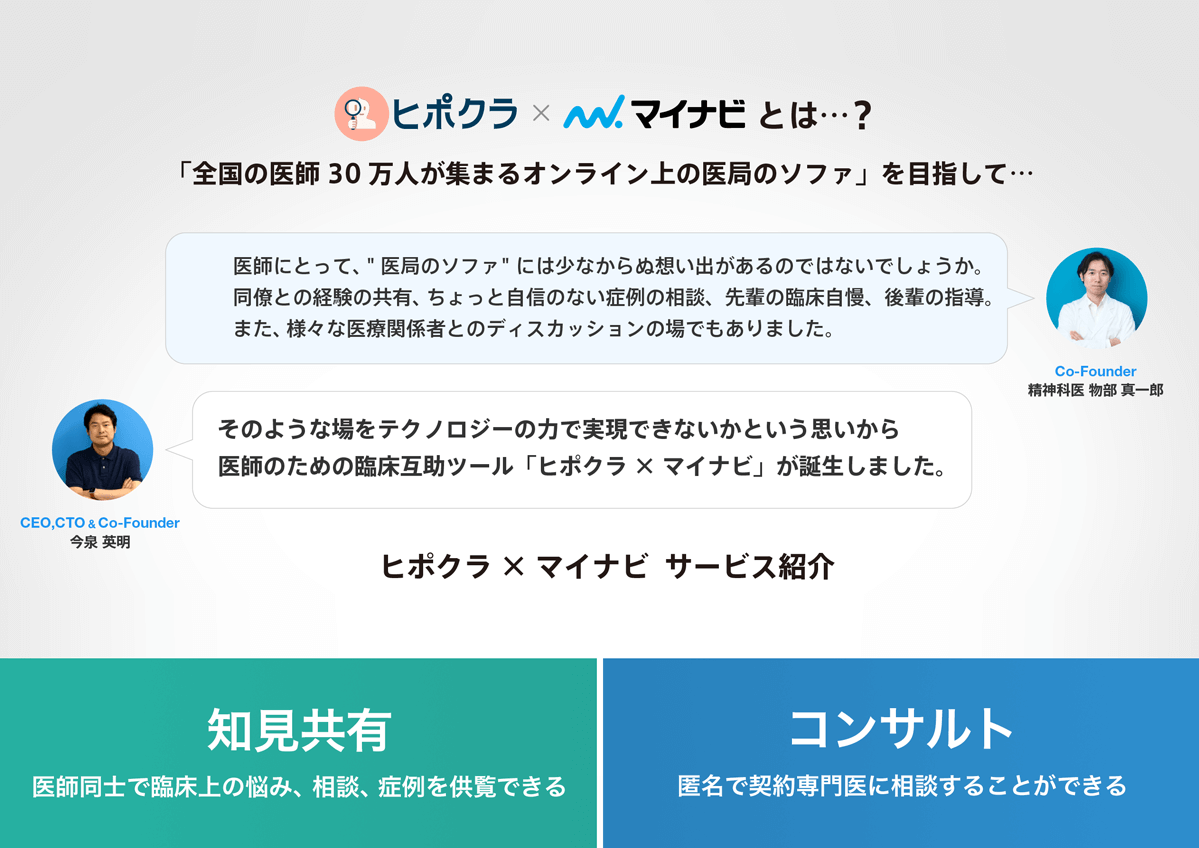
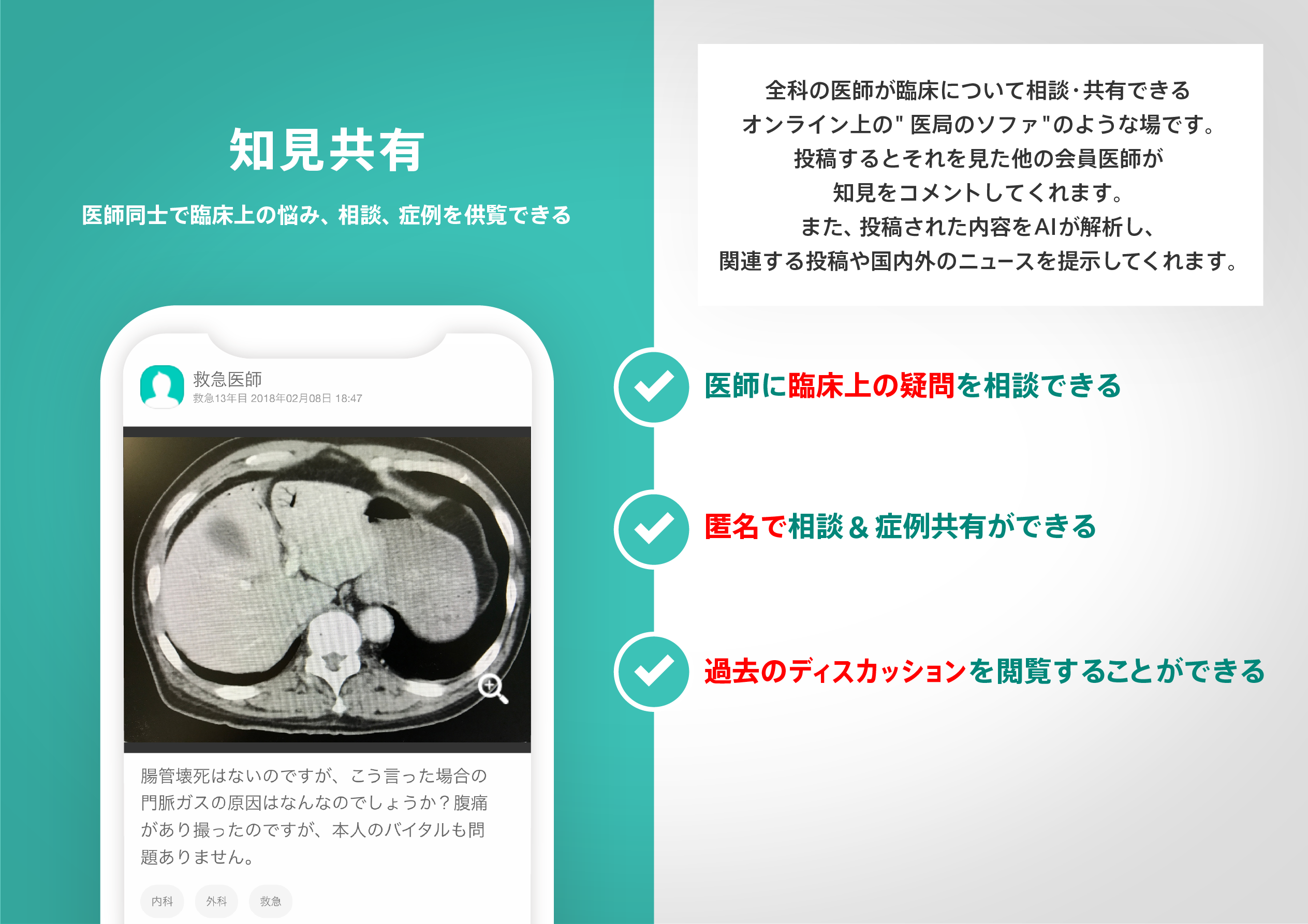
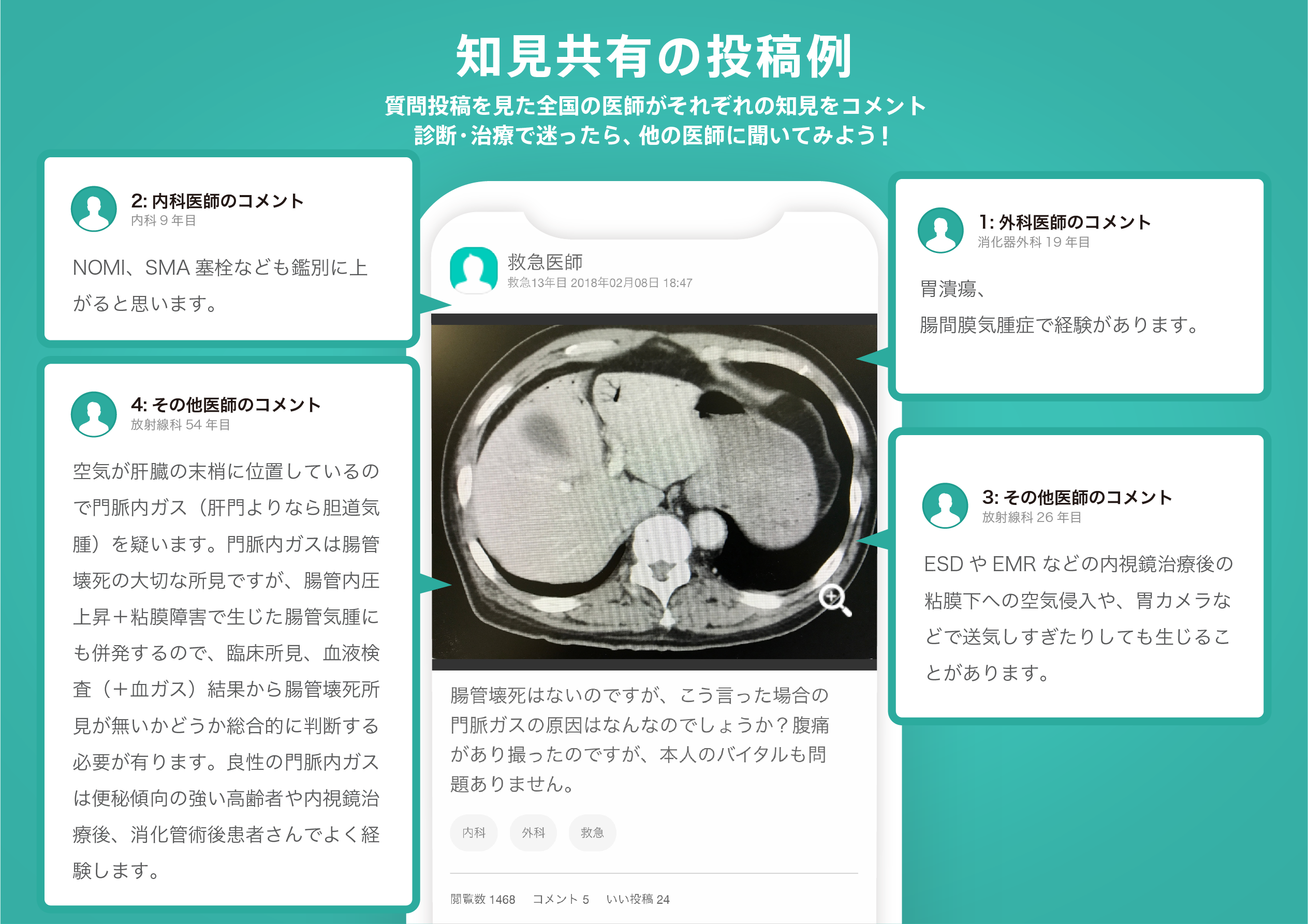
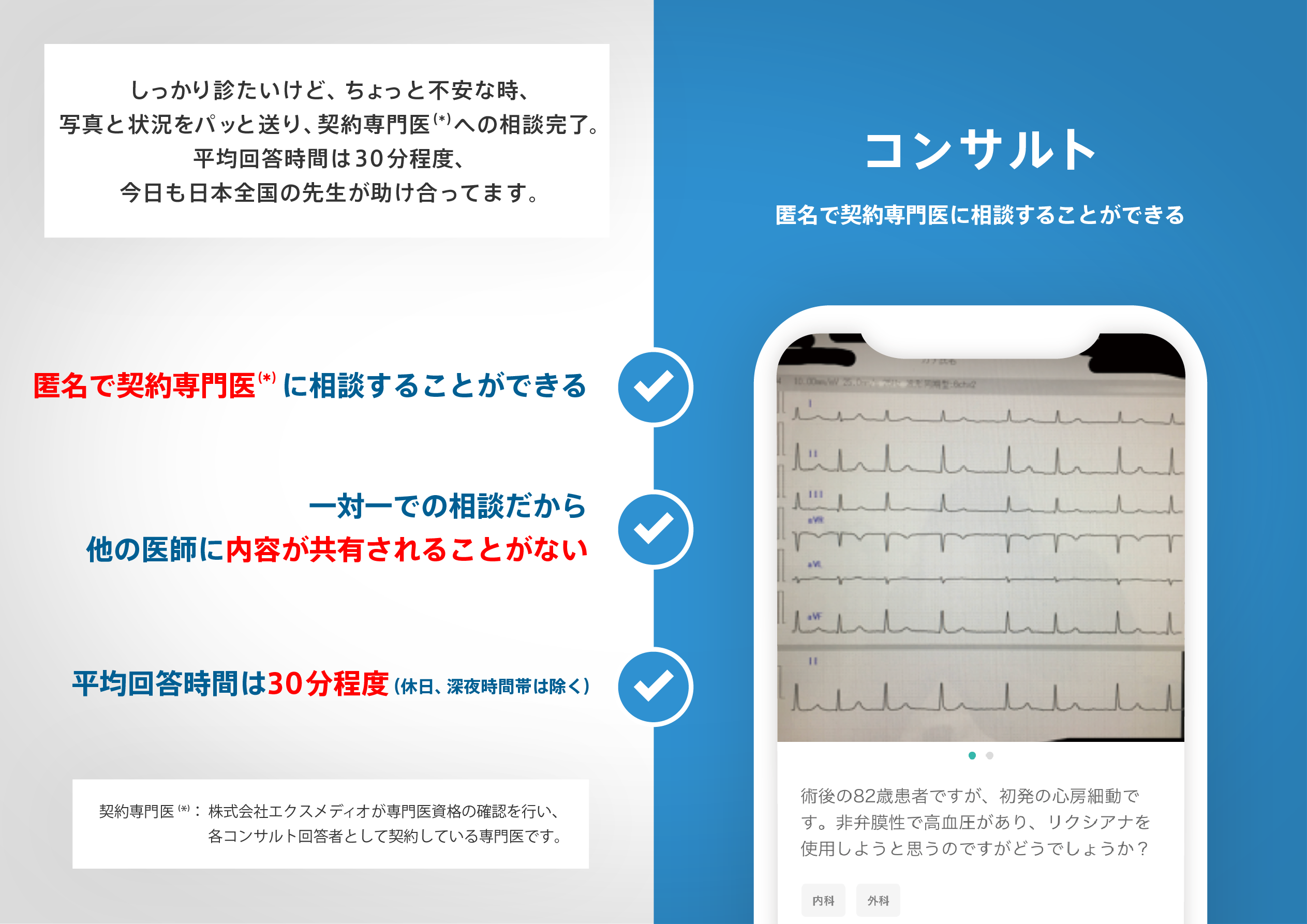
ヒポクラ x マイナビのご紹介

無料会員登録していただくと、さらに便利で効率的な検索が可能になります。