著名医師による解説が無料で読めます
すると翻訳の精度が向上します
重度の低体温(28度未満のコア温度)は、生命を脅かす状態であり、高い死亡率に関連する医学的緊急事態です。予後は、基礎となる疾患、高度または非常に幼い年齢、治療前の期間、血行動態の劣化の程度、特に積極的な外部または内部の回転を含む治療方法に依存します。これは、重度の偶発的な低体温(中核温度27度C)の80歳の女性患者のケーススタディです。彼女は、転倒した後、寒い床に動かない家で発見されました。患者は心循環崩壊を伴う深いcom睡状態にあり、彼女を治療する医療スタッフは彼女の故人を発音する傾向がありました。彼女が病院に到着すると、彼女は蘇生し、人工呼吸器を着用し、積極的に暖められました。糖尿病性ケトシドーシス(インスリン処理2型糖尿病に苦しんでいた)や非常に高い陰イオンギャップ(42)および過浸潤状態(血糖1202 mg/に伴う乳酸アシドーシス(血糖1202 mg/)で構成される顕著な代謝性アシドーシスなど、非常に重度の代謝障害が見つかりました。dl)。病的心電図の異常、オズボーンのj波、および長期にわたる再分極がありました。30 bpmの心室反応を伴うゆっくりとした心房細動に続いて、12 bpmの結節リズムと可逆的な心停止が記録されました。脈拍と血圧は手に取られませんでした。蘇生と血行動態と認知の改善の成功にもかかわらず、横紋筋溶解(CKP 6580 U/L)、腎不全および肝障害が発生しました。彼女は、ドーパミン、重炭酸塩、インスリン、抗生物質を含む静脈内液で抜管され、処理しました。彼女の病状は徐々に改善され、彼女は明確な心を排出し、非常によく機能し、独立していました。腎および肝臓の検査は、最終的に正常範囲に戻りました。進行性の徐脈、低血圧、および心室細動またはアジストールによる死亡は、重度の低体温症の間に一般的に発生します。呼吸器および代謝、時には乳酸、アシドーシス、無気力とcom睡、高ココ凝固障害、高浸透圧状態、急性膵炎および腎および肝臓の不足は、低体温の頻繁な合併症です。低体温の根本的な素因となる原因は、糖尿病性ケトアシドーシス、脳血管疾患、精神遅滞、甲状腺機能低下症、下垂体および副腎不全、栄養失調、急性アルコール依存症、肝臓損傷、低血糖、胸筋、胸骨筋障害、sepsis、sepsis dyspunctis and sepsed dysfuncis and polyphormacy sed sepsed funmacy、薬物。私たちの事件は、「暖かく死んで死んでいる人はいない」ため、CPRが再び回転するまで継続する必要があることをもう一度示しています。
重度の低体温(28度未満のコア温度)は、生命を脅かす状態であり、高い死亡率に関連する医学的緊急事態です。予後は、基礎となる疾患、高度または非常に幼い年齢、治療前の期間、血行動態の劣化の程度、特に積極的な外部または内部の回転を含む治療方法に依存します。これは、重度の偶発的な低体温(中核温度27度C)の80歳の女性患者のケーススタディです。彼女は、転倒した後、寒い床に動かない家で発見されました。患者は心循環崩壊を伴う深いcom睡状態にあり、彼女を治療する医療スタッフは彼女の故人を発音する傾向がありました。彼女が病院に到着すると、彼女は蘇生し、人工呼吸器を着用し、積極的に暖められました。糖尿病性ケトシドーシス(インスリン処理2型糖尿病に苦しんでいた)や非常に高い陰イオンギャップ(42)および過浸潤状態(血糖1202 mg/に伴う乳酸アシドーシス(血糖1202 mg/)で構成される顕著な代謝性アシドーシスなど、非常に重度の代謝障害が見つかりました。dl)。病的心電図の異常、オズボーンのj波、および長期にわたる再分極がありました。30 bpmの心室反応を伴うゆっくりとした心房細動に続いて、12 bpmの結節リズムと可逆的な心停止が記録されました。脈拍と血圧は手に取られませんでした。蘇生と血行動態と認知の改善の成功にもかかわらず、横紋筋溶解(CKP 6580 U/L)、腎不全および肝障害が発生しました。彼女は、ドーパミン、重炭酸塩、インスリン、抗生物質を含む静脈内液で抜管され、処理しました。彼女の病状は徐々に改善され、彼女は明確な心を排出し、非常によく機能し、独立していました。腎および肝臓の検査は、最終的に正常範囲に戻りました。進行性の徐脈、低血圧、および心室細動またはアジストールによる死亡は、重度の低体温症の間に一般的に発生します。呼吸器および代謝、時には乳酸、アシドーシス、無気力とcom睡、高ココ凝固障害、高浸透圧状態、急性膵炎および腎および肝臓の不足は、低体温の頻繁な合併症です。低体温の根本的な素因となる原因は、糖尿病性ケトアシドーシス、脳血管疾患、精神遅滞、甲状腺機能低下症、下垂体および副腎不全、栄養失調、急性アルコール依存症、肝臓損傷、低血糖、胸筋、胸骨筋障害、sepsis、sepsis dyspunctis and sepsed dysfuncis and polyphormacy sed sepsed funmacy、薬物。私たちの事件は、「暖かく死んで死んでいる人はいない」ため、CPRが再び回転するまで継続する必要があることをもう一度示しています。
Profound hypothermia (core temperature of less than 28 degrees C) is a life threatening state and a medical emergency associated with a high mortality rate. The prognosis depends on underlying diseases, advanced or very early age, the duration prior to treatment, the degree of hemodynamic deterioration, and especially, the methods of treatment, including active external or internal rewarming. This is a case study of an 80-year-old female patient with severe accidental hypothermia (core temperature 27 degrees C). She was found in her home lying immobile on the cold floor after a fall. The patient was in a profound coma with cardiocirculatory collapse, and the medical staff treating her was inclined to pronounce her deceased. On her arrival at the hospital, she was resuscitated, put on a respirator and actively warmed. Very severe metabolic disorders were found, including a marked metabolic acidosis composed of diabetic ketoacidosis (she had suffered from insulin treated type 2 diabetes mellitus) and lactic acidosis with a very high anion gap (42) and a hyperosmotic state (blood glucose 1202 mg/dl). There were pathognomonic electrocardiographic abnormalities, J-wave of Osborn and prolonged repolarization. Slow atrial fibrillation with a ventricular response of 30 bpm followed by a nodal rhythm of 12 bpm and reversible cardiac arrest were recorded. The pulse and blood pressure were unobtainable. Despite the successful resuscitation and hemodynamic and cognitive improvement, rhabdomyolysis (CKP 6580 u/L), renal failure and hepatic damage developed. She was extubated and treated with intravenous fluids containing dopamine, bicarbonate, insulin and antibiotics. Her medical condition gradually improved, and she was discharged clear minded, functioning very well and independent. Renal and liver tests returned eventually to normal limits. Progressive bradycardia, hypotension and death due to ventricular fibrillation or asystole commonly occur during severe hypothermia. Respiratory and metabolic, sometimes lactic, acidosis, lethargy and coma, hypercoagulopathy, hyperosmolar state, acute pancreatitis and renal and hepatic failure are frequent complications of hypothermia. Underlying predisposing causes of hypothermia are diabetic ketoacidosis, cerebrovascular disease, mental retardation, hypothyroidism, pituitary and adrenal insufficiency, malnutrition, acute alcoholism, liver damage, hypoglycemia, sepsis, hypothalamic dysfunction, sepsis and polypharmacy, and especially, the use of sedative and narcotic drugs. Our case demonstrates once again that CPR once begun should continue until the successful rewarming because "no one is dead until warm and dead".
医師のための臨床サポートサービス
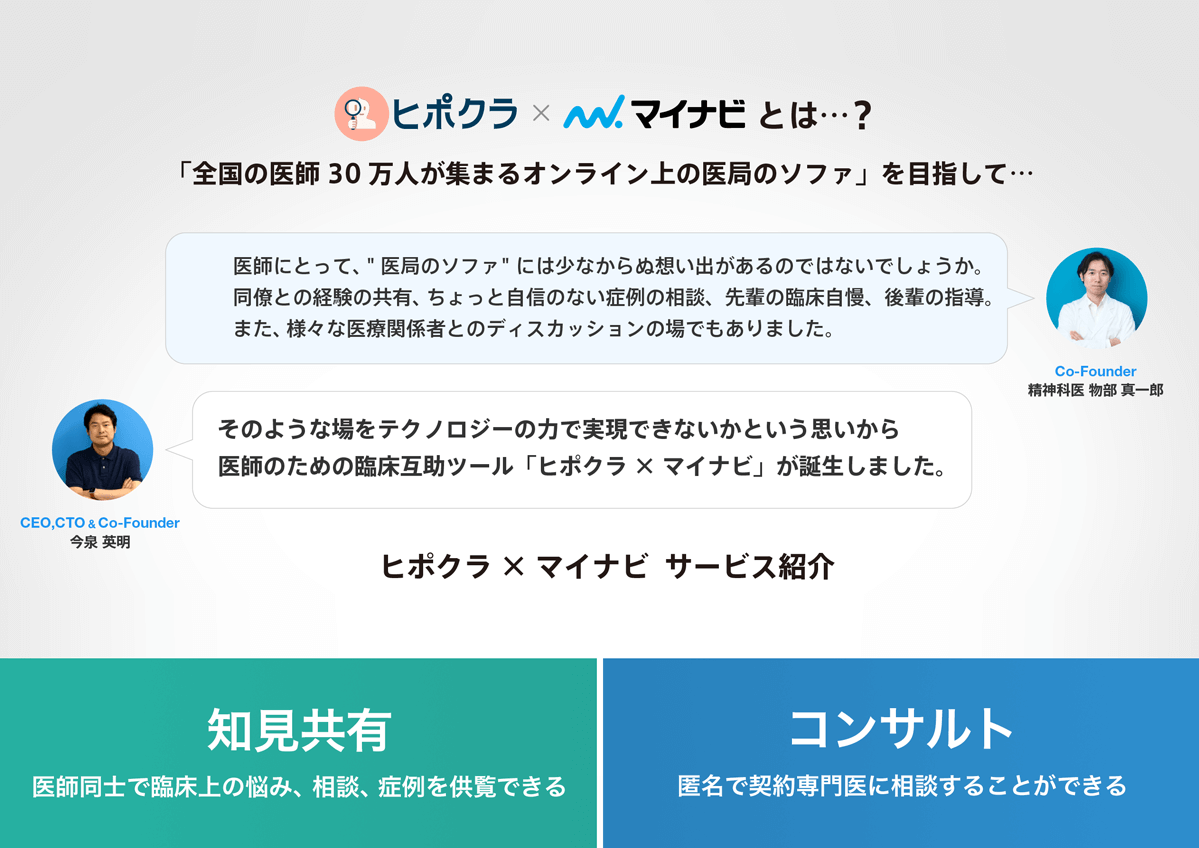
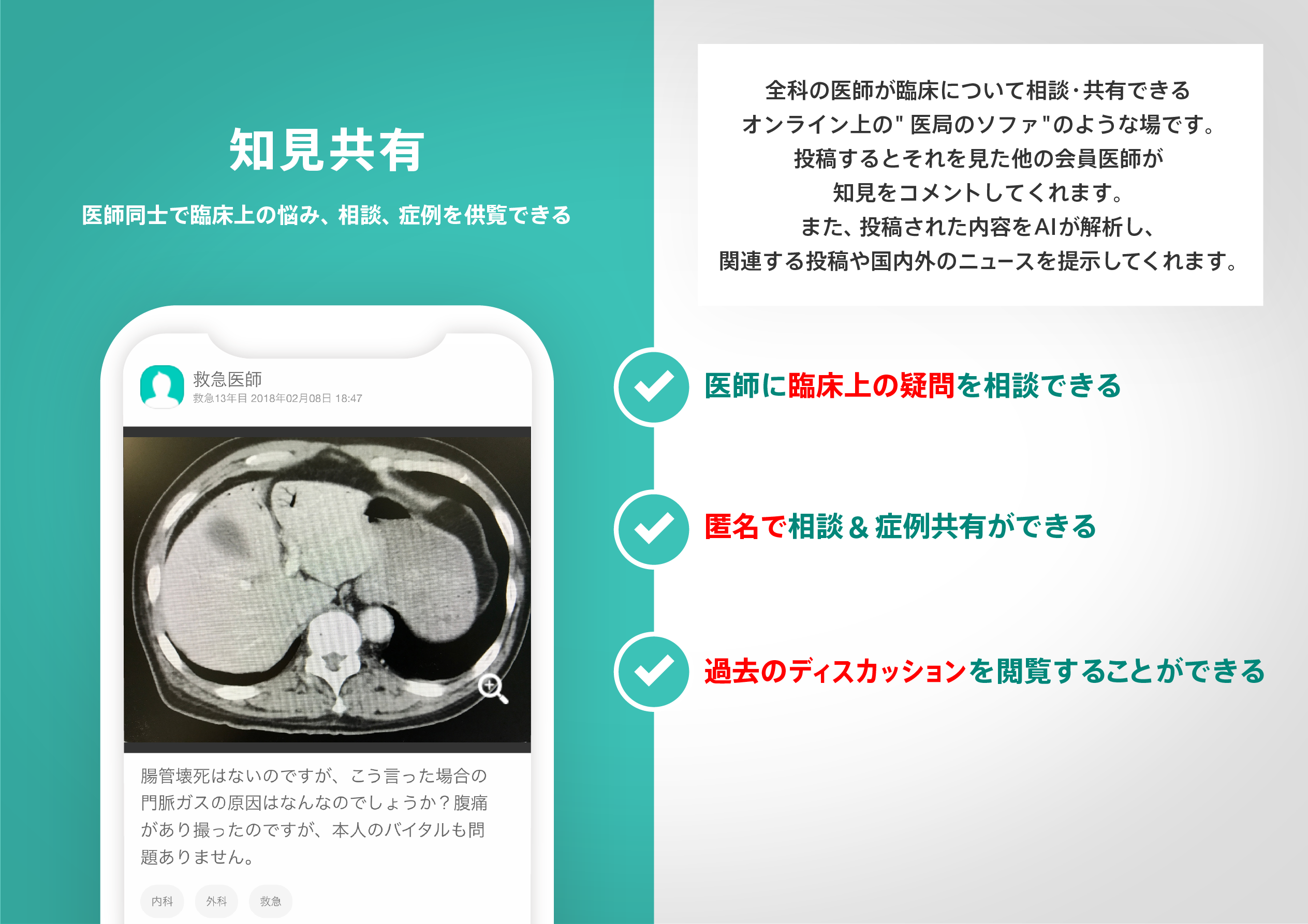
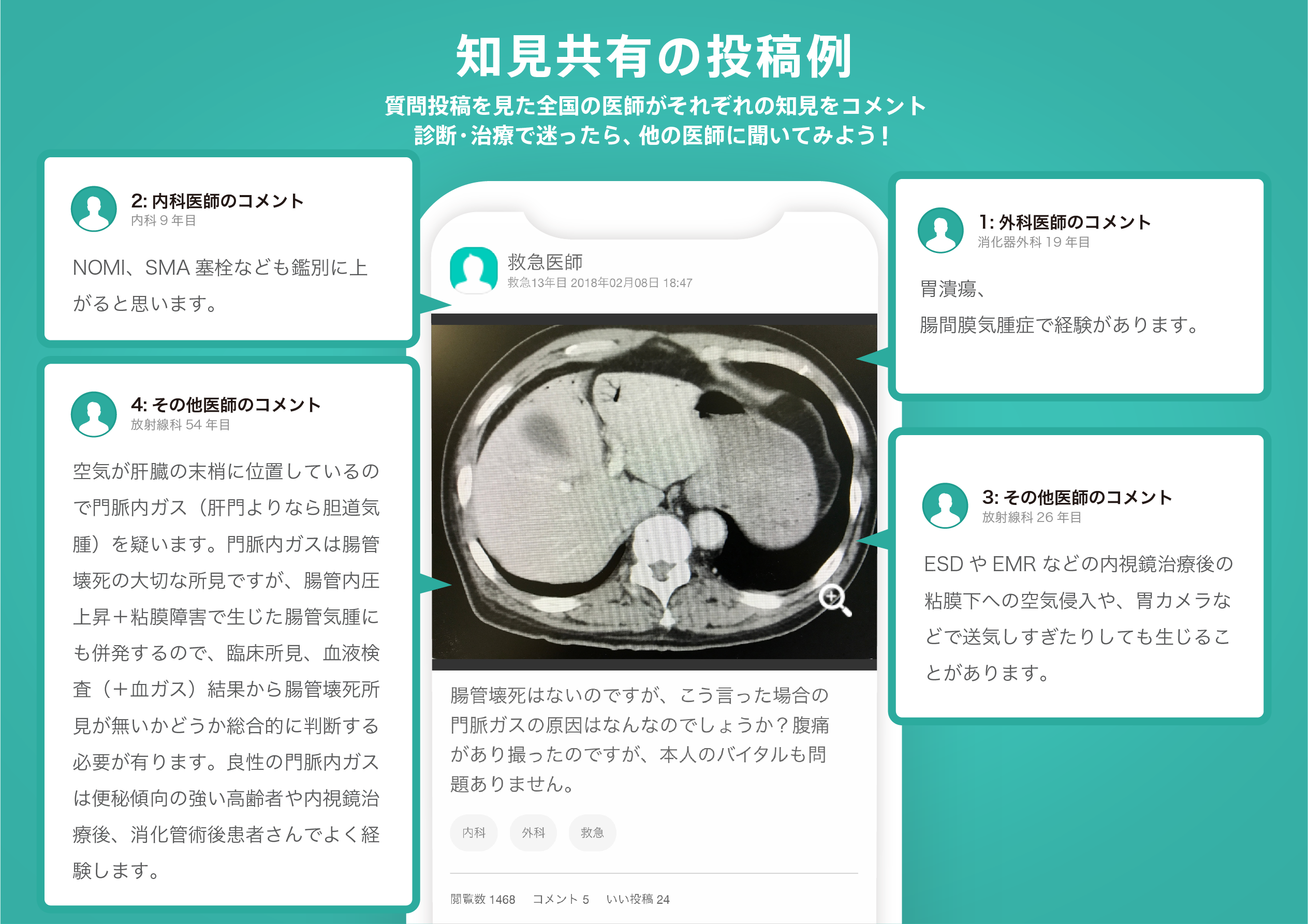
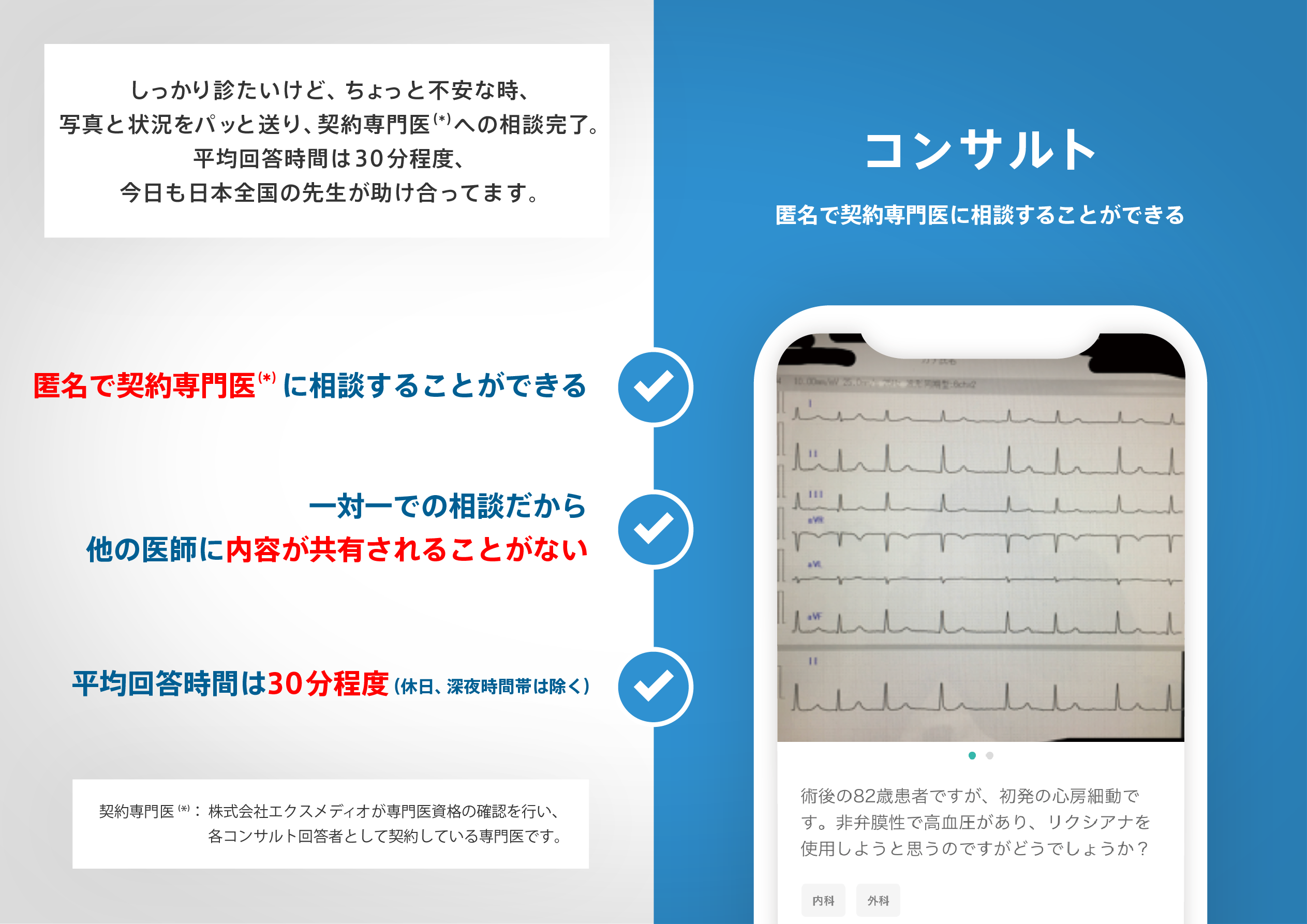
ヒポクラ x マイナビのご紹介

無料会員登録していただくと、さらに便利で効率的な検索が可能になります。