著名医師による解説が無料で読めます
すると翻訳の精度が向上します
目的:統合失調症の臨床的特徴は精神病です。この概要の目的は、神経生物学(脳)、現象学的経験(心)、および精神病中の精神病の薬理学的側面を単一の枠組みにリンクすることです。 方法:精神病と統合失調症の神経生物学と現象学、ドーパミンの役割、および抗精神病薬の作用メカニズムに関する現在のアイデアを統合して、このフレームワークを開発しました。 結果:ドーパミンの中心的な役割は、環境イベントと内部表現の「顕著性」を仲介することです。「脳」レベルの説明と分析で、調節不全のハイパードーパミン作動性状態は、「心」レベルでの経験の要素に対する顕著性の異常な割り当てにつながることが提案されています。妄想は、これらの異常な顕著な経験を理解するための患者による認知的努力ですが、幻覚は内的表現の異常な顕著性の直接的な経験を反映しています。抗精神病薬は、これらの異常な経験の「顕著性を抑えます」。そうすることにより、症状の解決を許可します。抗精神病薬は症状を消すのではなく、心理的解決のプロセスのためのプラットフォームを提供します。しかし、抗精神病薬治療が停止すると、調節不全の神経化学が戻り、休眠状態のアイデアと経験が異常な顕著性で再投資され、再発が起こります。 結論:この記事は、精神病の心理的および生物学的なものをリンクするためのヒューリスティックな枠組みを提供します。この仮説の予測、特に心理療法と薬理学的療法の相乗効果の可能性に関する予測が提示されています。著者は、仮説が精神病に関する他のアイデアをどのように補完するかを説明し、その限界についても議論します。
目的:統合失調症の臨床的特徴は精神病です。この概要の目的は、神経生物学(脳)、現象学的経験(心)、および精神病中の精神病の薬理学的側面を単一の枠組みにリンクすることです。 方法:精神病と統合失調症の神経生物学と現象学、ドーパミンの役割、および抗精神病薬の作用メカニズムに関する現在のアイデアを統合して、このフレームワークを開発しました。 結果:ドーパミンの中心的な役割は、環境イベントと内部表現の「顕著性」を仲介することです。「脳」レベルの説明と分析で、調節不全のハイパードーパミン作動性状態は、「心」レベルでの経験の要素に対する顕著性の異常な割り当てにつながることが提案されています。妄想は、これらの異常な顕著な経験を理解するための患者による認知的努力ですが、幻覚は内的表現の異常な顕著性の直接的な経験を反映しています。抗精神病薬は、これらの異常な経験の「顕著性を抑えます」。そうすることにより、症状の解決を許可します。抗精神病薬は症状を消すのではなく、心理的解決のプロセスのためのプラットフォームを提供します。しかし、抗精神病薬治療が停止すると、調節不全の神経化学が戻り、休眠状態のアイデアと経験が異常な顕著性で再投資され、再発が起こります。 結論:この記事は、精神病の心理的および生物学的なものをリンクするためのヒューリスティックな枠組みを提供します。この仮説の予測、特に心理療法と薬理学的療法の相乗効果の可能性に関する予測が提示されています。著者は、仮説が精神病に関する他のアイデアをどのように補完するかを説明し、その限界についても議論します。
OBJECTIVE: The clinical hallmark of schizophrenia is psychosis. The objective of this overview is to link the neurobiology (brain), the phenomenological experience (mind), and pharmacological aspects of psychosis-in-schizophrenia into a unitary framework. METHOD: Current ideas regarding the neurobiology and phenomenology of psychosis and schizophrenia, the role of dopamine, and the mechanism of action of antipsychotic medication were integrated to develop this framework. RESULTS: A central role of dopamine is to mediate the "salience" of environmental events and internal representations. It is proposed that a dysregulated, hyperdopaminergic state, at a "brain" level of description and analysis, leads to an aberrant assignment of salience to the elements of one's experience, at a "mind" level. Delusions are a cognitive effort by the patient to make sense of these aberrantly salient experiences, whereas hallucinations reflect a direct experience of the aberrant salience of internal representations. Antipsychotics "dampen the salience" of these abnormal experiences and by doing so permit the resolution of symptoms. The antipsychotics do not erase the symptoms but provide the platform for a process of psychological resolution. However, if antipsychotic treatment is stopped, the dysregulated neurochemistry returns, the dormant ideas and experiences become reinvested with aberrant salience, and a relapse occurs. CONCLUSIONS: The article provides a heuristic framework for linking the psychological and biological in psychosis. Predictions of this hypothesis, particularly regarding the possibility of synergy between psychological and pharmacological therapies, are presented. The author describes how the hypothesis is complementary to other ideas about psychosis and also discusses its limitations.
医師のための臨床サポートサービス
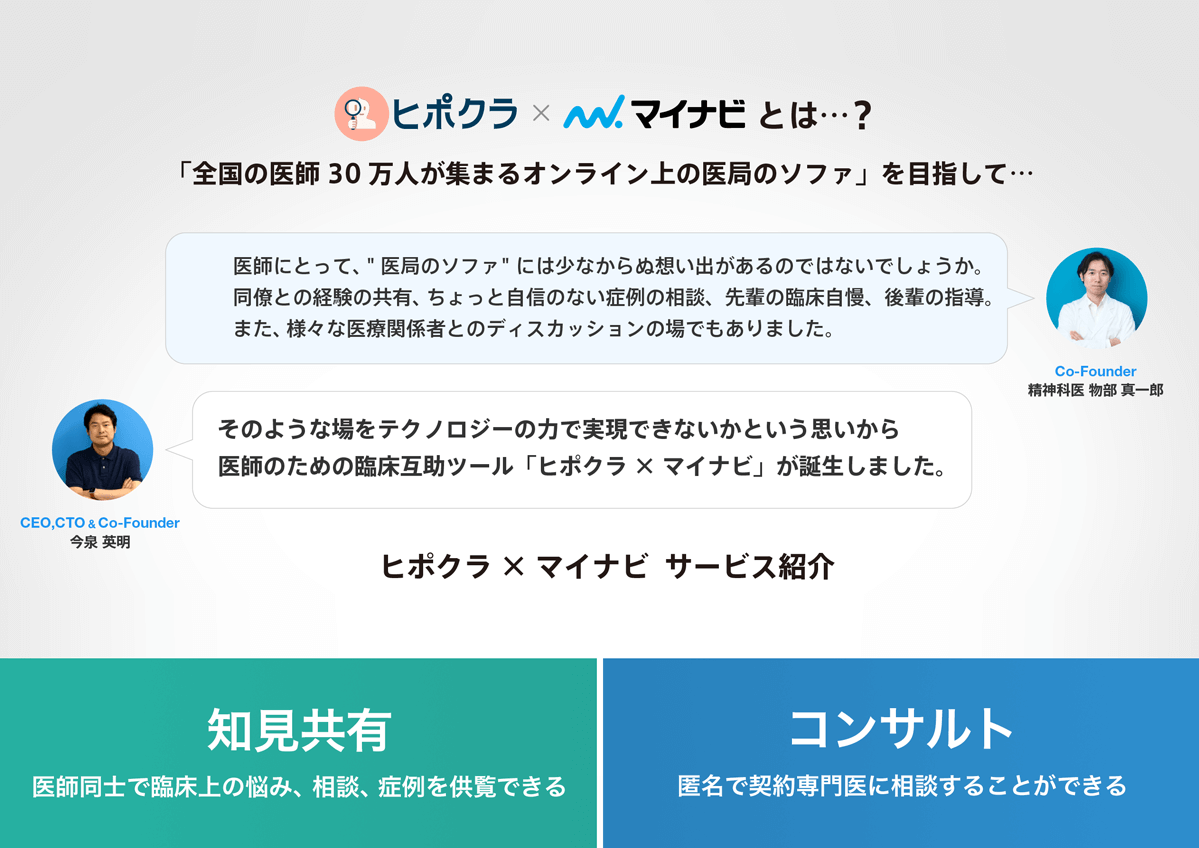
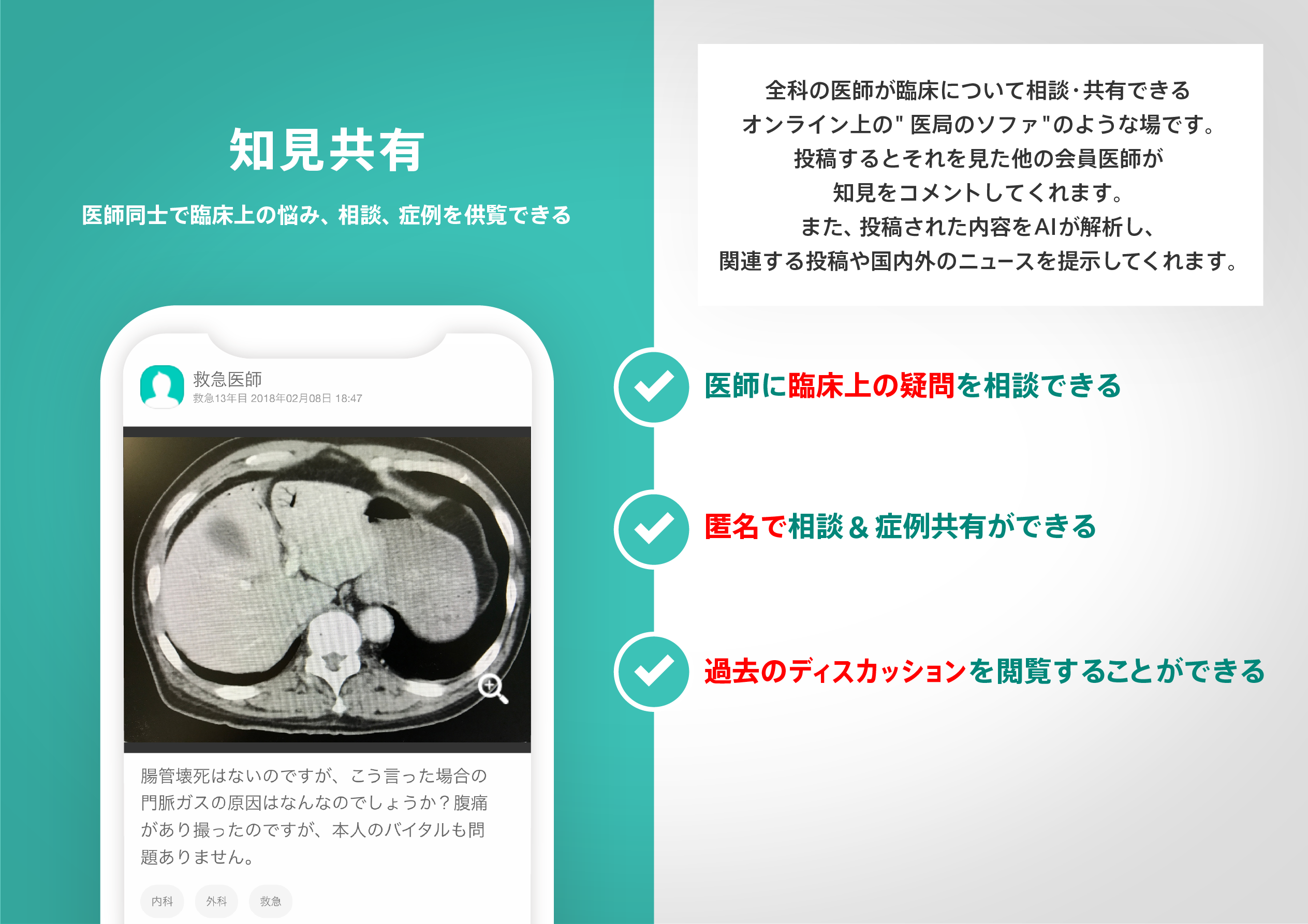
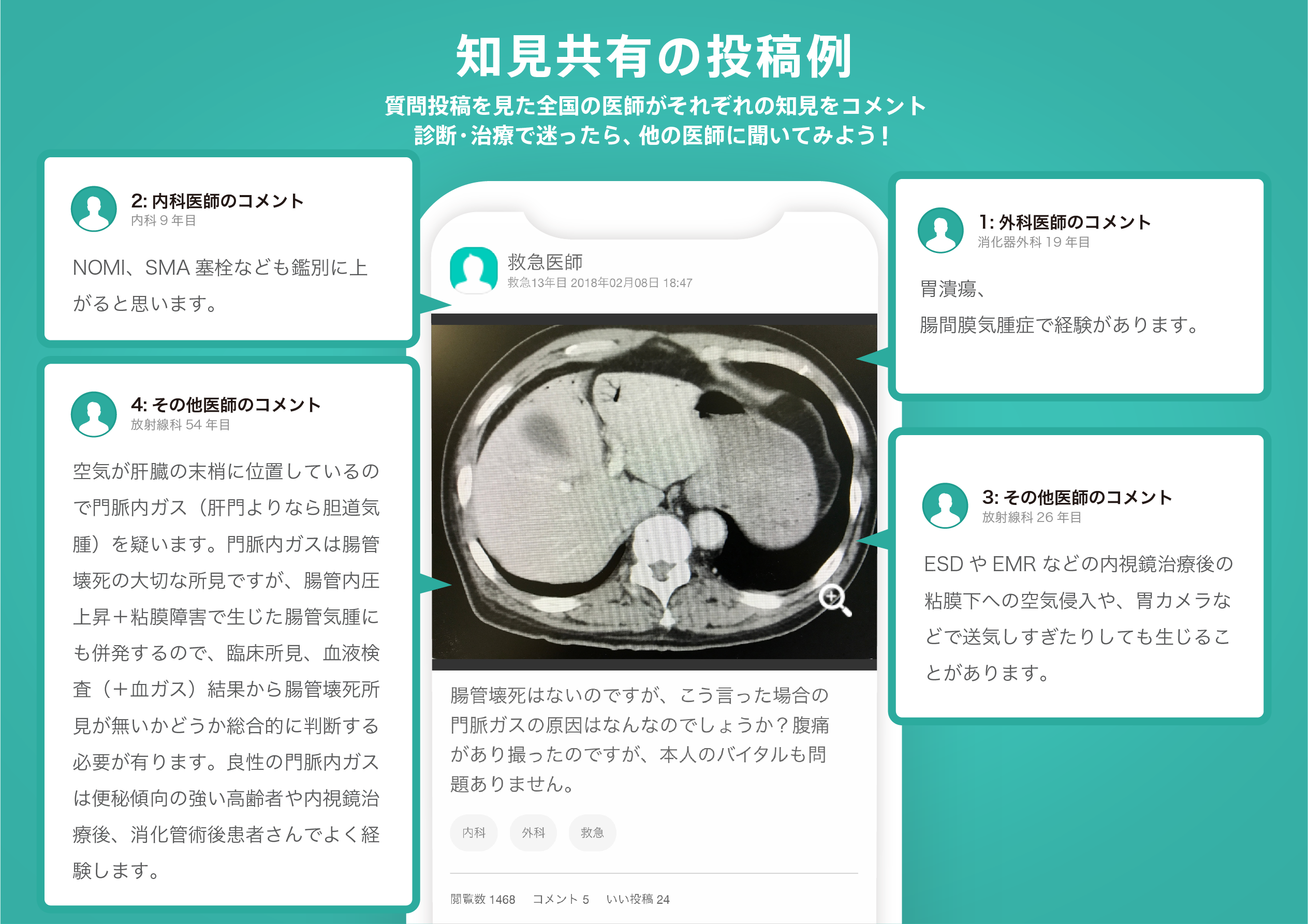
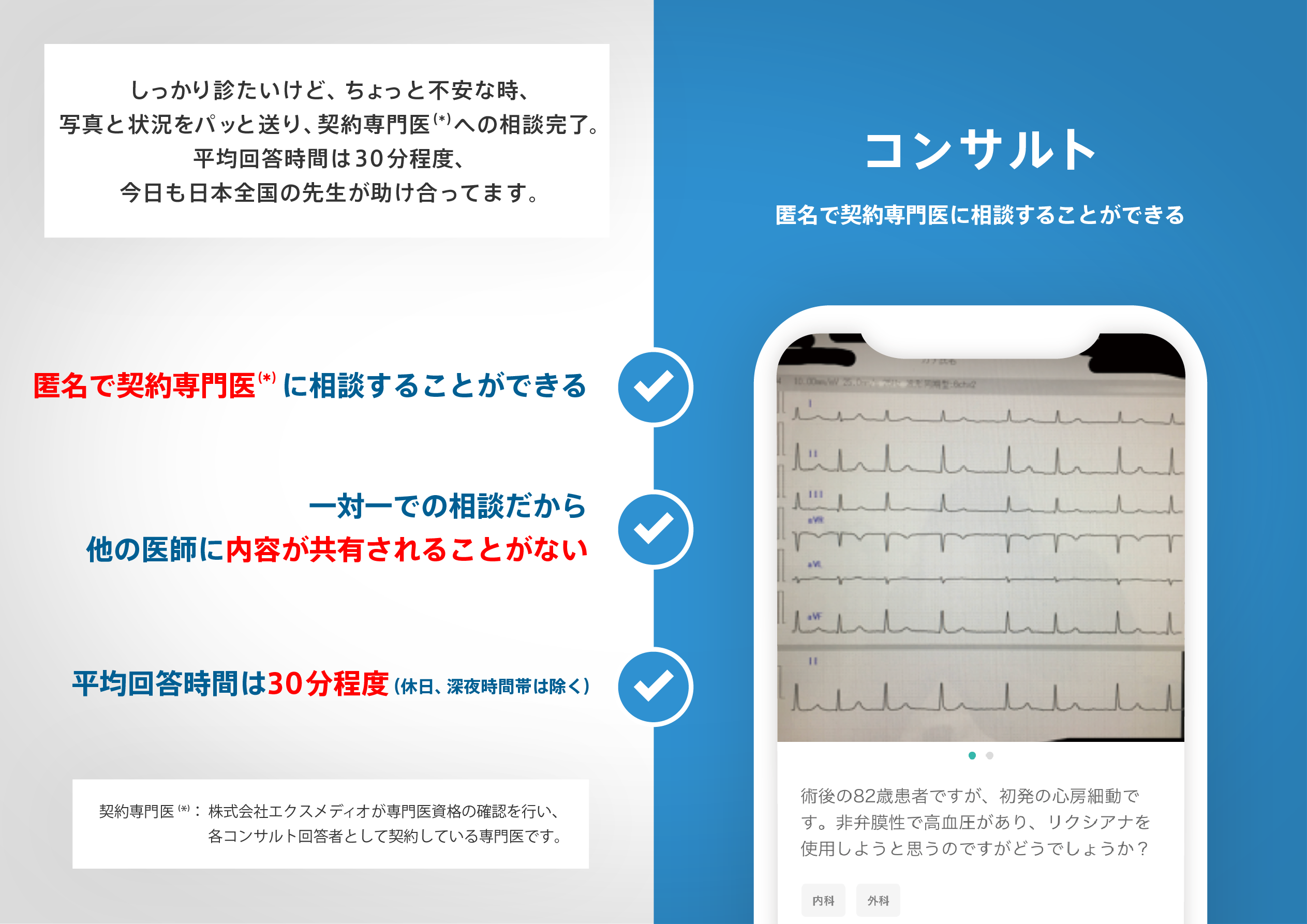
ヒポクラ x マイナビのご紹介

無料会員登録していただくと、さらに便利で効率的な検索が可能になります。