著名医師による解説が無料で読めます
すると翻訳の精度が向上します
市販されている 13 種類の赤色吸収蛍光色素の分光特性 (吸収、発光、蛍光寿命) をさまざまな条件下で研究しました。この研究に含まれる色素は、Alexa647、ATTO655、ATTO680、Bodipy630/650、Cy5、Cy5.5、DiD、DY-630、DY-635、DY-640、DY-650、DY-655、および EVOblue30 です。このクラスの色素の徹底的な特性評価により、蛍光アッセイでの用途に適した赤色吸収蛍光標識の選択が容易になります。極性、粘度、界面活性剤 (Tween20) の添加が分光特性に及ぼす影響を調査し、蛍光相関分光法 (FCS) を利用して高励起条件下での色素の光物理特性を評価しました。提示された結果に基づいて、染料をグループに分類できます。たとえば、ATTO655、ATTO680、および EVOblue30 の蛍光量子収率は主に周囲の媒体の極性によって制御されますが、DY ファミリーのより疎水性で構造的に柔軟な色素は媒体の粘度や界面活性剤の添加によって強く影響されます。色素とビオチンの共有結合とその後のストレプトアビジンの添加により、可逆的な蛍光消光や、一部の色素の他の光物理学的プロセスの緩和時間の変化が生じます。これは、おそらくストレプトビン結合部位のトリプトファン残基との相互作用によるものです。
市販されている 13 種類の赤色吸収蛍光色素の分光特性 (吸収、発光、蛍光寿命) をさまざまな条件下で研究しました。この研究に含まれる色素は、Alexa647、ATTO655、ATTO680、Bodipy630/650、Cy5、Cy5.5、DiD、DY-630、DY-635、DY-640、DY-650、DY-655、および EVOblue30 です。このクラスの色素の徹底的な特性評価により、蛍光アッセイでの用途に適した赤色吸収蛍光標識の選択が容易になります。極性、粘度、界面活性剤 (Tween20) の添加が分光特性に及ぼす影響を調査し、蛍光相関分光法 (FCS) を利用して高励起条件下での色素の光物理特性を評価しました。提示された結果に基づいて、染料をグループに分類できます。たとえば、ATTO655、ATTO680、および EVOblue30 の蛍光量子収率は主に周囲の媒体の極性によって制御されますが、DY ファミリーのより疎水性で構造的に柔軟な色素は媒体の粘度や界面活性剤の添加によって強く影響されます。色素とビオチンの共有結合とその後のストレプトアビジンの添加により、可逆的な蛍光消光や、一部の色素の他の光物理学的プロセスの緩和時間の変化が生じます。これは、おそらくストレプトビン結合部位のトリプトファン残基との相互作用によるものです。
The spectroscopic characteristics (absorption, emission, and fluorescence lifetime) of 13 commercially available red-absorbing fluorescent dyes were studied under a variety of conditions. The dyes included in this study are Alexa647, ATTO655, ATTO680, Bodipy630/650, Cy5, Cy5.5, DiD, DY-630, DY-635, DY-640, DY-650, DY-655, and EVOblue30. The thorough characterization of this class of dyes will facilitate selection of the appropriate red-absorbing fluorescent labels for applications in fluorescence assays. The influences of polarity, viscosity, and the addition of detergent (Tween20) on the spectroscopic properties were investigated, and fluorescence correlation spectroscopy (FCS) was utilized to assess the photophysical properties of the dyes under high excitation conditions. The dyes can be classified into groups based on the results presented. For example, while the fluorescence quantum yield of ATTO655, ATTO680, and EVOblue30 is primarily controlled by the polarity of the surrounding medium, more hydrophobic and structurally flexible dyes of the DY-family are strongly influenced by the viscosity of the medium and the addition of detergents. Covalent binding of the dyes to biotin and subsequent addition of streptavidin results in reversible fluorescence quenching or changes in the relaxation time of other photophysical processes of some dyes, most likely due to interactions with tryptophan residues in the streptavin binding site.
医師のための臨床サポートサービス
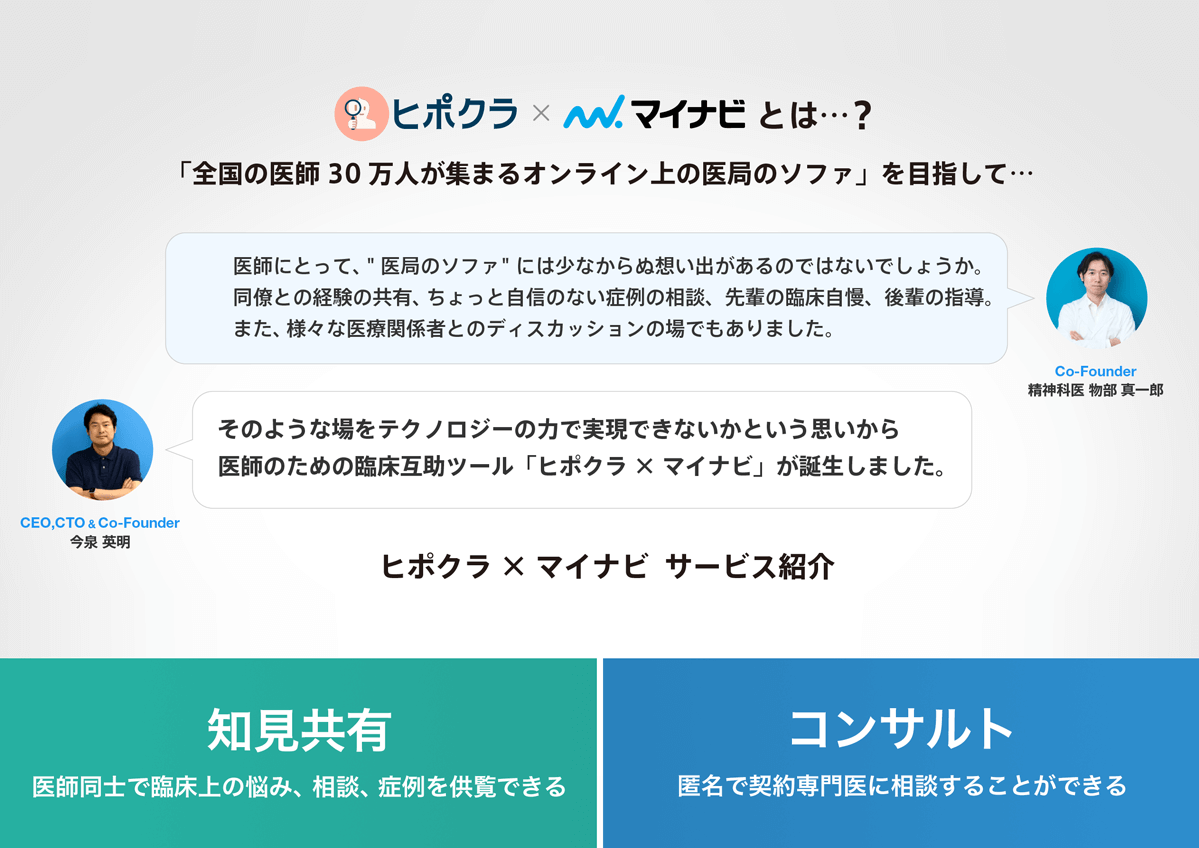
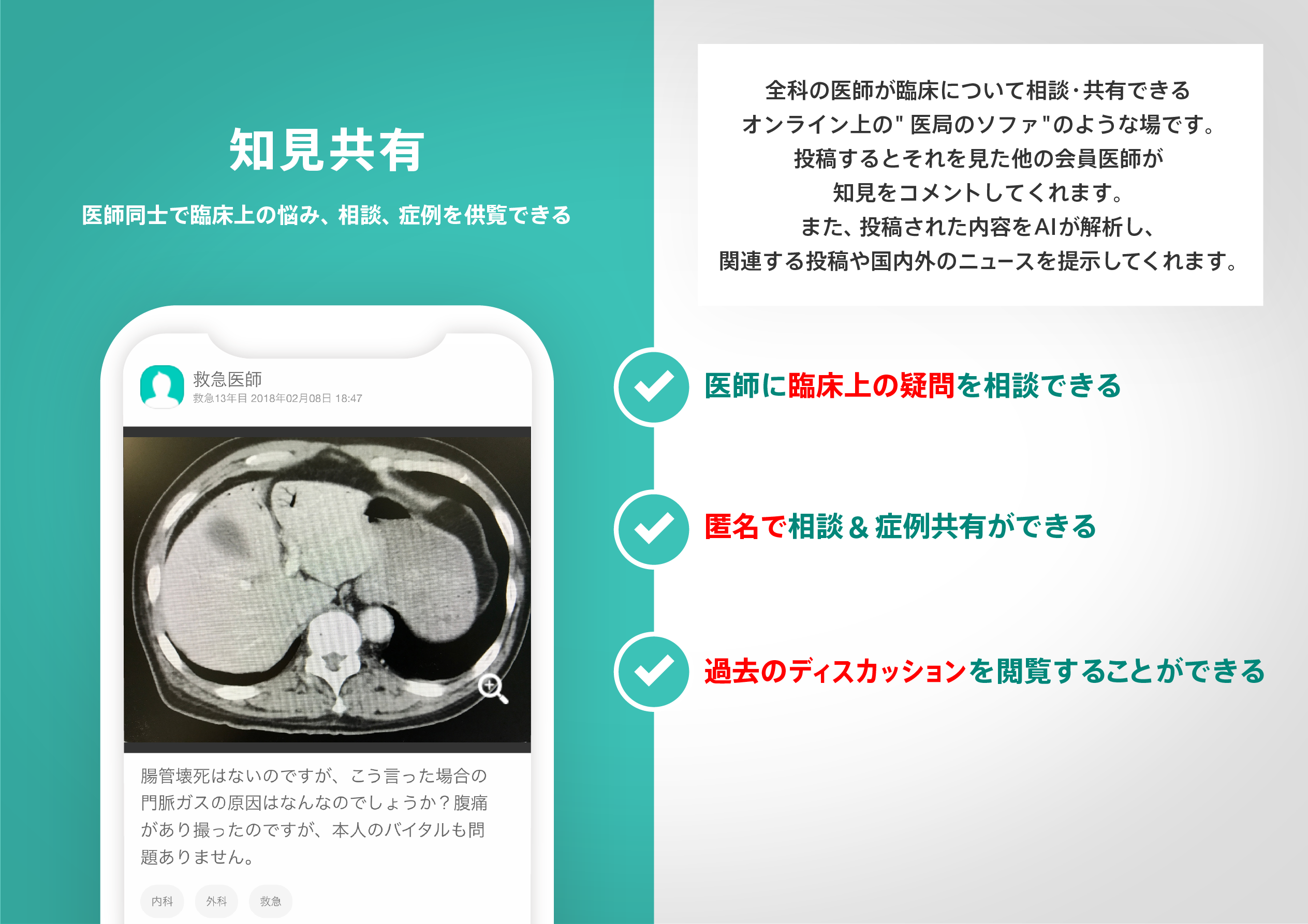
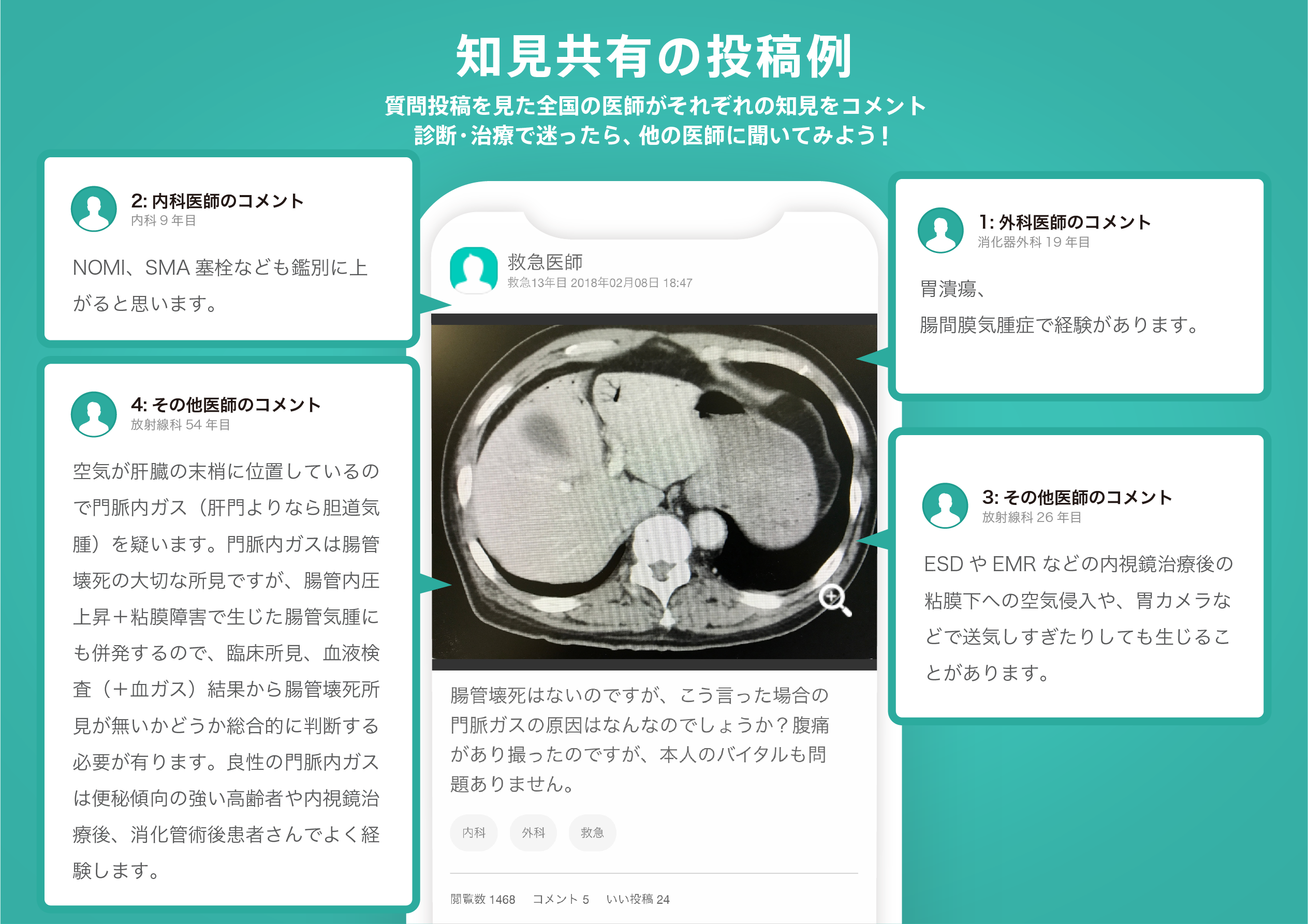
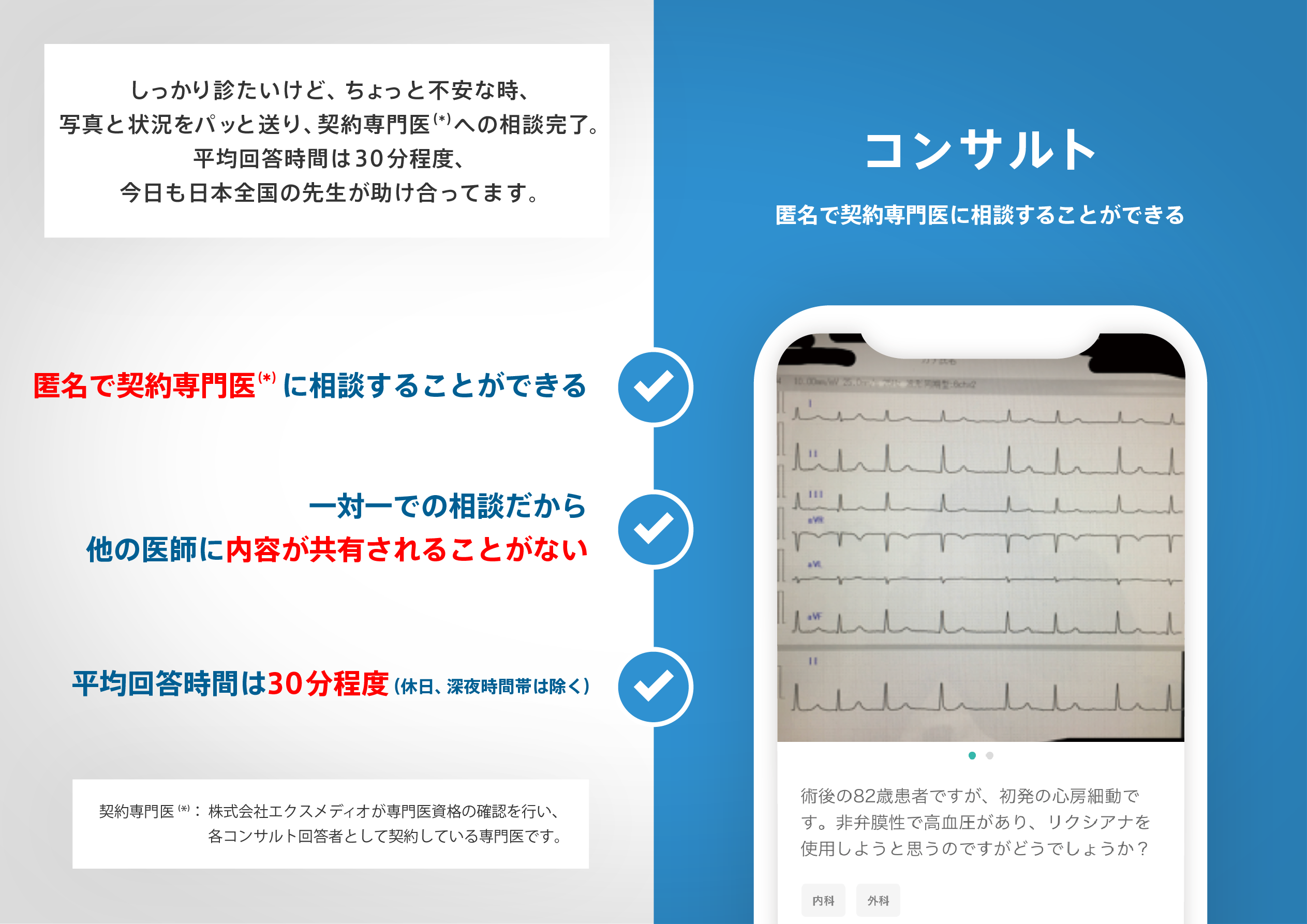
ヒポクラ x マイナビのご紹介

無料会員登録していただくと、さらに便利で効率的な検索が可能になります。