著名医師による解説が無料で読めます
すると翻訳の精度が向上します
閉経後ホルモン補充療法(HRT)の導入から、HRTが乳がんのリスクを高める可能性があるという大きな懸念がありました。内因性のエストロゲンへの長時間の曝露は、間違いなく乳がんのリスクを高めます。重要であり、これまで部分的に答えた質問は、次のものです。エストロゲン腫瘍促進剤は、有糸分裂を誘発するため、増殖につながり、したがって、臨床的に存在する既存の腫瘍の成長を促進しますか?これに加えて、それらは遺伝毒性変異原性発がん物質ですか、それとも絶え間ないDNA複製損傷メカニズムの蓄積によって腫瘍を開始できますか?意見は、プロゲストゲンの追加の影響に関して異なります。プロゲステロン受容体PR-AまたはPR-Bとの親和性が異なり、微分遺伝子調節を介して異なる生理学的機能を持つ可能性のあるさまざまなプロゲストゲンがあります。エストロゲン誘発性細胞有糸分裂活性に対するプロゲストゲンの作用は、相乗的または拮抗的である可能性があります(異なる経路:エストロゲン受容体のダウンレギュレーション、乳房内の代謝経路の活性化またはアポトーシスの刺激)?60を超える観察研究と2つのランダム化試験では、リスクの小規模だが有意な増加が、現在の閉経後ホルモンの使用で現れるという証拠が提供されます。プロゲストゲンの追加は、エストロゲンだけで見られるようにリスクを減少させず、リスクをさらに増加させる可能性があります。連続的に組み合わされたHRTと連続的に結合されたリスクに違いがあるかどうかは明らかではありません。それにもかかわらず、多くの質問が残っています。リスクは無駄のない女性のみに限定されていますか?アルコール使用や乳がんの陽性の家族歴などのリスク変化因子はどうですか?HRTで検出された腫瘍は攻撃的ではなく、予後が良くあり、罹患率がある間、死亡率は増加しませんか?また、HRTは、乳がんの家族歴が陽性の女性や、乳がんの治療を受けた女性には禁忌ですか?そして最後に、これらの女性に代替オプションはありますか?
閉経後ホルモン補充療法(HRT)の導入から、HRTが乳がんのリスクを高める可能性があるという大きな懸念がありました。内因性のエストロゲンへの長時間の曝露は、間違いなく乳がんのリスクを高めます。重要であり、これまで部分的に答えた質問は、次のものです。エストロゲン腫瘍促進剤は、有糸分裂を誘発するため、増殖につながり、したがって、臨床的に存在する既存の腫瘍の成長を促進しますか?これに加えて、それらは遺伝毒性変異原性発がん物質ですか、それとも絶え間ないDNA複製損傷メカニズムの蓄積によって腫瘍を開始できますか?意見は、プロゲストゲンの追加の影響に関して異なります。プロゲステロン受容体PR-AまたはPR-Bとの親和性が異なり、微分遺伝子調節を介して異なる生理学的機能を持つ可能性のあるさまざまなプロゲストゲンがあります。エストロゲン誘発性細胞有糸分裂活性に対するプロゲストゲンの作用は、相乗的または拮抗的である可能性があります(異なる経路:エストロゲン受容体のダウンレギュレーション、乳房内の代謝経路の活性化またはアポトーシスの刺激)?60を超える観察研究と2つのランダム化試験では、リスクの小規模だが有意な増加が、現在の閉経後ホルモンの使用で現れるという証拠が提供されます。プロゲストゲンの追加は、エストロゲンだけで見られるようにリスクを減少させず、リスクをさらに増加させる可能性があります。連続的に組み合わされたHRTと連続的に結合されたリスクに違いがあるかどうかは明らかではありません。それにもかかわらず、多くの質問が残っています。リスクは無駄のない女性のみに限定されていますか?アルコール使用や乳がんの陽性の家族歴などのリスク変化因子はどうですか?HRTで検出された腫瘍は攻撃的ではなく、予後が良くあり、罹患率がある間、死亡率は増加しませんか?また、HRTは、乳がんの家族歴が陽性の女性や、乳がんの治療を受けた女性には禁忌ですか?そして最後に、これらの女性に代替オプションはありますか?
From the introduction of post-menopausal hormone replacement therapy (HRT) there has been great concern that HRT could possibly increase the risk of breast cancer. Prolonged exposure to endogenous oestrogens undeniably increases the risk of breast cancer. Questions that are important and until now only partly answered, are the following. Are oestrogens tumour promoters, as they induce mitosis, lead to proliferation and, therefore, accelerated growth of clinically occult pre-existing tumours? In addition to this, are they genotoxic mutagenic carcinogens, or could they initiate tumours by way of accumulation of incessant DNA-replication damage mechanism? Opinions vary as to the effect of the addition of a progestogen. There is a multitude of different progestogens which could bind with differing affinity to progesterone receptor PR-A or PR-B, and which have different physiological functions via differential gene regulation. The action of a progestogen on the oestrogen-induced cellular mitotic activity could be synergistic or antagonistic (by different pathways: oestrogen receptor downregulation, activating of metabolic pathways within the breast or stimulation of apoptosis)? Over 60 observational studies and two randomized trials provide evidence that the small but significant increase in risk appears with long-term current post-menopausal hormone use. The addition of a progestogen does not decrease the risk as seen with oestrogens alone and might increase the risk further. It is not clear whether there is a difference in risk with sequentially combined versus continuously combined HRT. Many questions nevertheless still remain. Is the risk increase limited to lean women only? What about risk-modifying factors such as alcohol use and a positive family history for breast cancer? Are tumours detected under HRT less aggressive, is there a better prognosis and is the mortality not increased while morbidity is? And is HRT contraindicated for women with a positive family history for breast cancer or in those women who have been treated for breast cancer? And finally, are there alternative options for these women?
医師のための臨床サポートサービス
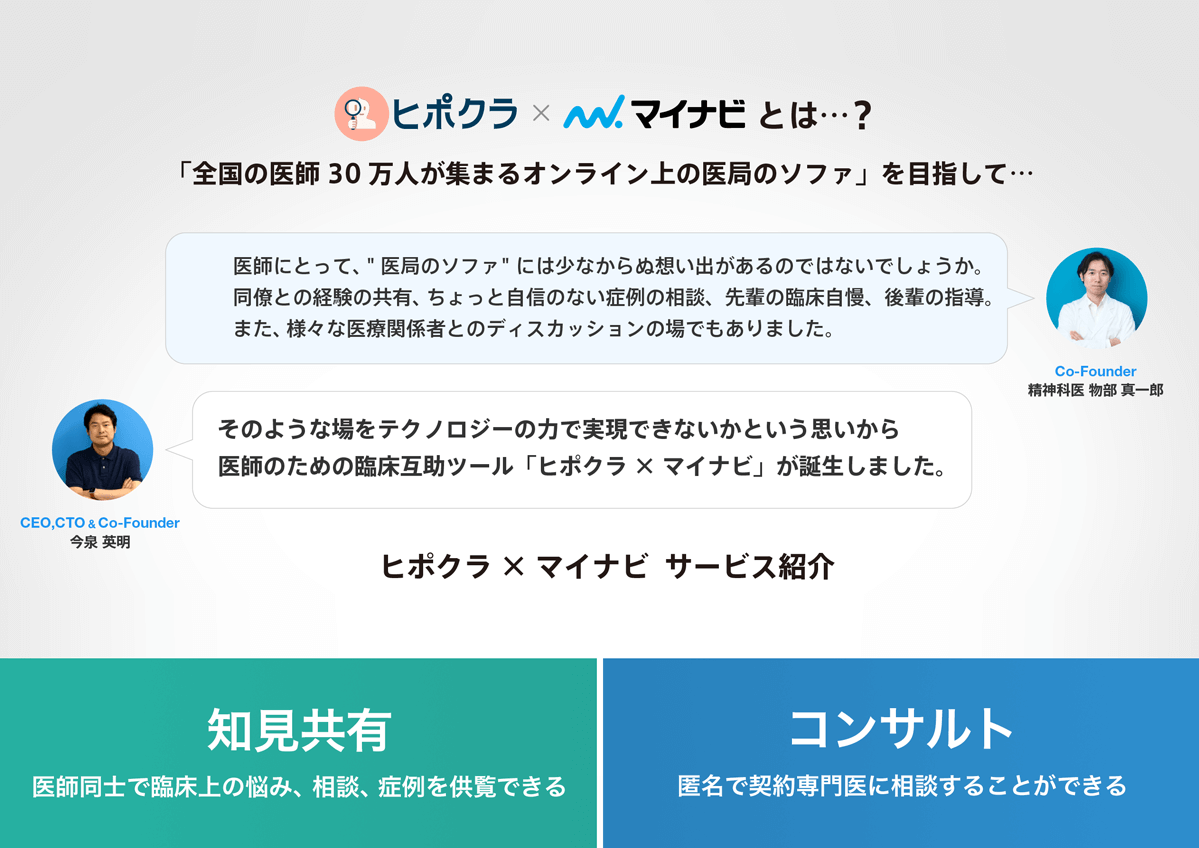
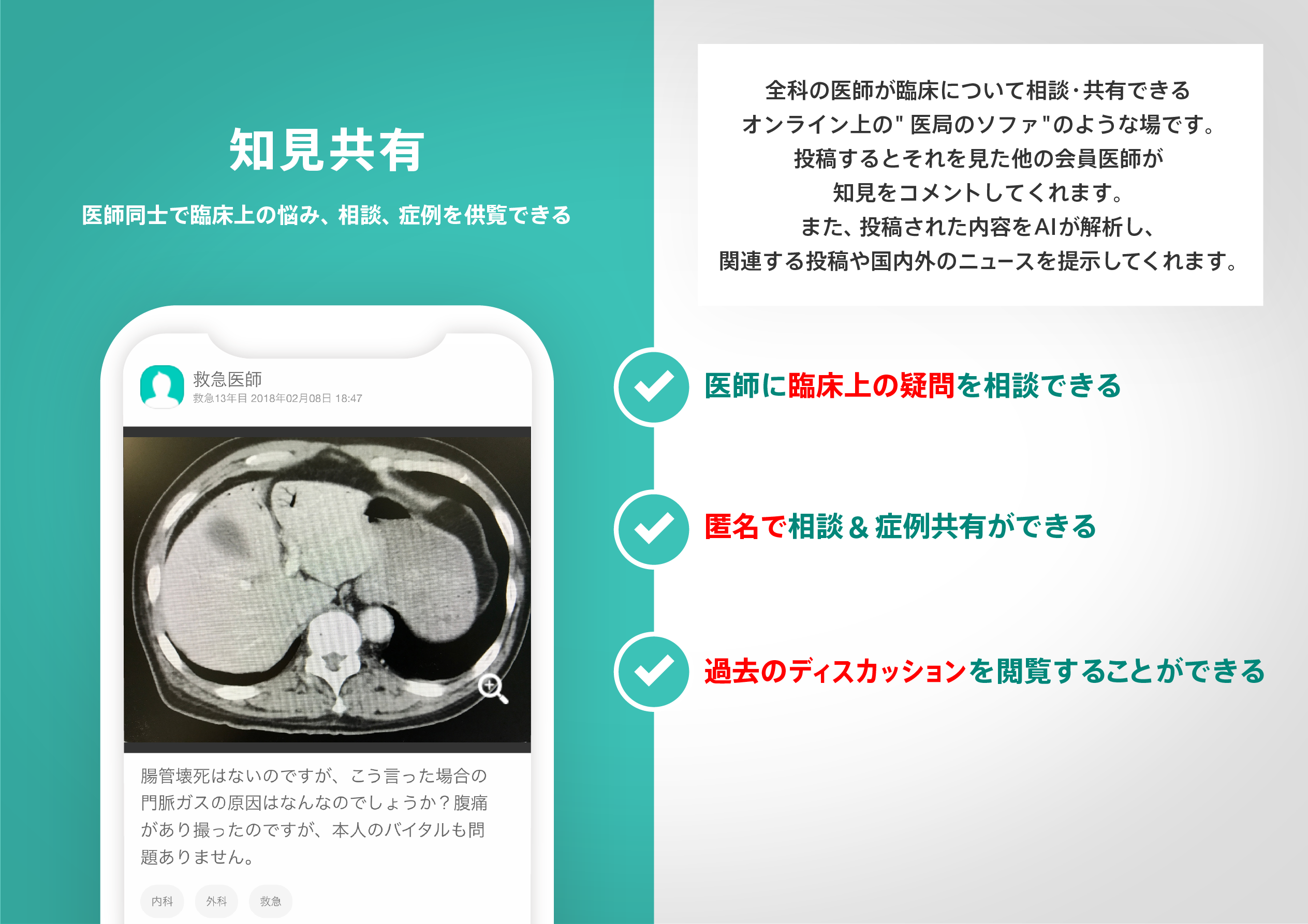
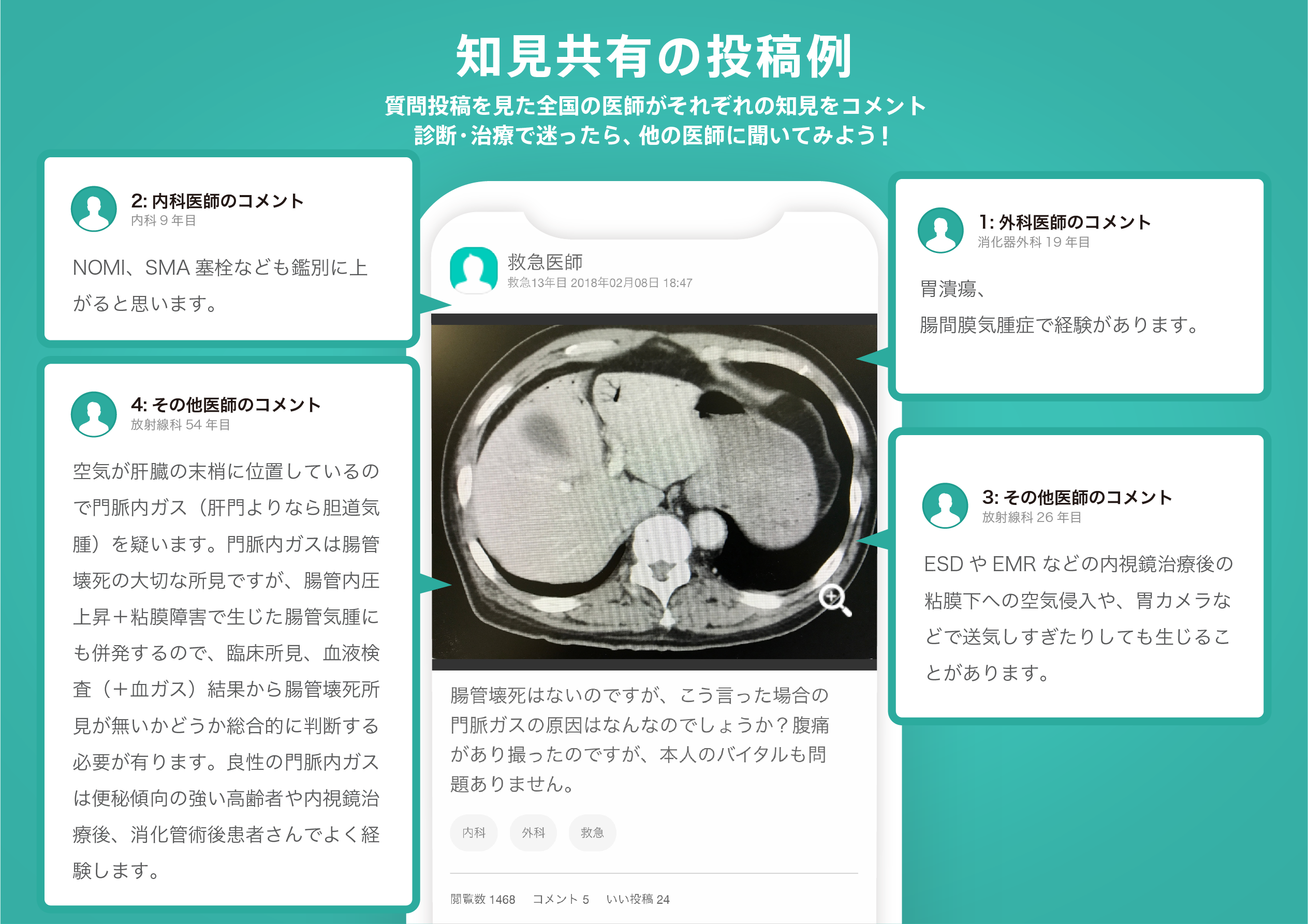
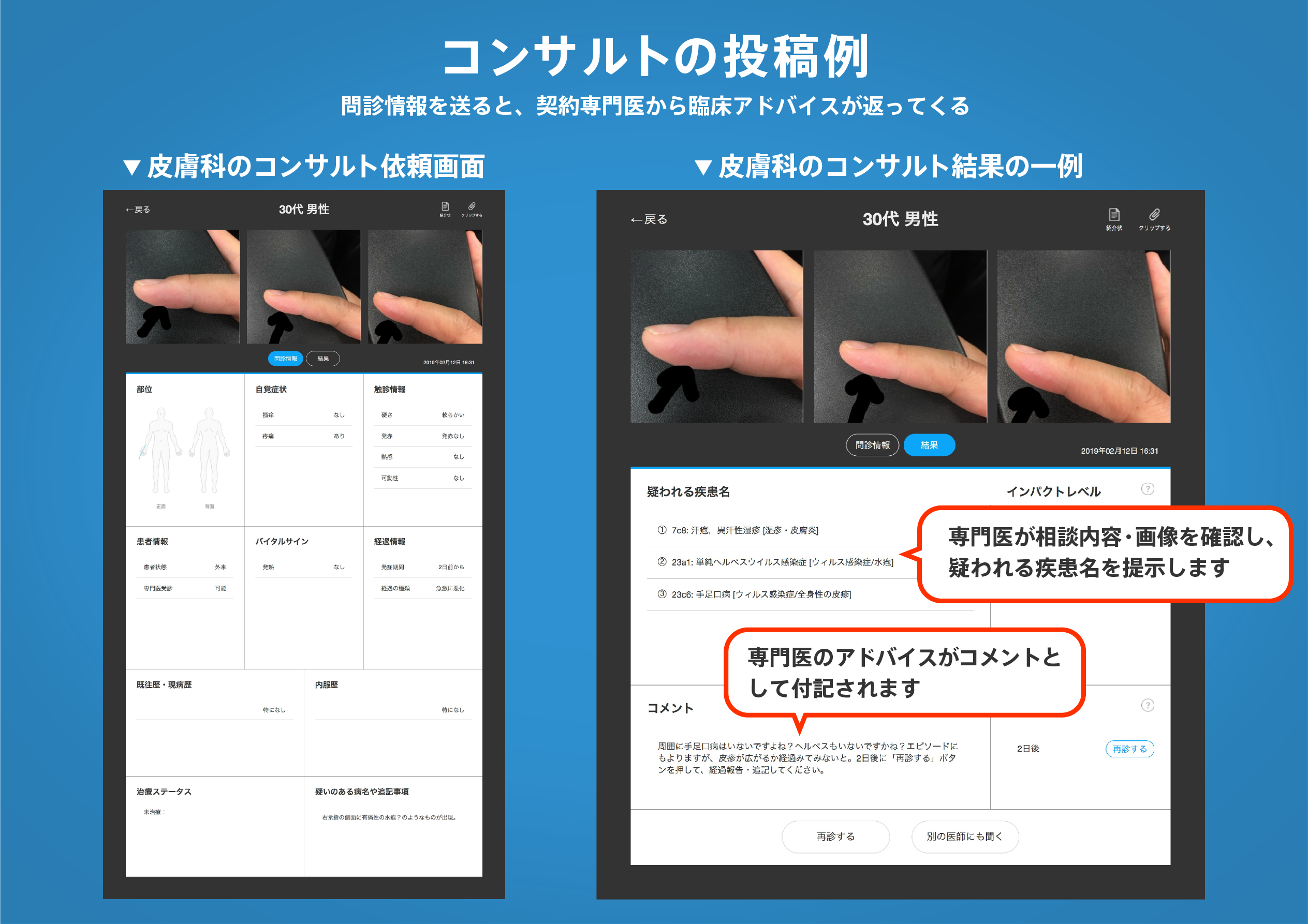
ヒポクラ x マイナビのご紹介


無料会員登録していただくと、さらに便利で効率的な検索が可能になります。