著名医師による解説が無料で読めます
すると翻訳の精度が向上します
核側核のドーパミンは、動機付けと中毒の両方の行動を調節します。ドーパミンD1およびD2受容体は一般に、細胞レベルで反対効果を発揮すると考えられていますが、多くの行動研究は、側坐核のD1およびD2受容体の明らかな協調効果を発見しています。ここでは、脳のスライスの側坐核ニューロンでのスパイク発火のドーパミン誘発性の増強には、D1とD2受容体の両方が必要であることを示します。D1およびD2受容体の協同性の根底にある可能性のある細胞内メカニズムの1つは、GI/OリンクD2受容体から放出されたGタンパク質のベタガンマサブユニット(Gbetagamma)との組み合わせで放出されたAdenylylシクラーゼの特定のサブタイプの活性化と、Galpha(S)のようなサブユニットからの活性化です。D1受容体。この点で、スパイク発火のドーパミン作動性増強は、プロテインキナーゼAまたはGbetagammaの阻害剤によって防止されました。さらに、GBETAGAMMAによる細胞内灌流により、D1受容体の活性化が可能になりましたが、D2受容体の活性化はスパイク発火を促進しませんでした。最後に、我々のデータは、これらの経路が遅いA型カリウム電流の阻害によりスパイクの発火を増加させる可能性があることを示唆しています。これらの結果は、側坐核におけるD1およびD2受容体の協調作用がドーパミン依存性挙動を媒介できる新しい細胞メカニズムの証拠を提供します。
核側核のドーパミンは、動機付けと中毒の両方の行動を調節します。ドーパミンD1およびD2受容体は一般に、細胞レベルで反対効果を発揮すると考えられていますが、多くの行動研究は、側坐核のD1およびD2受容体の明らかな協調効果を発見しています。ここでは、脳のスライスの側坐核ニューロンでのスパイク発火のドーパミン誘発性の増強には、D1とD2受容体の両方が必要であることを示します。D1およびD2受容体の協同性の根底にある可能性のある細胞内メカニズムの1つは、GI/OリンクD2受容体から放出されたGタンパク質のベタガンマサブユニット(Gbetagamma)との組み合わせで放出されたAdenylylシクラーゼの特定のサブタイプの活性化と、Galpha(S)のようなサブユニットからの活性化です。D1受容体。この点で、スパイク発火のドーパミン作動性増強は、プロテインキナーゼAまたはGbetagammaの阻害剤によって防止されました。さらに、GBETAGAMMAによる細胞内灌流により、D1受容体の活性化が可能になりましたが、D2受容体の活性化はスパイク発火を促進しませんでした。最後に、我々のデータは、これらの経路が遅いA型カリウム電流の阻害によりスパイクの発火を増加させる可能性があることを示唆しています。これらの結果は、側坐核におけるD1およびD2受容体の協調作用がドーパミン依存性挙動を媒介できる新しい細胞メカニズムの証拠を提供します。
Dopamine in the nucleus accumbens modulates both motivational and addictive behaviors. Dopamine D1 and D2 receptors are generally considered to exert opposite effects at the cellular level, but many behavioral studies find an apparent cooperative effect of D1 and D2 receptors in the nucleus accumbens. Here, we show that a dopamine-induced enhancement of spike firing in nucleus accumbens neurons in brain slices required both D1 and D2 receptors. One intracellular mechanism that might underlie cooperativity of D1 and D2 receptors is activation of specific subtypes of adenylyl cyclases by G-protein betagamma subunits (Gbetagamma) released from the Gi/o-linked D2 receptor in combination with Galpha(s)-like subunits from the D1 receptor. In this regard, dopaminergic enhancement of spike firing was prevented by inhibitors of protein kinase A or Gbetagamma. Furthermore, intracellular perfusion with Gbetagamma enabled D1 receptor activation but not D2 receptor activation to enhance spike firing. Finally, our data suggest that these pathways may increase spike firing by inhibition of a slow A-type potassium current. These results provide evidence for a novel cellular mechanism through which cooperative action of D1 and D2 receptors in the nucleus accumbens could mediate dopamine-dependent behaviors.
医師のための臨床サポートサービス
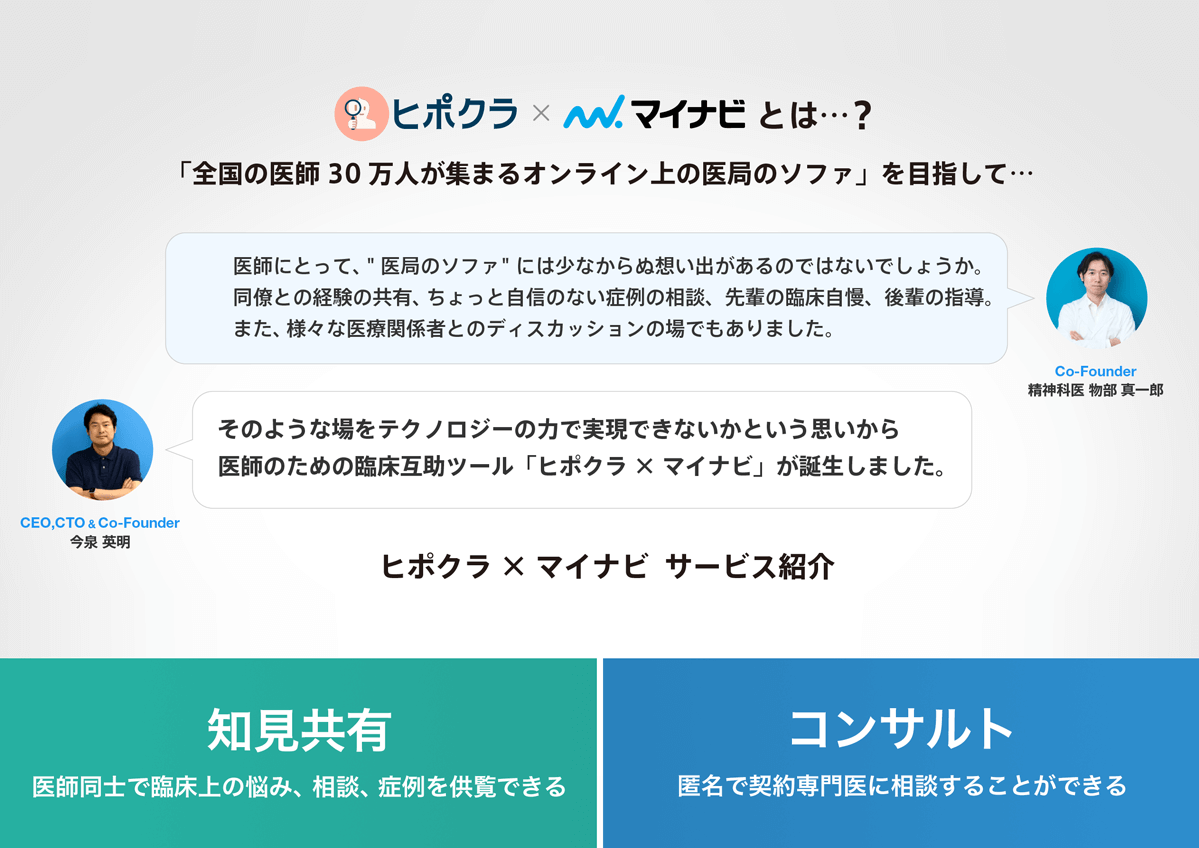
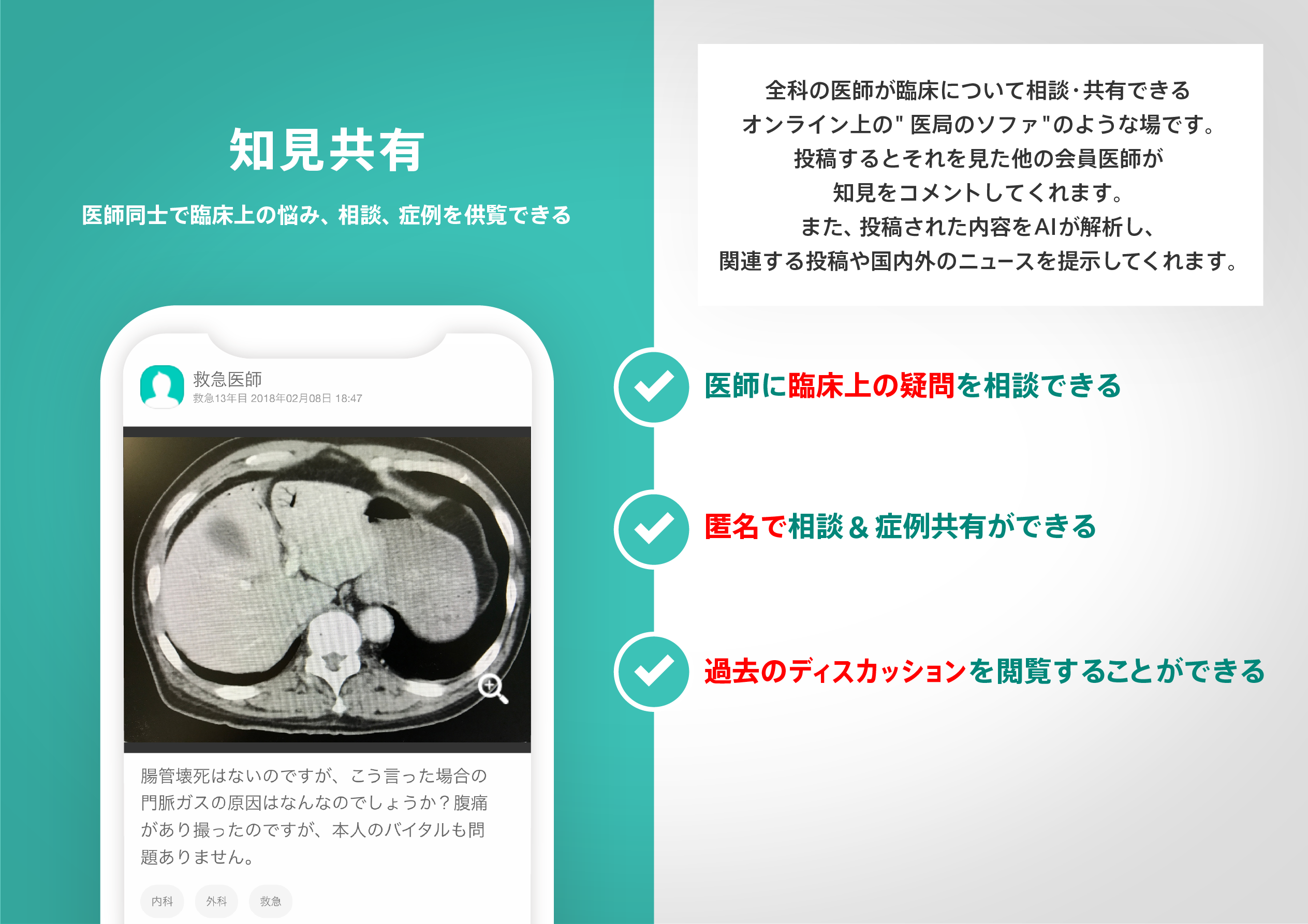
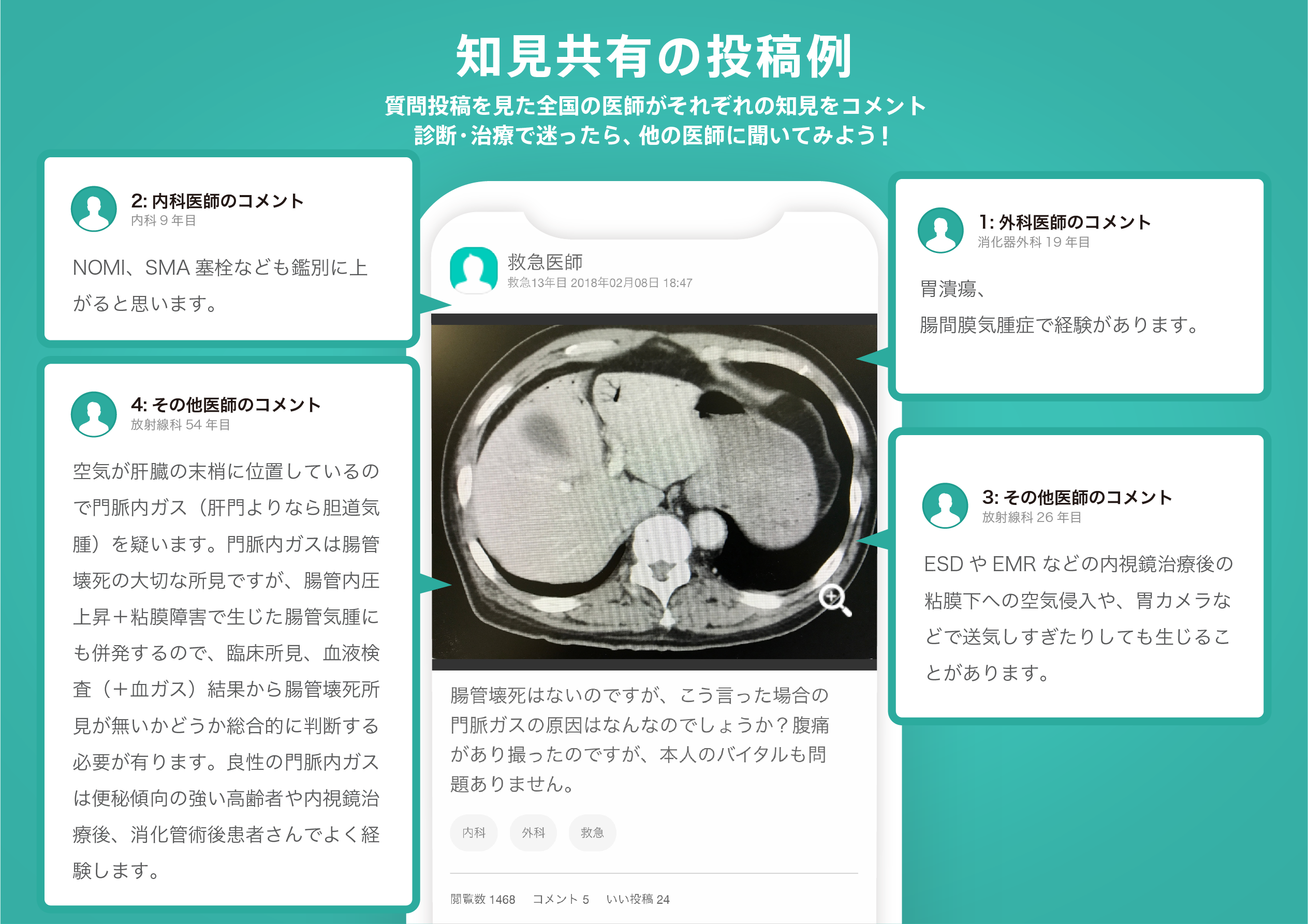
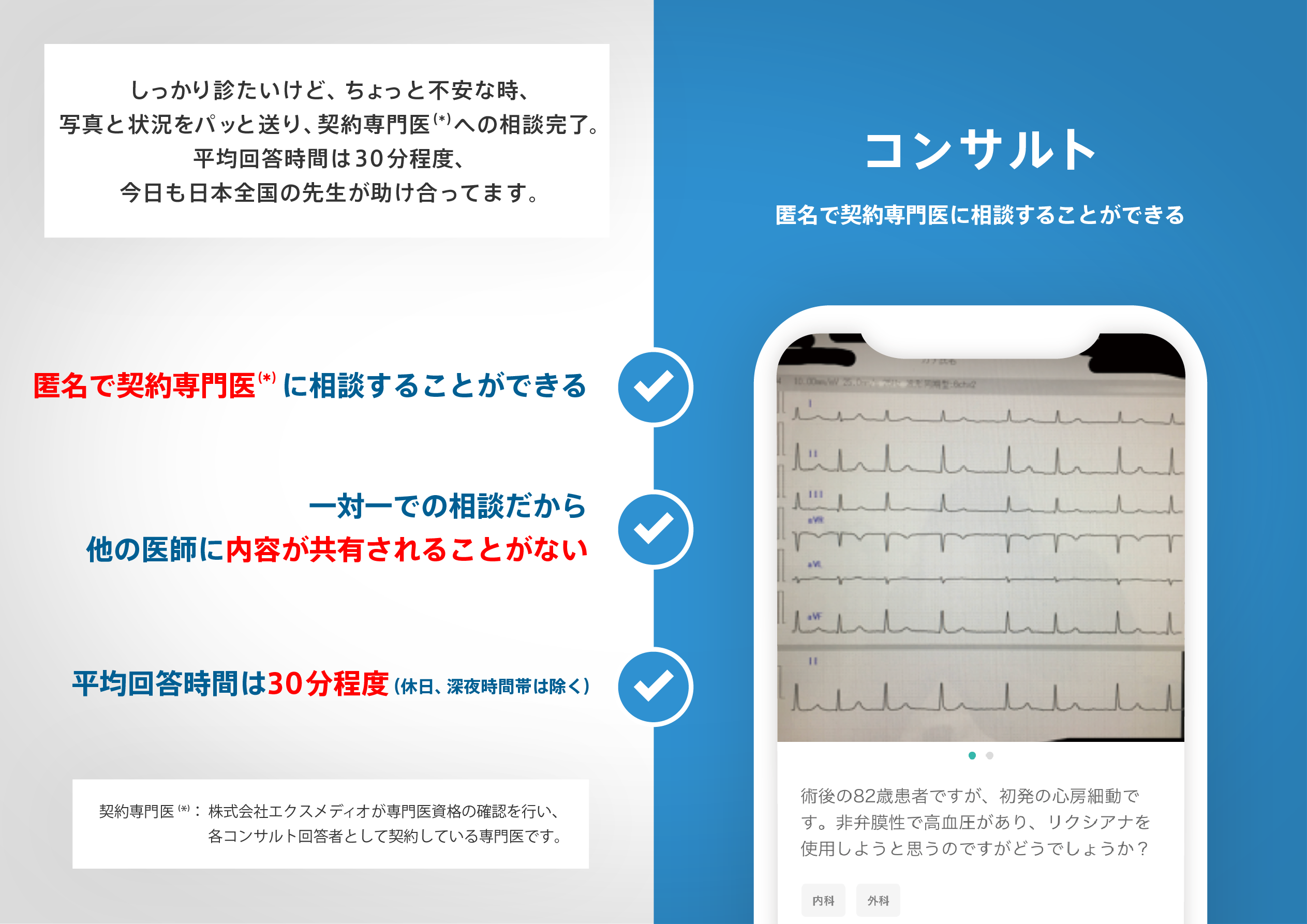
ヒポクラ x マイナビのご紹介

無料会員登録していただくと、さらに便利で効率的な検索が可能になります。