著名医師による解説が無料で読めます
すると翻訳の精度が向上します
CKS-17は、レトロウイルス膜貫通タンパク質や他の免疫調節タンパク質で高度に保存されているユニークなアミノ酸モチーフを表す合成ペプチドであり、in vitroおよびin vivoの両方で選択的な免疫調節機能を誘導し、cAMPや亜型シグナル伝達分子などを活性化します。調節されたキナーゼ。本研究では、Jurkat T細胞を使用して、CKS-17がプロテインキナーゼD(PKD)/プロテインキナーゼC(PKC)MUをリン酸化することを報告します。CKS-17刺激ジュラカット細胞からの総細胞抽出物を、抗ホスホ-PKCMU抗体で免疫ブロットしました。結果は、CKS-17がPKD/PKCMUを用量依存的および時間依存的にリン酸化することを示しています。PKD/PKCMUに直接作用しないPKC阻害剤GF 109203XおよびRO 31-8220による細胞の治療は、PKD/PKCMUのCKS-17誘導リン酸化を減衰させます。対照的に、選択的プロテインキナーゼA阻害剤H-89は、CKS-17の作用を逆転させません。さらに、ホスホリパーゼC(PLC)選択阻害剤、U-73122は、CKS-17によるPKD/PKCMUのリン酸化を完全にブロックしますが、ネガティブコントロールU-73343はそうではありません。さらに、CKS-17配列におけるアルギニン残基のリジンの置換は、CKS-17がPKD/PKCMUをリン酸化する能力を完全に廃止します。これらの結果は、CKS-17がPLCおよびPKC依存性メカニズムを介してPKD/PKCMUをリン酸化し、アルギニン残基がCKS-17のこの活性に重要な役割を果たすことを明確に示しています。この化合物と標的細胞との相互作用。
CKS-17は、レトロウイルス膜貫通タンパク質や他の免疫調節タンパク質で高度に保存されているユニークなアミノ酸モチーフを表す合成ペプチドであり、in vitroおよびin vivoの両方で選択的な免疫調節機能を誘導し、cAMPや亜型シグナル伝達分子などを活性化します。調節されたキナーゼ。本研究では、Jurkat T細胞を使用して、CKS-17がプロテインキナーゼD(PKD)/プロテインキナーゼC(PKC)MUをリン酸化することを報告します。CKS-17刺激ジュラカット細胞からの総細胞抽出物を、抗ホスホ-PKCMU抗体で免疫ブロットしました。結果は、CKS-17がPKD/PKCMUを用量依存的および時間依存的にリン酸化することを示しています。PKD/PKCMUに直接作用しないPKC阻害剤GF 109203XおよびRO 31-8220による細胞の治療は、PKD/PKCMUのCKS-17誘導リン酸化を減衰させます。対照的に、選択的プロテインキナーゼA阻害剤H-89は、CKS-17の作用を逆転させません。さらに、ホスホリパーゼC(PLC)選択阻害剤、U-73122は、CKS-17によるPKD/PKCMUのリン酸化を完全にブロックしますが、ネガティブコントロールU-73343はそうではありません。さらに、CKS-17配列におけるアルギニン残基のリジンの置換は、CKS-17がPKD/PKCMUをリン酸化する能力を完全に廃止します。これらの結果は、CKS-17がPLCおよびPKC依存性メカニズムを介してPKD/PKCMUをリン酸化し、アルギニン残基がCKS-17のこの活性に重要な役割を果たすことを明確に示しています。この化合物と標的細胞との相互作用。
CKS-17, a synthetic peptide representing a unique amino acid motif which is highly conserved in retroviral transmembrane proteins and other immunoregulatory proteins, induces selective immunomodulatory functions, both in vitro and in vivo, and activates intracellular signaling molecules such as cAMP and extracellular signal-regulated kinases. In the present study, using Jurkat T-cells, we report that CKS-17 phosphorylates protein kinase D (PKD)/protein kinase C (PKC) mu. Total cell extracts from CKS-17-stimulated Jurkat cells were immunoblotted with an anti-phospho-PKCmu antibody. The results show that CKS-17 significantly phosphorylates PKD/PKCmu in a dose- and time-dependent manner. Treatment of cells with the PKC inhibitors GF 109203X and Ro 31-8220, which do not act directly on PKD/PKCmu, attenuates CKS-17-induced phosphorylation of PKD/PKCmu. In contrast, the selective protein kinase A inhibitor H-89 does not reverse the action of CKS-17. Furthermore, a phospholipase C (PLC) selective inhibitor, U-73122, completely blocks the phosphorylation of PKD/PKCmu by CKS-17 while a negative control U-73343 does not. In addition, substitution of lysine for arginine residues in the CKS-17 sequence completely abrogates the ability of CKS-17 to phosphorylate PKD/PKCmu. These results clearly indicate that CKS-17 phosphorylates PKD/PKCmu through a PLC- and PKC-dependent mechanism and that arginine residues play an essential role in this activity of CKS-17, presenting a novel modality of the retroviral peptide CKS-17 and molecular interaction of this compound with target cells.
医師のための臨床サポートサービス
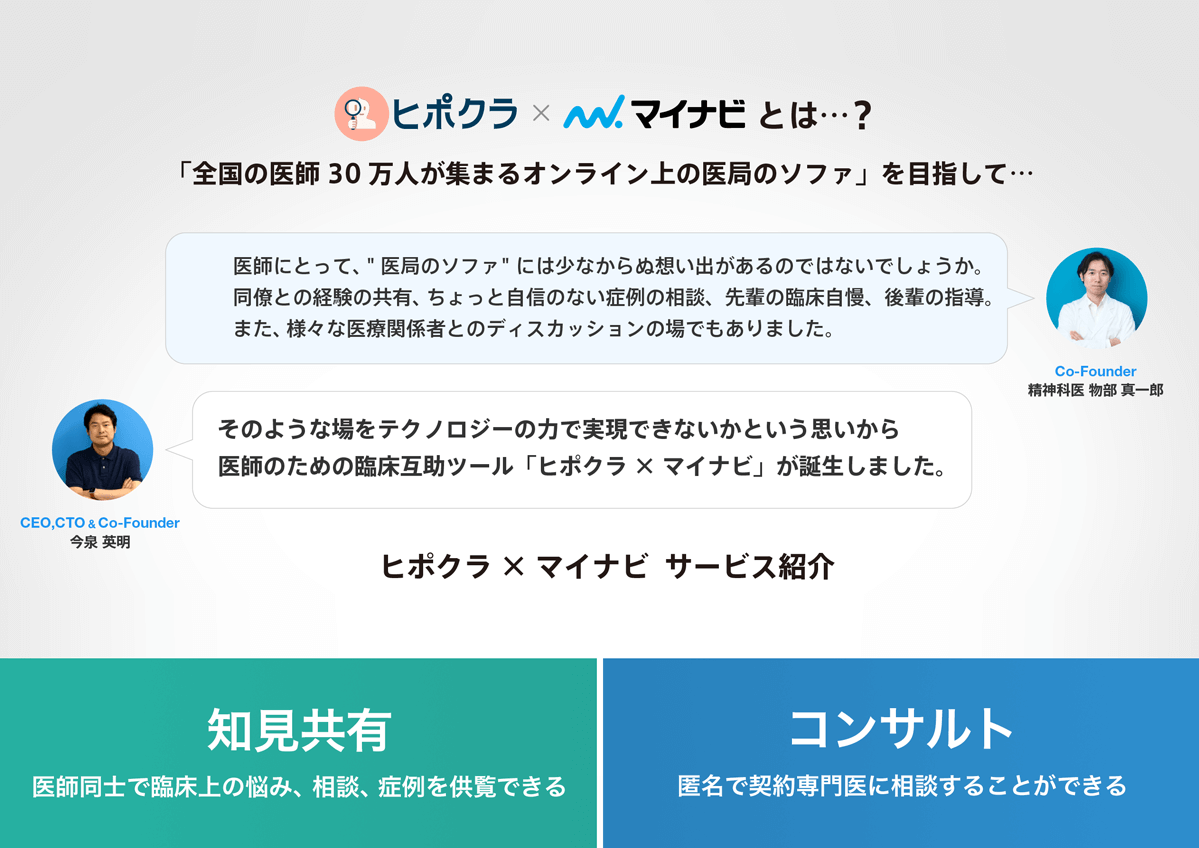
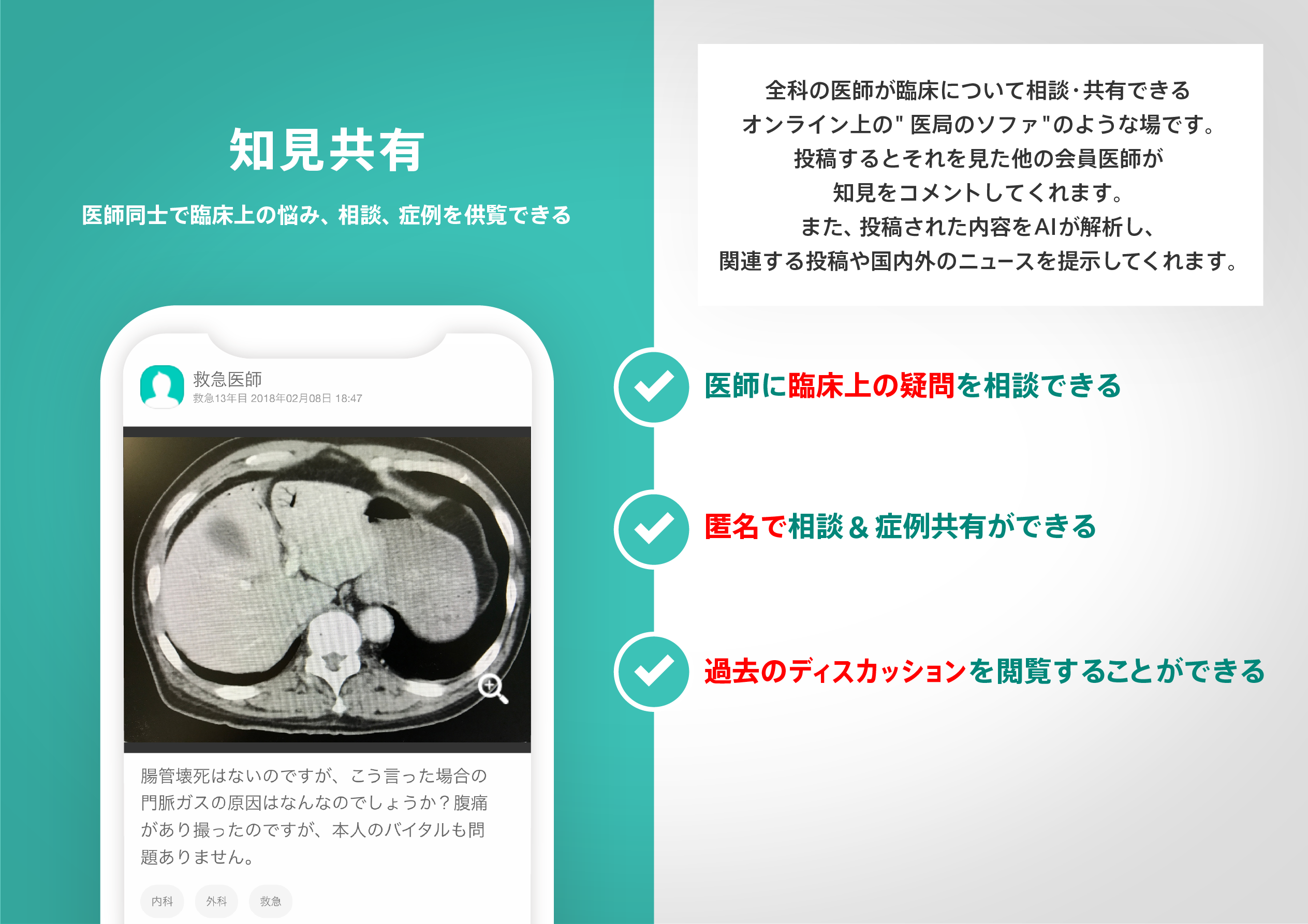
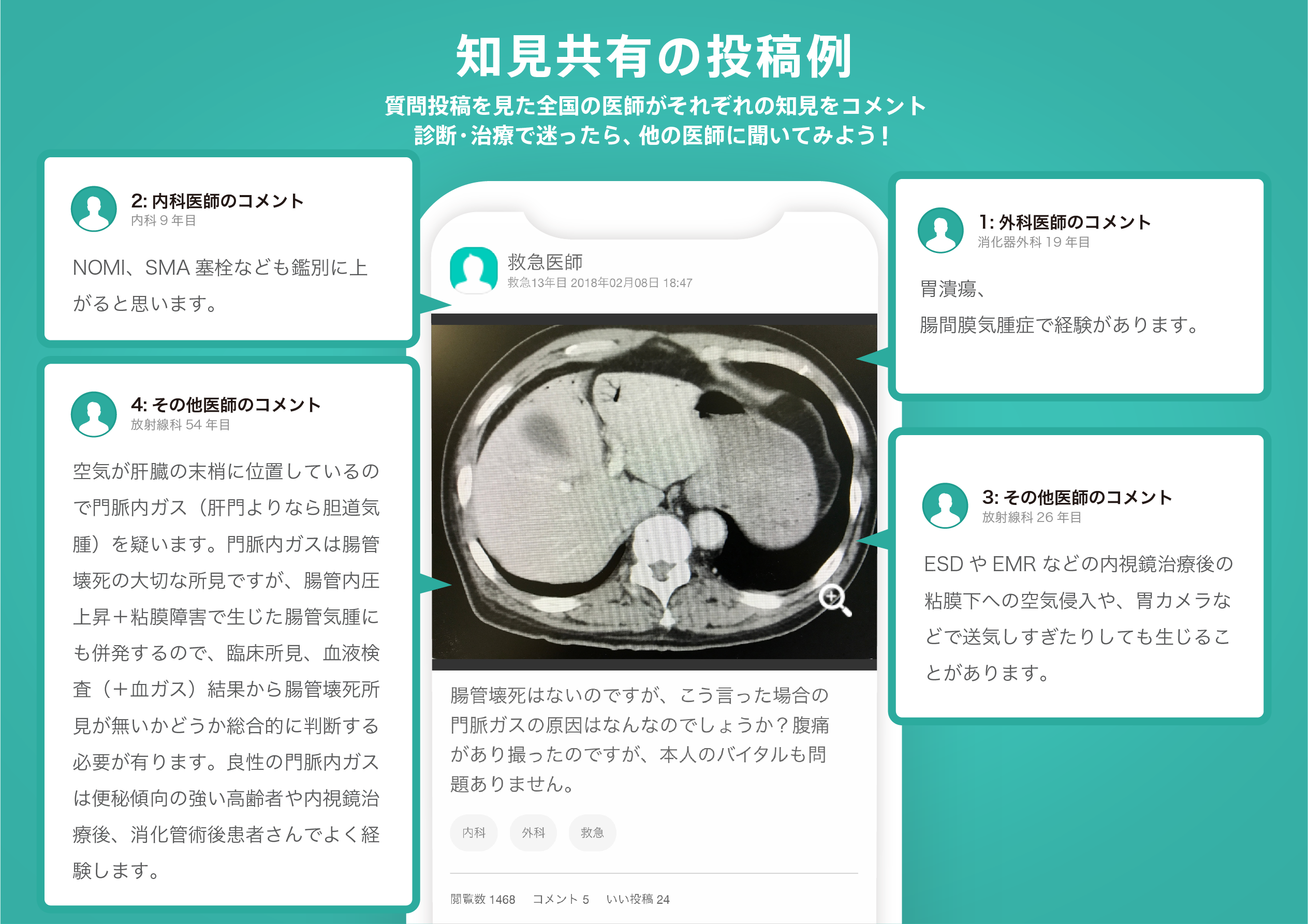
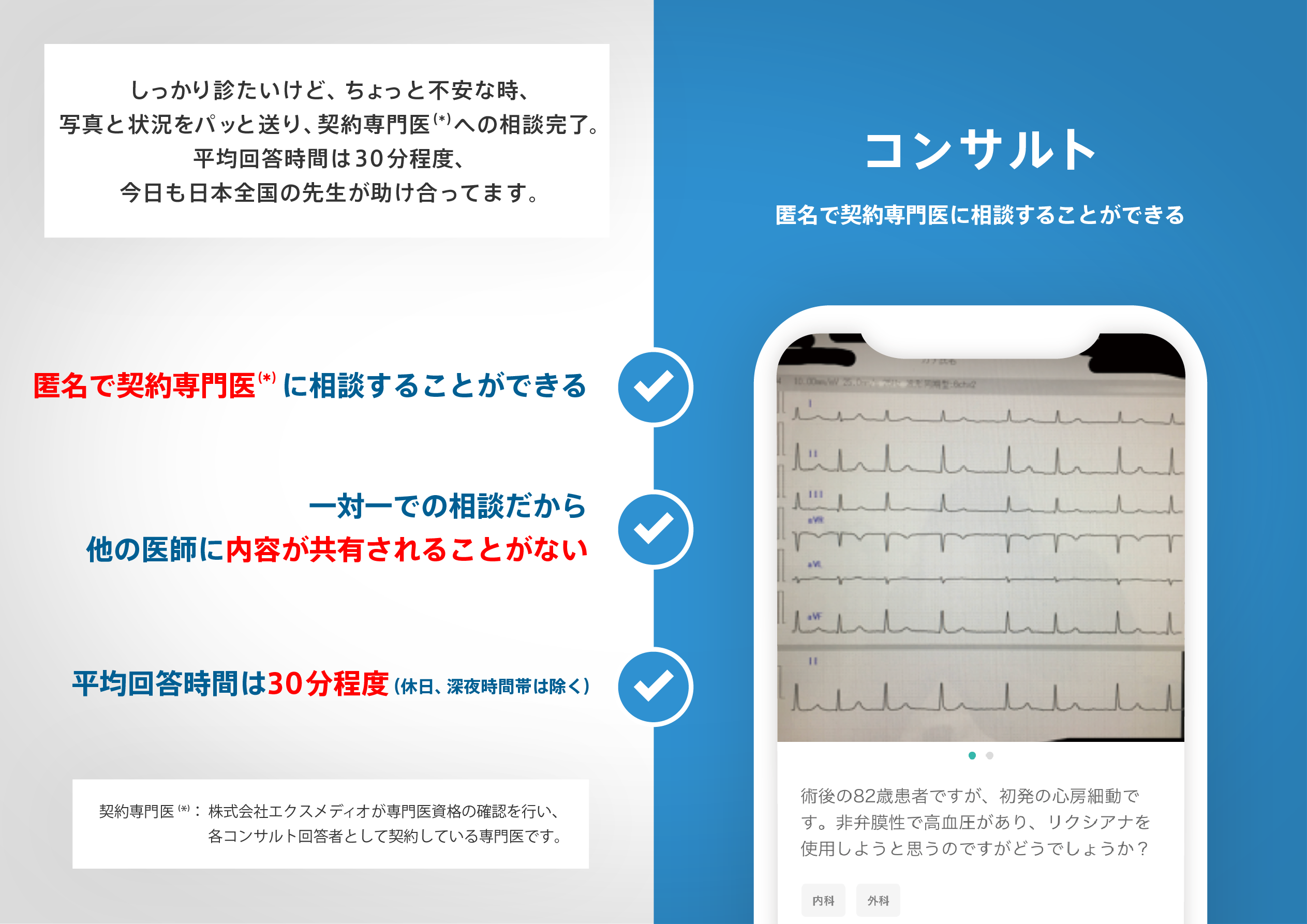
ヒポクラ x マイナビのご紹介

無料会員登録していただくと、さらに便利で効率的な検索が可能になります。