著名医師による解説が無料で読めます
すると翻訳の精度が向上します
1.グリシン(2 mg/g)でラットを処理すると、新生児ラットの肝タウリン含有量が著しく減少しましたが、成体ラットの減少は著しく減少しました。2。新生児ラットの肝臓でタウリン濃度で観察された減少は、脳や腎臓などの他の臓器では見られませんでした。3。結果は、肝タウリン濃度の変化が用量依存的および時間依存性であることを示し、これらのアミノ酸の肝濃度の調節に関与する可能性のあるラット肝臓のタウリンとグリシンの間の交換メカニズムの存在を示唆しています。
1.グリシン(2 mg/g)でラットを処理すると、新生児ラットの肝タウリン含有量が著しく減少しましたが、成体ラットの減少は著しく減少しました。2。新生児ラットの肝臓でタウリン濃度で観察された減少は、脳や腎臓などの他の臓器では見られませんでした。3。結果は、肝タウリン濃度の変化が用量依存的および時間依存性であることを示し、これらのアミノ酸の肝濃度の調節に関与する可能性のあるラット肝臓のタウリンとグリシンの間の交換メカニズムの存在を示唆しています。
1. The treatment of rats with glycine (2 mg/g) produced a marked decrease in the hepatic taurine content of neonate rats but not of adult rats. 2. The decrease observed in taurine concentration in the liver of newborn rats was not found in other organs, such as brain or kidney. 3. The results showed that the change in hepatic taurine concentration was dose- and time-dependent, suggesting the existence of an exchange mechanism between taurine and glycine in the rat liver that could participate in regulating the hepatic concentration of these amino acids.
医師のための臨床サポートサービス
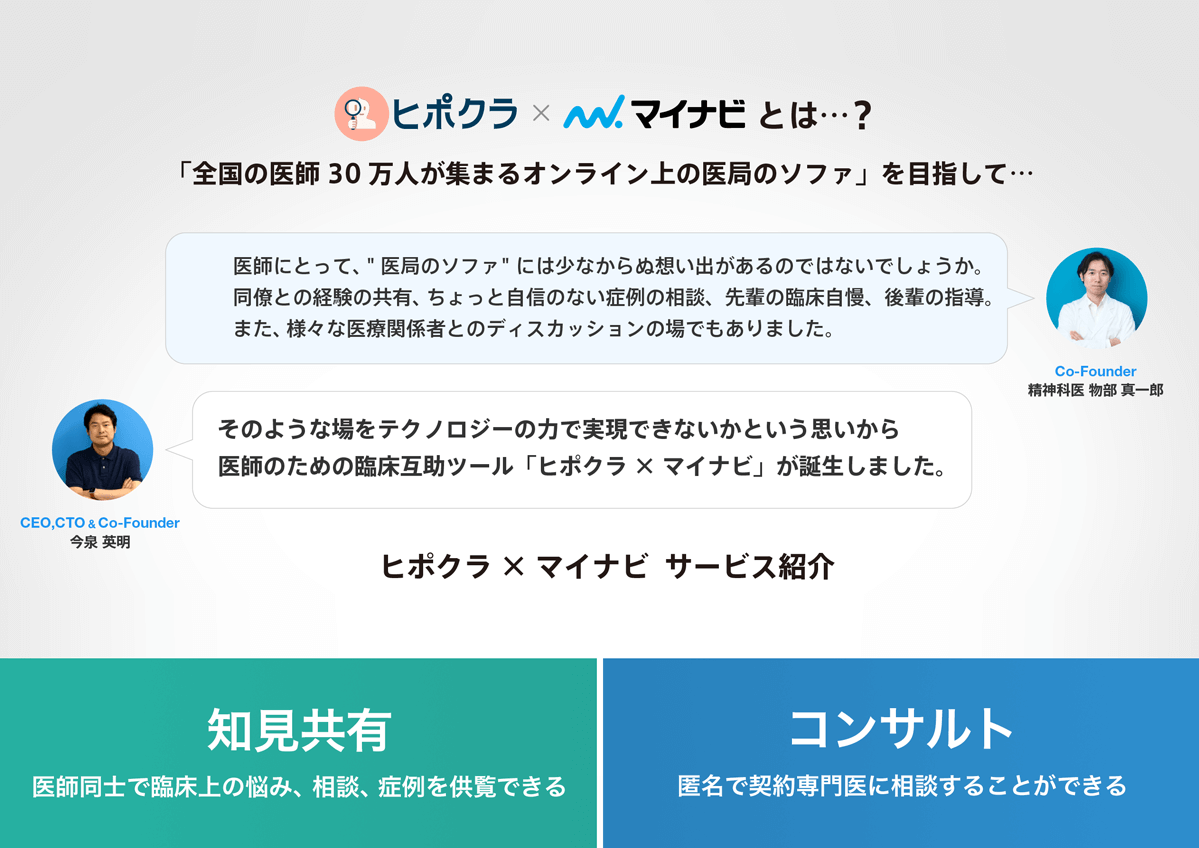
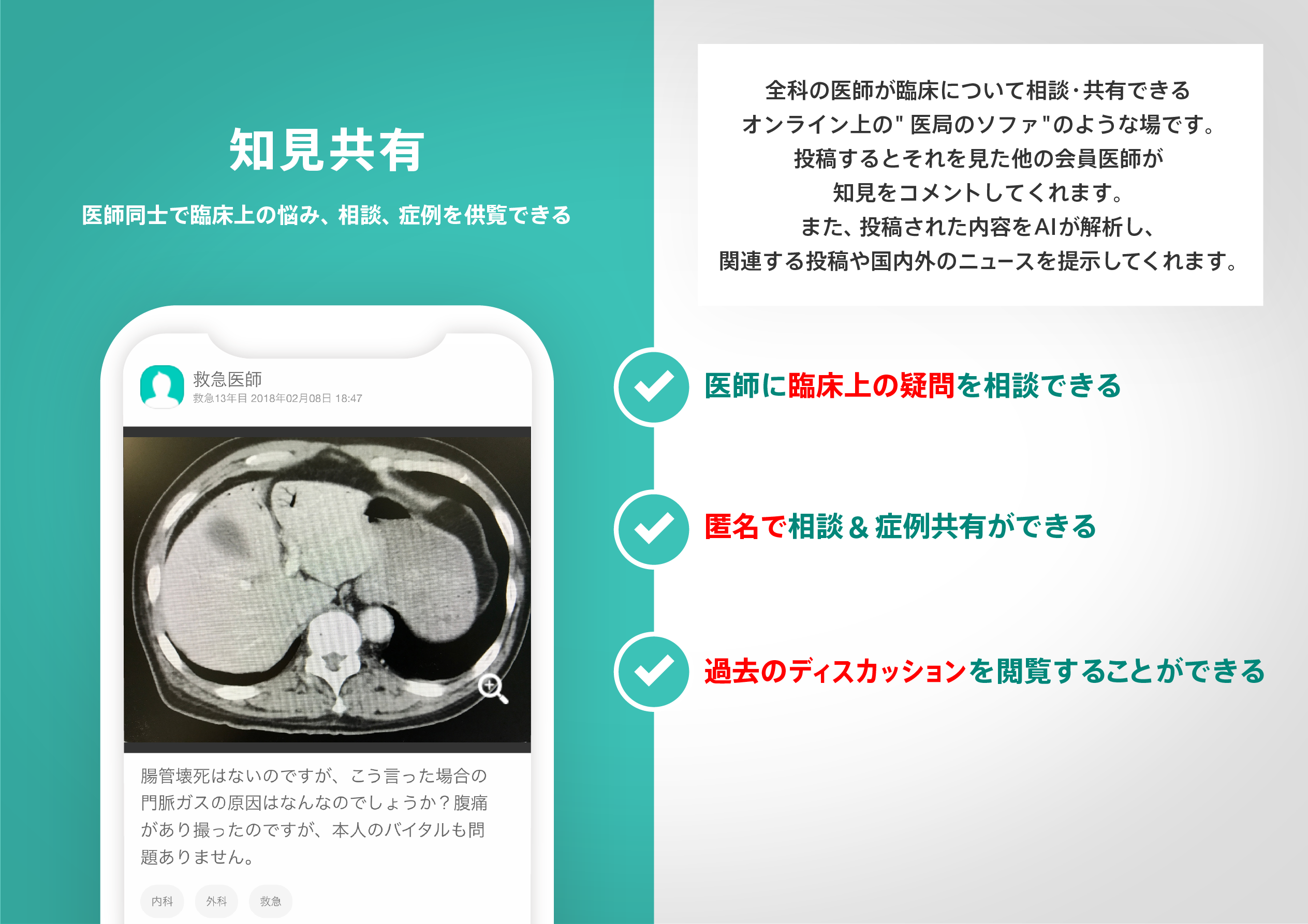
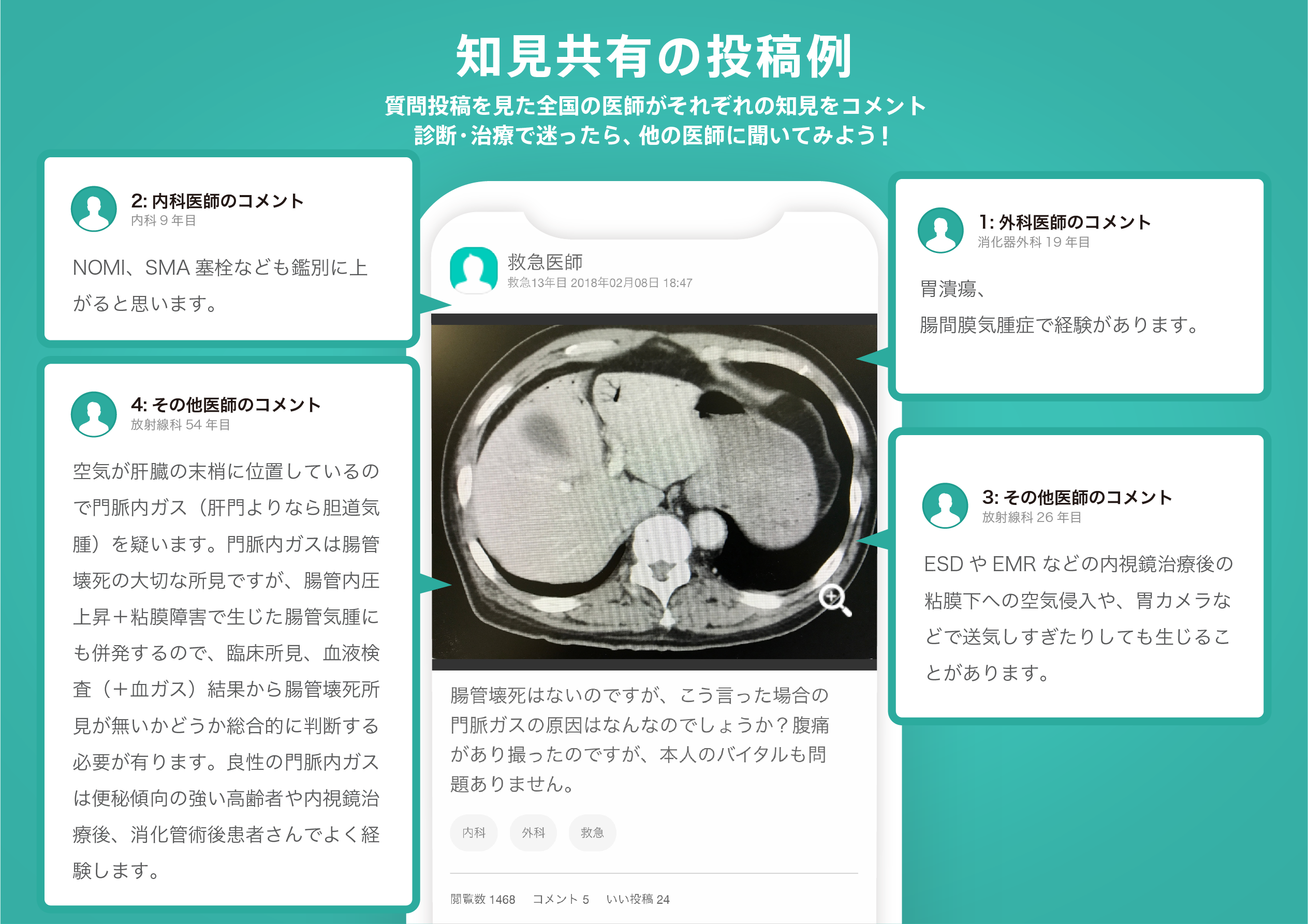
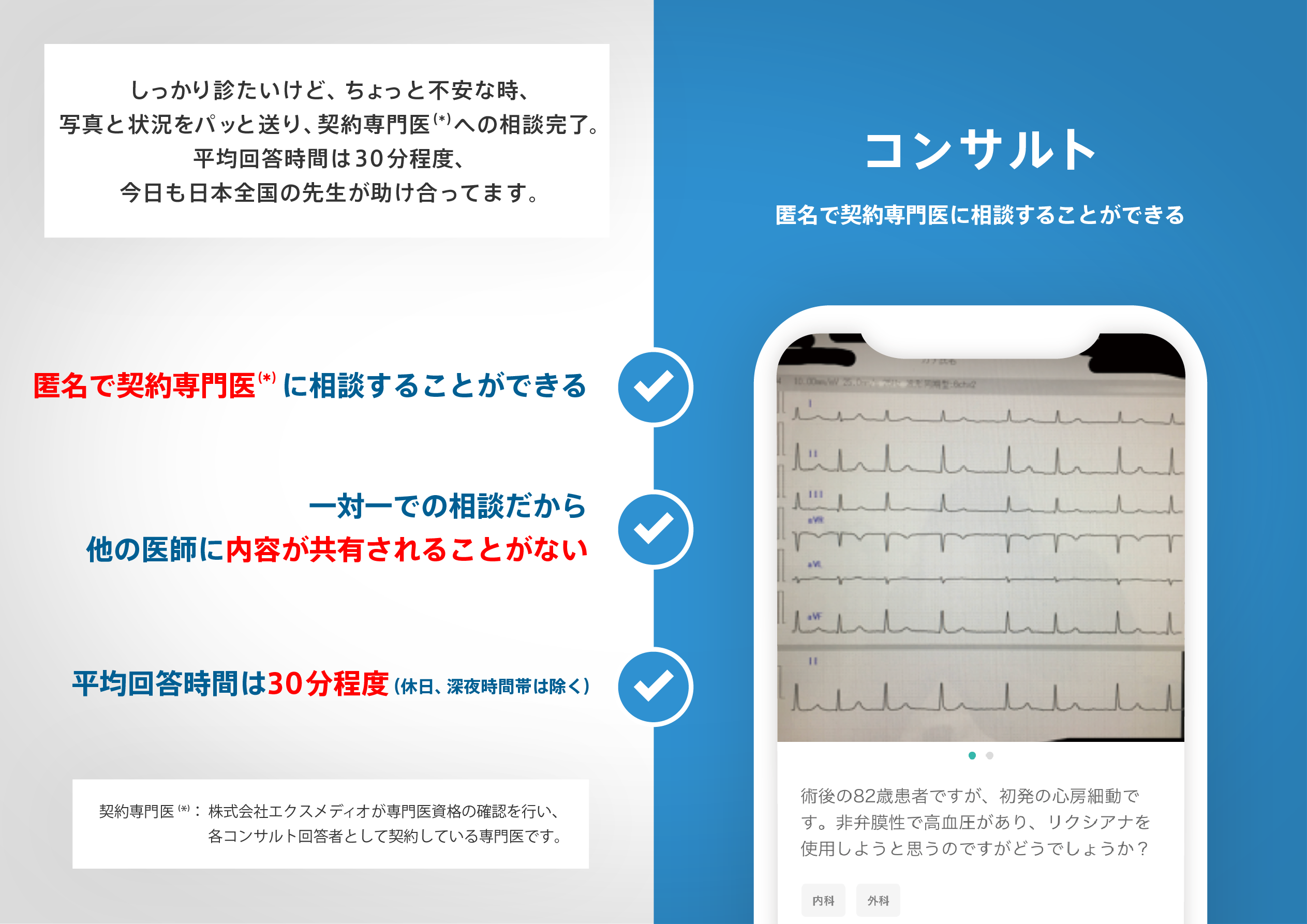
ヒポクラ x マイナビのご紹介

無料会員登録していただくと、さらに便利で効率的な検索が可能になります。