著名医師による解説が無料で読めます
すると翻訳の精度が向上します
エブセレン(2-フェニル-1,2-ベンゼセレナゾール-3(2H)-ONE)とチオールとの反応を、エブセレンセレノール中間体の形成に特に注意を払って調査しました。セレノール中間体は、1-クロロ2,4-ジニトロベンゼンを添えたエブセレンとチオールの混合物に閉じ込められ、結果として生成された生成物は、ユニークなスペクトル特性を表示しました。本物の合成されたエブセレンセレノールと1-クロロ-2-ジニトロベンゼン(CDNB)との反応は、同じ化合物(2,4-ジニトロフェニル(N-フェニル-2-カルボキサミドフェニル)を引き起こすことが示されました(N-フェニル-2-カルボキサミドフェニル)セレナイドは、abtroscopy、a abtion a and afenebtionの特徴によって特徴付けられています。7.5 mm-1 cm-1)および反応の初期速度定数(1.4 +/- 0.3 mm-1 min-1)は、400 nmの選択により、cdnbの反応における他の中間体の干渉の干渉を排除するために、初期レート測定により、エブセレンセレノール濃度の便利な定量化を可能にしますエブサレンのグルタチオンペルオキシダーゼ様活性の調査に使用される典型的なインキュベーション条件に適用されると、エブセレンの10〜20%がセレノールの形である場合(ジチオスレイトール)、60%がセレノールの形であることが示されました。これらのデータは、370 nm(E = 2 mm-1 cm-1)でのピーク吸収のため、UV分光法によるエブセレンセレノールの直接決定によっても確認できます。結論として、この調査は、エブセレンとチオールの反応におけるエブセレンセレノールのアイデンティティと量を初めて示し、その定量化のための便利なアッセイについても説明しています。これらの観察により、エブレンの抗酸化およびペルオキシダーゼ活性の原因となる分子種の調査の可能性がさらに可能になります。
エブセレン(2-フェニル-1,2-ベンゼセレナゾール-3(2H)-ONE)とチオールとの反応を、エブセレンセレノール中間体の形成に特に注意を払って調査しました。セレノール中間体は、1-クロロ2,4-ジニトロベンゼンを添えたエブセレンとチオールの混合物に閉じ込められ、結果として生成された生成物は、ユニークなスペクトル特性を表示しました。本物の合成されたエブセレンセレノールと1-クロロ-2-ジニトロベンゼン(CDNB)との反応は、同じ化合物(2,4-ジニトロフェニル(N-フェニル-2-カルボキサミドフェニル)を引き起こすことが示されました(N-フェニル-2-カルボキサミドフェニル)セレナイドは、abtroscopy、a abtion a and afenebtionの特徴によって特徴付けられています。7.5 mm-1 cm-1)および反応の初期速度定数(1.4 +/- 0.3 mm-1 min-1)は、400 nmの選択により、cdnbの反応における他の中間体の干渉の干渉を排除するために、初期レート測定により、エブセレンセレノール濃度の便利な定量化を可能にしますエブサレンのグルタチオンペルオキシダーゼ様活性の調査に使用される典型的なインキュベーション条件に適用されると、エブセレンの10〜20%がセレノールの形である場合(ジチオスレイトール)、60%がセレノールの形であることが示されました。これらのデータは、370 nm(E = 2 mm-1 cm-1)でのピーク吸収のため、UV分光法によるエブセレンセレノールの直接決定によっても確認できます。結論として、この調査は、エブセレンとチオールの反応におけるエブセレンセレノールのアイデンティティと量を初めて示し、その定量化のための便利なアッセイについても説明しています。これらの観察により、エブレンの抗酸化およびペルオキシダーゼ活性の原因となる分子種の調査の可能性がさらに可能になります。
The reaction of ebselen (2-phenyl-1,2-benzisoselenazol-3(2H)-one) with thiols was investigated with particular attention to the formation of an ebselen selenol intermediate. The selenol intermediate could be trapped in a mixture of ebselen and thiols with 1-chloro-2,4-dinitrobenzene and the resulting product displayed unique spectral characteristics. The reaction of authentic, synthesised ebselen selenol with 1-chloro-2,4-dinitrobenzene (CDNB) was shown to give rise to the same compound (2,4-dinitrophenyl (N-phenyl-2-carboxamido phenyl) selenide as characterized by light spectroscopy, NMR, IR and elemental analysis. The determination of the absorbtion coefficient at 400 nm (E = 7.5 mM-1 cm-1) and the initial rate constant of the reaction (1.4 +/- 0.3 mM-1 min-1) allows for the convenient quantification of ebselen selenol concentrations by initial rate measurements after addition of CDNB. The choice of 400 nm to monitor the reaction excludes the interference of other intermediates in the reaction of ebselen with thiols as well as the reaction of the thiols with CDNB. When the assay is applied to typical incubation conditions used for investigating the glutathione peroxidase-like activity of ebselen it was shown that as much as 10-20% of ebselen is in the selenol form. If a stronger reductant (dithiothreitol) is used 60% is in the selenol form. These data could also be confirmed by the direct determination of ebselen selenol by UV spectroscopy, due to its peak absorption at 370 nm (E = 2 mM-1 cm-1). In conclusion, this investigation demonstrates, for the first time, the identity and quantity of ebselen selenol in the reaction of ebselen with thiols and also describes a convenient assay for its quantification. These observations allow further possibilities for investigation of the molecular species responsible for the antioxidant and peroxidase activities of ebselen.
医師のための臨床サポートサービス
ヒポクラ x マイナビのご紹介


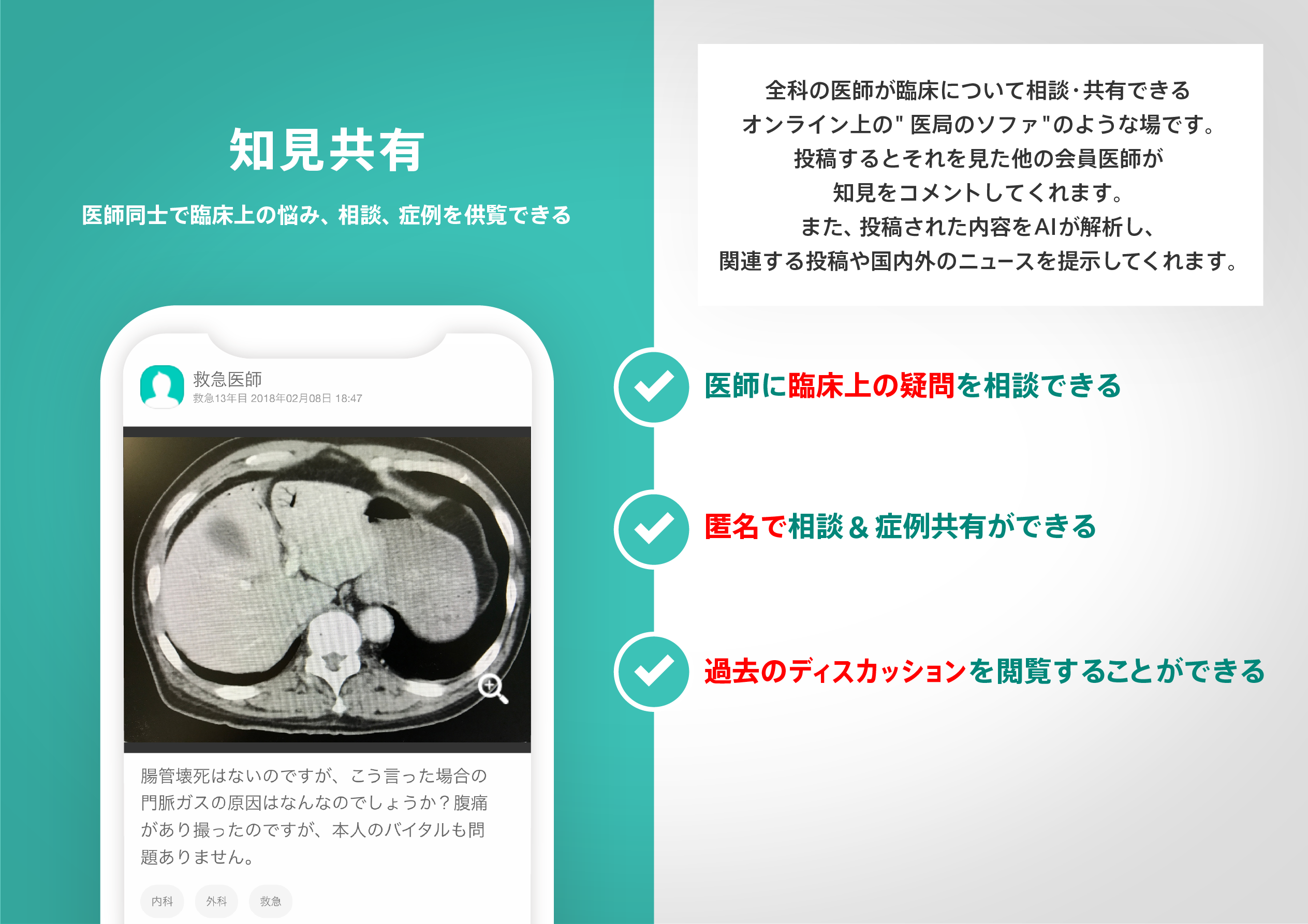
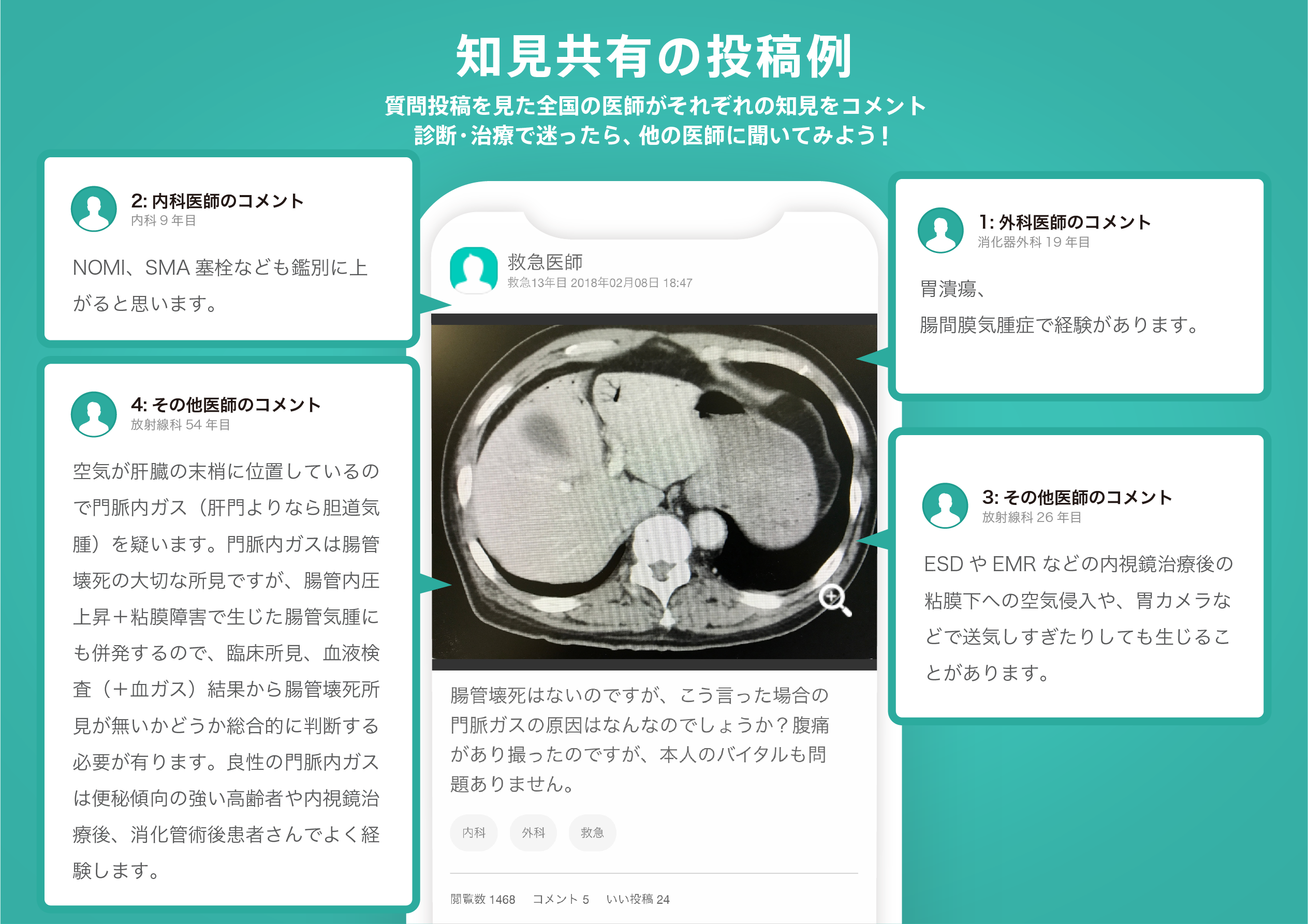

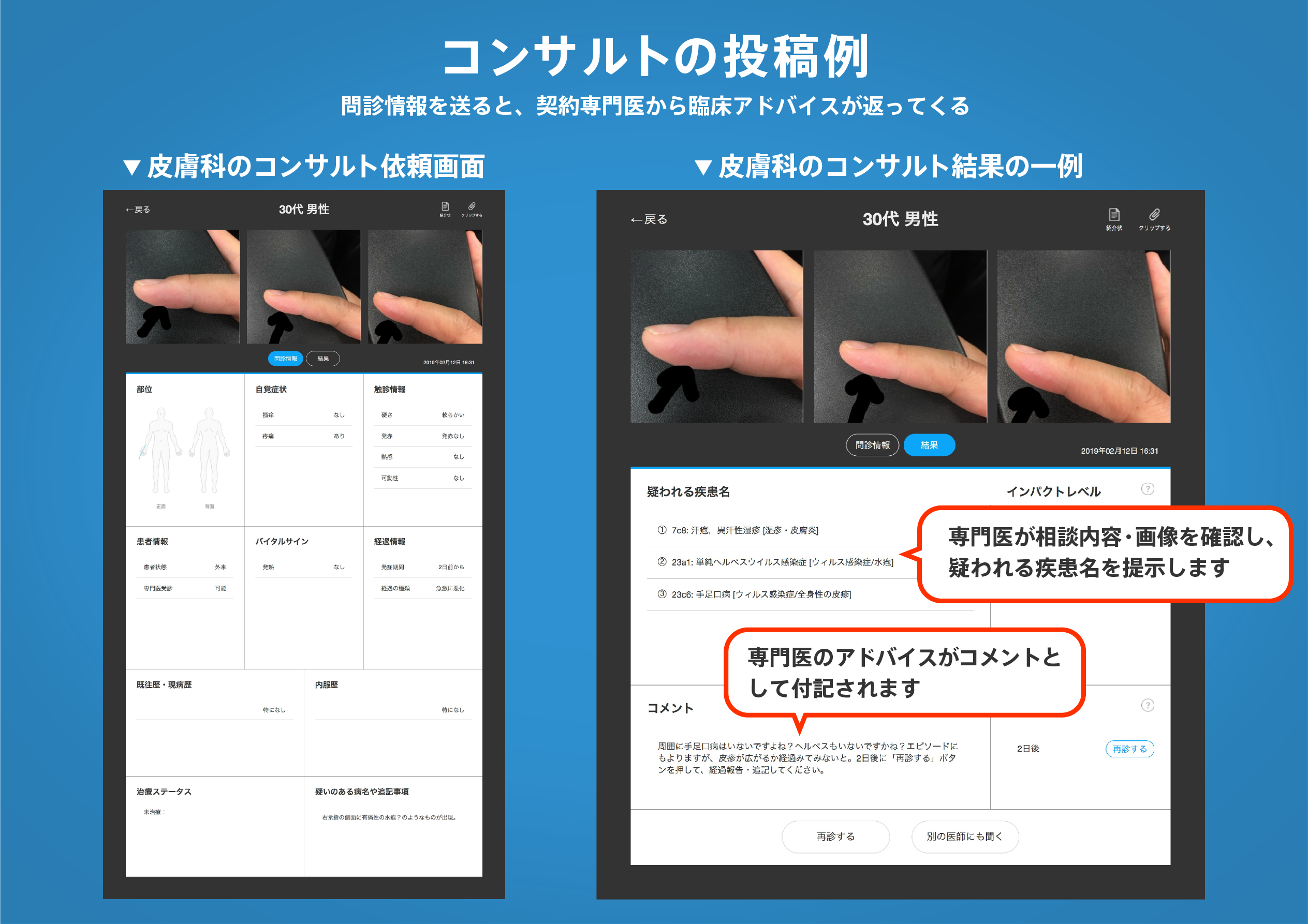

無料会員登録していただくと、さらに便利で効率的な検索が可能になります。