著名医師による解説が無料で読めます
すると翻訳の精度が向上します
多くの細胞タイプによって生成されるサイトカインであるマクロファージ移動阻害因子(MIF)は、細胞および体液性の免疫応答を調節します。住血吸虫症では、門脈循環のOVAは、MIF活性を分泌する肝肉芽腫(HG)の形成をもたらす遅延型過敏症(DTH)を誘導します。したがって、内因性MIFが住血吸虫症の免疫応答を調節すると仮定しました。この仮説をテストするために、Japonicumに感染したマウス住血吸虫にウサギIgGを注入するか、HG形態と雌のワームが卵を産んでいるときに感染した後、MIF 4.5-6.5週の感染からウサギIgG抗体を中和しました。抗体処理マウスは、感染後6.5〜7週間のコントロール、6.5〜7週間の感染と比較して、肝臓に1.7〜3倍、ワームあたりの半分のOVAペアがありました。対照的に、感染前または感染後6〜8週間の感染の前に導入された抗体は、ワームの負担や繁殖力に影響しませんでした。したがって、感染後4.5〜6週間の内因性MIFが何らかの形で成人のワームの負担の減少を媒介し、繁殖力を促進するという証拠が初めてあります。抗体処理マウスの脾細胞およびHg細胞は、TnFalphaおよび/またはIL-10の細胞内発現の減少を示しました。内因性MIFは、MHC-II、共刺激、接着、受容体、サイトカイン分子の発現を増加させることにより、自然および適応免疫応答を上方制御することにより、成人のワームの減少を強化し、Tnfalphaの発現をアップ調節することにより繁殖力を促進すると仮定します。
多くの細胞タイプによって生成されるサイトカインであるマクロファージ移動阻害因子(MIF)は、細胞および体液性の免疫応答を調節します。住血吸虫症では、門脈循環のOVAは、MIF活性を分泌する肝肉芽腫(HG)の形成をもたらす遅延型過敏症(DTH)を誘導します。したがって、内因性MIFが住血吸虫症の免疫応答を調節すると仮定しました。この仮説をテストするために、Japonicumに感染したマウス住血吸虫にウサギIgGを注入するか、HG形態と雌のワームが卵を産んでいるときに感染した後、MIF 4.5-6.5週の感染からウサギIgG抗体を中和しました。抗体処理マウスは、感染後6.5〜7週間のコントロール、6.5〜7週間の感染と比較して、肝臓に1.7〜3倍、ワームあたりの半分のOVAペアがありました。対照的に、感染前または感染後6〜8週間の感染の前に導入された抗体は、ワームの負担や繁殖力に影響しませんでした。したがって、感染後4.5〜6週間の内因性MIFが何らかの形で成人のワームの負担の減少を媒介し、繁殖力を促進するという証拠が初めてあります。抗体処理マウスの脾細胞およびHg細胞は、TnFalphaおよび/またはIL-10の細胞内発現の減少を示しました。内因性MIFは、MHC-II、共刺激、接着、受容体、サイトカイン分子の発現を増加させることにより、自然および適応免疫応答を上方制御することにより、成人のワームの減少を強化し、Tnfalphaの発現をアップ調節することにより繁殖力を促進すると仮定します。
Macrophage migration inhibitory factor (MIF), a cytokine produced by many cell types, modulates cellular and humoral immune responses. In schistosomiasis, ova in the portal circulation induce a delayed type hypersensitivity (DTH) that results in formation of hepatic granulomas (HG) which secrete MIF activity. Therefore, we hypothesized that endogenous MIF modulates immune responses in schistosomiasis. To test this hypothesis, Schistosoma japonicum-infected mice were injected with rabbit IgG or neutralizing rabbit IgG antibody to MIF 4.5-6.5 week post infection when HG form and female worms are laying eggs. Compared with controls, 6.5-7-week post-infection, antibody-treated mice had 1.7-3 times as many adult worms and half as many ova per worm pair in their livers. In contrast, antibody introduced before infection or 6-8 week post infection did not affect worm burden or fecundity. Thus, for the first time there is evidence that 4.5-6 week post-infection endogenous MIF somehow mediates reduction of adult worm burden and promotes fecundity. Splenocytes and HG cells from antibody-treated mice showed reduced intracellular expression of TNFalpha and/or IL-10. We hypothesize that endogenous MIF enhances adult worm attrition by up-regulating innate and adaptive immune responses by increasing expression of MHC-II, co-stimulatory, adhesion, receptor and cytokine molecules, and promotes fecundity by up-regulating TNFalpha expression.
医師のための臨床サポートサービス
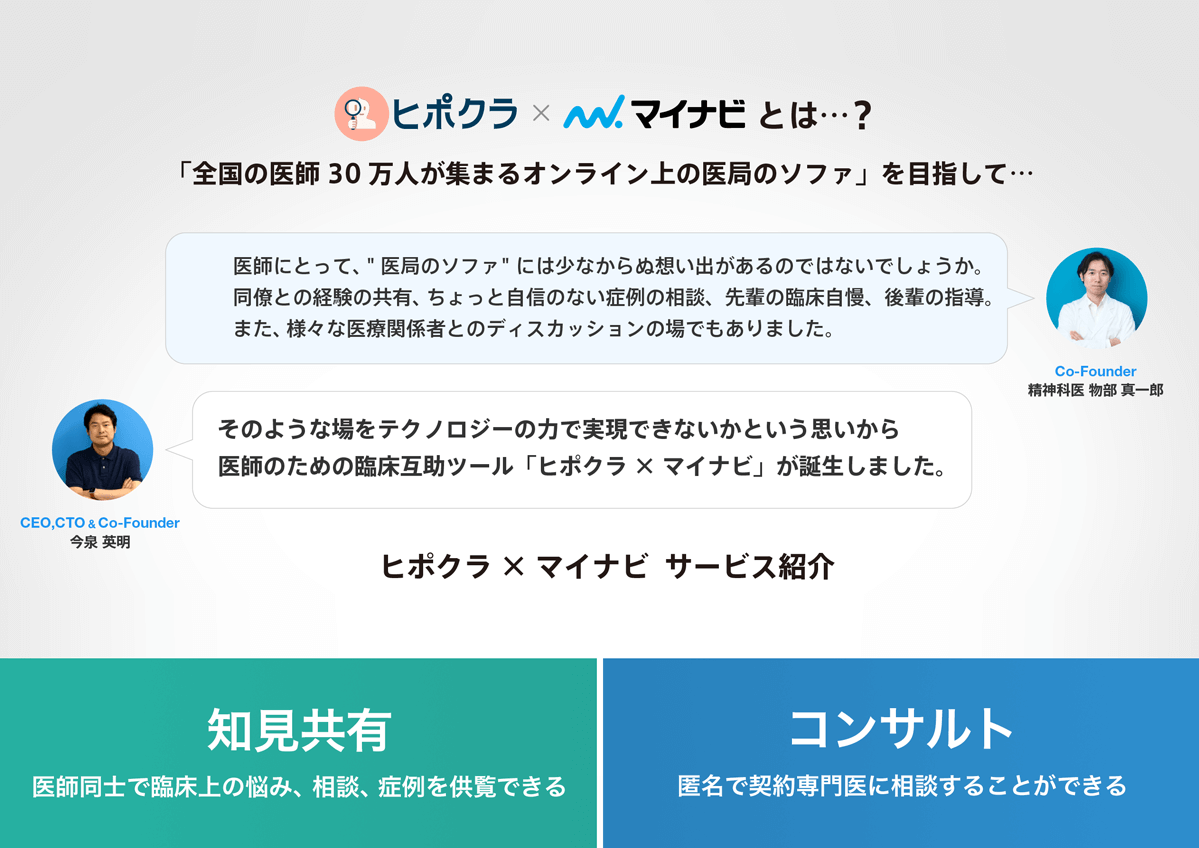
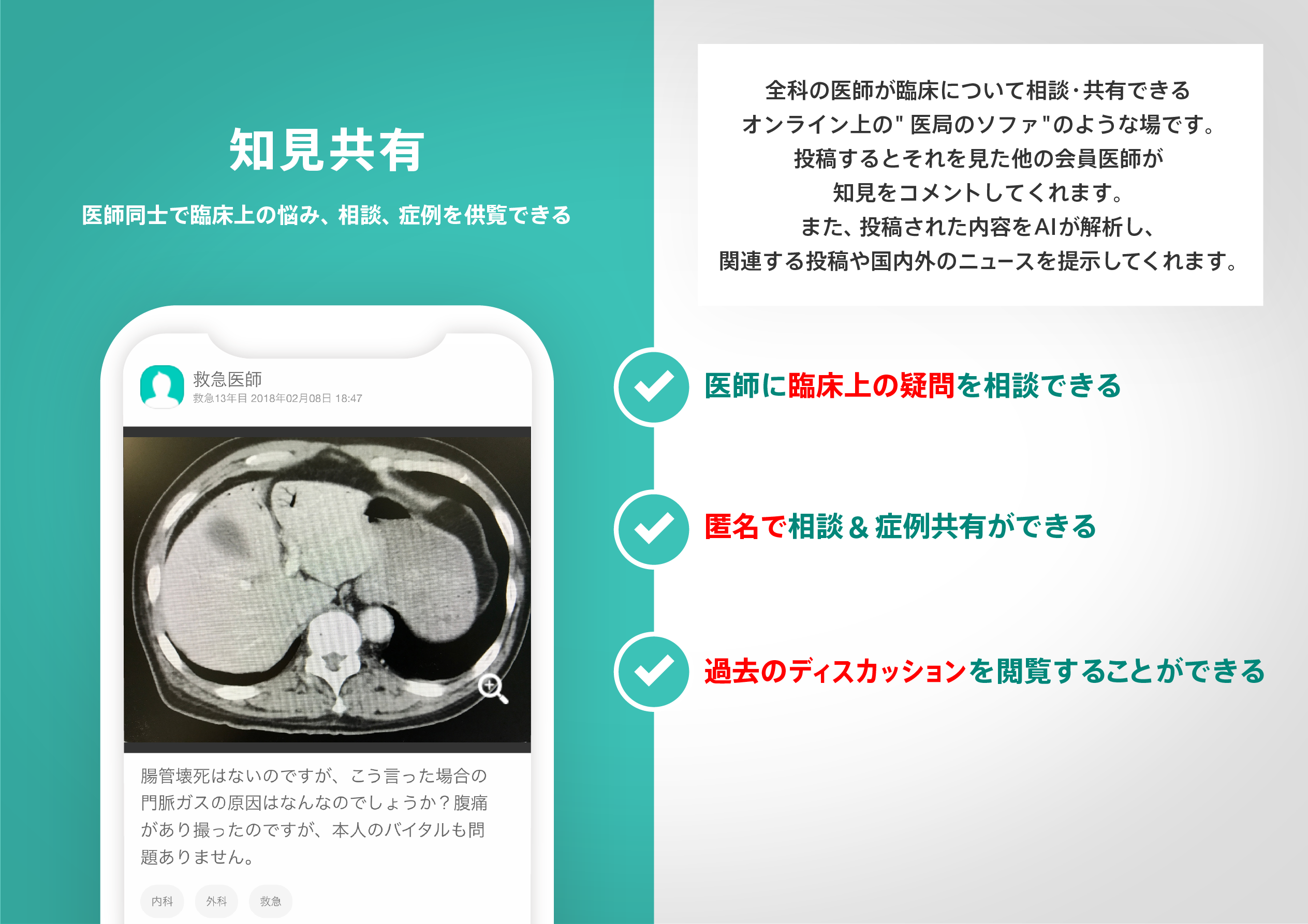
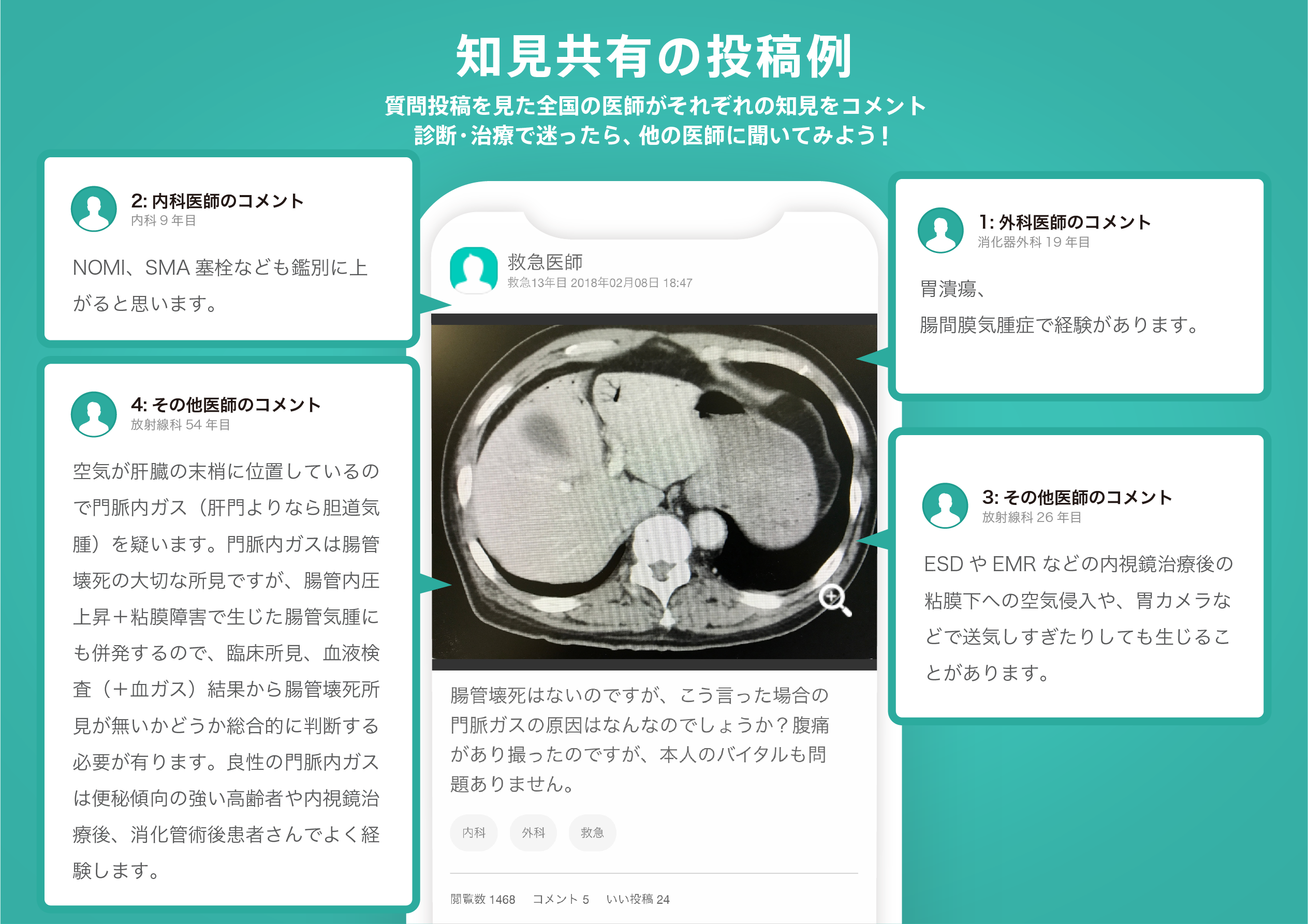
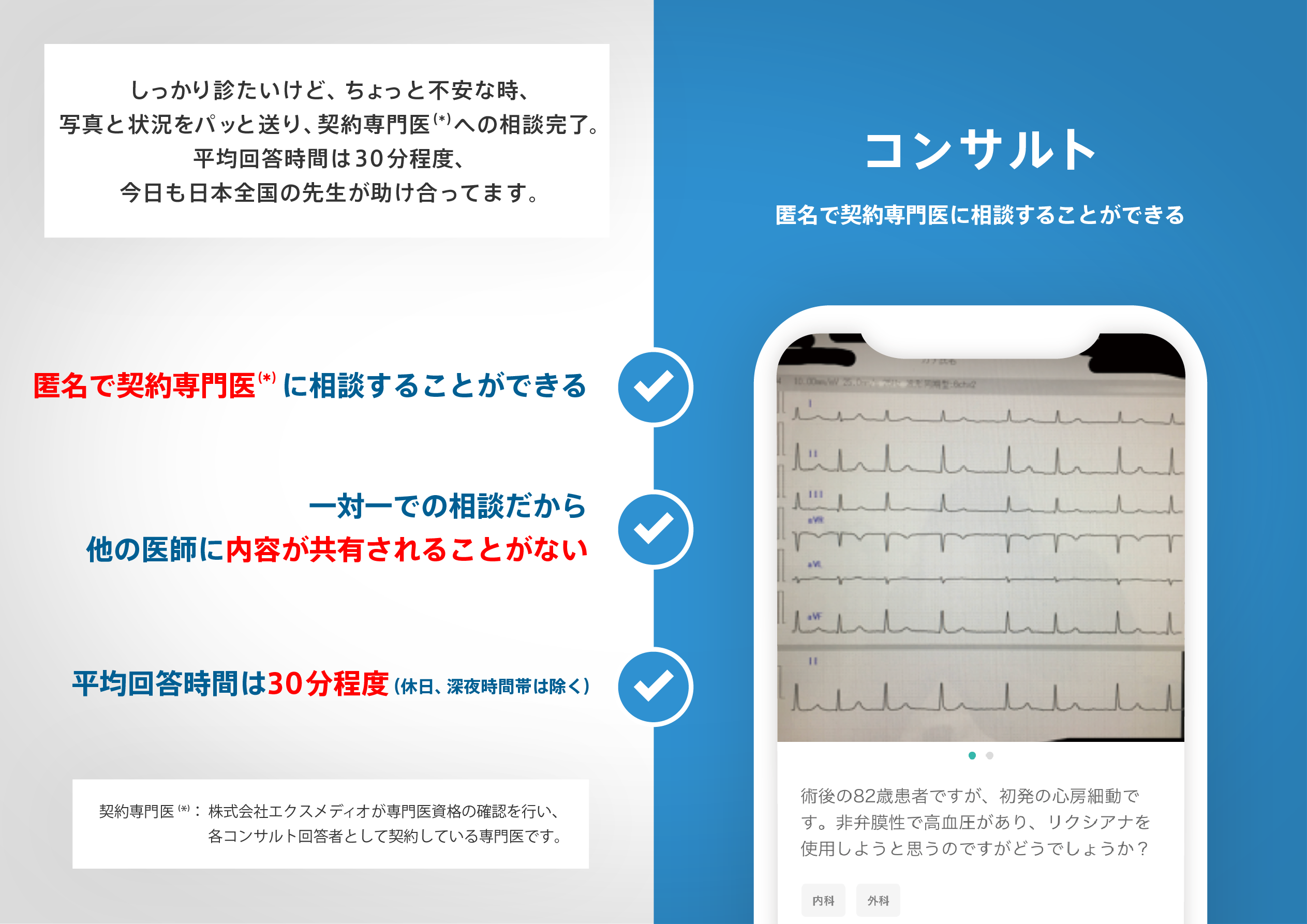
ヒポクラ x マイナビのご紹介

無料会員登録していただくと、さらに便利で効率的な検索が可能になります。