著名医師による解説が無料で読めます
すると翻訳の精度が向上します
背景:集中源と接触の後、急性B型肝炎ウイルス(HBV)感染の20%を追跡すると、原因不明のままです。唾液は、HBV DNA伝播の予期しない媒体かもしれません。 目的:この仮説をさらに調査するために、唾液中のHBV DNAの定量的レベルを評価し、これらを血清で測定したHBV DNAレベルと比較しました。 研究デザイン:外来クリニックに参加する27人の慢性HBV患者から血清と唾液を収集しました。 結果:16人の男性と11人の女性がいました。15人の患者はHBEAG陽性、抗HBE陰性であり、11人の患者はHBEAG陰性であり、抗HBE陽性でした。1人の患者はHBEAGで、反HBE陰性でした。同じ日に血清と唾液のサンプルが収集されました。すべての唾液標本は検査時に明確でした。血清中のHBV DNAは、Digene Hybrid Capture II Microplateアッセイ(Digene Diagnostics)、HBVモニターアッセイ(Roche Diagnostics)、および社内で開発されたHBV DNA TaqManアッセイによって測定されました。HBV DNA Taqmanアッセイは、唾液中のHBV DNAの定量的測定に使用されました。血清中のHBV DNAレベルの中央値は2.10 x 10(5)GEQ/mLで、373 ML(GEQ/mL)あたりのゲノム相当373 x 10(9)GEQ/mLの範囲でした。唾液中のHBV DNAレベルの中央値は2.27 x 10(4)GEQ/mLで、373 GEQ/mLから9.25 x 10(6)GEQ/mLの範囲でした。血清中のHBV DNAと唾液の間に明確な相関が示されました。唾液中のログHBV DNA = 1.01 + 0.56 x(血清中のlog HBV DNA)。 結論:これは、唾液中のHBV DNAレベルの正確な定量的測定と血清中のHBV DNAレベルとの関係の最初の報告です。私たちの発見は、唾液がHBV DNAの源であることを示しています。この発見は、唾液の感染性に対する選択された患者に影響を与え、HBV感染の伝播の経路に関するさらなる洞察を提供する可能性があります。
背景:集中源と接触の後、急性B型肝炎ウイルス(HBV)感染の20%を追跡すると、原因不明のままです。唾液は、HBV DNA伝播の予期しない媒体かもしれません。 目的:この仮説をさらに調査するために、唾液中のHBV DNAの定量的レベルを評価し、これらを血清で測定したHBV DNAレベルと比較しました。 研究デザイン:外来クリニックに参加する27人の慢性HBV患者から血清と唾液を収集しました。 結果:16人の男性と11人の女性がいました。15人の患者はHBEAG陽性、抗HBE陰性であり、11人の患者はHBEAG陰性であり、抗HBE陽性でした。1人の患者はHBEAGで、反HBE陰性でした。同じ日に血清と唾液のサンプルが収集されました。すべての唾液標本は検査時に明確でした。血清中のHBV DNAは、Digene Hybrid Capture II Microplateアッセイ(Digene Diagnostics)、HBVモニターアッセイ(Roche Diagnostics)、および社内で開発されたHBV DNA TaqManアッセイによって測定されました。HBV DNA Taqmanアッセイは、唾液中のHBV DNAの定量的測定に使用されました。血清中のHBV DNAレベルの中央値は2.10 x 10(5)GEQ/mLで、373 ML(GEQ/mL)あたりのゲノム相当373 x 10(9)GEQ/mLの範囲でした。唾液中のHBV DNAレベルの中央値は2.27 x 10(4)GEQ/mLで、373 GEQ/mLから9.25 x 10(6)GEQ/mLの範囲でした。血清中のHBV DNAと唾液の間に明確な相関が示されました。唾液中のログHBV DNA = 1.01 + 0.56 x(血清中のlog HBV DNA)。 結論:これは、唾液中のHBV DNAレベルの正確な定量的測定と血清中のHBV DNAレベルとの関係の最初の報告です。私たちの発見は、唾液がHBV DNAの源であることを示しています。この発見は、唾液の感染性に対する選択された患者に影響を与え、HBV感染の伝播の経路に関するさらなる洞察を提供する可能性があります。
BACKGROUND: After intensive source and contact tracing 20 % of acute Hepatitis B virus (HBV) infections remain unexplained. Saliva may be an unexpected vehicle of HBV DNA transmission. OBJECTIVE: To further explore this hypothesis we evaluated the quantitative levels of HBV DNA in saliva and compared these with the HBV DNA levels measured in serum. STUDY DESIGN: Serum and saliva were collected from 27 chronic HBV patients attending our outpatient clinic. RESULTS: There were 16 men and 11 women; 15 patients were HBeAg positive, anti-HBe negative and 11 patients were HBeAg negative, anti-HBe positive. One patient was HBeAg and anti-HBe negative. Samples of serum and saliva were collected on the same day. All saliva specimens were clear on inspection. HBV DNA in serum was measured by the Digene Hybrid Capture II microplate assay (Digene Diagnostics), the HBV Monitor assay (Roche Diagnostics) as well as an in-house developed HBV DNA TaqMan assay. The HBV DNA TaqMan assay was used for the quantitative measurement of HBV DNA in saliva. Median HBV DNA levels in serum were 2.10 x 10(5) geq/ml and ranged from 373 genome equivalents per ml (geq/ml) to 4.13 x 10(9) geq/ml; median HBV DNA levels in saliva were 2.27 x 10(4) geq/ml and ranged from 373 geq/ml to 9.25 x 10(6) geq/ml. A clear correlation was shown between HBV DNA in serum and saliva; log HBV DNA in saliva=1.01 + 0.56 x (log HBV DNA in serum). CONCLUSIONS: this is the first report of precise quantitative measurements of HBV DNA levels in saliva and the relationship with HBV DNA levels in serum. Our findings show that saliva is a source of HBV DNA. This finding may have implications in selected patients for the infectivity of saliva and offer further insight in the routes of transmission of HBV infection.
医師のための臨床サポートサービス
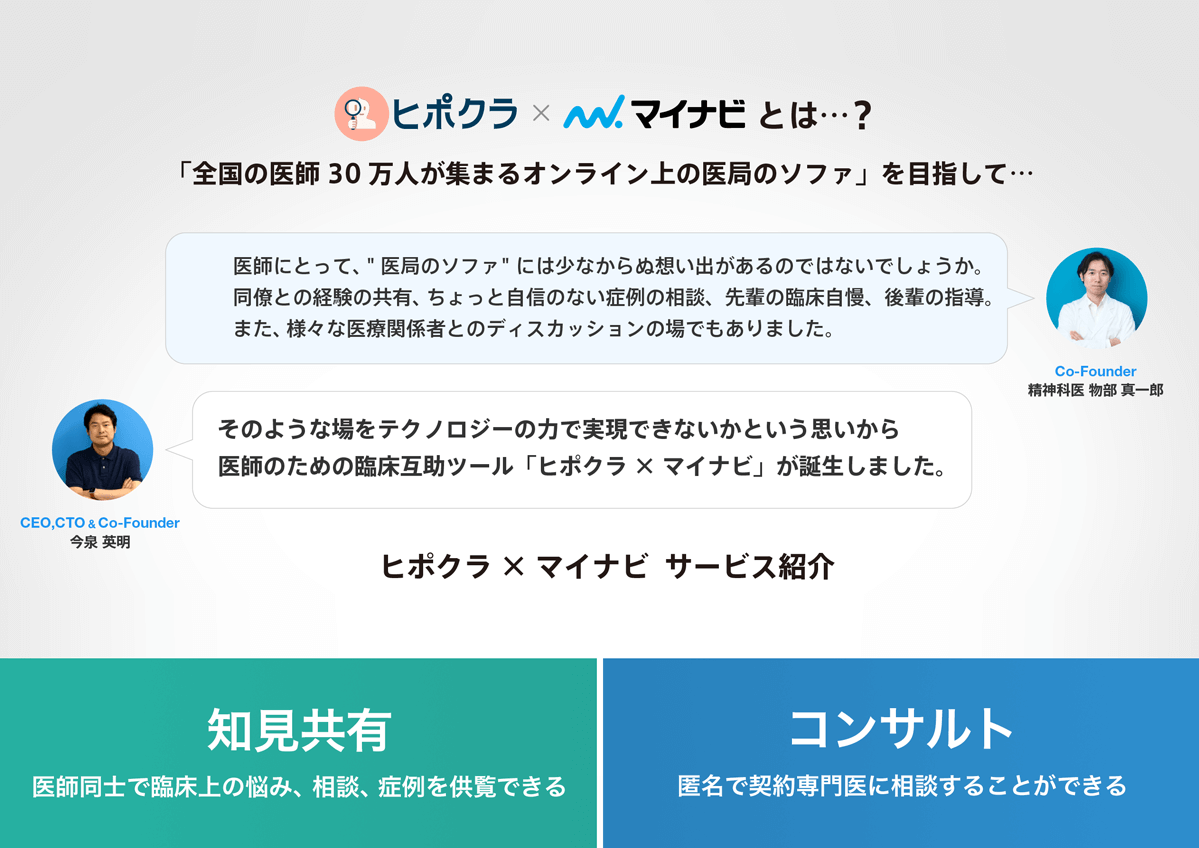
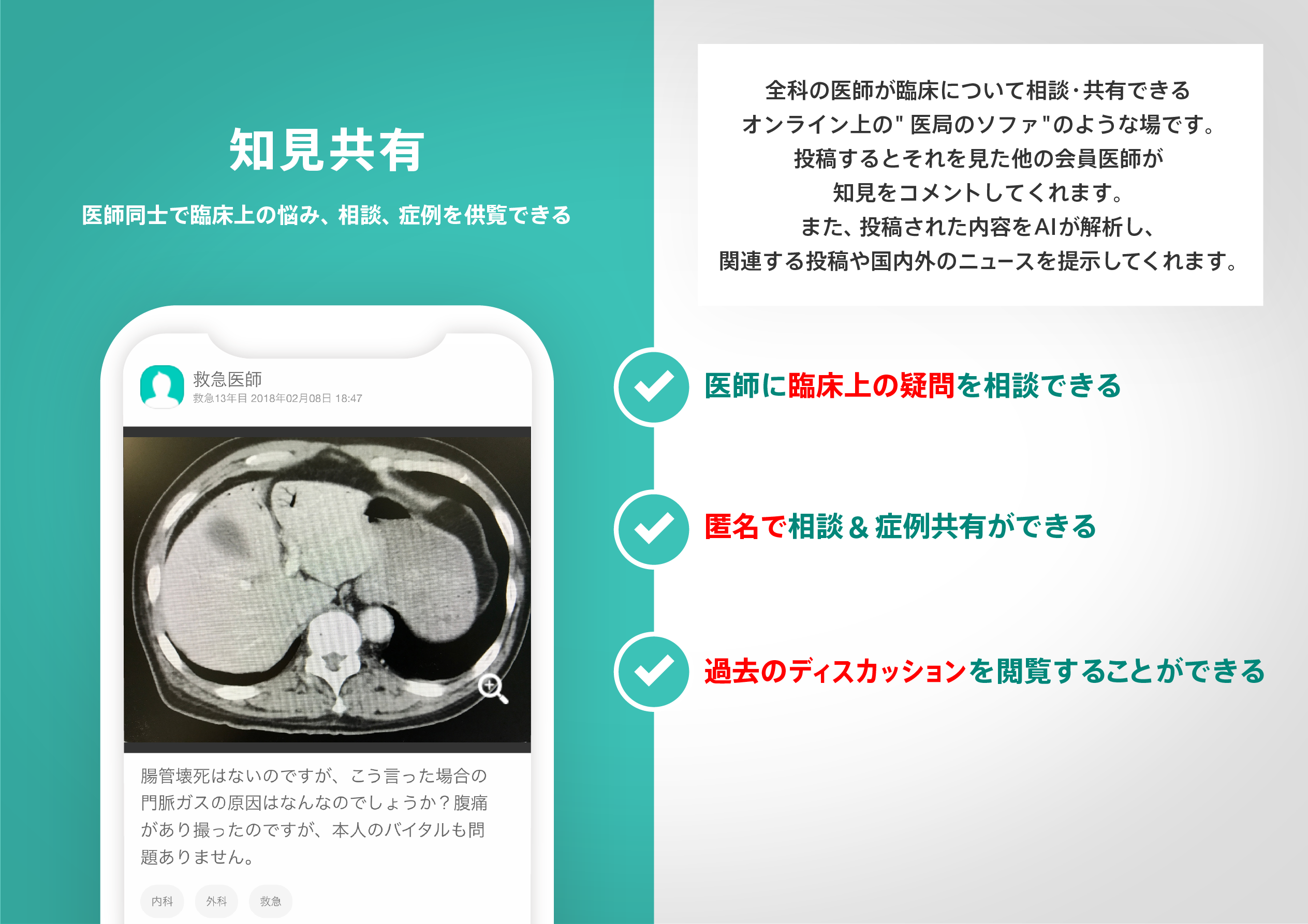
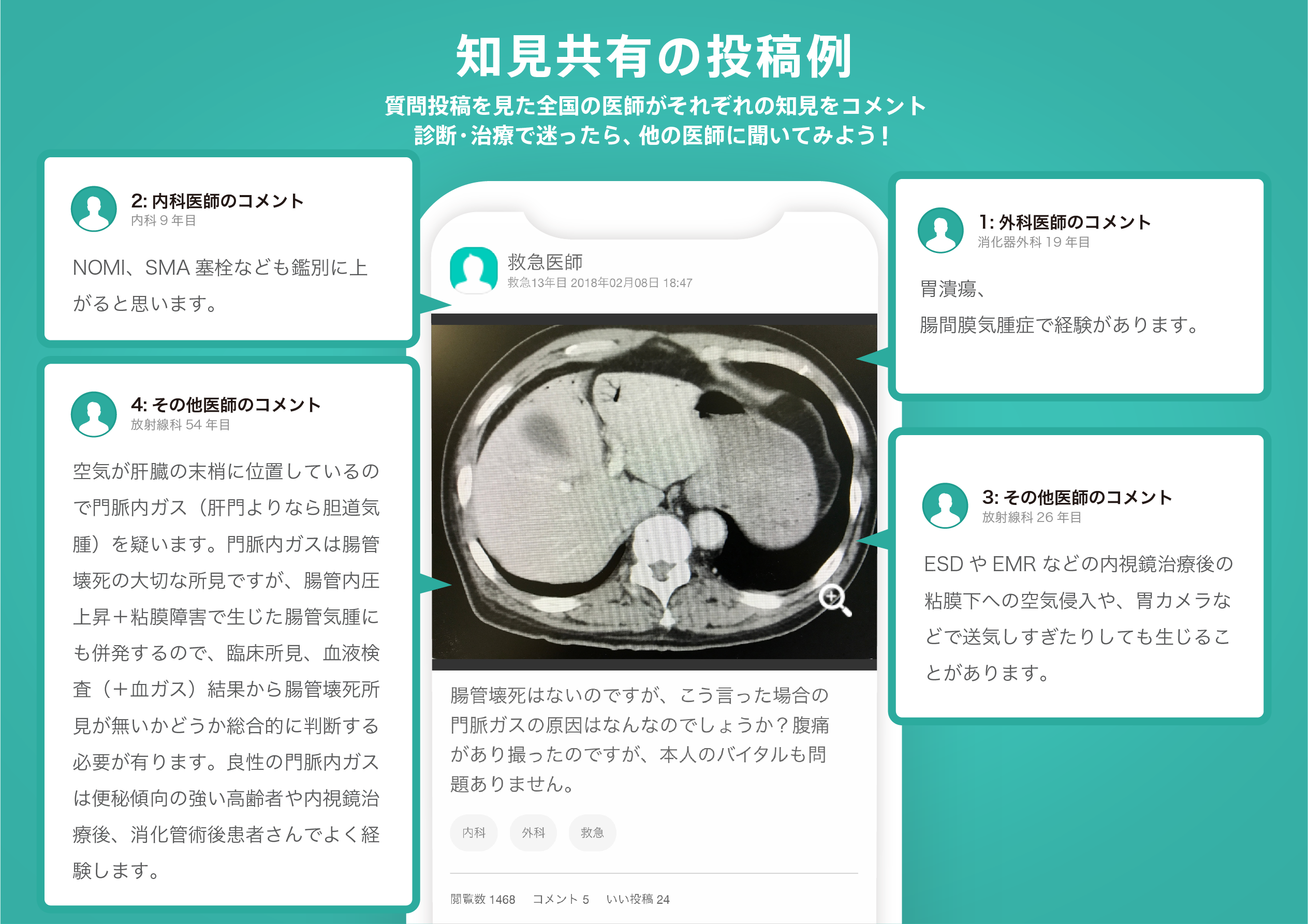
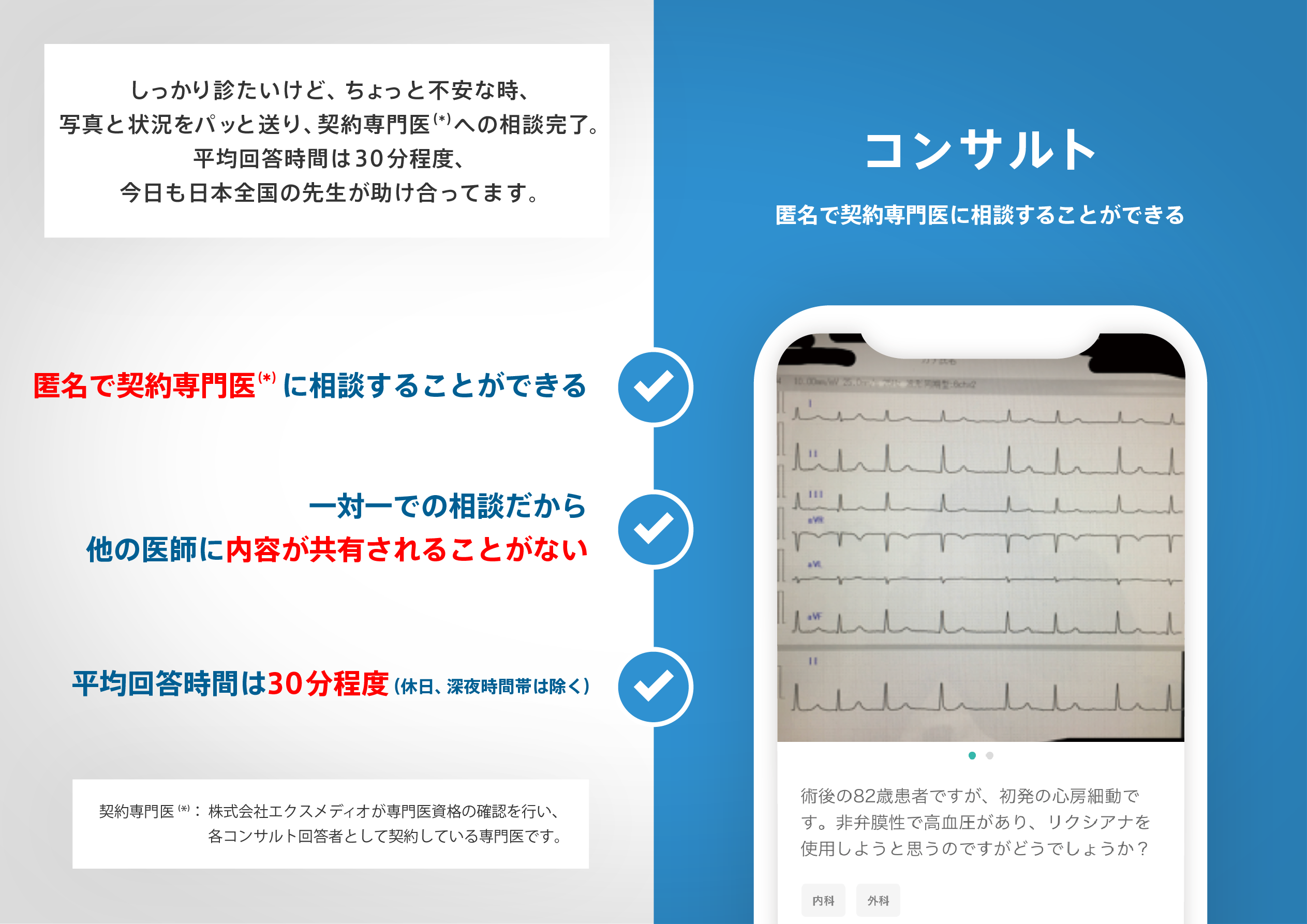
ヒポクラ x マイナビのご紹介

無料会員登録していただくと、さらに便利で効率的な検索が可能になります。