著名医師による解説が無料で読めます
すると翻訳の精度が向上します
ノッチシグナル伝達は、細胞間シグナル伝達に関与する進化的保存経路であり、開発中の適切な細胞運命の選択に不可欠です。したがって、それは、特に内細胞質量と胚盤胞の栄養皮皮皮筋の間で、細胞間シグナル伝達が重要な役割を果たしているマウスの埋め立て発達に関与する可能性があります。額面では、マウスで知られている4つのノッチ遺伝子のそれぞれを破壊するときに観察される表現型は、この見解の摂動が含まれないため、この見解を支持しません。ただし、これは機能的な冗長性および/または母体の発現が原因である可能性があります。この問題に対処するための最初のステップとして、ノッチシグナル伝達に関与することが知られているさまざまな遺伝子の早期発達における発現を調べることにしました。ここでは、notch1-4、jagged1(jag1)、jag2、delta-like1(dll-1)、dll-3、dll-4、rbpsuh、deltex1(dtx1)およびdtx2遺伝子の発現パターンについて報告します。RT-PCR戦略を使用した後期胚盤胞段階まで、未受精卵。Notch1、2、Jag1-2、DLL-3、RBPSUH、およびDTX2転写産物がすべての段階で発現することを示します。Notch4およびDLL-4 mRNAは、2細胞からhatch化した胚盤胞段階まで合成されます。NOTCH3、DLL-1、およびDTX1は、2細胞胚およびhatch化した胚盤胞で検出されるため、段階に依存する式を除外しますが、モルラ段階では存在しないか、弱く検出されます。最後に、上記の遺伝子はすべて、それぞれ胚性および栄養芽球幹細胞(ESおよびTS細胞)の両方で発現していることを示します。我々の結果は、マウスの移植前発達中にノッチ経路が活性である可能性があることを示唆しています。
ノッチシグナル伝達は、細胞間シグナル伝達に関与する進化的保存経路であり、開発中の適切な細胞運命の選択に不可欠です。したがって、それは、特に内細胞質量と胚盤胞の栄養皮皮皮筋の間で、細胞間シグナル伝達が重要な役割を果たしているマウスの埋め立て発達に関与する可能性があります。額面では、マウスで知られている4つのノッチ遺伝子のそれぞれを破壊するときに観察される表現型は、この見解の摂動が含まれないため、この見解を支持しません。ただし、これは機能的な冗長性および/または母体の発現が原因である可能性があります。この問題に対処するための最初のステップとして、ノッチシグナル伝達に関与することが知られているさまざまな遺伝子の早期発達における発現を調べることにしました。ここでは、notch1-4、jagged1(jag1)、jag2、delta-like1(dll-1)、dll-3、dll-4、rbpsuh、deltex1(dtx1)およびdtx2遺伝子の発現パターンについて報告します。RT-PCR戦略を使用した後期胚盤胞段階まで、未受精卵。Notch1、2、Jag1-2、DLL-3、RBPSUH、およびDTX2転写産物がすべての段階で発現することを示します。Notch4およびDLL-4 mRNAは、2細胞からhatch化した胚盤胞段階まで合成されます。NOTCH3、DLL-1、およびDTX1は、2細胞胚およびhatch化した胚盤胞で検出されるため、段階に依存する式を除外しますが、モルラ段階では存在しないか、弱く検出されます。最後に、上記の遺伝子はすべて、それぞれ胚性および栄養芽球幹細胞(ESおよびTS細胞)の両方で発現していることを示します。我々の結果は、マウスの移植前発達中にノッチ経路が活性である可能性があることを示唆しています。
Notch signaling is an evolutionary conserved pathway involved in intercellular signaling and essential for proper cell fate choices during development. Thus, it could be involved in mouse preimplantation development where intercellular signaling plays a crucial role, particularly between the inner cell mass and the trophectoderm of the blastocyst. At their face value, the phenotypes observed when disrupting each of the four Notch genes known in the mouse do not support this view as none of them involves perturbation of preimplantation development. However this could be due to functional redundancy and/or maternal expression. As a first step to address this issue, we decided to examine the expression in early development of various genes known to participate in Notch signaling. Here, we report on the expression pattern of Notch1-4, Jagged1 (Jag1), Jag2, Delta-like1 (Dll-1), Dll-3, Dll-4, Rbpsuh, Deltex1(Dtx1)and Dtx2 genes during preimplantation development from unfertilized eggs until late blastocyst stage using a RT-PCR strategy. We show that Notch1, 2, Jag1-2, Dll-3, Rbpsuh and Dtx2 transcripts are expressed at all stages. Notch4 and Dll-4 mRNAs are synthesized from the 2-cell through to the hatched blastocyst stage. Notch3, Dll-1 and Dtx1exhibit a stage dependent expression as their mRNAs are detected in 2-cell embryos and in hatched blastocysts, but are absent or weakly detected at the morula stage. Finally, we show that all the above genes are expressed both in Embryonic and Trophoblast Stem cells (ES and TS cells, respectively). Our results suggest that the Notch pathway may be active during mouse preimplantation development.
医師のための臨床サポートサービス
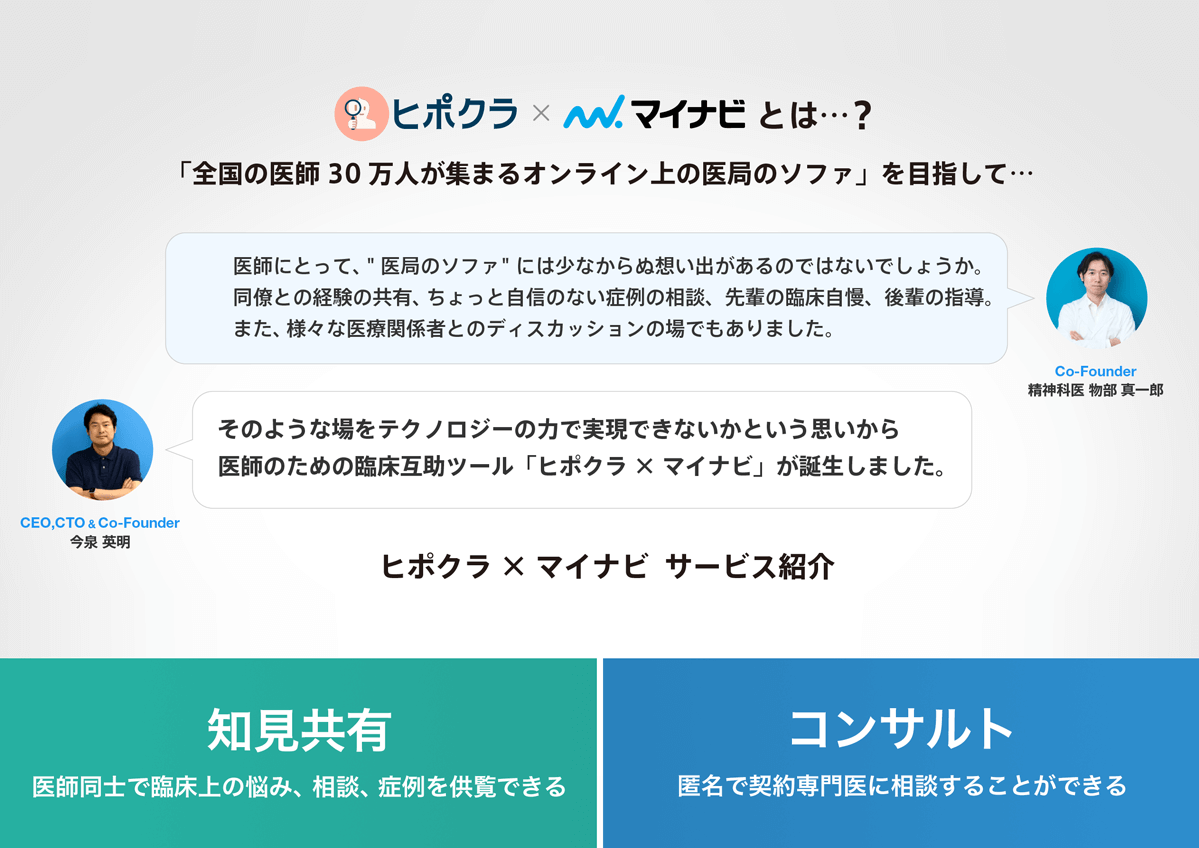
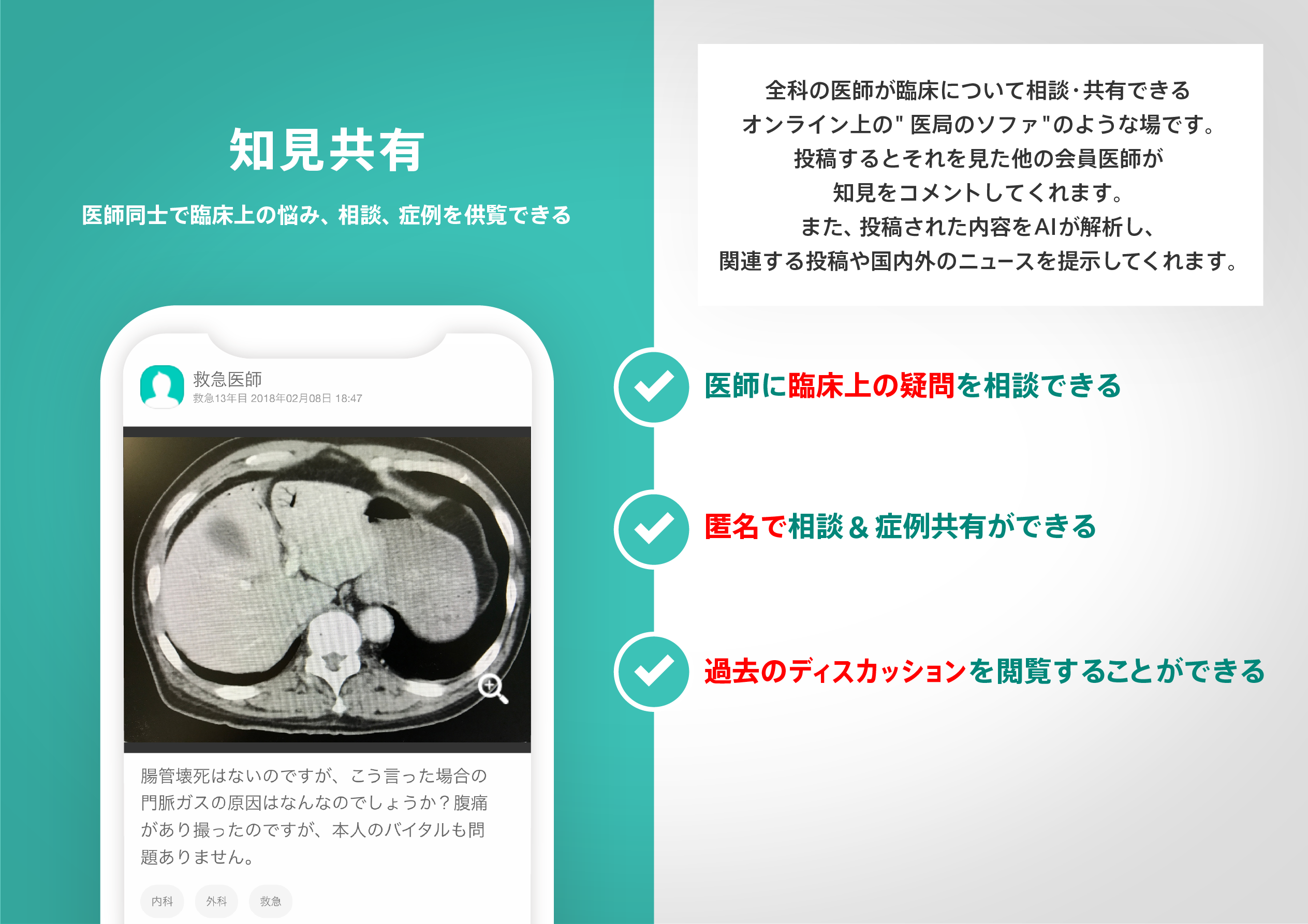
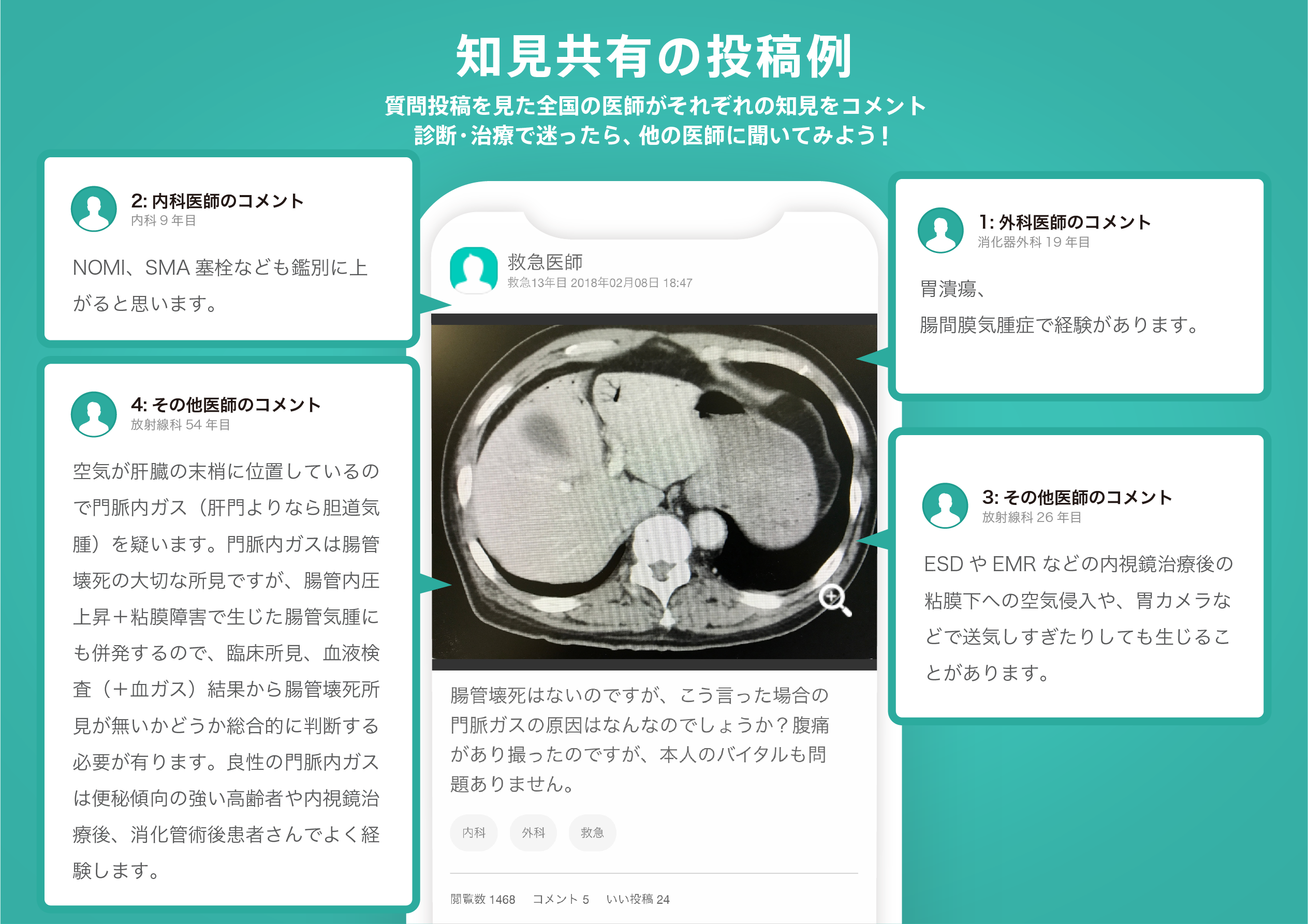
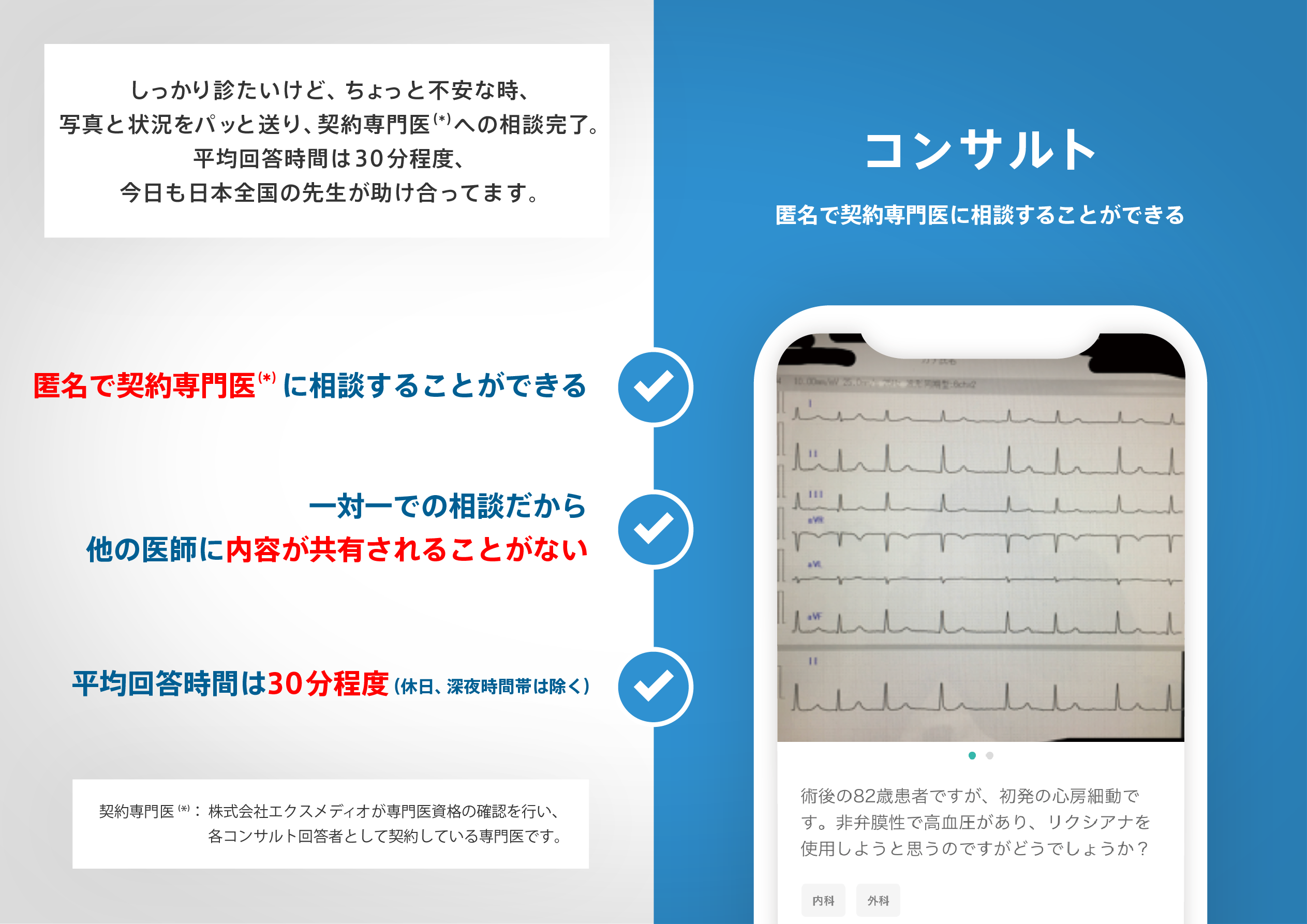
ヒポクラ x マイナビのご紹介

無料会員登録していただくと、さらに便利で効率的な検索が可能になります。