著名医師による解説が無料で読めます
すると翻訳の精度が向上します
目的:段階的治療プロトコルを使用した関節内ピロン骨折の開放還元と内部固定により、外科的創傷合併症が最小限に抑えられるかどうかを判断します。 デザイン:回顧展。 設定:レベル1トラウマセンター。 患者/参加者:1991年1月から1996年12月の間に、226の毛皮骨折(AOタイプ43A-C)が治療され、そのうち108はAOタイプ43Cでした。56の骨折は、治療プロトコルの遡及的分析に含まれていました。負傷は、グループ1、34個の閉じた骨折、およびグループII、22個の開いた骨折(3つのGustiloタイプ1、6型II、8型IIIA、5型IIIB)に分けられました。 方法:プロトコルは、骨折したときのfi骨の即時(24時間以内)の開いた削減と内部固定で構成され、3分の1の管状または3.5ミリメートルの動的圧縮プレートと足首関節にまたがる外部固定器の適用を使用しました。孤立した損傷のある患者は、最初の安定化後に退院し、決定的な再建のために再入院しました。ポリトラウマ患者は入院したままで、観察されました。軟部組織の腫れが沈んだときに、メッキによる関節表面の正式な開いた再構築が行われました。合併症は、入院を必要とする創傷問題として定義されました。その後、すべての影響を受けた手足は、チャートとレントゲン写真のレビュー、患者インタビュー、および外科的創傷治癒が完了するまで、最低12か月間身体検査を介して評価されました。 結果:グループI(閉じたピアン):30の骨折のうち29(97%)でフォローアップが可能でした。外部固定からオープンリダクションまでの平均時間は12。7日でした。すべての傷が癒されました。術後の二次軟部組織被覆を必要とする創傷裂開または全厚の組織壊死を示すものはありませんでした。17%(29人の患者のうち5人)が厚さの皮膚壊死を患っていました。すべてが局所創傷ケアと経口抗生物質で治療され、平穏に治癒しました。1つの後期合併症(3.4%)があり、骨髄炎に続発する慢性排水洞があり、骨折の治癒と金属除去の後に解消されました。グループII(オープンピロン):19人の骨折(86%)の17人の患者ではフォローアップが可能でした。外部固定から正式な再建までの平均時間は14日間(範囲4〜31日)でした。定義上、すべてのGustilo Type IIIB骨折には、怪我のためにフラップカバレッジが必要でした。2人の患者が部分的な厚さの創傷壊死を経験しました。これらは、局所創傷ケアと抗生物質で治療されました。すべての外科的傷が癒されました。2つの合併症(10.5%)、両方とも深い感染症がありました。1つのタイプIの開いた骨折により、複数のデブリドメント、静脈内抗生物質、その後のハードウェアの除去、および感染を治すための外部固定器の再適用を必要とする創傷裂開と骨髄炎が発生しました。一型IIIA遠位脛骨とcal骨の開いた骨折は、骨髄炎を発症し、膝以下の切断を必要としました。 結論:私たちのデータに基づいて、毛皮骨折の開放還元と内部固定に関連する歴史的に高い感染率は、腫れた、低下した軟部組織を介した即時固定の試みによるものであると思われます。fi骨の長さと脛骨の外部固定の初期回復で段階的な手順を実行すると、軟部組織の安定化が可能になります。軟部組織の腫れが大幅に減少すると、解剖学的還元と内部固定は、最小限の創傷問題のみで半電解されます。これは、シリーズの皮膚移植片、回転フラップ、または遊離組織の移動の欠如によって証明されています。この手法は、閉じた骨折や開いた骨折にも効果的であるように見えます。
目的:段階的治療プロトコルを使用した関節内ピロン骨折の開放還元と内部固定により、外科的創傷合併症が最小限に抑えられるかどうかを判断します。 デザイン:回顧展。 設定:レベル1トラウマセンター。 患者/参加者:1991年1月から1996年12月の間に、226の毛皮骨折(AOタイプ43A-C)が治療され、そのうち108はAOタイプ43Cでした。56の骨折は、治療プロトコルの遡及的分析に含まれていました。負傷は、グループ1、34個の閉じた骨折、およびグループII、22個の開いた骨折(3つのGustiloタイプ1、6型II、8型IIIA、5型IIIB)に分けられました。 方法:プロトコルは、骨折したときのfi骨の即時(24時間以内)の開いた削減と内部固定で構成され、3分の1の管状または3.5ミリメートルの動的圧縮プレートと足首関節にまたがる外部固定器の適用を使用しました。孤立した損傷のある患者は、最初の安定化後に退院し、決定的な再建のために再入院しました。ポリトラウマ患者は入院したままで、観察されました。軟部組織の腫れが沈んだときに、メッキによる関節表面の正式な開いた再構築が行われました。合併症は、入院を必要とする創傷問題として定義されました。その後、すべての影響を受けた手足は、チャートとレントゲン写真のレビュー、患者インタビュー、および外科的創傷治癒が完了するまで、最低12か月間身体検査を介して評価されました。 結果:グループI(閉じたピアン):30の骨折のうち29(97%)でフォローアップが可能でした。外部固定からオープンリダクションまでの平均時間は12。7日でした。すべての傷が癒されました。術後の二次軟部組織被覆を必要とする創傷裂開または全厚の組織壊死を示すものはありませんでした。17%(29人の患者のうち5人)が厚さの皮膚壊死を患っていました。すべてが局所創傷ケアと経口抗生物質で治療され、平穏に治癒しました。1つの後期合併症(3.4%)があり、骨髄炎に続発する慢性排水洞があり、骨折の治癒と金属除去の後に解消されました。グループII(オープンピロン):19人の骨折(86%)の17人の患者ではフォローアップが可能でした。外部固定から正式な再建までの平均時間は14日間(範囲4〜31日)でした。定義上、すべてのGustilo Type IIIB骨折には、怪我のためにフラップカバレッジが必要でした。2人の患者が部分的な厚さの創傷壊死を経験しました。これらは、局所創傷ケアと抗生物質で治療されました。すべての外科的傷が癒されました。2つの合併症(10.5%)、両方とも深い感染症がありました。1つのタイプIの開いた骨折により、複数のデブリドメント、静脈内抗生物質、その後のハードウェアの除去、および感染を治すための外部固定器の再適用を必要とする創傷裂開と骨髄炎が発生しました。一型IIIA遠位脛骨とcal骨の開いた骨折は、骨髄炎を発症し、膝以下の切断を必要としました。 結論:私たちのデータに基づいて、毛皮骨折の開放還元と内部固定に関連する歴史的に高い感染率は、腫れた、低下した軟部組織を介した即時固定の試みによるものであると思われます。fi骨の長さと脛骨の外部固定の初期回復で段階的な手順を実行すると、軟部組織の安定化が可能になります。軟部組織の腫れが大幅に減少すると、解剖学的還元と内部固定は、最小限の創傷問題のみで半電解されます。これは、シリーズの皮膚移植片、回転フラップ、または遊離組織の移動の欠如によって証明されています。この手法は、閉じた骨折や開いた骨折にも効果的であるように見えます。
OBJECTIVE: To determine whether open reduction and internal fixation of intra-articular pilon fractures using a staged treatment protocol results in minimal surgical wound complications. DESIGN: Retrospective. SETTING: Level 1 trauma center. PATIENTS/PARTICIPANTS: Between January 1991 and December 1996, 226 pilon fractures (AO types 43A-C) were treated, of which 108 were AO type 43C. Fifty-six fractures were included in a retrospective analysis of a treatment protocol. Injuries were divided into Group 1, thirty-four closed fractures, and Group II, twenty-two open fractures (three Gustilo Type 1, six Type II, eight Type IIIA, five Type IIIB). METHODS: The protocol consisted of immediate (within twenty-four hour) open reduction and internal fixation of the fibula when fractured, using a one-third tubular or 3.5-millimeter dynamic compression plate and application of an external fixator spanning the ankle joint. Patients with isolated injuries were discharged after initial stabilization and readmitted for the definitive reconstruction. Polytrauma patients remained hospitalized and were observed. Formal open reconstruction of the articular surface by plating was performed when soft tissue swelling had subsided. Complications were defined as wound problems requiring hospitalization. All affected limbs were then evaluated via chart and radiograph review, patient interviews, and physical examination until surgical wound healing was complete, for a minimum of twelve months. RESULTS: Group I (closed pilon): Follow-up was possible in twenty-nine out of thirty fractures (97 percent). Average time from external fixation to open reduction was 12.7 days. All wounds healed. None exhibited wound dehiscence or full thickness tissue necrosis requiring secondary soft tissue coverage postoperatively. Seventeen percent (five out of twenty-nine patients) had partial-thickness skin necrosis. All were treated with local wound care and oral antibiotics and healed uneventfully. There was one late complication (3.4 percent), a chronic draining sinus secondary to osteomyelitis, which resolved after fracture healing and metal removal. Group II (open pilon): Follow-up was possible in seventeen patients with nineteen fractures (86 percent). Average time from external fixation to formal reconstruction was fourteen days (range 4 to 31 days). By definition, all Gustilo Type IIIB fractures required flap coverage for the injury. Two patients experienced partial-thickness wound necrosis. These were treated with local wound care and antibiotics. All surgical wounds healed. There were two complications (10.5 percent), both deep infections. One Type I open fracture developed wound dehiscence and osteomyelitis requiring multiple debridements, intravenous antibiotics, subsequent removal of hardware, and re-application of external fixator to cure the infection. One Type IIIA open fracture of the distal tibia and calcaneus developed osteomyelitis and required a below-knee amputation. CONCLUSION: Based on our data, it appears that the historically high rates of infection associated with open reduction and internal fixation of pilon fractures may be due to attempts at immediate fixation through swollen, compromised soft tissues. When a staged procedure is performed with initial restoration of fibula length and tibial external fixation, soft tissue stabilization is possible. Once soft tissue swelling has significantly diminished, anatomic reduction and internal fixation can then be performed semi-electively with only minimal wound problems. This is evidenced by the lack of skin grafts, rotation flaps, or free tissue transfers in our series. This technique appears to be effective in closed and open fractures alike.
医師のための臨床サポートサービス
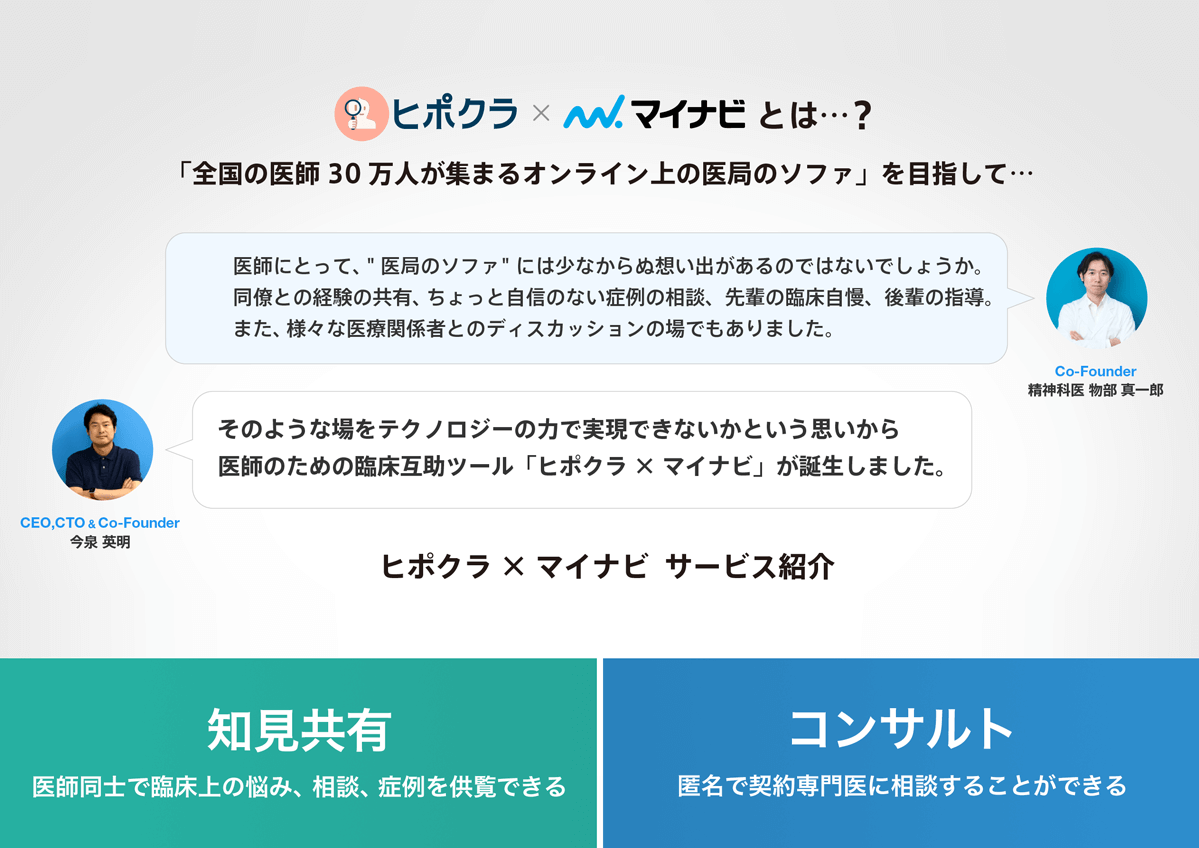
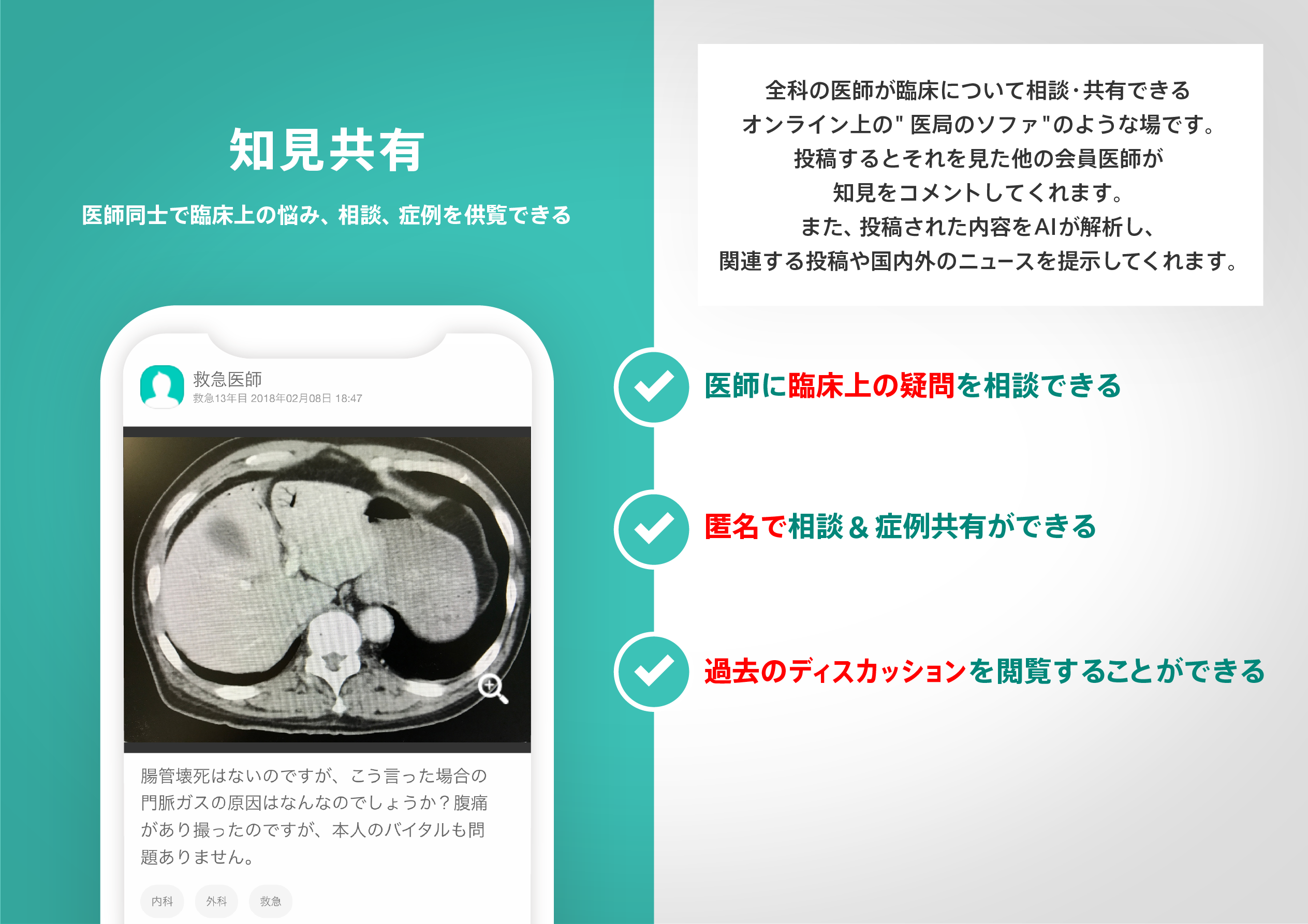
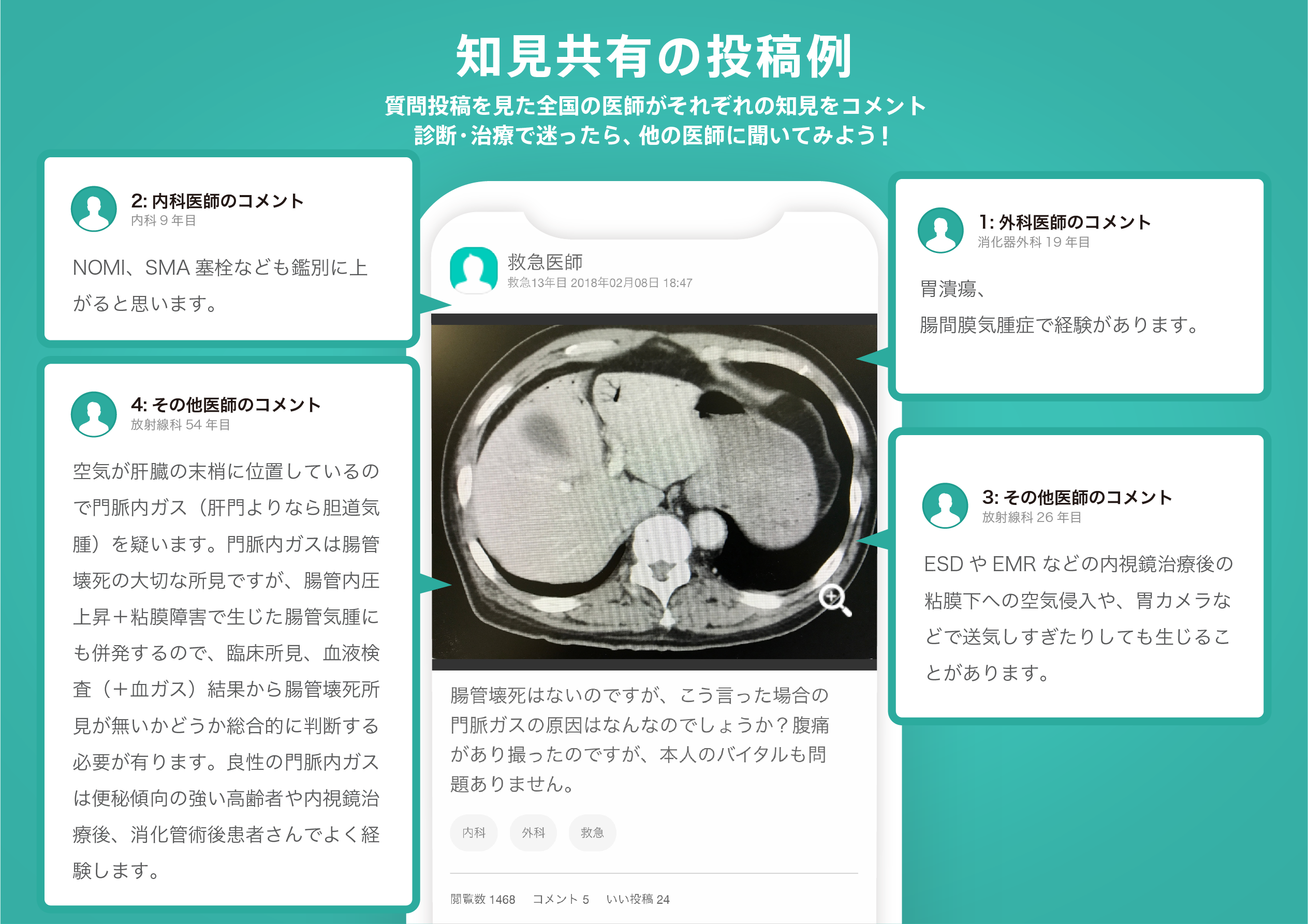
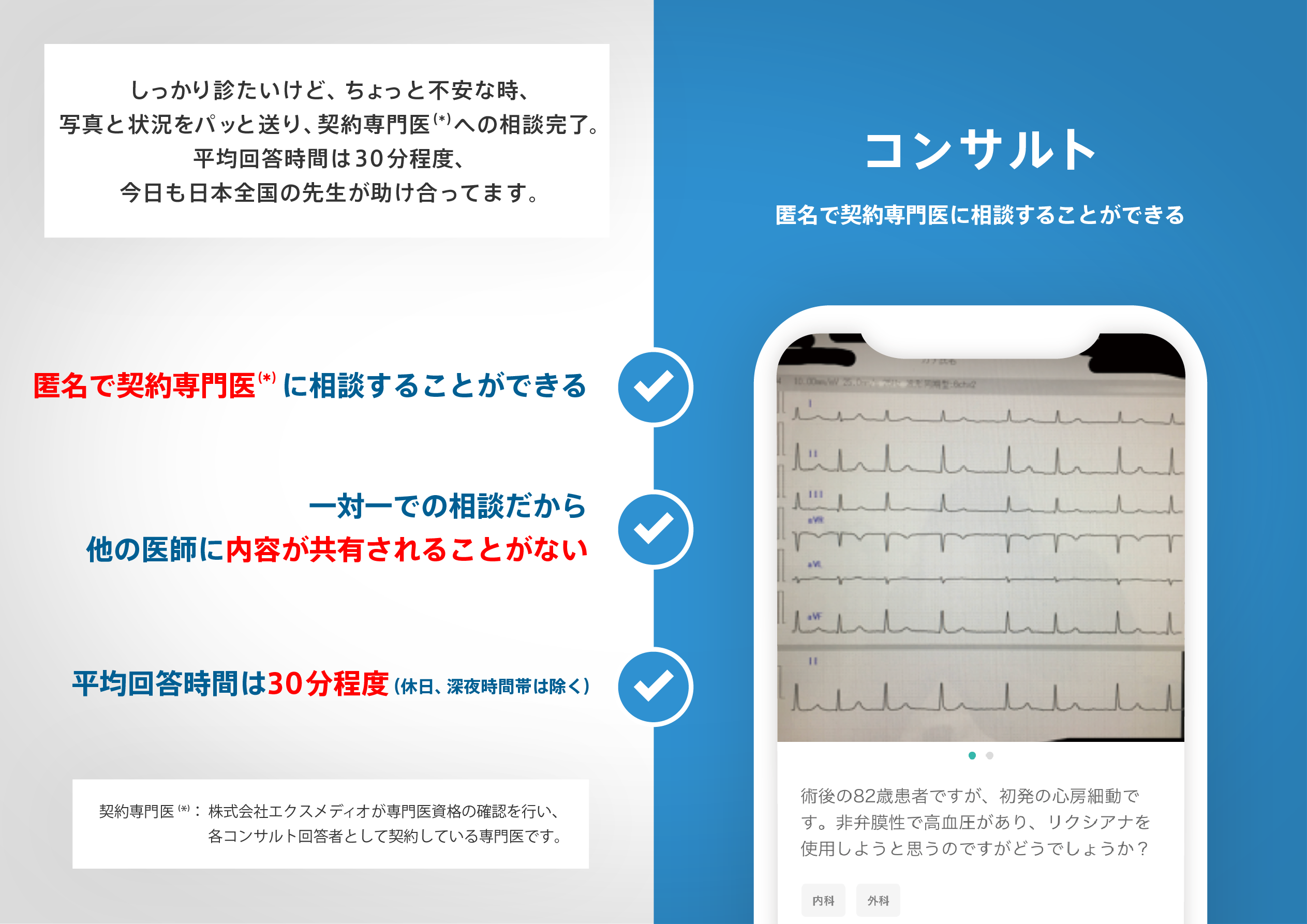
ヒポクラ x マイナビのご紹介

無料会員登録していただくと、さらに便利で効率的な検索が可能になります。