著名医師による解説が無料で読めます
すると翻訳の精度が向上します
アクリジン環の9位の置換によって立体因子が系統的に変化した一連のアクリジニウム誘導体1~6が合成され、それらのDNA相互作用がさまざまな生物物理学的手法によって研究されてきた。無置換のメチルアクリジニウム誘導体 1 および 2、および o-トリルアクリジニウム誘導体 6 は、アリールアクリジニウム誘導体 3 ~ 5 と比較した場合、高い蛍光量子収率 (Phi(f)() 1 と一致) および寿命 (それぞれタウ = 35、34、および 25 ns) を示しました。アクリジニウム誘導体 1 および 2 は、アリールラクリジニウム誘導体 3-5 (K = 6.9-10 x 10(4) M(-)(1)) と比較した場合、高い DNA 結合親和性 (K = 7.3-7.7 x 10(5) M(-)(1)) を示しました。DNA の融解と粘度の研究により、アリール置換系の場合、DNA 結合効率はフェニル > p-トリル > m-トリル >>>> o-トリル誘導体の順であることが証明されています。アクリジン環周囲の立体密集度の増加により、DNA 結合相互作用が妨げられ、6 (o-トリル誘導体) の場合に観察されるように、結合が無視できる程度になります。これらの結果は、置換パターンの微妙な変化が光物理学的相互作用と DNA 相互作用に重大な影響を与えることを示しています。さらに、彼らは、DNA とリガンドのパイスタッキング相互作用が、DNA 塩基とリガンド間の効率的な電子伝達に不可欠であることを示しています。DNA 結合モードが異なるこれらの水溶性で蛍光性の高い分子は、さまざまな DNA-リガンド相互作用を研究するためのモデルとして機能します。
アクリジン環の9位の置換によって立体因子が系統的に変化した一連のアクリジニウム誘導体1~6が合成され、それらのDNA相互作用がさまざまな生物物理学的手法によって研究されてきた。無置換のメチルアクリジニウム誘導体 1 および 2、および o-トリルアクリジニウム誘導体 6 は、アリールアクリジニウム誘導体 3 ~ 5 と比較した場合、高い蛍光量子収率 (Phi(f)() 1 と一致) および寿命 (それぞれタウ = 35、34、および 25 ns) を示しました。アクリジニウム誘導体 1 および 2 は、アリールラクリジニウム誘導体 3-5 (K = 6.9-10 x 10(4) M(-)(1)) と比較した場合、高い DNA 結合親和性 (K = 7.3-7.7 x 10(5) M(-)(1)) を示しました。DNA の融解と粘度の研究により、アリール置換系の場合、DNA 結合効率はフェニル > p-トリル > m-トリル >>>> o-トリル誘導体の順であることが証明されています。アクリジン環周囲の立体密集度の増加により、DNA 結合相互作用が妨げられ、6 (o-トリル誘導体) の場合に観察されるように、結合が無視できる程度になります。これらの結果は、置換パターンの微妙な変化が光物理学的相互作用と DNA 相互作用に重大な影響を与えることを示しています。さらに、彼らは、DNA とリガンドのパイスタッキング相互作用が、DNA 塩基とリガンド間の効率的な電子伝達に不可欠であることを示しています。DNA 結合モードが異なるこれらの水溶性で蛍光性の高い分子は、さまざまな DNA-リガンド相互作用を研究するためのモデルとして機能します。
A series of acridinium derivatives 1-6, wherein steric factors have been varied systematically through substitution at the 9 position of the acridine ring, have been synthesized and their DNA interactions have been investigated by various biophysical techniques. The unsubstituted and methylacridinium derivatives 1 and 2 and the o-tolylacridinium derivative 6 exhibited high fluorescence quantum yields (Phi(f)() congruent with 1) and lifetimes (tau = 35, 34, and 25 ns, respectively), when compared with the arylacridinium derivatives 3-5. The acridinium derivatives 1 and 2 showed high DNA binding affinity (K = 7.3-7.7 x 10(5) M(-)(1)), when compared to the arylacridinium derivatives 3-5 (K = 6.9-10 x 10(4) M(-)(1)). DNA melting and viscosity studies establish that in the case of the aryl-substituted systems, the efficiency of DNA binding is in the order, phenyl > p-tolyl > m-tolyl >>>> o-tolyl derivative. The increase in steric crowding around the acridine ring hinders the DNA binding interactions and thereby leads to negligible binding as observed in the case of 6 (o-tolyl derivative). These results indicate that a subtle variation in the substitution pattern has a profound influence on the photophysical and DNA interactions. Further, they demonstrate that pi-stacking interactions of the ligands with DNA are essential for efficient electron transfer between the DNA bases and the ligands. These water soluble and highly fluorescent molecules which differ in their DNA binding mode can act as models to study various DNA-ligand interactions.
医師のための臨床サポートサービス
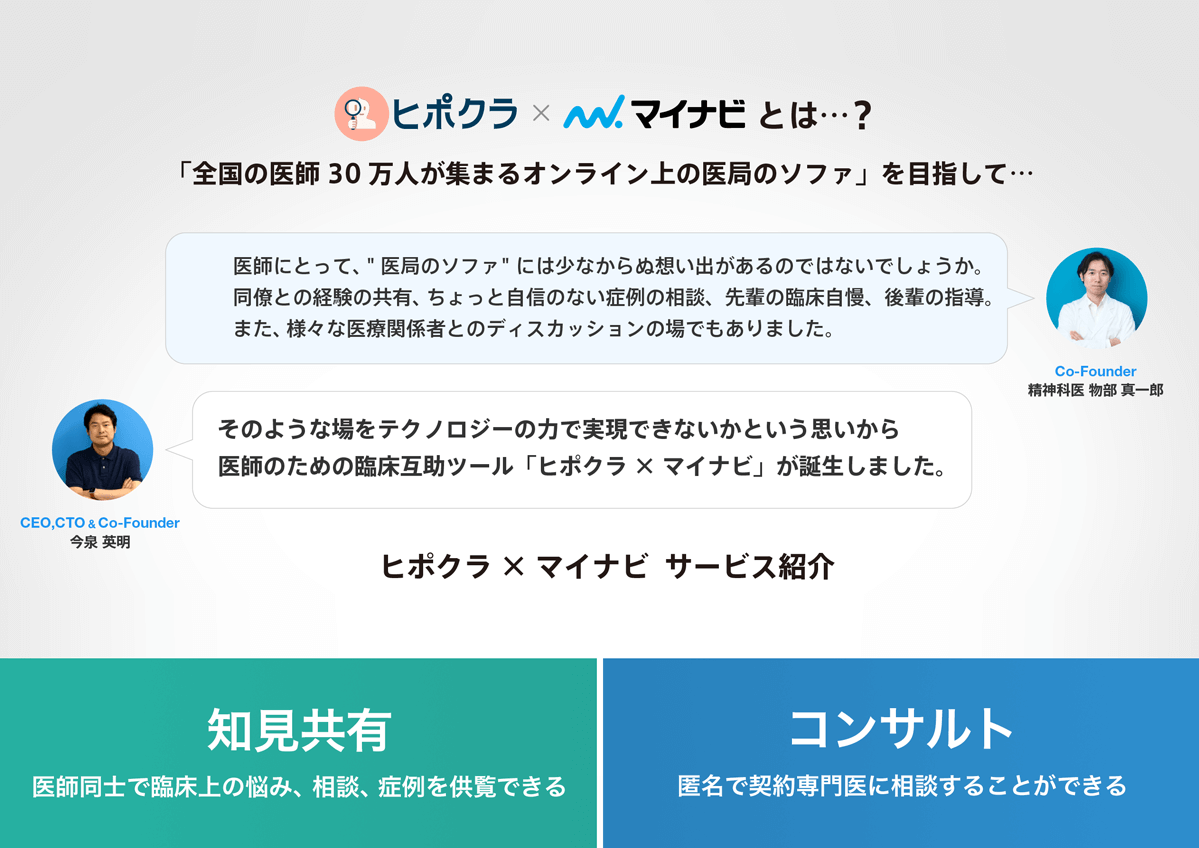
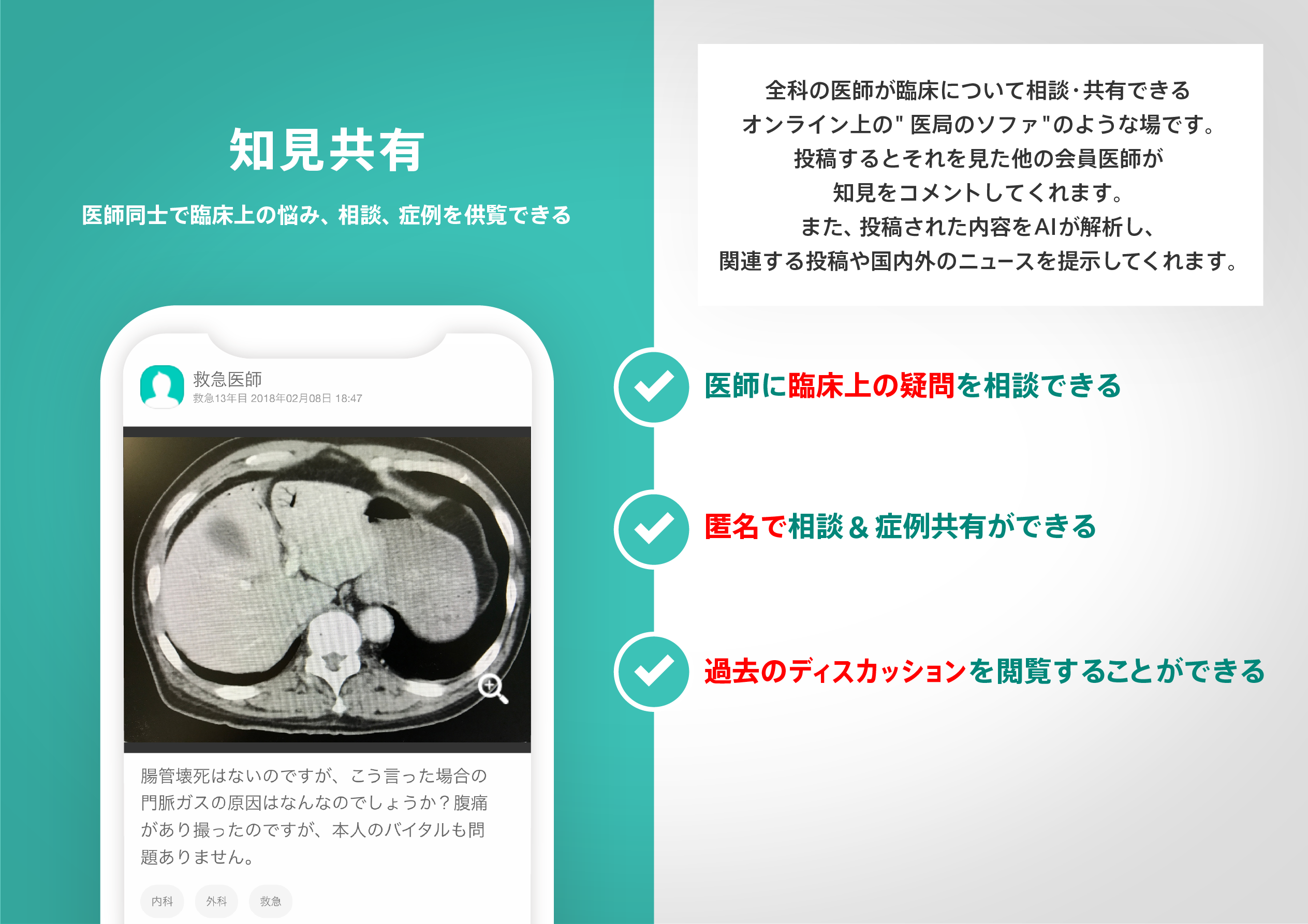
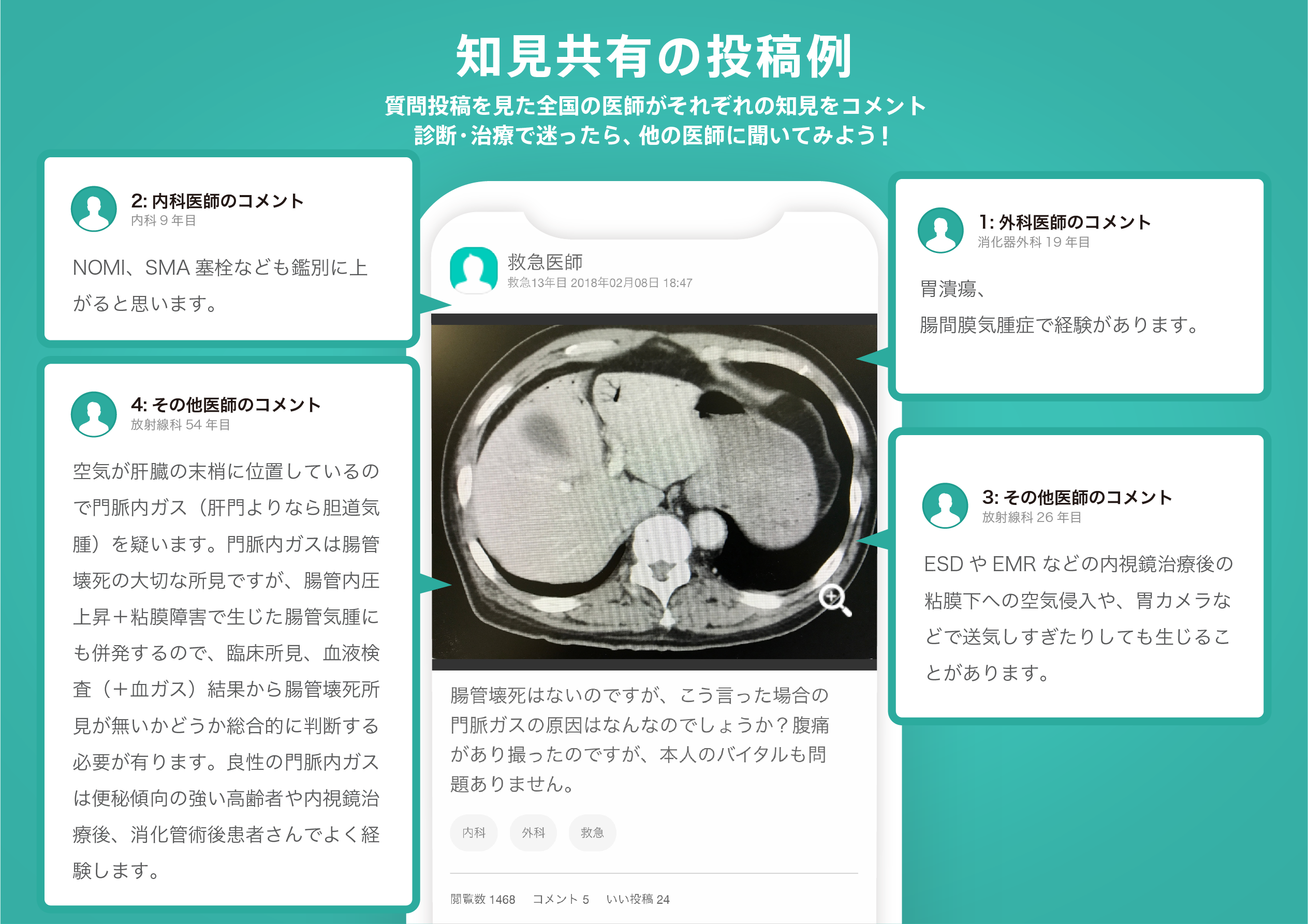
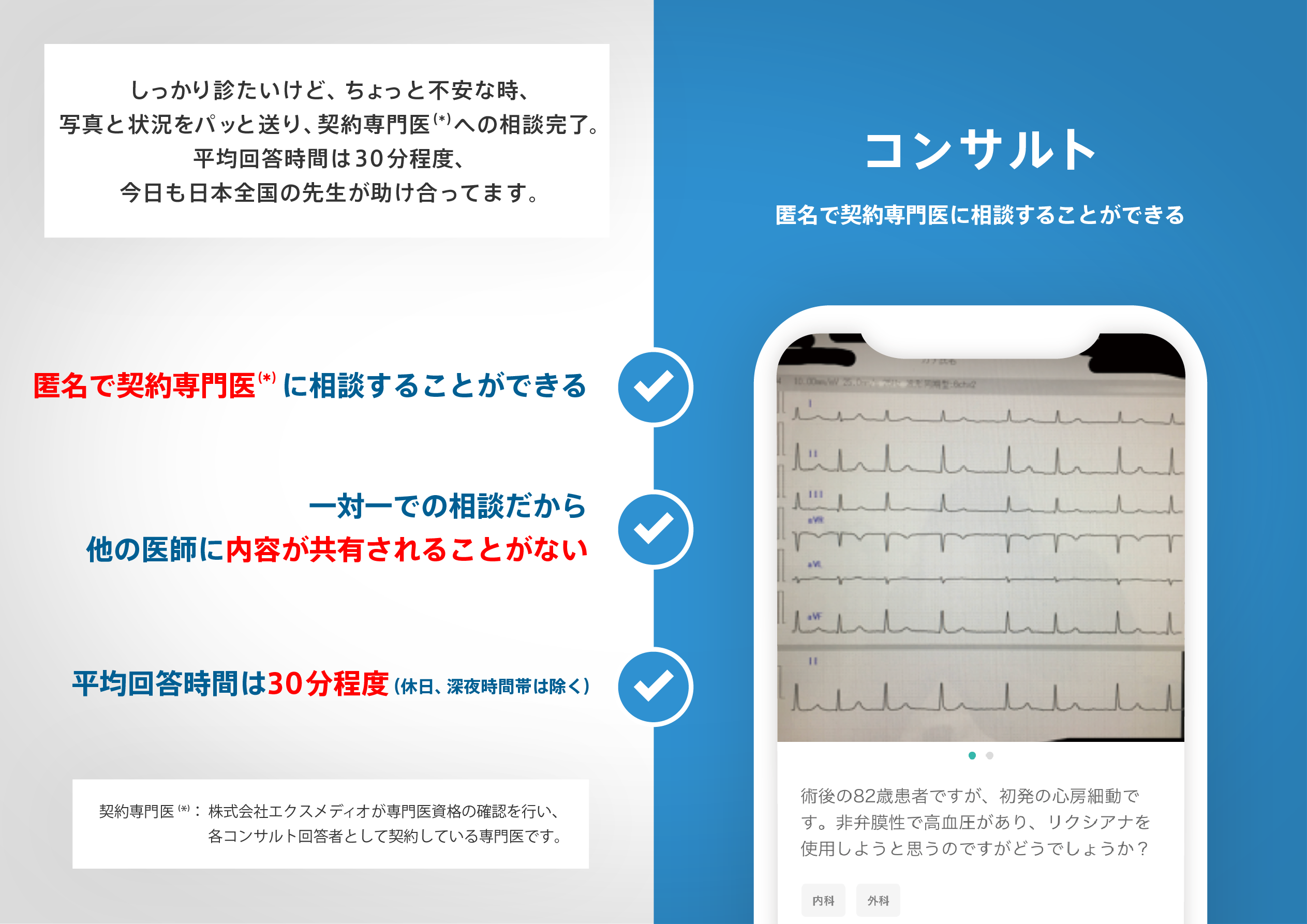
ヒポクラ x マイナビのご紹介


無料会員登録していただくと、さらに便利で効率的な検索が可能になります。