著名医師による解説が無料で読めます
すると翻訳の精度が向上します
バイデントリガンドN-フェニル-O-フェニレンジアミン、H(2)((2)L(N)IP)、またはそのアナログ2-(2-トリフルオロメチル)Anilino-4,6-di-butylphenol、(((())4)l(n)ip)、[co(ii)(ch(3)co(2))(2)]と反応します。s = 1/2の基底状態を持つ4位の種[co((2))l(n))(2)](1)および[co((4)l(o))(2)](4)。対応するニッケル複合体[ni((4)l(o))(2)](8)とその石btoceneの縮小フォーム[Co(iii)(cp)(2)] [ni((4)l(o))(2)](9)も合成されています。5座標種[co((2)l(n))(2)(tbu-py)](2)(s = 1/2)およびその1電子酸化型[co((2)l(n))(2)(tbu-py)](o(2)cch(3))(2 a)または[co((2)l(n))(2)i](3)(3)(s = 0)種と同様に調製されています[co((4)l(o))(2)(ch(2)cn)](7)。1電子は4、つまり[co(cp)(2)] [co((4)l(o))(2)](5)の4の縮小された形式を[co(cp(cp)で生成しました。)(2)]。複合体1、2、2 A、3、4、5、7、8、および9は、X線結晶学(100 K)によって特徴付けられています。リガンドは非焦点であり、カテコール酸塩のようなダイアニオン((2)l(n)ip)(2-)、((4)l(n)ip)(2-)またはpi-radical semiquinonateモノアニオンとして存在する可能性があります。(2)l(n)isq)(*)( - )、((4)l(n)isq)(*)( - )または中性ベンゾキノン((2)l(n)ibq)(0)、((4)l(n)ibq)(0);中央の金属イオンの分光酸化状態はそれに応じて異なります。電子吸収、磁気円双子症、およびEPR分光法、およびさまざまな温度磁気感受性測定を使用して、これらの複合体の電子構造を実験的に決定しています。密度の官能的理論(DFT)および相関AB initio計算は、中性および単有数種[CO((1)L(n))(2)](0、 - )で実行されています。複合体。対応するニッケル複合体8と9には、リガンドの酸化レベルに関係なく低スピンニッケル(II)イオンが含まれているのに対し、対応するコバルト複合体の場合、状況はより複雑です。D(6)(Co(III))またはD(7)(Co(II))電子構成を記述する分光酸化状態は、明確に割り当てることはできません。
バイデントリガンドN-フェニル-O-フェニレンジアミン、H(2)((2)L(N)IP)、またはそのアナログ2-(2-トリフルオロメチル)Anilino-4,6-di-butylphenol、(((())4)l(n)ip)、[co(ii)(ch(3)co(2))(2)]と反応します。s = 1/2の基底状態を持つ4位の種[co((2))l(n))(2)](1)および[co((4)l(o))(2)](4)。対応するニッケル複合体[ni((4)l(o))(2)](8)とその石btoceneの縮小フォーム[Co(iii)(cp)(2)] [ni((4)l(o))(2)](9)も合成されています。5座標種[co((2)l(n))(2)(tbu-py)](2)(s = 1/2)およびその1電子酸化型[co((2)l(n))(2)(tbu-py)](o(2)cch(3))(2 a)または[co((2)l(n))(2)i](3)(3)(s = 0)種と同様に調製されています[co((4)l(o))(2)(ch(2)cn)](7)。1電子は4、つまり[co(cp)(2)] [co((4)l(o))(2)](5)の4の縮小された形式を[co(cp(cp)で生成しました。)(2)]。複合体1、2、2 A、3、4、5、7、8、および9は、X線結晶学(100 K)によって特徴付けられています。リガンドは非焦点であり、カテコール酸塩のようなダイアニオン((2)l(n)ip)(2-)、((4)l(n)ip)(2-)またはpi-radical semiquinonateモノアニオンとして存在する可能性があります。(2)l(n)isq)(*)( - )、((4)l(n)isq)(*)( - )または中性ベンゾキノン((2)l(n)ibq)(0)、((4)l(n)ibq)(0);中央の金属イオンの分光酸化状態はそれに応じて異なります。電子吸収、磁気円双子症、およびEPR分光法、およびさまざまな温度磁気感受性測定を使用して、これらの複合体の電子構造を実験的に決定しています。密度の官能的理論(DFT)および相関AB initio計算は、中性および単有数種[CO((1)L(n))(2)](0、 - )で実行されています。複合体。対応するニッケル複合体8と9には、リガンドの酸化レベルに関係なく低スピンニッケル(II)イオンが含まれているのに対し、対応するコバルト複合体の場合、状況はより複雑です。D(6)(Co(III))またはD(7)(Co(II))電子構成を記述する分光酸化状態は、明確に割り当てることはできません。
The bidentate ligands N-phenyl-o-phenylenediamine, H(2)((2)L(N)IP), or its analogue 2-(2-trifluoromethyl)anilino-4,6-di-tert-butylphenol, ((4)L(N)IP), react with [Co(II)(CH(3)CO(2))(2)]4H(2)O and triethylamine in acetonitrile in the presence of air yielding the square-planar, four-coordinate species [Co((2)L(N))(2)] (1) and [Co((4)L(O))(2)] (4) with an S=1/2 ground state. The corresponding nickel complexes [Ni((4)L(O))(2)] (8) and its cobaltocene reduced form [Co(III)(Cp)(2)][Ni((4)L(O))(2)] (9) have also been synthesized. The five-coordinate species [Co((2)L(N))(2)(tBu-py)] (2) (S=1/2) and its one-electron oxidized forms [Co((2)L(N))(2)(tBu-py)](O(2)CCH(3)) (2 a) or [Co((2)L(N))(2)I] (3) with diamagnetic ground states (S=0) have been prepared, as has the species [Co((4)L(O))(2)(CH(2)CN)] (7). The one-electron reduced form of 4, namely [Co(Cp)(2)][Co((4)L(O))(2)] (5) has been generated through the reduction of 4 with [Co(Cp)(2)]. Complexes 1, 2, 2 a, 3, 4, 5, 7, 8, and 9 have been characterized by X-ray crystallography (100 K). The ligands are non-innocent and may exist as catecholate-like dianions ((2)L(N)IP)(2-), ((4)L(N)IP)(2-) or pi-radical semiquinonate monoanions ((2)L(N)ISQ)(*) (-), ((4)L(N)ISQ)(*) (-) or as neutral benzoquinones ((2) L(N)IBQ)(0), ((4) L(N)IBQ)(0); the spectroscopic oxidation states of the central metal ions vary accordingly. Electronic absorption, magnetic circular dichroism, and EPR spectroscopy, as well as variable temperature magnetic susceptibility measurements have been used to experimentally determine the electronic structures of these complexes. Density functional theoretical (DFT) and correlated ab initio calculation have been performed on the neutral and monoanionic species [Co((1)L(N))(2)](0,-) in order to understand the structural and spectroscopic properties of complexes. It is shown that the corresponding nickel complexes 8 and 9 contain a low-spin nickel(II) ion regardless of the oxidation level of the ligand, whereas for the corresponding cobalt complexes the situation is more complicated. Spectroscopic oxidation states describing a d(6) (Co(III)) or d(7) (Co(II)) electron configuration cannot be unambiguously assigned.
医師のための臨床サポートサービス
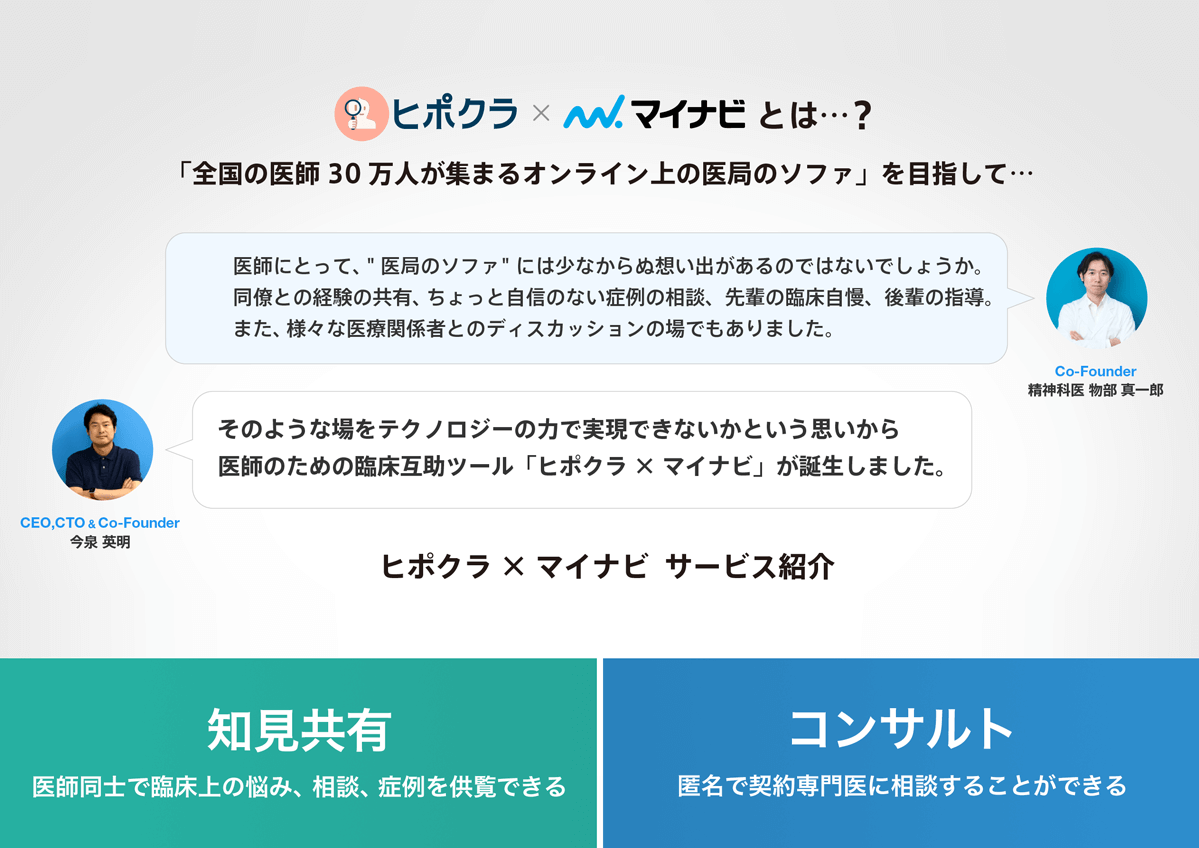
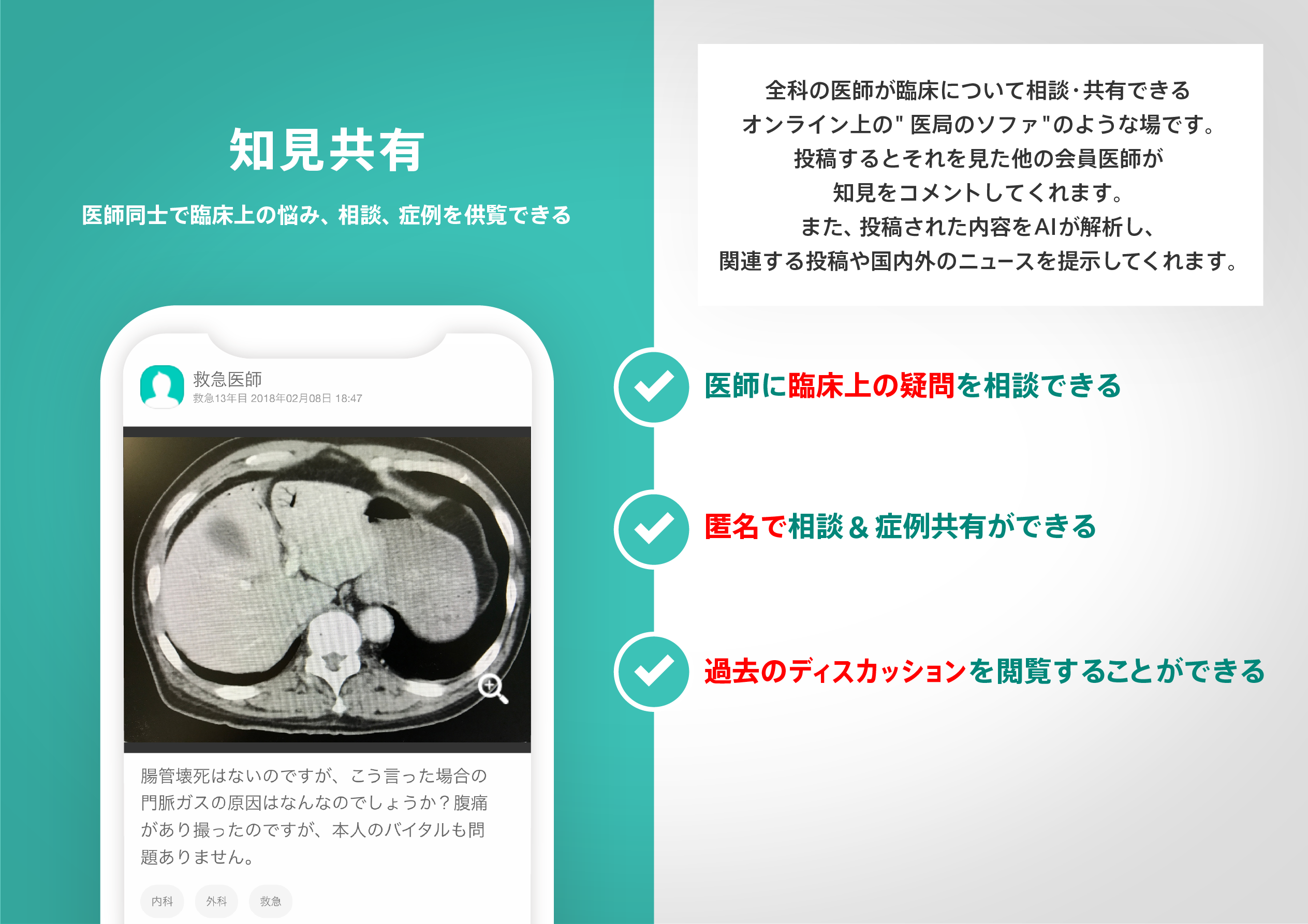
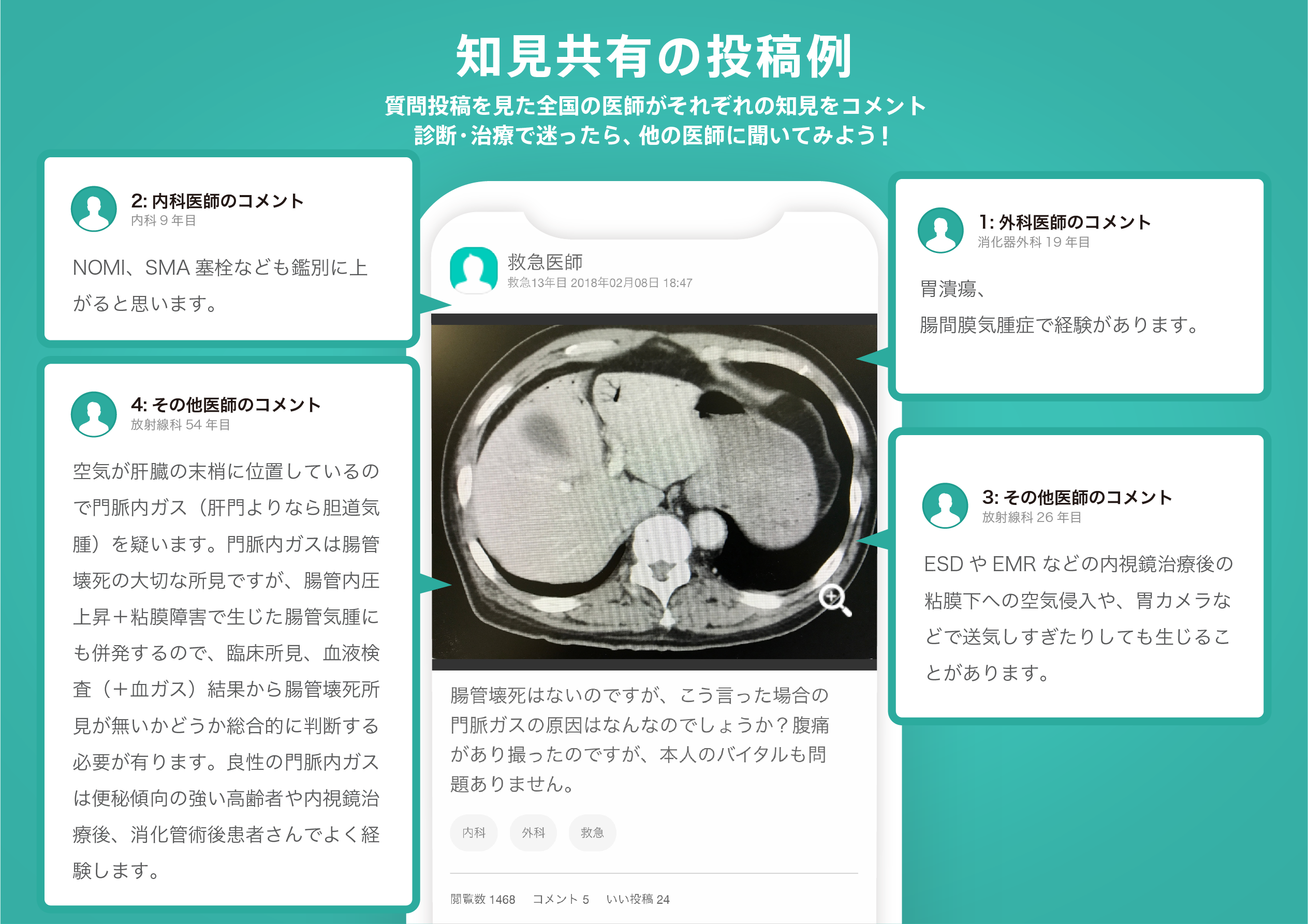
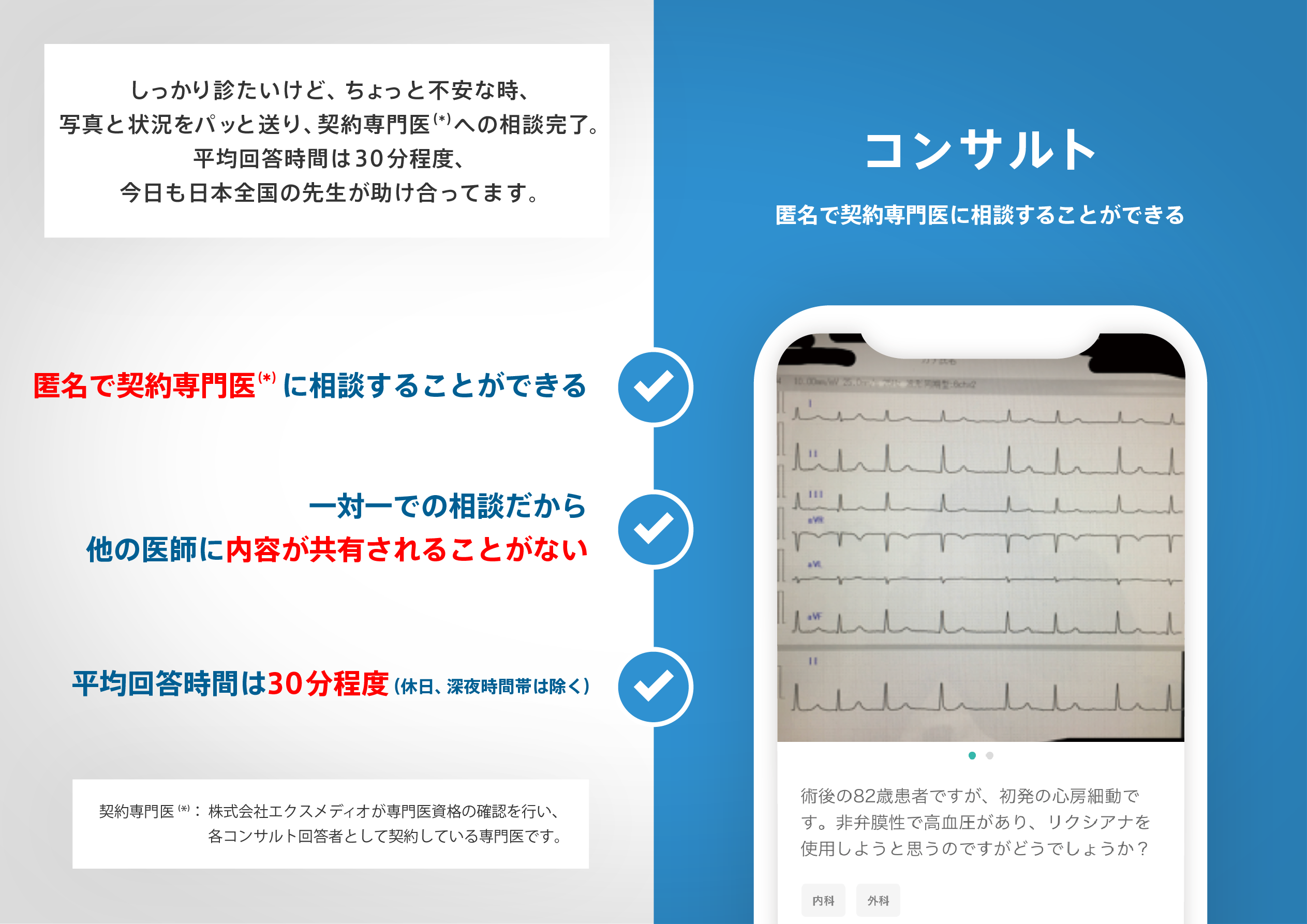
ヒポクラ x マイナビのご紹介

無料会員登録していただくと、さらに便利で効率的な検索が可能になります。