著名医師による解説が無料で読めます
すると翻訳の精度が向上します
ヒト成長ホルモン(HGH、ソマトトロフィン)は、前葉下下腺の体細胞細胞によって産生される22 kDa、191アミノ酸単一鎖タンパク質です。それは成長の主要な生理学的調節因子であり、成長ホルモンレベルの欠陥は、成長障害(小人)の根本的な原因として長い間認識されてきました。外因性HGHの成長遅滞のヒトモデルと動物モデルの両方で正常な成長率を回復する能力は長い間認識されており、治療におけるHGHの使用は数十年前にさかのぼります。初期製剤は、死体下垂体組織からの抽出と精製により調製され、1984年以来、HGHは組換えデオキシリボセン核酸(RDNA)技術によって調製されています。通常のように「生物学」の場合と同様に、薬物物質の特性評価は物理化学的および生物学的方法の組み合わせに依存し、HGH分子は薬物としての人生のかなり早い段階でよく特徴付けられました。実際、1980年までに、HGH分子の主要な分解形態と構造的変異が記載され、レビューされました。HGHの生物学的アッセイを改良する際にはあまり満足のいく進行がありませんでしたが、in vitroアッセイが説明されていましたが、ラットの全身成長反応に依存している可能性があり、両方とも侵襲的で不正確でした。1990年代初頭、組換えHGH(Somatropin)の分析に関する一連の共同研究は、利用可能なバイオアッセイが構造分解の検出と定量化において物理化学的方法がはるかに選択的ではなく、バイオアッセイを物理学に置き換えるための国際的なコンセンサスを見ました。ソマトロピンの日常的なバッチ放出の化学分析方法。ほとんどの市場での過去10年間、ソマトロピンは、異常にタンパク質の場合、バイオアッセイを日常的に使用することなく、物理化学分析に完全に依存するバッチ放出と制御の対象となります。その間、方法の継続的な開発と改良、および分子の構造的変異と分解産物の範囲の識別がありました。現在のレビューでは、体細胞下生物の物理化学分析方法に関する現在の知識と、特定され特徴付けられた構造的変異体を要約することが設定されています。利用可能な生物学的分析手法の調査は、以前の下垂体製剤と分子の組換え192アミノ酸メチオニル型(SOMATREM)を考慮しているように、このレビューの範囲を超えていますが、多くの方法とバリアントの可能性が高いです説明されたものは、ソマトレムに等しく適用できます。
ヒト成長ホルモン(HGH、ソマトトロフィン)は、前葉下下腺の体細胞細胞によって産生される22 kDa、191アミノ酸単一鎖タンパク質です。それは成長の主要な生理学的調節因子であり、成長ホルモンレベルの欠陥は、成長障害(小人)の根本的な原因として長い間認識されてきました。外因性HGHの成長遅滞のヒトモデルと動物モデルの両方で正常な成長率を回復する能力は長い間認識されており、治療におけるHGHの使用は数十年前にさかのぼります。初期製剤は、死体下垂体組織からの抽出と精製により調製され、1984年以来、HGHは組換えデオキシリボセン核酸(RDNA)技術によって調製されています。通常のように「生物学」の場合と同様に、薬物物質の特性評価は物理化学的および生物学的方法の組み合わせに依存し、HGH分子は薬物としての人生のかなり早い段階でよく特徴付けられました。実際、1980年までに、HGH分子の主要な分解形態と構造的変異が記載され、レビューされました。HGHの生物学的アッセイを改良する際にはあまり満足のいく進行がありませんでしたが、in vitroアッセイが説明されていましたが、ラットの全身成長反応に依存している可能性があり、両方とも侵襲的で不正確でした。1990年代初頭、組換えHGH(Somatropin)の分析に関する一連の共同研究は、利用可能なバイオアッセイが構造分解の検出と定量化において物理化学的方法がはるかに選択的ではなく、バイオアッセイを物理学に置き換えるための国際的なコンセンサスを見ました。ソマトロピンの日常的なバッチ放出の化学分析方法。ほとんどの市場での過去10年間、ソマトロピンは、異常にタンパク質の場合、バイオアッセイを日常的に使用することなく、物理化学分析に完全に依存するバッチ放出と制御の対象となります。その間、方法の継続的な開発と改良、および分子の構造的変異と分解産物の範囲の識別がありました。現在のレビューでは、体細胞下生物の物理化学分析方法に関する現在の知識と、特定され特徴付けられた構造的変異体を要約することが設定されています。利用可能な生物学的分析手法の調査は、以前の下垂体製剤と分子の組換え192アミノ酸メチオニル型(SOMATREM)を考慮しているように、このレビューの範囲を超えていますが、多くの方法とバリアントの可能性が高いです説明されたものは、ソマトレムに等しく適用できます。
Human Growth hormone (hGH, somatotrophin) is a 22 kDa, 191 amino-acid single chain protein produced by somatroph cells of the anterior pituitary gland. It is the major physiological regulator of growth, and deficiencies in growth hormone levels have long been recognized as the underlying cause of growth disorders (dwarfism). The ability of exogenous hGH to restore normal rates of growth in both human and animal models of growth retardation has long been recognized and the use of hGH in therapy goes back several decades. Initial preparations were prepared by extraction and purification from cadaveric pituitary tissue, and since 1984, hGH has been prepared by recombinant Deoxyribosenucleic acid (rDNA) technology. As is usually the case with "biologicals", characterization of the drug substance depended on a combination of physico-chemical and biological methods, and the hGH molecule became well characterized fairly early in its life as a drug. Indeed, by 1980 the major degradation forms and structural variants of the hGH molecule had been described and reviewed. Little satisfactory progress had been made in refining biological assays for hGH, and, although in vitro assays were described, potency-defining assays remained dependant on the whole body growth response in rats, and were both invasive and imprecise. In the early 1990's a series of collaborative studies on analysis of recombinant hGH (somatropin) established that available bioassays were much less selective that physico-chemical methods in detecting and quantifying structural degradation, and 1994 saw an international consensus to replace the bioassays with physico-chemical analytical methods for the routine batch release of somatropin. During the last decade in most markets somatropin has, unusually for a protein, been subject to batch release and control dependent entirely on physico-chemical analysis, without the routine use of any form of bioassay. During that time there has been a continuous development and refinement of methods, and the identification of a range of structural variants and degradation products of the molecule. The present review sets out to summarise the current knowledge on physico-chemical analytical methods for somatropin, and the structural variants that have been identified and characterized. A survey of available biological analytical methods is beyond the scope of this review, as is consideration of the earlier pituitary preparations and the recombinant 192 amino-acid methionyl form of the molecule (somatrem), although it is likely that many of the methods and variants described would be equally applicable to somatrem.
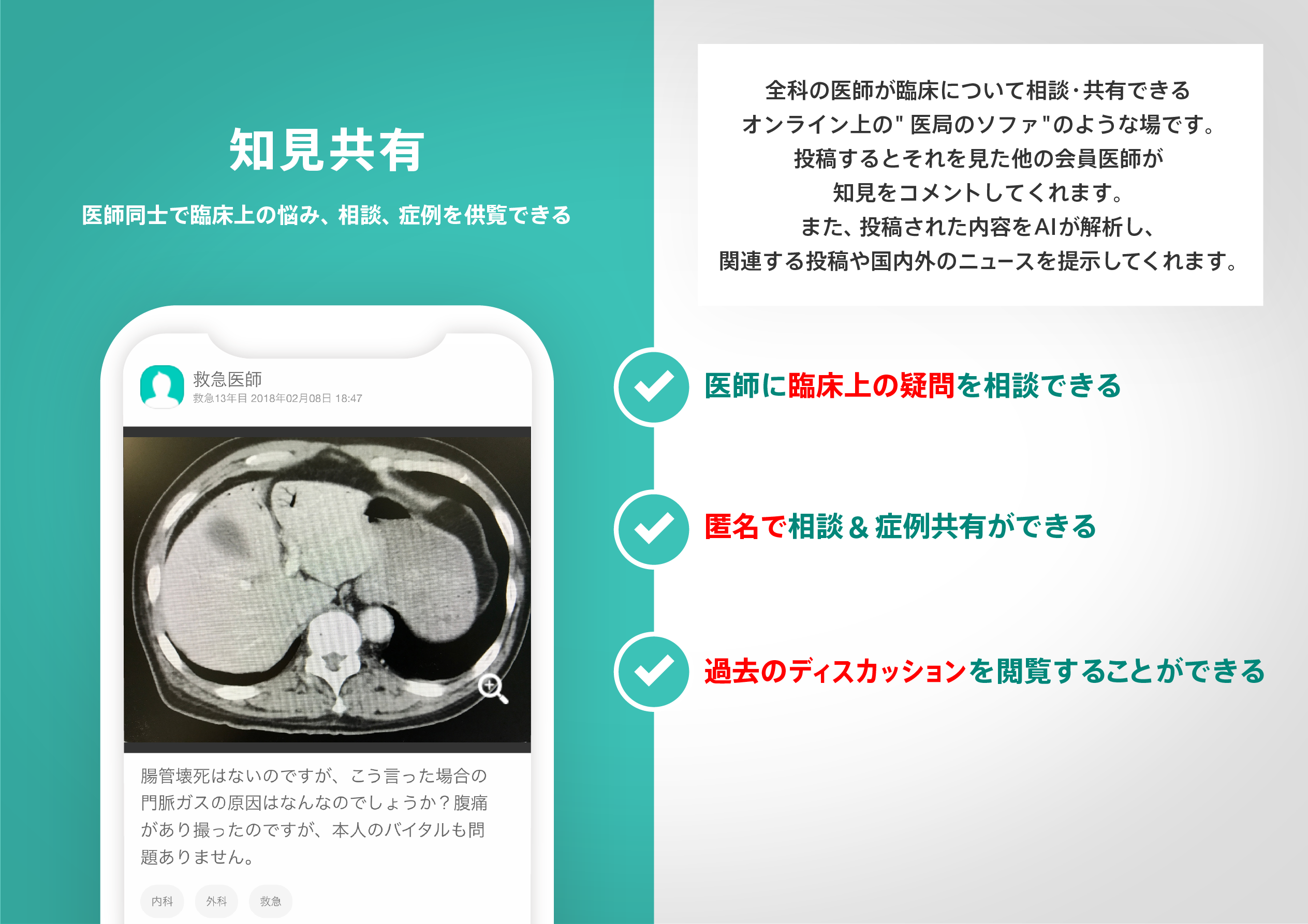
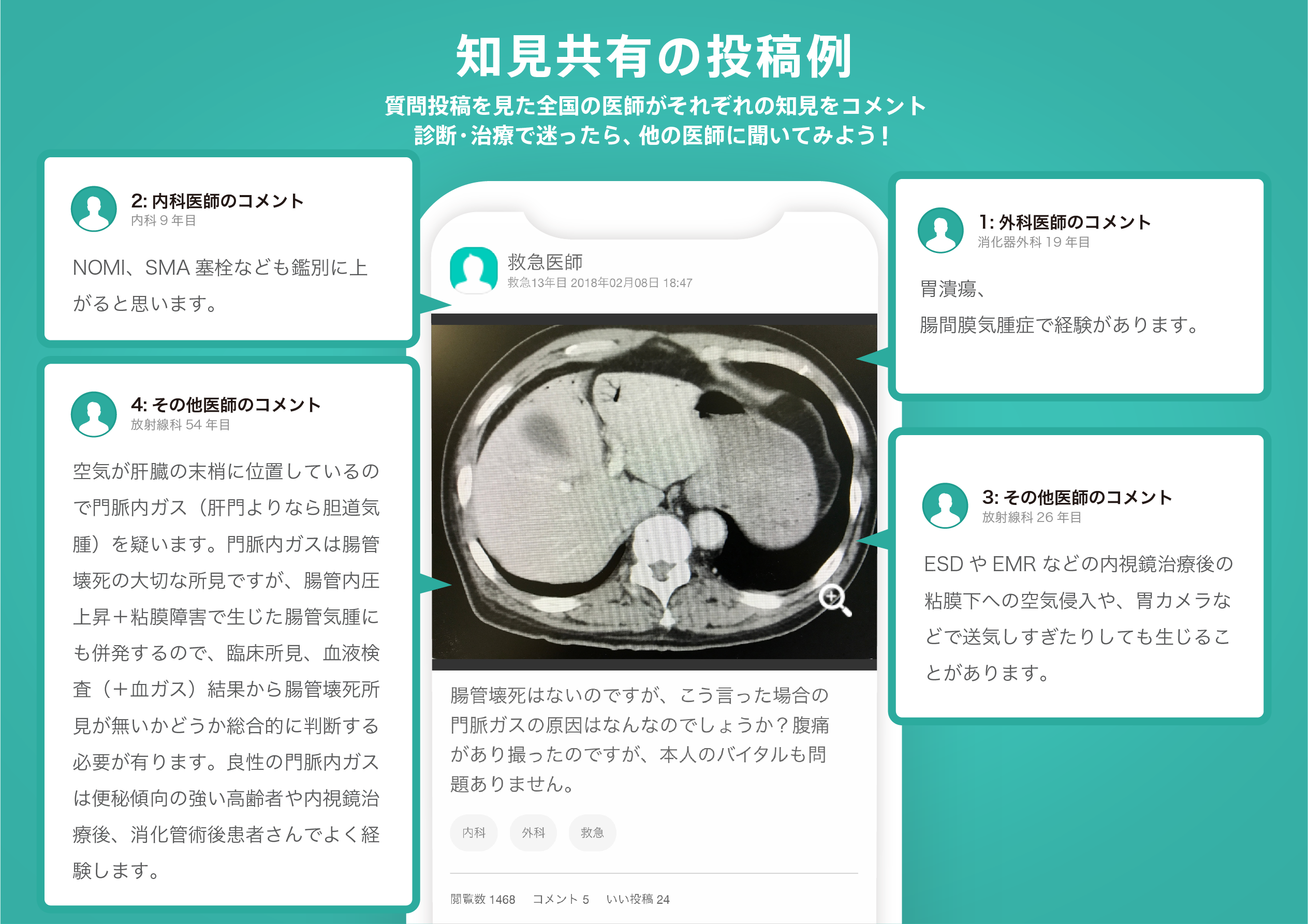
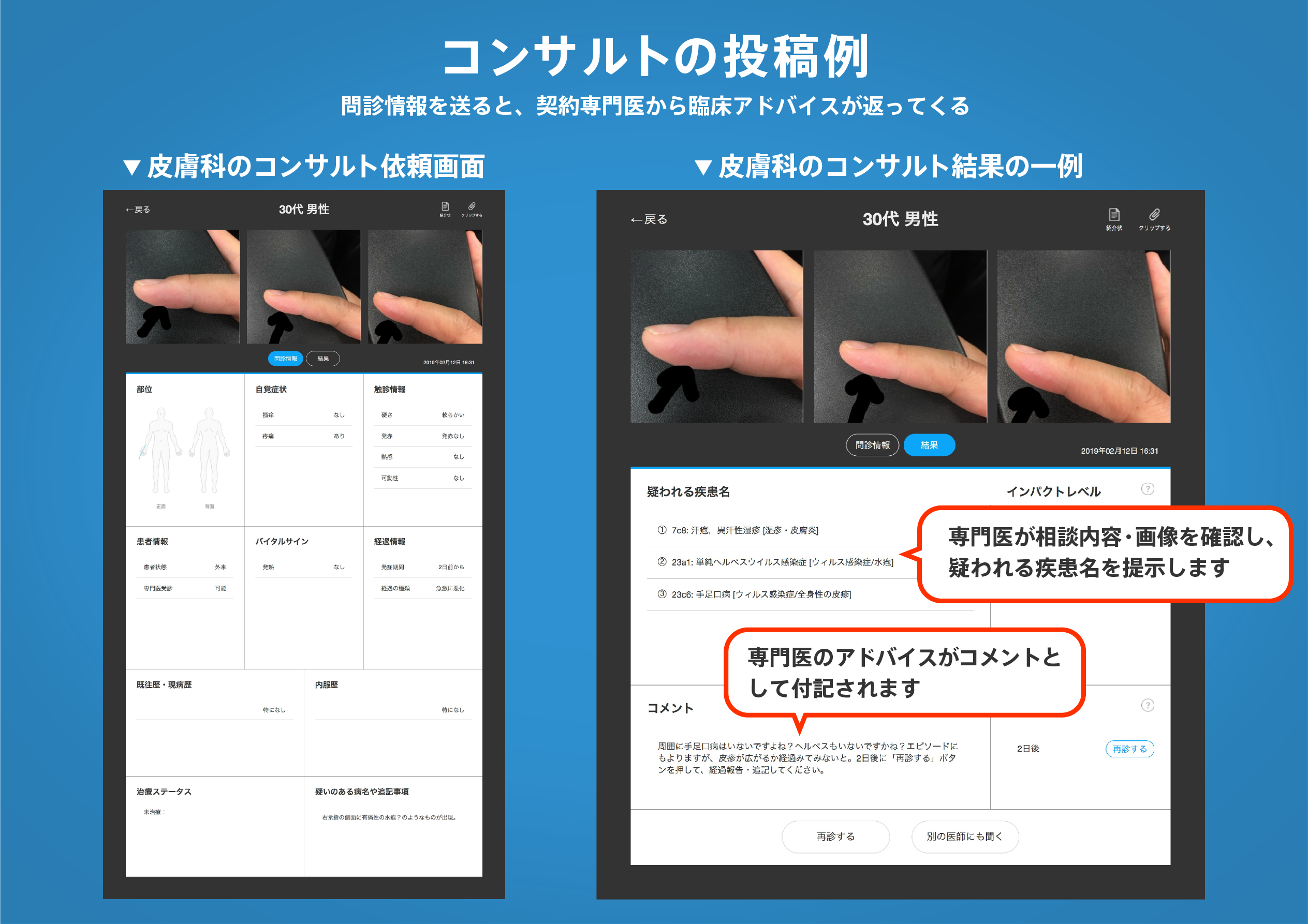
医師のための臨床サポートサービス
ヒポクラ x マイナビのご紹介




無料会員登録していただくと、さらに便利で効率的な検索が可能になります。