著名医師による解説が無料で読めます
すると翻訳の精度が向上します
背景:両側乳がんの臨床的意義は不明であり、予後への影響は議論の余地があります。片側性乳がんと比較して、予後に対する同期性および形状の両側乳がんの影響を評価しました。 方法:1960年1月1日から2001年12月31日の間に、1,214人の女性が一次操作可能な乳がんの治療を受けました。13(1.1%)には、同期両側乳がんがありました。33(2.7%)には、反応性対側乳がんがありました。手術時の年齢、閉経状態、臨床段階、腫瘍サイズと組織学、リンパ節の状態、ホルモン受容体の状態、および補助化学療法またはホルモン療法の使用を比較し、46人の患者の再発と生存に対するこれらの要因の影響を分析しました両側乳がんと片側乳がん患者1,168人の患者。 結果:それぞれ5年および10年の無病生存率は、それぞれ形状症例で65%と65%、同期症例では85.7%と64.3%、一方的な症例では77.9%および72.1%でした。3つのグループの間で全生存率に有意な差はありませんでした。多変量解析では、腫瘍のサイズ、リンパ節状態、および補助ホルモン療法はそれぞれ再発の独立した危険因子であったのに対し、乳がんの二極性は全生存に影響しませんでした。 結論:我々のデータは、経カロナスの両側乳がんは、同期の両側または一方的な乳がんよりも短い病気のない生存と関連していることを示唆していますが、全生存は3つのグループ間で差はありません。再発を早期に検出し、生活の質を最大化するために、後期乳房乳がん患者を特に密接に追跡する必要があります。
背景:両側乳がんの臨床的意義は不明であり、予後への影響は議論の余地があります。片側性乳がんと比較して、予後に対する同期性および形状の両側乳がんの影響を評価しました。 方法:1960年1月1日から2001年12月31日の間に、1,214人の女性が一次操作可能な乳がんの治療を受けました。13(1.1%)には、同期両側乳がんがありました。33(2.7%)には、反応性対側乳がんがありました。手術時の年齢、閉経状態、臨床段階、腫瘍サイズと組織学、リンパ節の状態、ホルモン受容体の状態、および補助化学療法またはホルモン療法の使用を比較し、46人の患者の再発と生存に対するこれらの要因の影響を分析しました両側乳がんと片側乳がん患者1,168人の患者。 結果:それぞれ5年および10年の無病生存率は、それぞれ形状症例で65%と65%、同期症例では85.7%と64.3%、一方的な症例では77.9%および72.1%でした。3つのグループの間で全生存率に有意な差はありませんでした。多変量解析では、腫瘍のサイズ、リンパ節状態、および補助ホルモン療法はそれぞれ再発の独立した危険因子であったのに対し、乳がんの二極性は全生存に影響しませんでした。 結論:我々のデータは、経カロナスの両側乳がんは、同期の両側または一方的な乳がんよりも短い病気のない生存と関連していることを示唆していますが、全生存は3つのグループ間で差はありません。再発を早期に検出し、生活の質を最大化するために、後期乳房乳がん患者を特に密接に追跡する必要があります。
BACKGROUND: The clinical significance of bilateral breast cancer is unclear and its influence on prognosis is controversial. We assessed the impact of synchronous and metachronous bilateral breast cancer on the prognosis compared with unilateral breast cancer. METHODS: Between January 1, 1960 and December 31, 2001, 1,214 women were treated for primary operable breast cancers. Thirteen (1.1%) had synchronous bilateral breast cancer; 33 (2.7%) had a metachronous contralateral breast cancer. We compared age at operation, menopausal status, clinical stage, tumor size and histology, lymph node status, hormone receptor status, and use of adjuvant chemotherapy or hormone therapy, and we analyzed the impact of these factors on recurrence and survival in the 46 patients with bilateral breast cancer and the 1,168 patients with unilateral breast cancer. RESULTS: The 5-and 10-year disease-free survival rates, respectively, were 65% and 65% in metachronous cases, 85.7% and 64.3% in synchronous cases, and 77.9% and 72.1% in unilateral cases. There was no significant difference in overall survival among the three groups. On multivariate analysis, metachronous bilaterality, tumor size, lymph node status and adjuvant hormone therapy were each independent risk factors for recurrence, whereas bilaterality of breast cancer did not influence overall survival. CONCLUSIONS: Our data suggest that metachronous bilateral breast cancer is associated with shorter disease-free survival than synchronous bilateral or unilateral breast cancer, although overall survival does not differ among the 3 groups. Patients with metachronous bilateral breast cancer should be followed particularly closely in order to detect recurrence early and maximize quality of life.
医師のための臨床サポートサービス
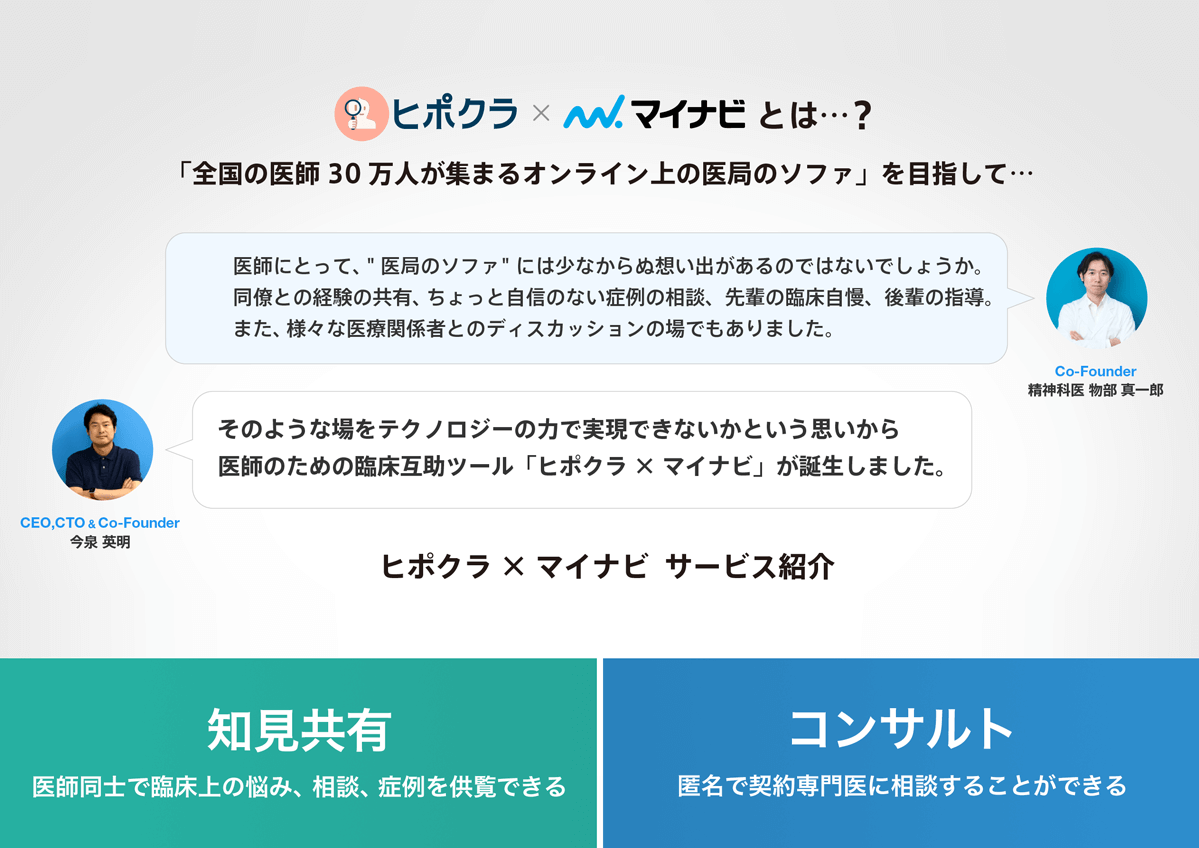
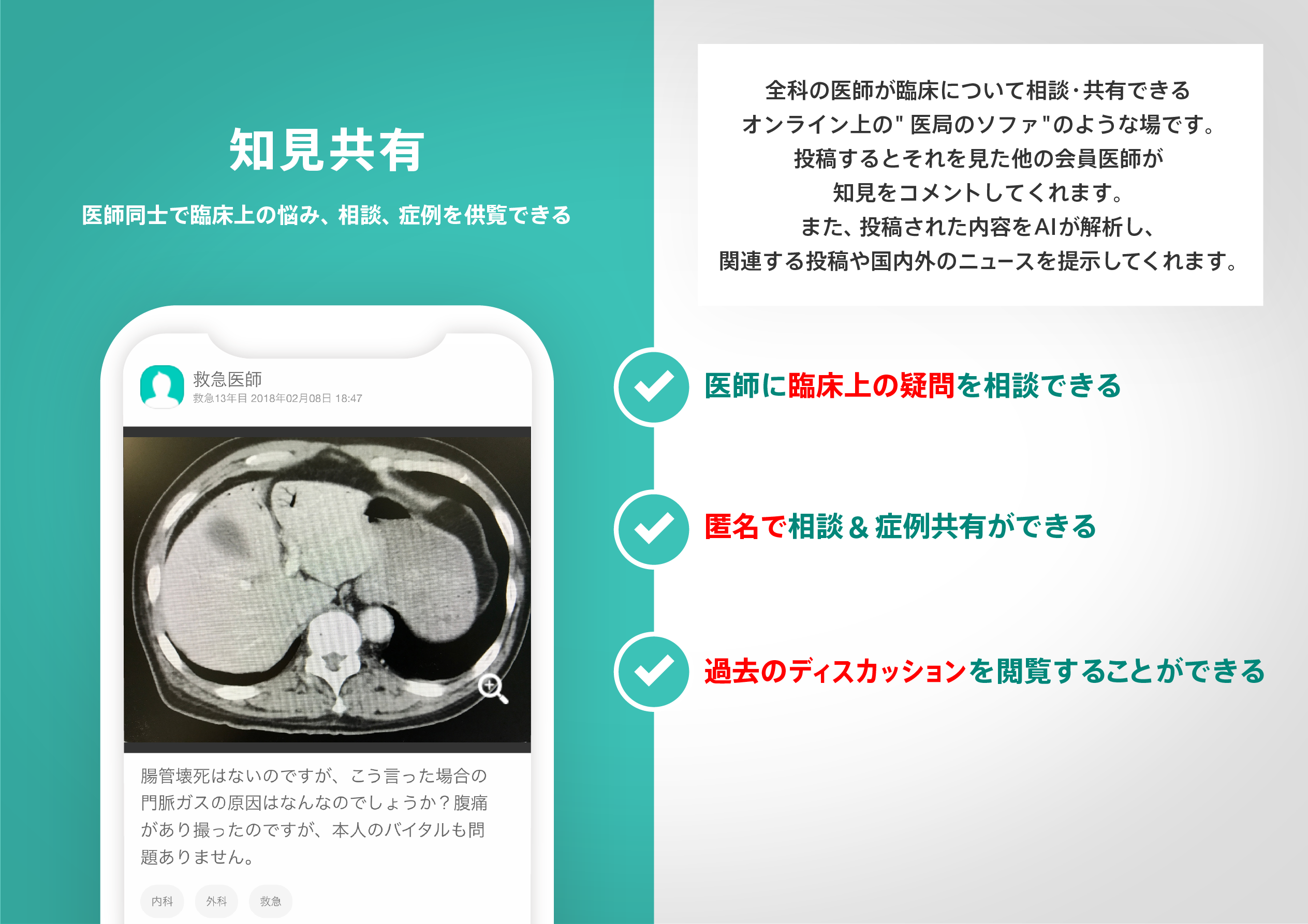
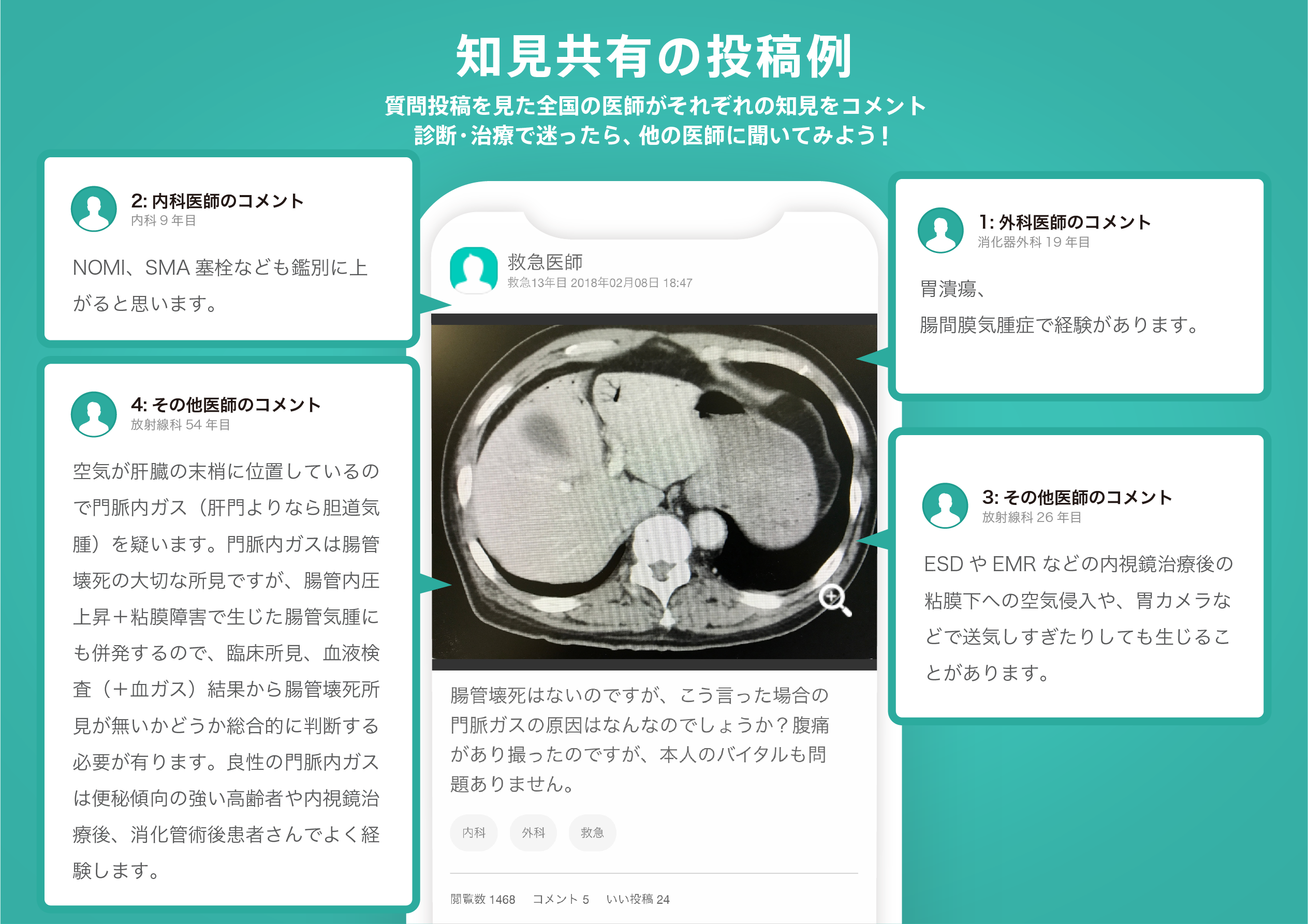
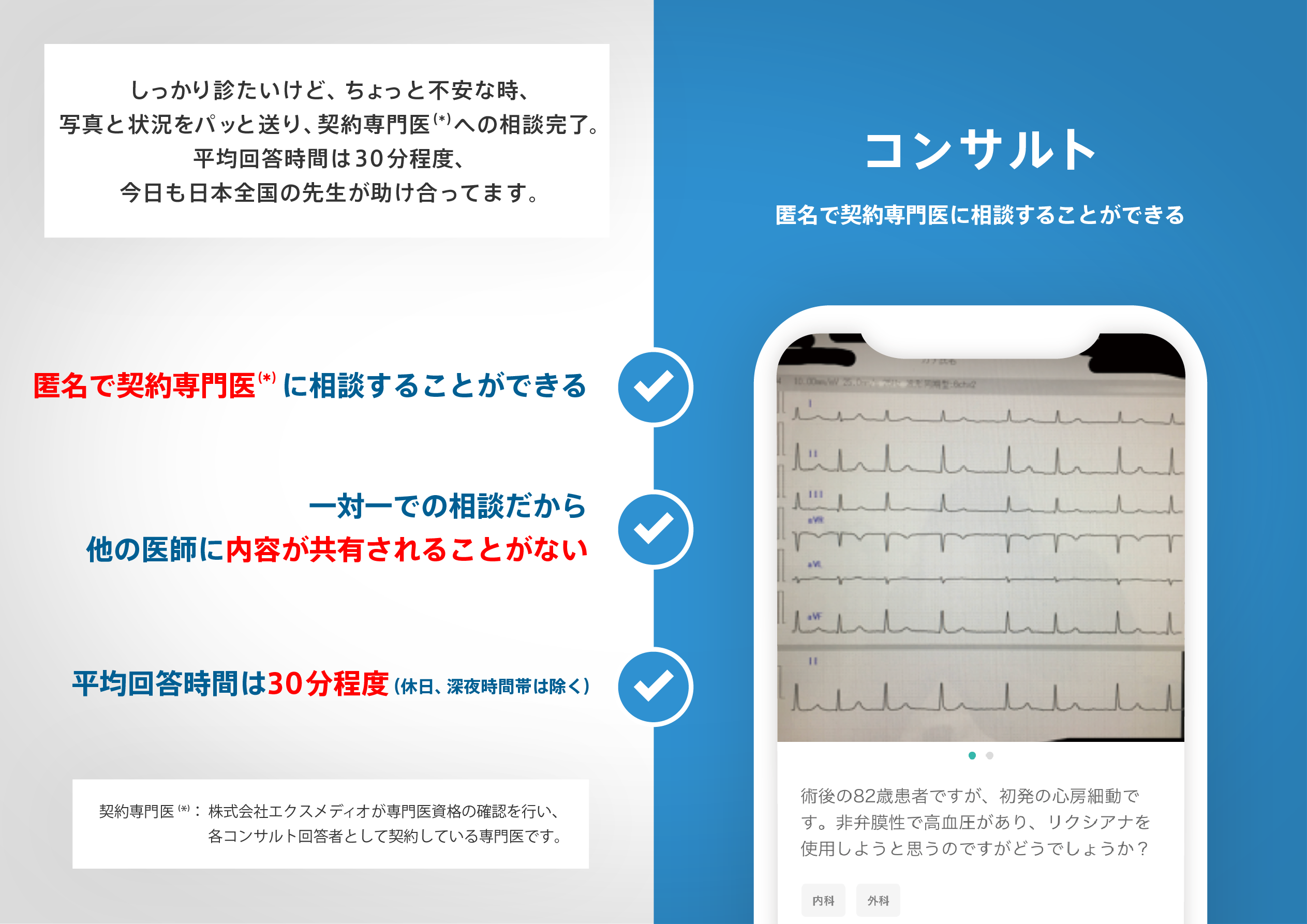
ヒポクラ x マイナビのご紹介

無料会員登録していただくと、さらに便利で効率的な検索が可能になります。