著名医師による解説が無料で読めます
すると翻訳の精度が向上します
セロトニンの再取り込み阻害剤は、大うつ病性障害の第一選択剤として推奨されていますが、作用の発症の遅延は問題があり、より速い効果的な治療が必要です。ドーパミンを介した薬剤であるスルピリドは、より速い抗うつ薬の有効性を示すことが報告されており、PAX単独と比較して、パロキセチン(PAX)と組み合わせた補助硫化物の有効性を調べて、組み合わせた治療が効果を高速化するかどうかを明らかにしました。41の大うつ病障害患者がこの12週間のオープンラベル試験に登録され、Pax(10-40 mg/d)またはPax(10-40 mg/d)とスルピリド(100 mg/)にランダムに割り当てられました。d)グループ。評価には、モンゴメリーとアスベルクのうつ病評価尺度、うつ病の17項目のハミルトン評価尺度、および治療意図に基づいてZung自己評価のうつ病スケールが含まれ、安全性も監視されました。33人の患者が研究を完了しました。Pax +硫化物とPaxの両方の治療は、それぞれ34.4〜5.6および32.2から10.4の総モンゴメリー - アスベルクうつ病評価スケールスコアの平均減少を示しました(p <0.001)。結合された治療群は、モンゴメリーアスベルクのうつ病評価尺度全体の変化、うつ病のハミルトン評価尺度、およびズン自己評価のうつ病スケールスコアの1週目と研究エンドポイントの変化に関して、有意に優れた結果をもたらしました(P <0.05)。対応者のみの対応時間の中央値は、治療を組み合わせたものと単剤療法を組み合わせたもので、それぞれ2週間と6週間でした。両方の治療は忍容性が高く、複合治療群のプロラクチンの上昇を除いて、安全対策に臨床的に有意な差はありませんでした。併用治療は、抗うつ薬応答を加速するための安全で効果的な戦略である可能性があります。
セロトニンの再取り込み阻害剤は、大うつ病性障害の第一選択剤として推奨されていますが、作用の発症の遅延は問題があり、より速い効果的な治療が必要です。ドーパミンを介した薬剤であるスルピリドは、より速い抗うつ薬の有効性を示すことが報告されており、PAX単独と比較して、パロキセチン(PAX)と組み合わせた補助硫化物の有効性を調べて、組み合わせた治療が効果を高速化するかどうかを明らかにしました。41の大うつ病障害患者がこの12週間のオープンラベル試験に登録され、Pax(10-40 mg/d)またはPax(10-40 mg/d)とスルピリド(100 mg/)にランダムに割り当てられました。d)グループ。評価には、モンゴメリーとアスベルクのうつ病評価尺度、うつ病の17項目のハミルトン評価尺度、および治療意図に基づいてZung自己評価のうつ病スケールが含まれ、安全性も監視されました。33人の患者が研究を完了しました。Pax +硫化物とPaxの両方の治療は、それぞれ34.4〜5.6および32.2から10.4の総モンゴメリー - アスベルクうつ病評価スケールスコアの平均減少を示しました(p <0.001)。結合された治療群は、モンゴメリーアスベルクのうつ病評価尺度全体の変化、うつ病のハミルトン評価尺度、およびズン自己評価のうつ病スケールスコアの1週目と研究エンドポイントの変化に関して、有意に優れた結果をもたらしました(P <0.05)。対応者のみの対応時間の中央値は、治療を組み合わせたものと単剤療法を組み合わせたもので、それぞれ2週間と6週間でした。両方の治療は忍容性が高く、複合治療群のプロラクチンの上昇を除いて、安全対策に臨床的に有意な差はありませんでした。併用治療は、抗うつ薬応答を加速するための安全で効果的な戦略である可能性があります。
Although serotonin reuptake inhibitors are recommended as first-line agents for major depressive disorder, delayed onset of action is problematic, and faster effective treatment is needed. Sulpiride, a dopamine-mediated agent, has been reported to show faster antidepressant efficacy, and we examined the efficacy of adjunctive sulpiride in combination with paroxetine (PAX), compared with PAX alone, to clarify whether the combined treatment exerts faster effect. Forty-one major depressive disorder patients were enrolled in this 12-week open-label trial and were randomly assigned to a PAX (10-40 mg/d) or a PAX (10-40 mg/d) plus sulpiride (100 mg/d) group. Assessments included the Montgomery-Asberg Depression Rating Scale, the 17-item Hamilton Rating Scale for Depression, and the Zung Self-rating Depression Scale on an intent-to-treat basis, and safety was also monitored. Thirty-three patients completed the study. Both PAX + sulpiride and PAX treatments showed a mean reduction in the total Montgomery-Asberg Depression Rating Scale score of 34.4 to 5.6 and 32.2 to 10.4, respectively (P < 0.001). The combined treatment group had a significantly superior outcome in terms of the change in the total Montgomery-Asberg Depression Rating Scale, Hamilton Rating Scale for Depression, and Zung Self-rating Depression Scale scores between week 1 and the study end point (P < 0.05). Median times to response among responders alone for the combined treatment and monotherapy were 2 and 6 weeks, respectively. Both treatments were well tolerated, with no clinically significant differences in safety measures except for an elevation of prolactin in the combined treatment group. The combination treatment may be a safe and effective strategy for accelerating antidepressant response.
医師のための臨床サポートサービス
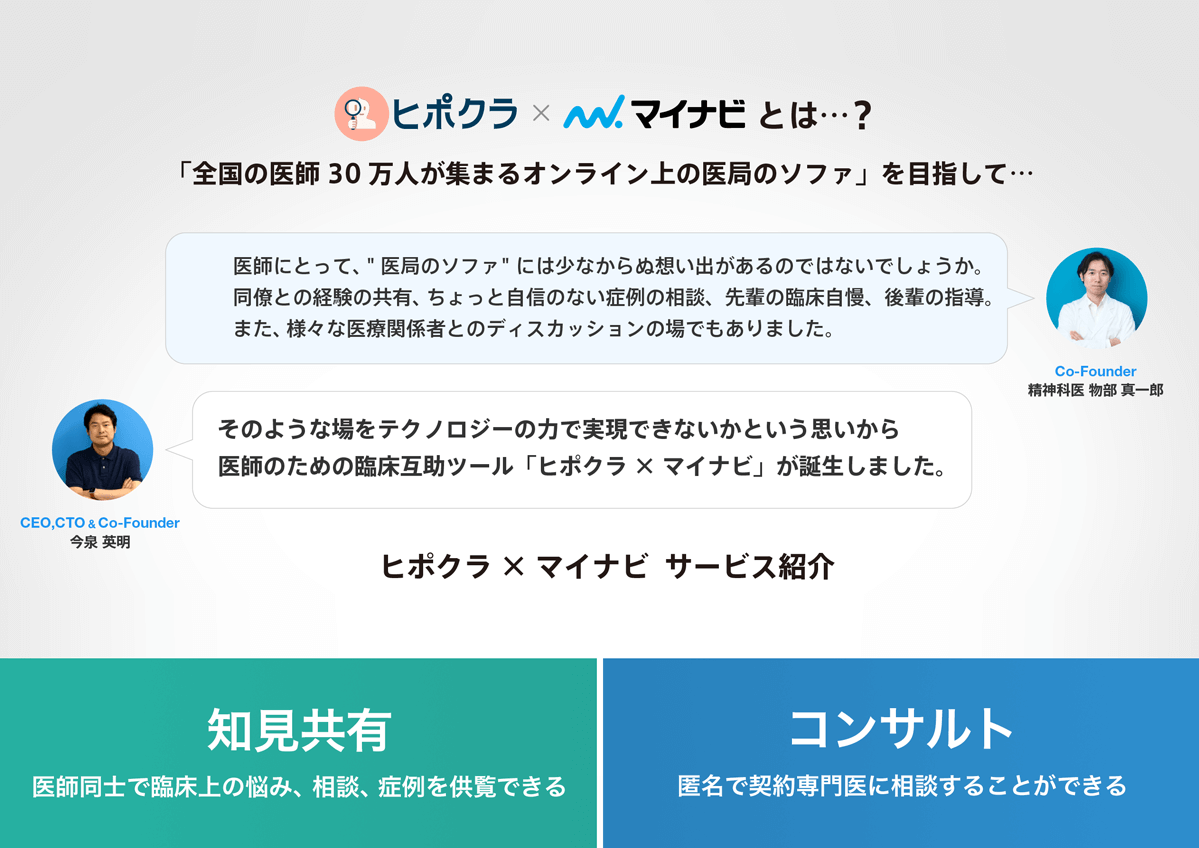
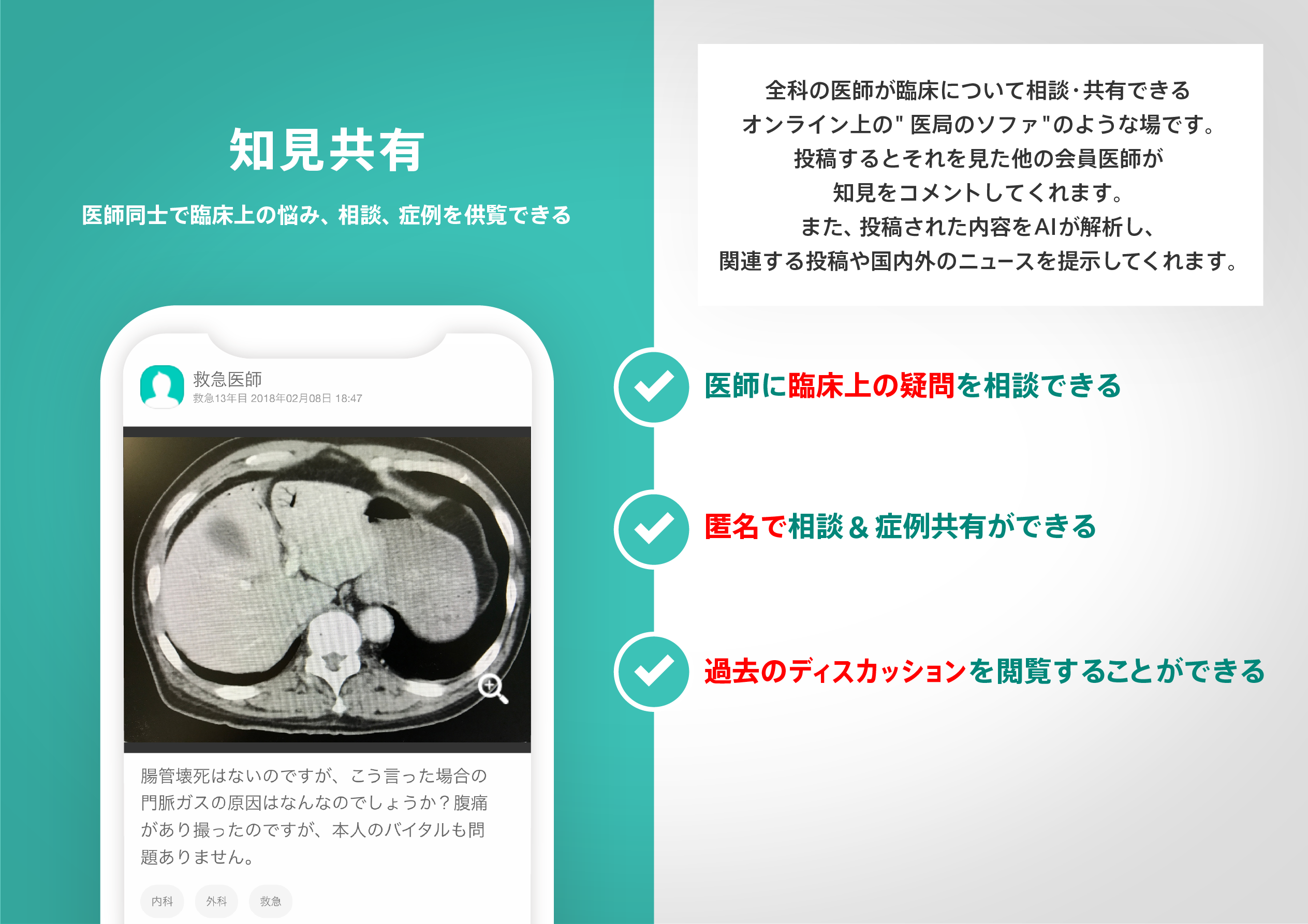
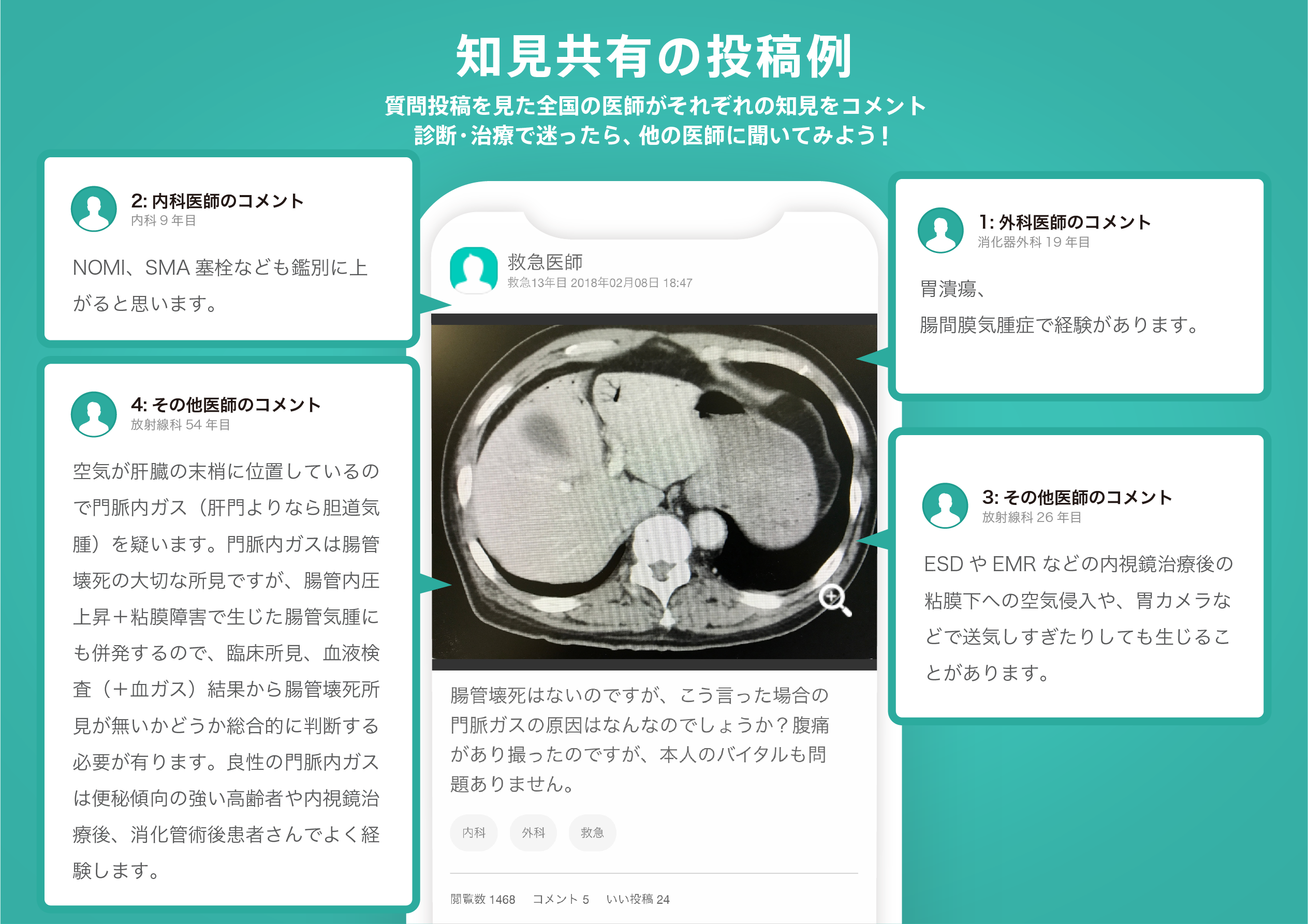
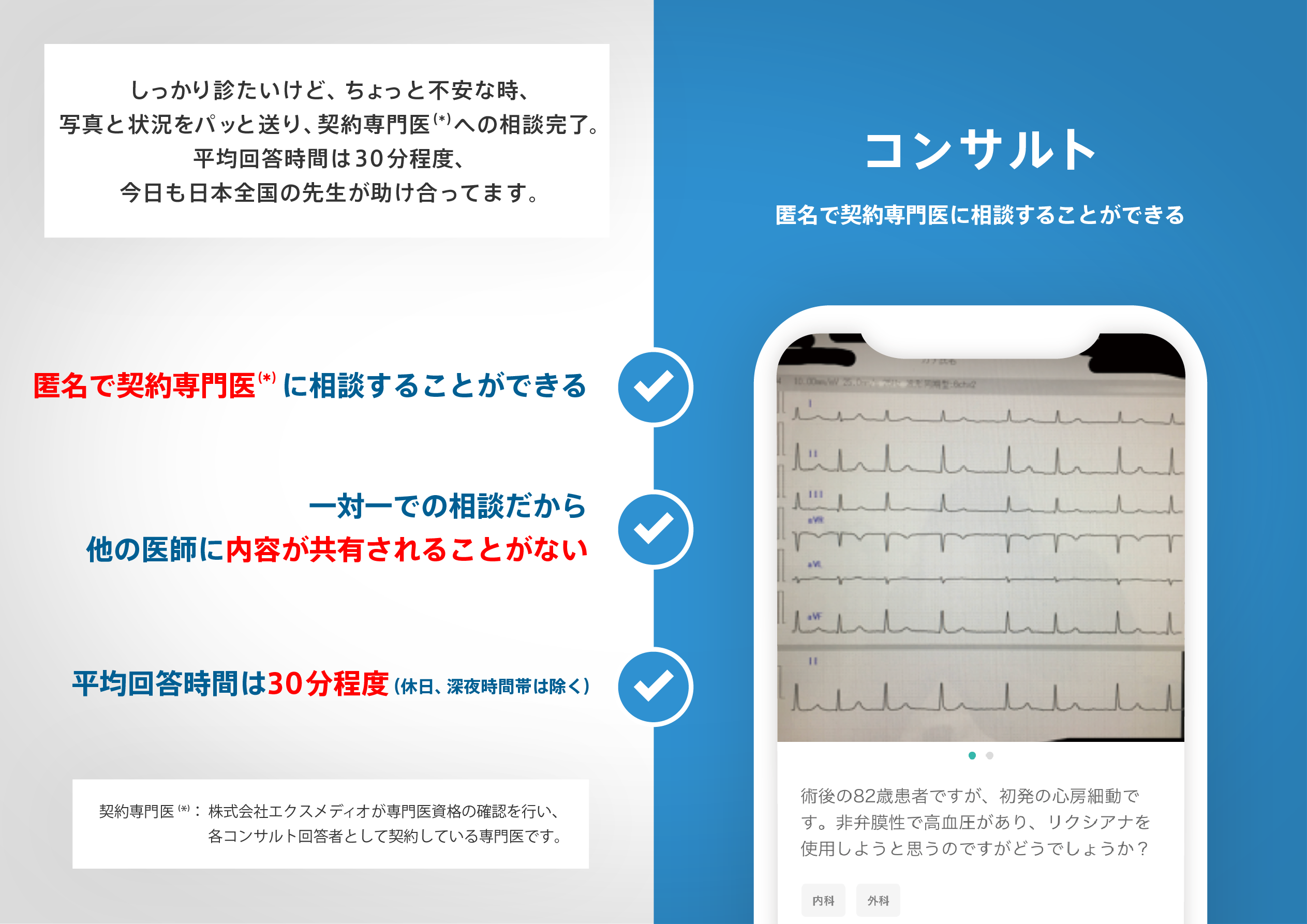
ヒポクラ x マイナビのご紹介

無料会員登録していただくと、さらに便利で効率的な検索が可能になります。