著名医師による解説が無料で読めます
すると翻訳の精度が向上します
非常に強力な多環芳香族炭化水素(PAH)発がん物質ジベンゾ(A、L)ピレン、ジベンゾ(A、H)ピレン、およびジベンツォ(A、I)ピレン(分子量302)の小型に存在する方法の分析のための方法が開発されました。ディーゼルと空気粒子材料の量。この方法は、PAH Benzo(A)ピレン、コロネン、およびペリレンの分析にも使用できます。この方法では、メソッドの検証に使用される標準的な参照材料(SRM 1649A(都市塵)およびSRM 2975(ディーゼル粒子状物質)。分析されたSRMでこれらのジベンゾピレン異性体に対して公開された唯一のNIST値は、Dibenzo(A、I)ピレンとジベンゾ(A、H)ピレンのSRM 1649aの参照値です。SRMで決定された濃度は、報告されたNIST認定および参照値および文献で報告されたその他の濃度とよく一致していました。標準的な参照材料1650(ディーゼル粒子状物質)も分析されました。ただし、SRM 1650の認証が期限切れになったため、この資料を使用してこの方法を検証できませんでした。この方法は、微粒子材料の超音波支援抽出、次にシリカスの前分離と分離、およびハイフン化LC-GC-MSによる分離と検出に基づいています。この方法は比較的迅速であり、分析物を識別および定量化するために約1〜5 mgのSRM粒子材料のみが必要です。ディーゼルSRM 2975および1650を抽出すると、分析物、特にジベンゾピレンの低い抽出回収率が生じましたが、これらのサンプルの定量化の限界近くのジベンゾピレンが存在します。SRM 1649aの分析に基づく方法の定量化限界(LOQ)は、10〜77 pgの範囲です。この方法を使用すると、分子量が302の25を超える潜在的なPAH異性体を分離できます。
非常に強力な多環芳香族炭化水素(PAH)発がん物質ジベンゾ(A、L)ピレン、ジベンゾ(A、H)ピレン、およびジベンツォ(A、I)ピレン(分子量302)の小型に存在する方法の分析のための方法が開発されました。ディーゼルと空気粒子材料の量。この方法は、PAH Benzo(A)ピレン、コロネン、およびペリレンの分析にも使用できます。この方法では、メソッドの検証に使用される標準的な参照材料(SRM 1649A(都市塵)およびSRM 2975(ディーゼル粒子状物質)。分析されたSRMでこれらのジベンゾピレン異性体に対して公開された唯一のNIST値は、Dibenzo(A、I)ピレンとジベンゾ(A、H)ピレンのSRM 1649aの参照値です。SRMで決定された濃度は、報告されたNIST認定および参照値および文献で報告されたその他の濃度とよく一致していました。標準的な参照材料1650(ディーゼル粒子状物質)も分析されました。ただし、SRM 1650の認証が期限切れになったため、この資料を使用してこの方法を検証できませんでした。この方法は、微粒子材料の超音波支援抽出、次にシリカスの前分離と分離、およびハイフン化LC-GC-MSによる分離と検出に基づいています。この方法は比較的迅速であり、分析物を識別および定量化するために約1〜5 mgのSRM粒子材料のみが必要です。ディーゼルSRM 2975および1650を抽出すると、分析物、特にジベンゾピレンの低い抽出回収率が生じましたが、これらのサンプルの定量化の限界近くのジベンゾピレンが存在します。SRM 1649aの分析に基づく方法の定量化限界(LOQ)は、10〜77 pgの範囲です。この方法を使用すると、分子量が302の25を超える潜在的なPAH異性体を分離できます。
A method has been developed for analysis of the highly potent polycyclic aromatic hydrocarbon (PAH) carcinogens dibenzo(a,l)pyrene, dibenzo(a,h)pyrene, and dibenzo(a,i)pyrene (molecular weight 302) present in small amounts in diesel and air particulate material. The method can also be used for analysis of the PAH benzo(a)pyrene, coronene, and perylene, for which reference and certified values are available for the standard reference materials used for validation of the method--SRM 1649a (urban dust) and SRM 2975 (diesel particulate matter). The only NIST values that have been published for these dibenzopyrene isomers in the analyzed SRM are reference values for dibenzo(a,i)pyrene and dibenzo(a,h)pyrene in SRM 1649a. The concentrations determined in the SRM were in good agreement with reported NIST-certified and reference values and other concentrations reported in the literature. Standard reference material 1650 (diesel particulate matter) was also analyzed. The method could not, however, be validated using this material because certification of SRM 1650 had expired. The method is based on ultrasonically assisted extraction of the particulate material, then silica SPE pre-separation and isolation, and, separation and detection by hyphenated LC-GC-MS. The method is relatively rapid and requires only approximately 1-5 mg SRM particulate material to identify and quantify the analytes. Low extraction recoveries for the analytes, in particular the dibenzopyrenes, when extracting diesel SRM 2975 and 1650 resulted, however, in the dibenzopyrenes being present in amounts near their limits of quantifications in these samples. The method's limit of quantification (LOQ), based on analyses of SRM 1649a, is in the range 10-77 pg. By use of this method more than 25 potential PAH isomers with a molecular weight of 302 could be separated.
医師のための臨床サポートサービス
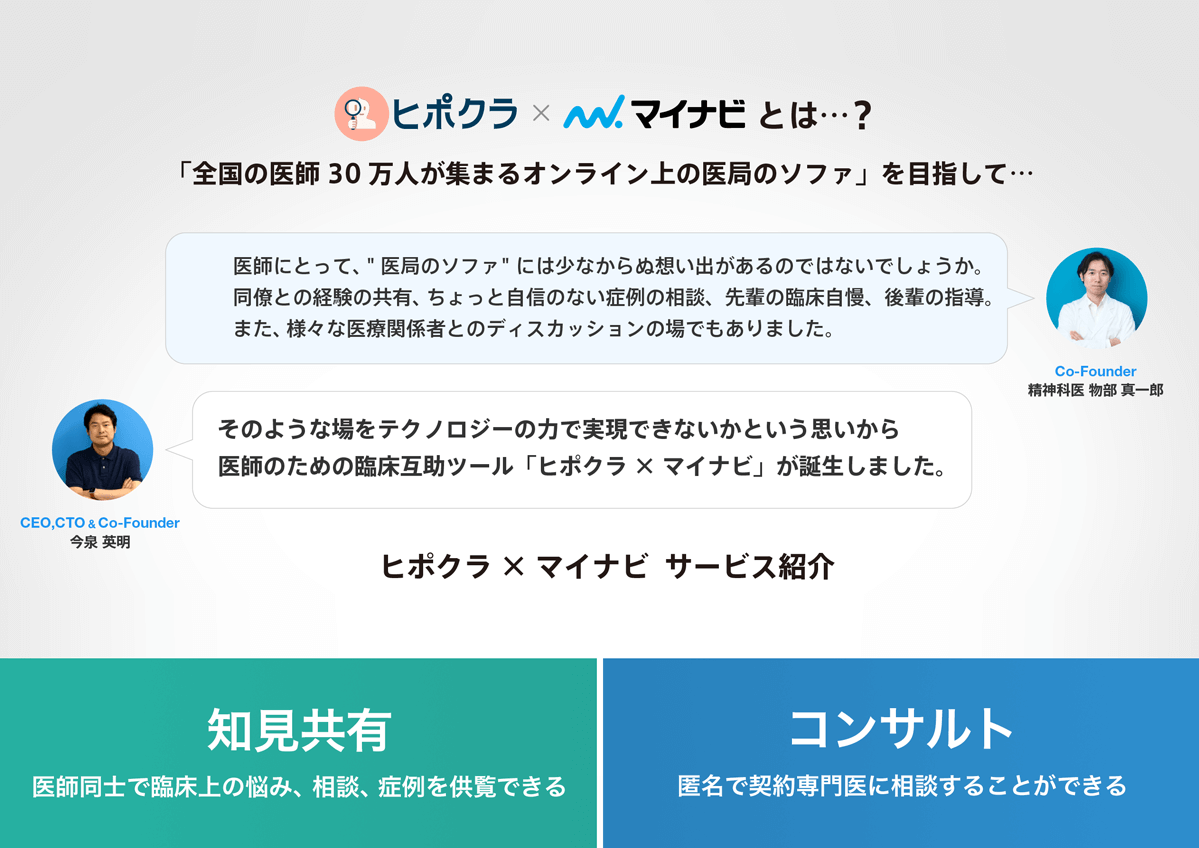
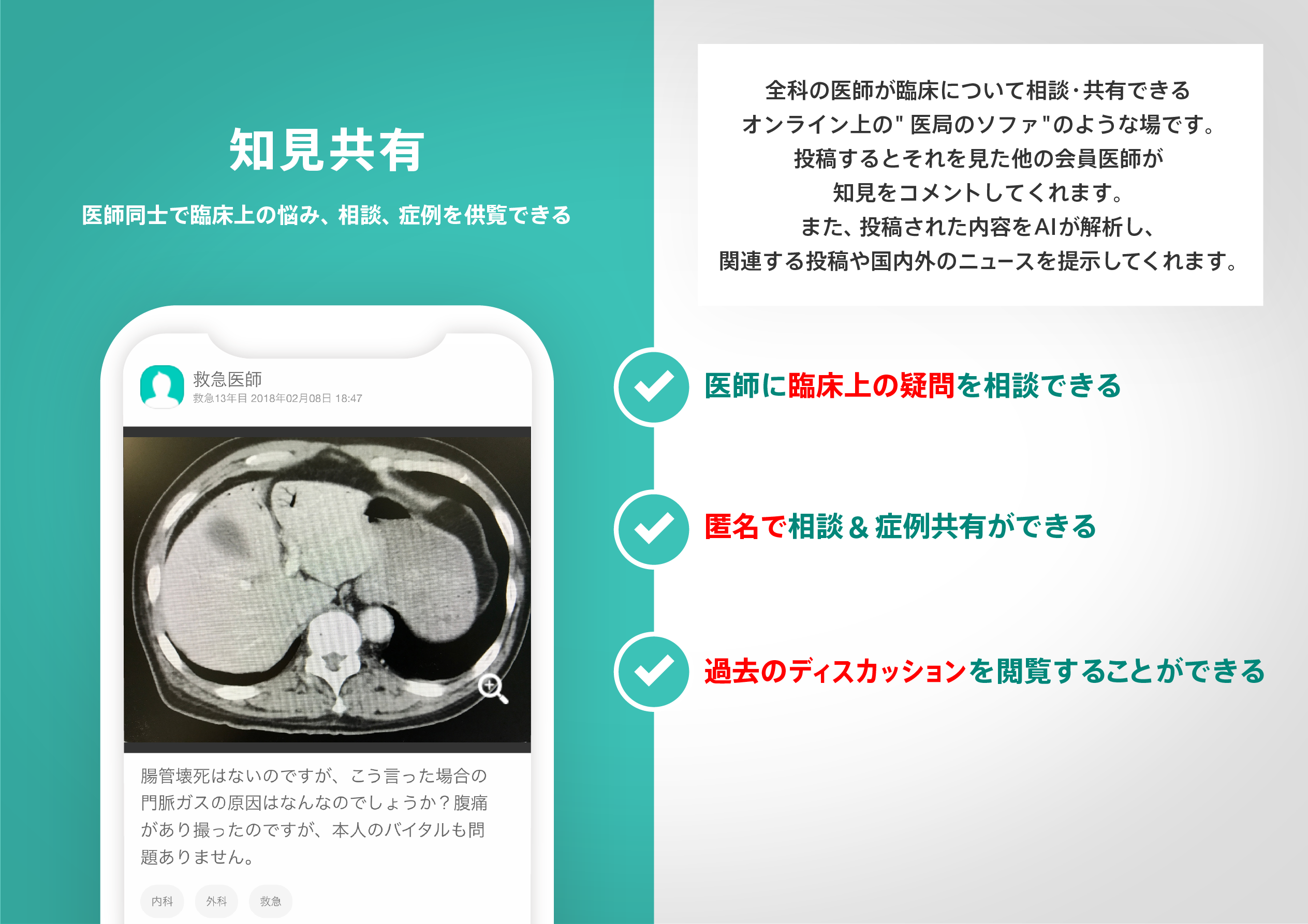
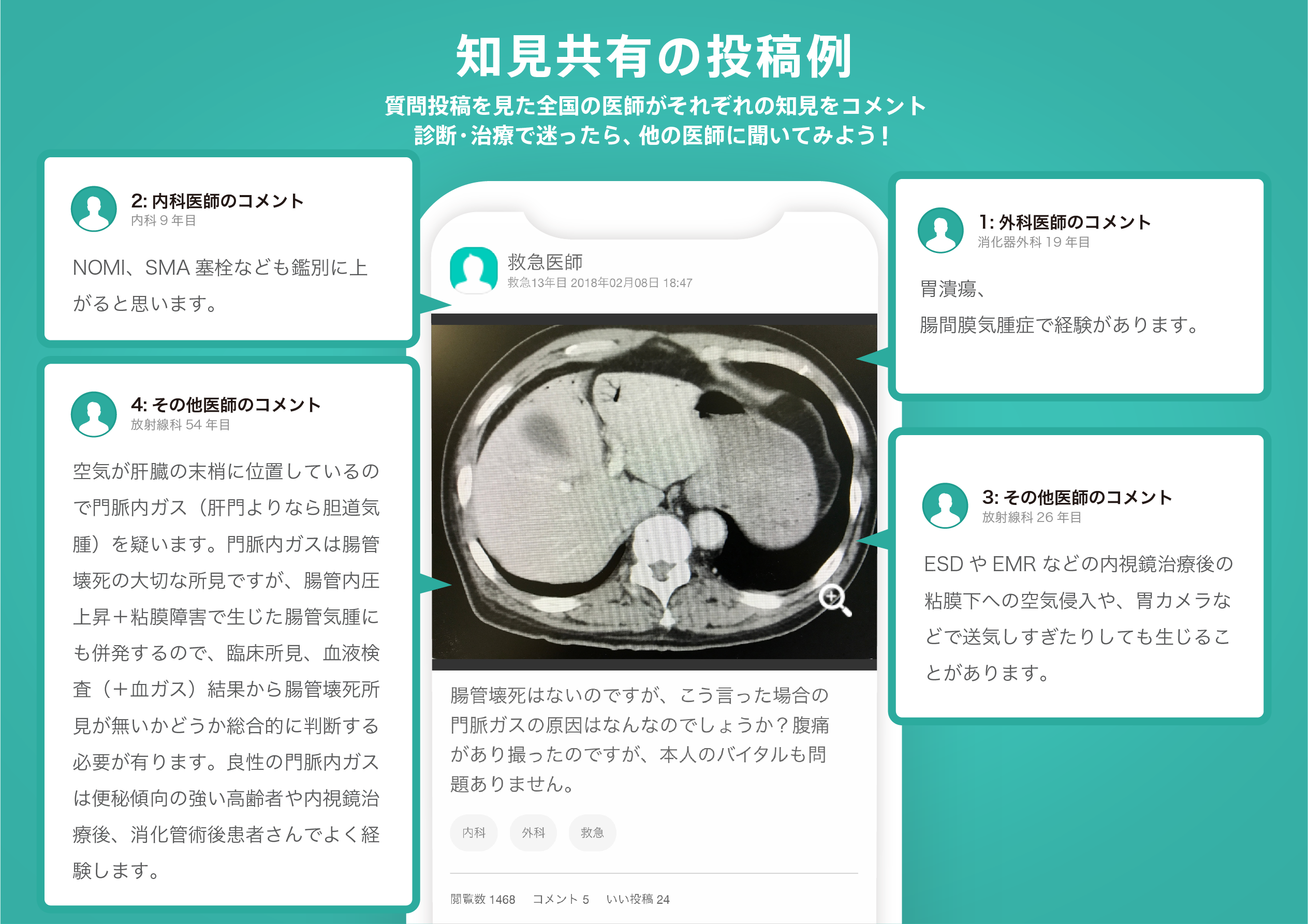
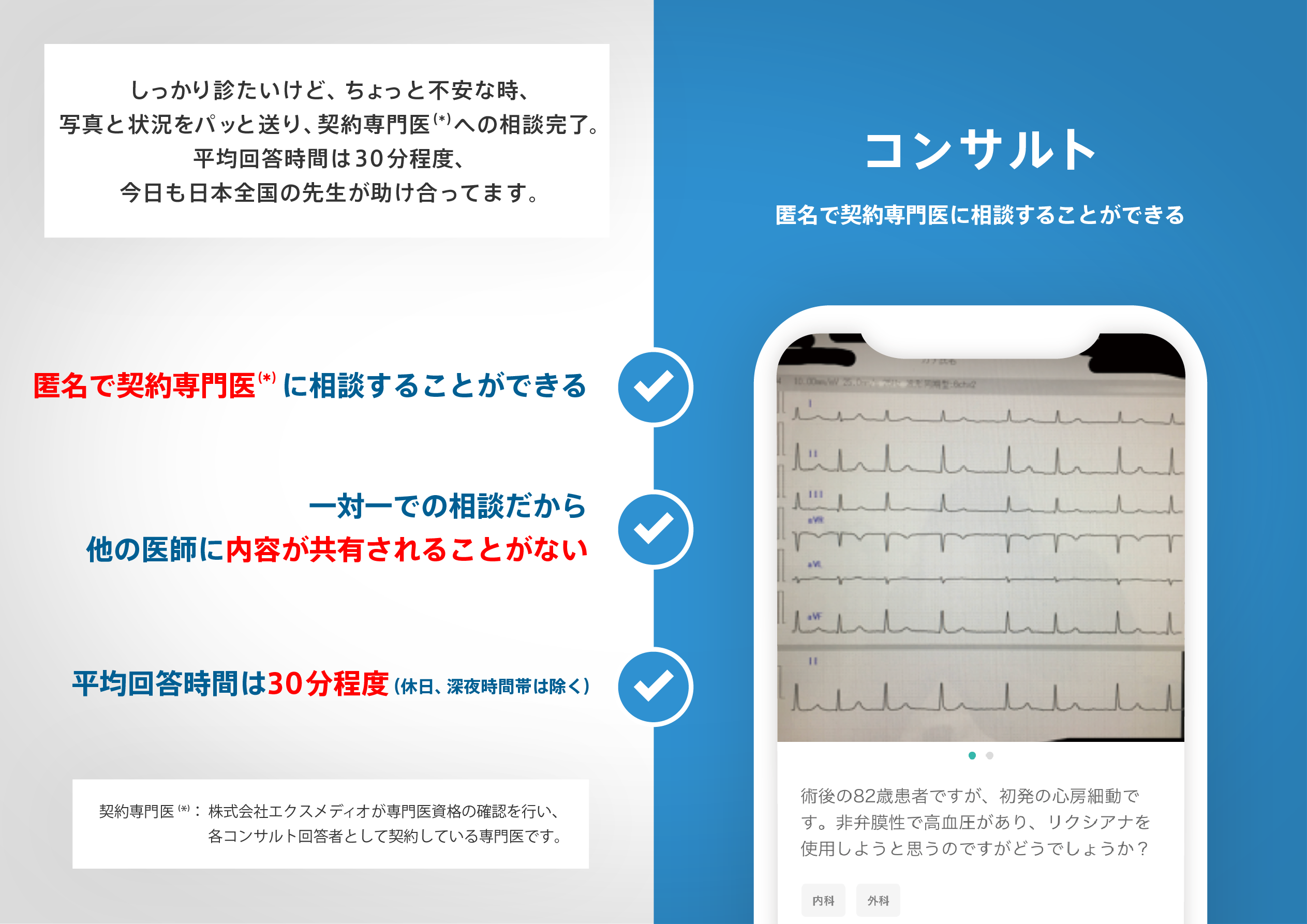
ヒポクラ x マイナビのご紹介

無料会員登録していただくと、さらに便利で効率的な検索が可能になります。