著名医師による解説が無料で読めます
すると翻訳の精度が向上します
別の刺激のプライミングは、概念表現の神経基盤を探るための重要なツールになりました。ただし、プライミング効果はさまざまな種類の関係に由来する可能性があり、概念知識の表現の理論的説明を開発できるようにするために、それらを区別することが重要です。繰り返しプライミング(同じ刺激の繰り返し提示)は、繰り返し抑制(RS)と呼ばれる神経応答の減少に関連していることはよく知られていますが、セマンティックプライミングの神経相関(2つの刺激が意味に関連しているが同一ではない場合)あまり確立されていません。書かれた単語を使用して、繰り返しとセマンティックプライミングの神経相関を比較し、形と意味を独立して操作しました。fMRIの研究では、被験者は単一の単語を見て、具体的に補償する決定を下しました。2つの連続した単語は、非常に関連する(コードストリング)から無関係な(フェイスセール)まで、一連の意味関係に沿って同一(町の町)または変化しました。繰り返しおよびセマンティックプライミングのための活性化の明確なパターンが見つかりました。繰り返しプライミングは、LIFG、両側の傍中cocamp局所、およびR紡錘状回のRSと関連していた。また、RMFGおよびRMTG/STGの単語繰り返しの活性化の増加が観察されました。これは、アイテムの以前のプレゼンテーションの認識を反映している可能性があります。セマンティック関連性の抑制の証拠はありませんでした。セマンティックプライミングは、複数の両側性前頭側頭領域での活性化の強化、つまりセマンティック強化に関連していました。結果は、視覚的な単語認識における繰り返しとセマンティックプライミングが明確な認知プロセスと神経基質に依存することを示唆しています。
別の刺激のプライミングは、概念表現の神経基盤を探るための重要なツールになりました。ただし、プライミング効果はさまざまな種類の関係に由来する可能性があり、概念知識の表現の理論的説明を開発できるようにするために、それらを区別することが重要です。繰り返しプライミング(同じ刺激の繰り返し提示)は、繰り返し抑制(RS)と呼ばれる神経応答の減少に関連していることはよく知られていますが、セマンティックプライミングの神経相関(2つの刺激が意味に関連しているが同一ではない場合)あまり確立されていません。書かれた単語を使用して、繰り返しとセマンティックプライミングの神経相関を比較し、形と意味を独立して操作しました。fMRIの研究では、被験者は単一の単語を見て、具体的に補償する決定を下しました。2つの連続した単語は、非常に関連する(コードストリング)から無関係な(フェイスセール)まで、一連の意味関係に沿って同一(町の町)または変化しました。繰り返しおよびセマンティックプライミングのための活性化の明確なパターンが見つかりました。繰り返しプライミングは、LIFG、両側の傍中cocamp局所、およびR紡錘状回のRSと関連していた。また、RMFGおよびRMTG/STGの単語繰り返しの活性化の増加が観察されました。これは、アイテムの以前のプレゼンテーションの認識を反映している可能性があります。セマンティック関連性の抑制の証拠はありませんでした。セマンティックプライミングは、複数の両側性前頭側頭領域での活性化の強化、つまりセマンティック強化に関連していました。結果は、視覚的な単語認識における繰り返しとセマンティックプライミングが明確な認知プロセスと神経基質に依存することを示唆しています。
The priming of a stimulus by another has become an important tool for exploring the neural underpinnings of conceptual representations. However, priming effects can derive from many different types of relationships and it is important to distinguish between them in order to be able to develop theoretical accounts of the representation of conceptual knowledge. While it is well known that repetition priming (the repeated presentation of the same stimulus) is associated with a reduced neural response, called repetition suppression (RS), the neural correlates of semantic priming (when two stimuli are related in meaning but not identical) are not so well established. We compared the neural correlates of repetition and semantic priming using written words, independently manipulating form and meaning. In an fMRI study, subjects saw single words and made a concrete-abstract decision. Two consecutive words were identical (town-town) or varied along a continuum of semantic relatedness, from highly related (cord-string) to unrelated (face-sail). We found distinct patterns of activation for repetition and semantic priming. Repetition priming was associated with RS in LIFG, bilateral parahippocampal gyrus and R fusiform gyrus. We also observed increased activation for word repetition in the RMFG and RMTG/STG, which may reflect recognition of item's earlier presentation. There was no evidence of suppression for semantic relatedness. Semantic priming was associated with enhanced activation in multiple bilateral fronto-temporal areas, i.e. semantic enhancement. The results suggest that repetition and semantic priming in visual word recognition depend on distinct cognitive processes and neural substrates.
医師のための臨床サポートサービス
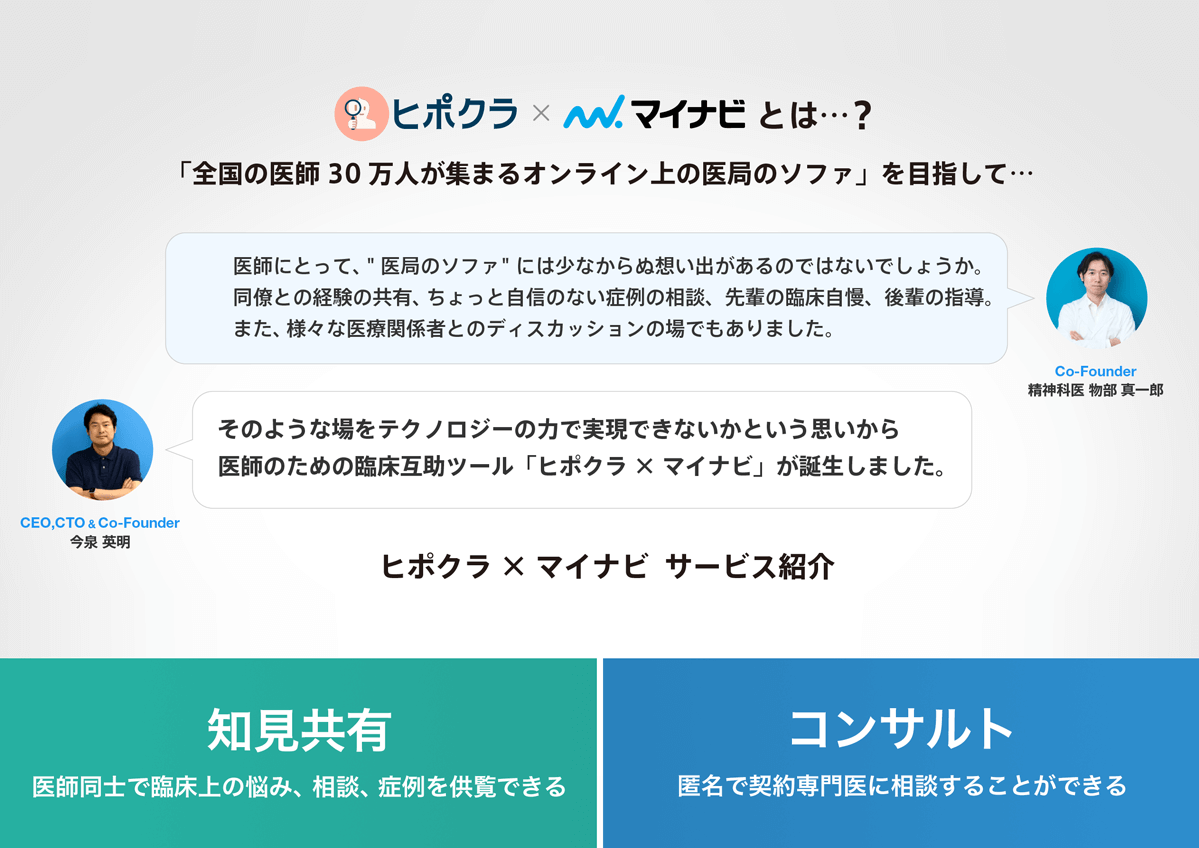
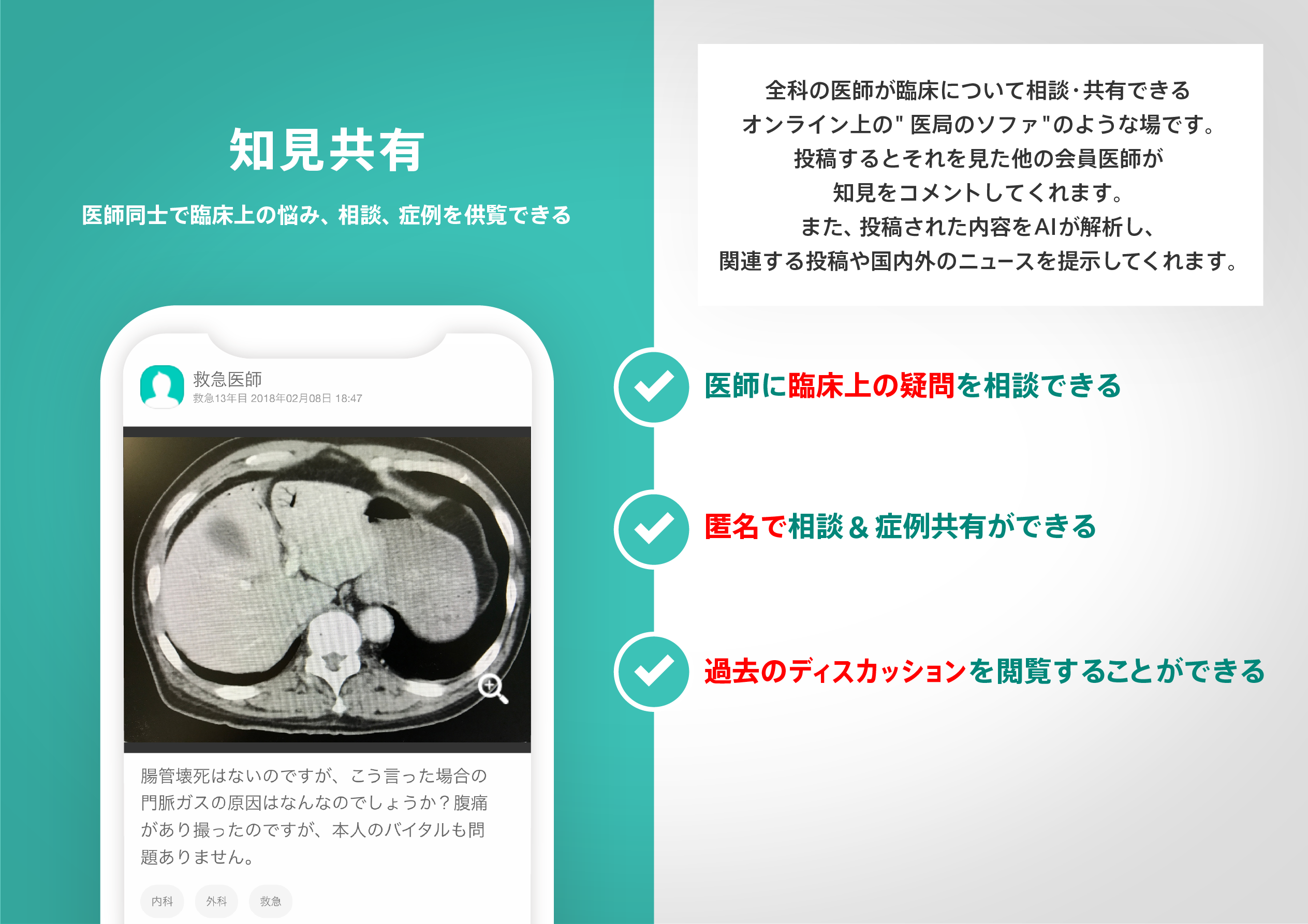
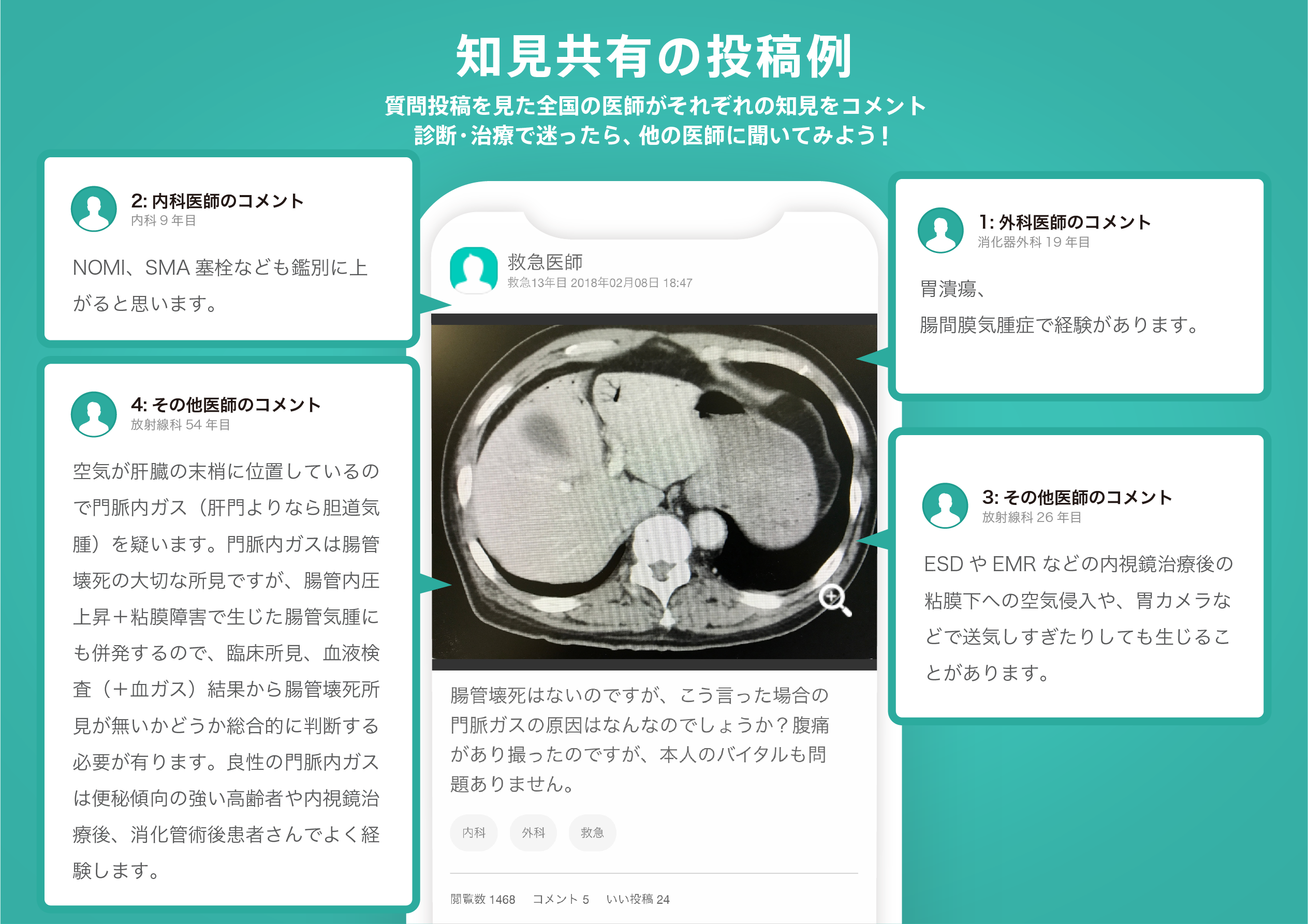
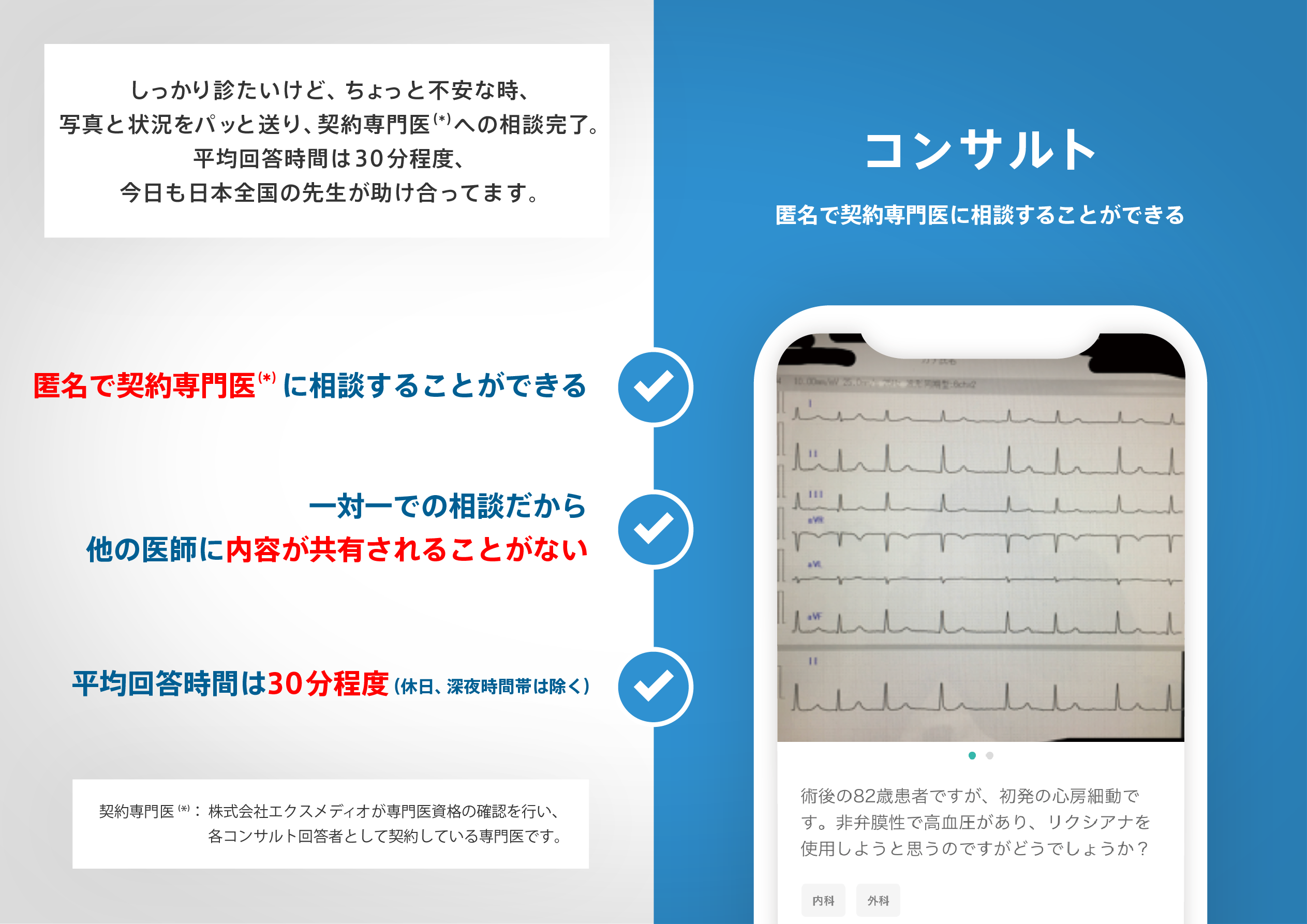
ヒポクラ x マイナビのご紹介

無料会員登録していただくと、さらに便利で効率的な検索が可能になります。