著名医師による解説が無料で読めます
すると翻訳の精度が向上します
はじめに:ダウン症候群(DS)またはトリソミー21は、出生児の最も一般的な染色体異常です。ほとんどのケースは、母体の非分離(ND)に続発する通常のトリソミー21です。減数分裂および親の起源は、DNA過可視領域からの遺伝子マーカーを分離することにより最近調査されました。 目的:通常のトリソミー21の子供の減数分裂と親の起源を特定する。 材料と方法:3つの20のグループを分析しました(すべてのグループには、ダウン症候群の親と子供が含まれていました)。以下のマーカーが使用されていました:D21S11、D21S1260、およびD21S265。 結果:NDは、13症例で最初の減数分裂(M1)および他の7つの2番目の減数分裂(M2)で発生しました。最初のグループの13のNDのうち12人は、母性と1人の父親でした。M2グループ内の親の起源は解明されませんでした。 結論:すべての場合において、減数分裂起源が特定されました。他の報告と同様に、現在の集団におけるトリソミー21の起源は、主にM1の母体NDに続発しています。
はじめに:ダウン症候群(DS)またはトリソミー21は、出生児の最も一般的な染色体異常です。ほとんどのケースは、母体の非分離(ND)に続発する通常のトリソミー21です。減数分裂および親の起源は、DNA過可視領域からの遺伝子マーカーを分離することにより最近調査されました。 目的:通常のトリソミー21の子供の減数分裂と親の起源を特定する。 材料と方法:3つの20のグループを分析しました(すべてのグループには、ダウン症候群の親と子供が含まれていました)。以下のマーカーが使用されていました:D21S11、D21S1260、およびD21S265。 結果:NDは、13症例で最初の減数分裂(M1)および他の7つの2番目の減数分裂(M2)で発生しました。最初のグループの13のNDのうち12人は、母性と1人の父親でした。M2グループ内の親の起源は解明されませんでした。 結論:すべての場合において、減数分裂起源が特定されました。他の報告と同様に、現在の集団におけるトリソミー21の起源は、主にM1の母体NDに続発しています。
INTRODUCTION: Down syndrome (DS) or trisomy 21 is the most common chromosomal abnormality in live birth children. Most cases are regular trisomies 21 secondary to a maternal non-disjunction (ND). Meiotic and parental origins have been recently investigated by segregating genetic markers from DNA hypervariable regions. OBJECTIVE: To identify the meiotic and parental origin in children with regular trisomy 21. MATERIALS AND METHODS: There were analyze 20 groups of three (every group included parents and child with Down syndrome). There were used soothe following markers: D21S11, D21S1260, and D21S265. RESULTS: The ND occurred during the first meiotic division (M1) in 13 cases and at the second meiotic division (M2) in the other seven. Twelve out of the 13 NDs from the first group were maternal and one paternal. The parental origin within the M2 group was not elucidated. CONCLUSIONS: Meiotic origin was identified in all cases. As in other reports, the origin of trisomy 21 in the present population is mainly secondary to a maternal ND in M1.
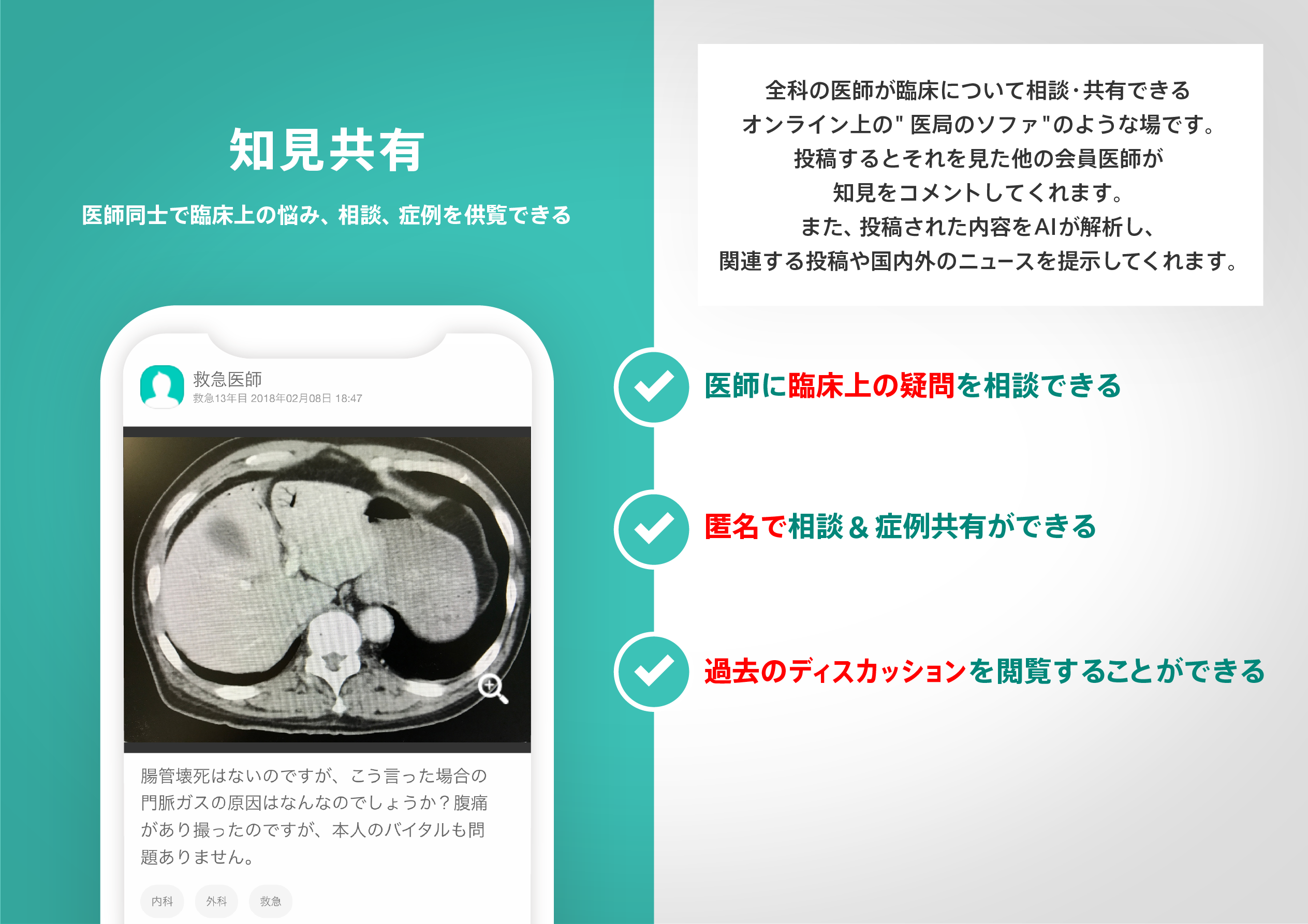
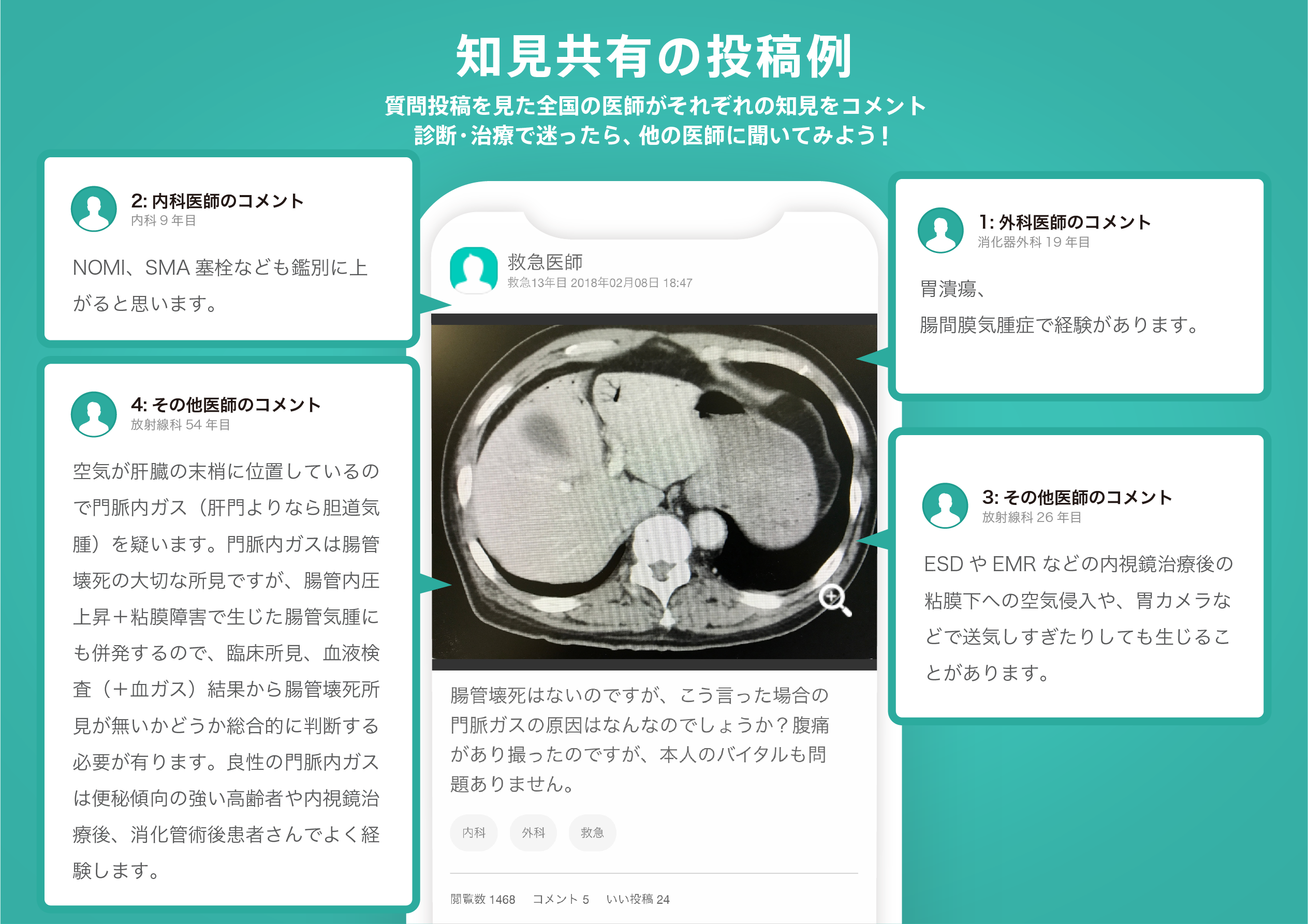
医師のための臨床サポートサービス
ヒポクラ x マイナビのご紹介
無料会員登録していただくと、さらに便利で効率的な検索が可能になります。