著名医師による解説が無料で読めます
すると翻訳の精度が向上します
自己申告アンケートを使用した恥と罪悪感の定量的評価は、さまざまな精神疾患におけるこれらの感情の役割を理解するのに役立ちます。しかし、恥と罪悪感の尺度は、通常、罪悪感と恥のレベルが低い健康な被験者を対象に主にテストされています。したがって、精神疾患を患い、恥と罪悪感を抱きやすい人々の集団におけるさまざまな恥と罪悪感のアンケートの比較妥当性については、健常者と比較してほとんど知られていない。この研究では、境界性パーソナリティ障害(BPD)の女性60名と健康な女性60名を対象に、自意識感情テスト(TOSCA-3)、個人感情アンケート(PFQ-2)、経験的恥辱尺度(ESS)を使用しました。恥の傾向性、罪悪感の傾向、および国家の恥の相互関係、ならびに自己効力感、エンパワーメント、状態および特性の不安、経験の回避、うつ病、および一般的な精神病理学との相関関係が評価されました。TOSCA-3 と PFQ-2 の両方で評価したところ、どちらのグループでも、恥をかきやすいことは罪を犯しやすいことと適度に関連していました。TOSCA-3 の場合、健康な被験者の間では、恥の傾向は他の概念と有意に相関していましたが、罪の傾向は相関していませんでした。この差は、境界性パーソナリティ障害の女性ではほとんど有意ではなくなりました。PFQ-2 の場合、恥と罪悪感の傾向は、両グループの他の構成要素と同様の相関パターンを示しました。TOSCA-3 の罪悪感傾向尺度は内部一貫性が低いことを示しました。国家恥(ESS)はどちらのグループでも国家不安と強く関連しており、他の概念との相関関係は国家不安と同様でした。恥の傾向と罪悪感の傾向を区別するための TOSCA-3 の識別的妥当性は、臨床サンプルでは低下する可能性があります。国家恥(ESS)の尺度は、国家不安と大きく重なることが示された。
自己申告アンケートを使用した恥と罪悪感の定量的評価は、さまざまな精神疾患におけるこれらの感情の役割を理解するのに役立ちます。しかし、恥と罪悪感の尺度は、通常、罪悪感と恥のレベルが低い健康な被験者を対象に主にテストされています。したがって、精神疾患を患い、恥と罪悪感を抱きやすい人々の集団におけるさまざまな恥と罪悪感のアンケートの比較妥当性については、健常者と比較してほとんど知られていない。この研究では、境界性パーソナリティ障害(BPD)の女性60名と健康な女性60名を対象に、自意識感情テスト(TOSCA-3)、個人感情アンケート(PFQ-2)、経験的恥辱尺度(ESS)を使用しました。恥の傾向性、罪悪感の傾向、および国家の恥の相互関係、ならびに自己効力感、エンパワーメント、状態および特性の不安、経験の回避、うつ病、および一般的な精神病理学との相関関係が評価されました。TOSCA-3 と PFQ-2 の両方で評価したところ、どちらのグループでも、恥をかきやすいことは罪を犯しやすいことと適度に関連していました。TOSCA-3 の場合、健康な被験者の間では、恥の傾向は他の概念と有意に相関していましたが、罪の傾向は相関していませんでした。この差は、境界性パーソナリティ障害の女性ではほとんど有意ではなくなりました。PFQ-2 の場合、恥と罪悪感の傾向は、両グループの他の構成要素と同様の相関パターンを示しました。TOSCA-3 の罪悪感傾向尺度は内部一貫性が低いことを示しました。国家恥(ESS)はどちらのグループでも国家不安と強く関連しており、他の概念との相関関係は国家不安と同様でした。恥の傾向と罪悪感の傾向を区別するための TOSCA-3 の識別的妥当性は、臨床サンプルでは低下する可能性があります。国家恥(ESS)の尺度は、国家不安と大きく重なることが示された。
Quantitative assessment of shame and guilt using self-report questionnaires can help to understand the role of these emotions in various mental disorders. However, shame and guilt measures have predominantly been tested among healthy subjects that usually show low levels of guilt and shame. Thus, little is known about the comparative validity of different shame and guilt questionnaires in a population of shame- and guilt-prone persons with mental illness as compared to healthy subjects. This study used the Test of Self-Conscious Affect (TOSCA-3), the Personal Feelings Questionnaire (PFQ-2) and the Experiential Shame Scale (ESS) among 60 women with borderline personality disorder (BPD) and 60 healthy women. Intercorrelations of shame-proneness, guilt-proneness and state shame as well as their correlations with self-efficacy, empowerment, state and trait-anxiety, experiential avoidance, depression, and general psychopathology were assessed. In both groups, shame-proneness was moderately related to guilt-proneness, both as assessed by the TOSCA-3 and the PFQ-2. For the TOSCA-3, among healthy subjects shame-proneness was significantly correlated with other constructs while guilt-proneness was not. This difference turned largely insignificant among women with BPD. For the PFQ-2, shame- and guilt-proneness showed similar correlational patterns with other constructs in both groups. The guilt-proneness scale of the TOSCA-3 showed poor internal consistency. State shame (ESS) was strongly related to state anxiety in both groups, and its correlations with other constructs were similar to state anxiety. The discriminant validity of the TOSCA-3 to distinguish between shame- and guilt-proneness may be diminished in clinical samples. The measure of state shame (ESS) showed a large overlap with state anxiety.
医師のための臨床サポートサービス
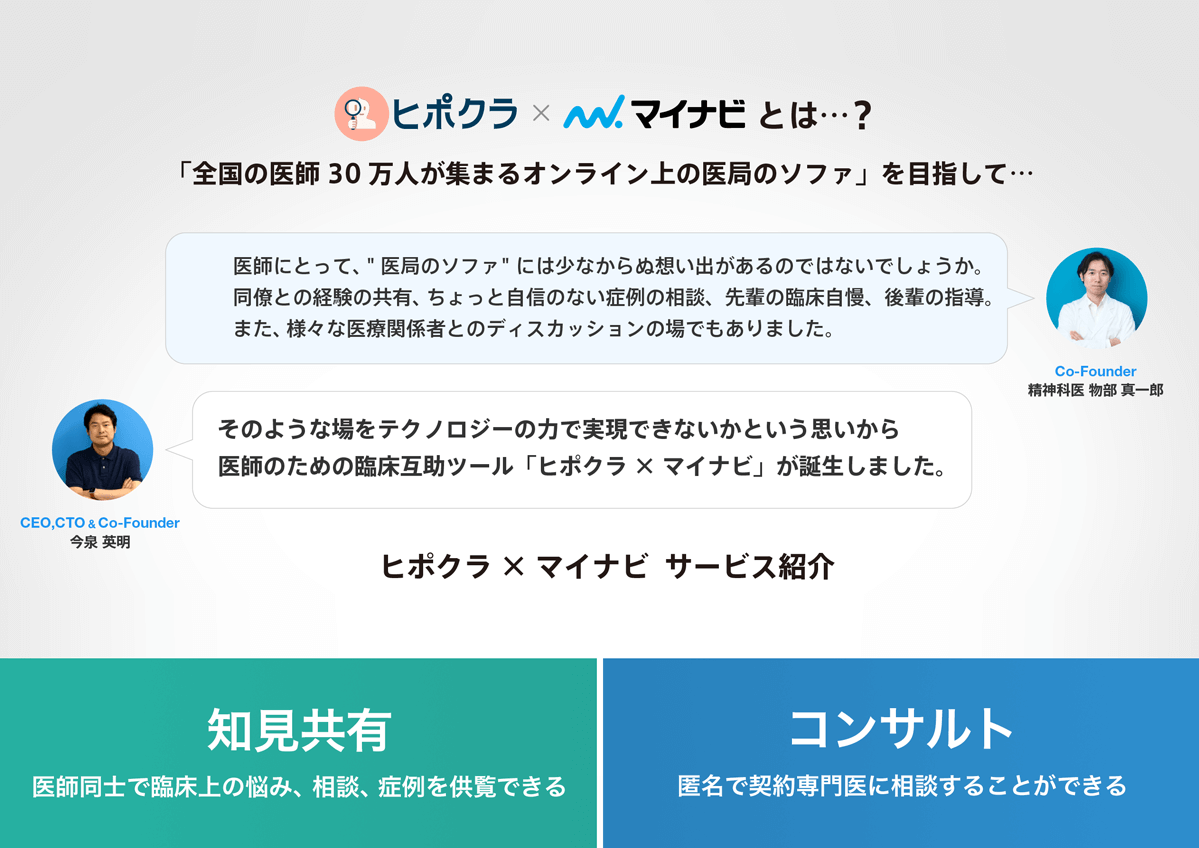
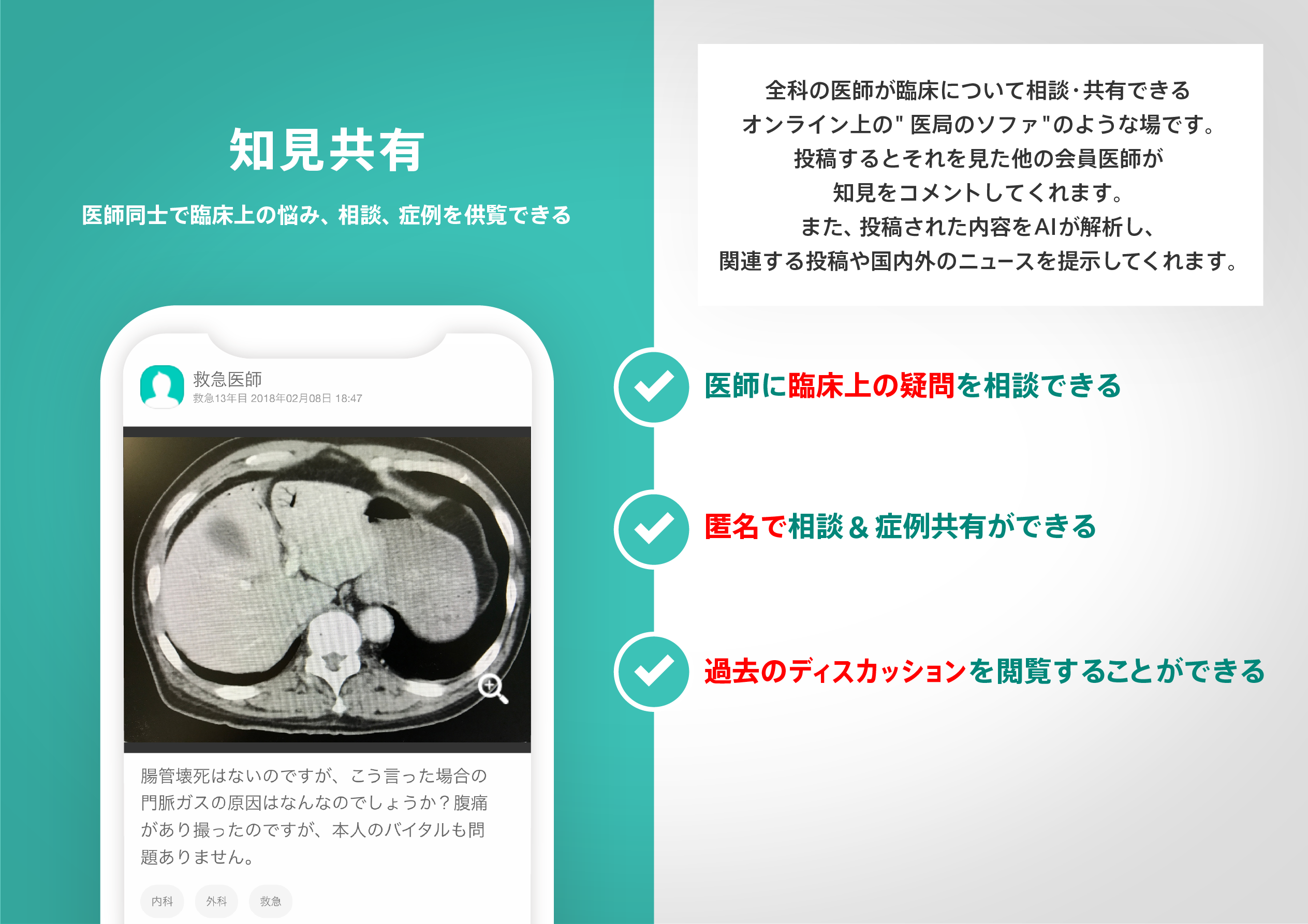
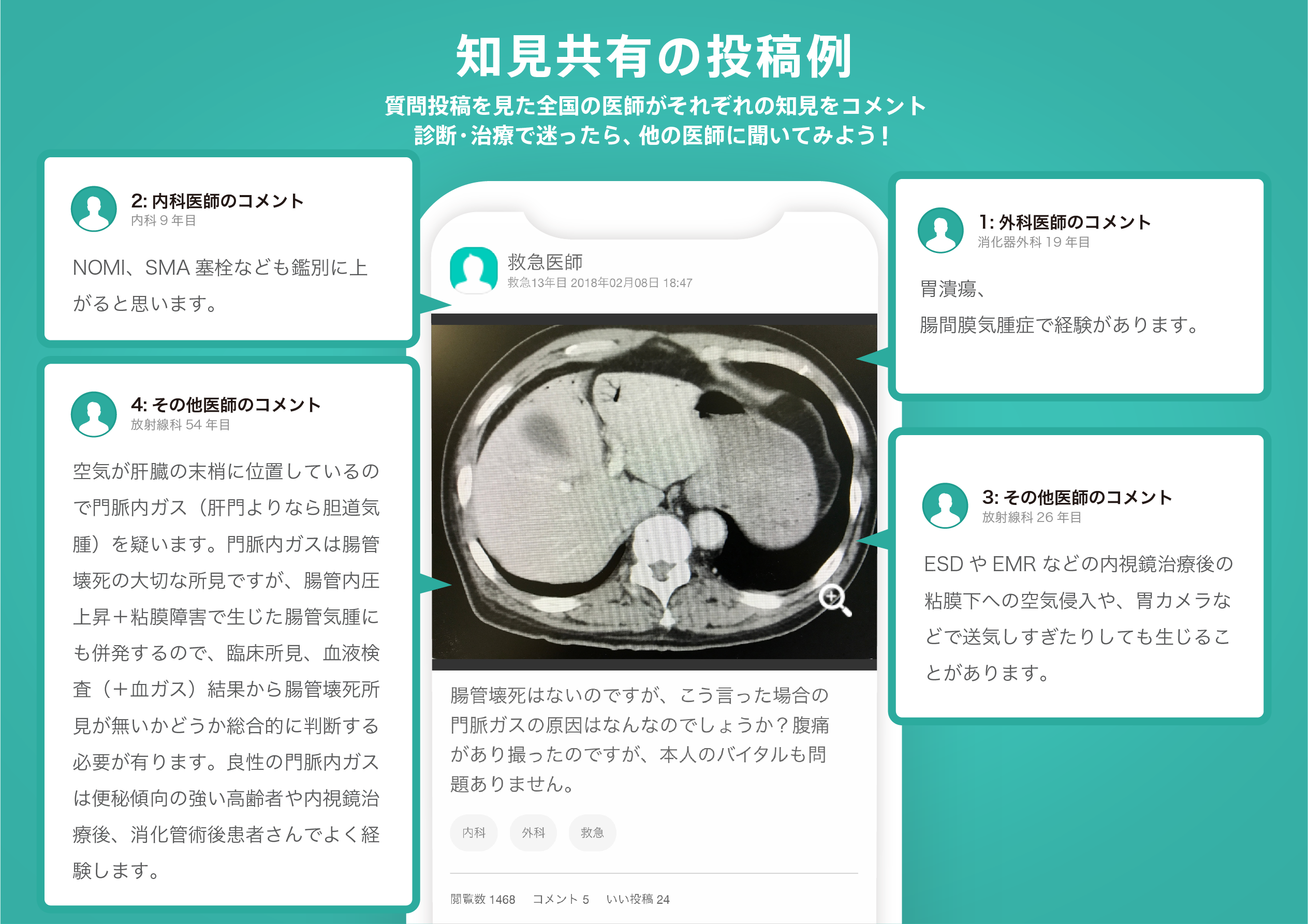
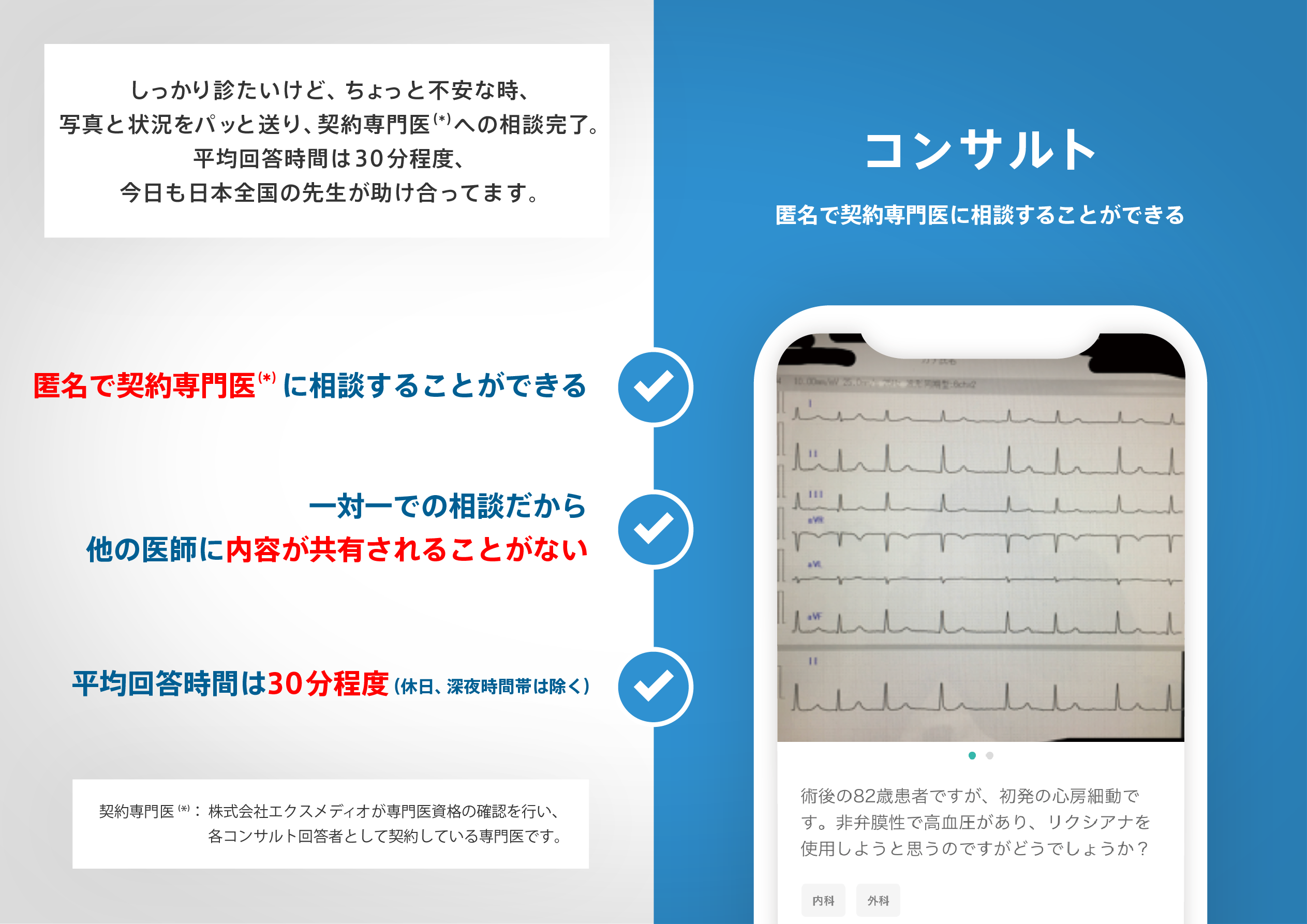
ヒポクラ x マイナビのご紹介

無料会員登録していただくと、さらに便利で効率的な検索が可能になります。