著名医師による解説が無料で読めます
すると翻訳の精度が向上します
このペーパーでは、透過型電子顕微鏡(TEM)の染色のためのアセテート(UA)の代替として、プラチナブルー(PT-Blue)の水溶液を紹介します。PT-Blueは、シスジクロロジアミン - プラチナム(II)(CIS-プラチン)とチミジンの反応から調製されました。Pt-Blueをマイクログリッド上で乾燥させ、TEMで観察すると、直径1 nm未満の小さな粒子が均一な外観を示しました。次に、電子染色としてのPt-Blueの効果を、従来の超甲状腺皮樹脂切片の陽性染色と、埋め込み後免疫電子顕微鏡検査の対比染色だけでなく、負の染色についても調べました。ラット肝臓と腎糸球体の超薄切片では、PT-Blueは、特に鉛染色(PB)と組み合わせた二重染色で良好なコントラスト画像を提供しました。これらのセクションでは、ほとんどすべての細胞オルガネラが明確に観察され、コントラストが高い。肝実質細胞のグリコーゲン顆粒は、UAで処理されたものと比較して、Pt-Blue染色切片で特に電子濃度でした。出芽インフルエンザAウイルスの縦方向および横方向の部分では、リボ核タンパク質複合体に対応する棒状構造の特定の配置が、Pt-BlueおよびPbで染色された各ビリオンで明確に示されていました。包摂後の免疫電子顕微鏡検査を下包K4Mに埋め込んだHeLa細胞の超甲状腺細胞切片で免疫電子顕微鏡検査を実施した場合、KI-67タンパク質の局在化は、PT-BlueおよびPB染色後でも十分に検出されました。本研究では、大腸菌の負の染色にPT-Blueが使用され、鞭毛の視覚化が可能になることが明らかになりました。これらの発見は、PT-Blueが、TEM製剤のUAに代わるものである有用で安全で、簡単に入手可能な電子染色であることを示しています。
このペーパーでは、透過型電子顕微鏡(TEM)の染色のためのアセテート(UA)の代替として、プラチナブルー(PT-Blue)の水溶液を紹介します。PT-Blueは、シスジクロロジアミン - プラチナム(II)(CIS-プラチン)とチミジンの反応から調製されました。Pt-Blueをマイクログリッド上で乾燥させ、TEMで観察すると、直径1 nm未満の小さな粒子が均一な外観を示しました。次に、電子染色としてのPt-Blueの効果を、従来の超甲状腺皮樹脂切片の陽性染色と、埋め込み後免疫電子顕微鏡検査の対比染色だけでなく、負の染色についても調べました。ラット肝臓と腎糸球体の超薄切片では、PT-Blueは、特に鉛染色(PB)と組み合わせた二重染色で良好なコントラスト画像を提供しました。これらのセクションでは、ほとんどすべての細胞オルガネラが明確に観察され、コントラストが高い。肝実質細胞のグリコーゲン顆粒は、UAで処理されたものと比較して、Pt-Blue染色切片で特に電子濃度でした。出芽インフルエンザAウイルスの縦方向および横方向の部分では、リボ核タンパク質複合体に対応する棒状構造の特定の配置が、Pt-BlueおよびPbで染色された各ビリオンで明確に示されていました。包摂後の免疫電子顕微鏡検査を下包K4Mに埋め込んだHeLa細胞の超甲状腺細胞切片で免疫電子顕微鏡検査を実施した場合、KI-67タンパク質の局在化は、PT-BlueおよびPB染色後でも十分に検出されました。本研究では、大腸菌の負の染色にPT-Blueが使用され、鞭毛の視覚化が可能になることが明らかになりました。これらの発見は、PT-Blueが、TEM製剤のUAに代わるものである有用で安全で、簡単に入手可能な電子染色であることを示しています。
This paper introduces an aqueous solution of platinum blue (Pt-blue) as an alternative to uranyl acetate (UA) for staining in transmission electron microscopy (TEM). Pt-blue was prepared from a reaction of cis-dichlorodiamine-platinum (II) (cis-platin) with thymidine. When Pt-blue was dried on a microgrid and observed by TEM it showed a uniform appearance with tiny particles less than 1 nm in diameter. The effect of Pt-blue as an electron stain was then examined not only for positive staining of conventional ultrathin resin sections and counterstaining of post-embedding immuno-electron microscopy but also for negative staining. In ultrathin sections of the rat liver and renal glomerulus, Pt-blue provided good contrast images, especially in double staining combined with a lead stain (Pb). Almost all cell organelles were clearly observed with high contrast in these sections. Glycogen granules in the hepatic parenchymal cells were particularly electron dense in Pt-blue stained sections compared with those treated with UA. In longitudinal and transverse sections of budding influenza A viruses, a specific arrangement of rod-like structures, which correspond to the ribonucleoprotein complexes, was clearly shown in each virion stained with Pt-blue and Pb. When post-embedding immunoelectron microscopy was performed in ultrathin sections of HeLa cells embedded in Lowicryl K4M, the localization of Ki-67 protein was sufficiently detected even after Pt-blue and Pb staining. The present study also revealed that Pt-blue could be used for the negative staining of E. coli, allowing the visualization of a flagellum. These findings indicate that Pt-blue is a useful, safe, and easily obtainable electron stain that is an alternative to UA for TEM preparations.
医師のための臨床サポートサービス
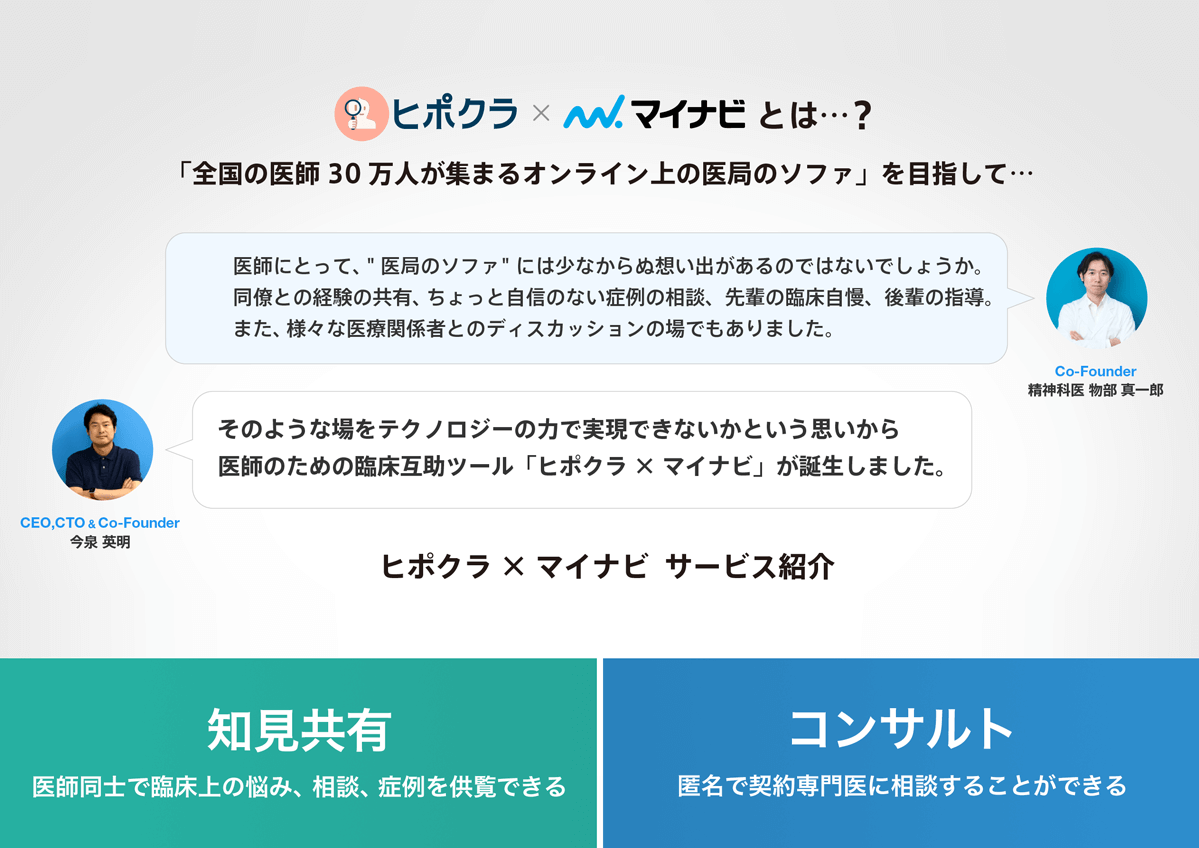
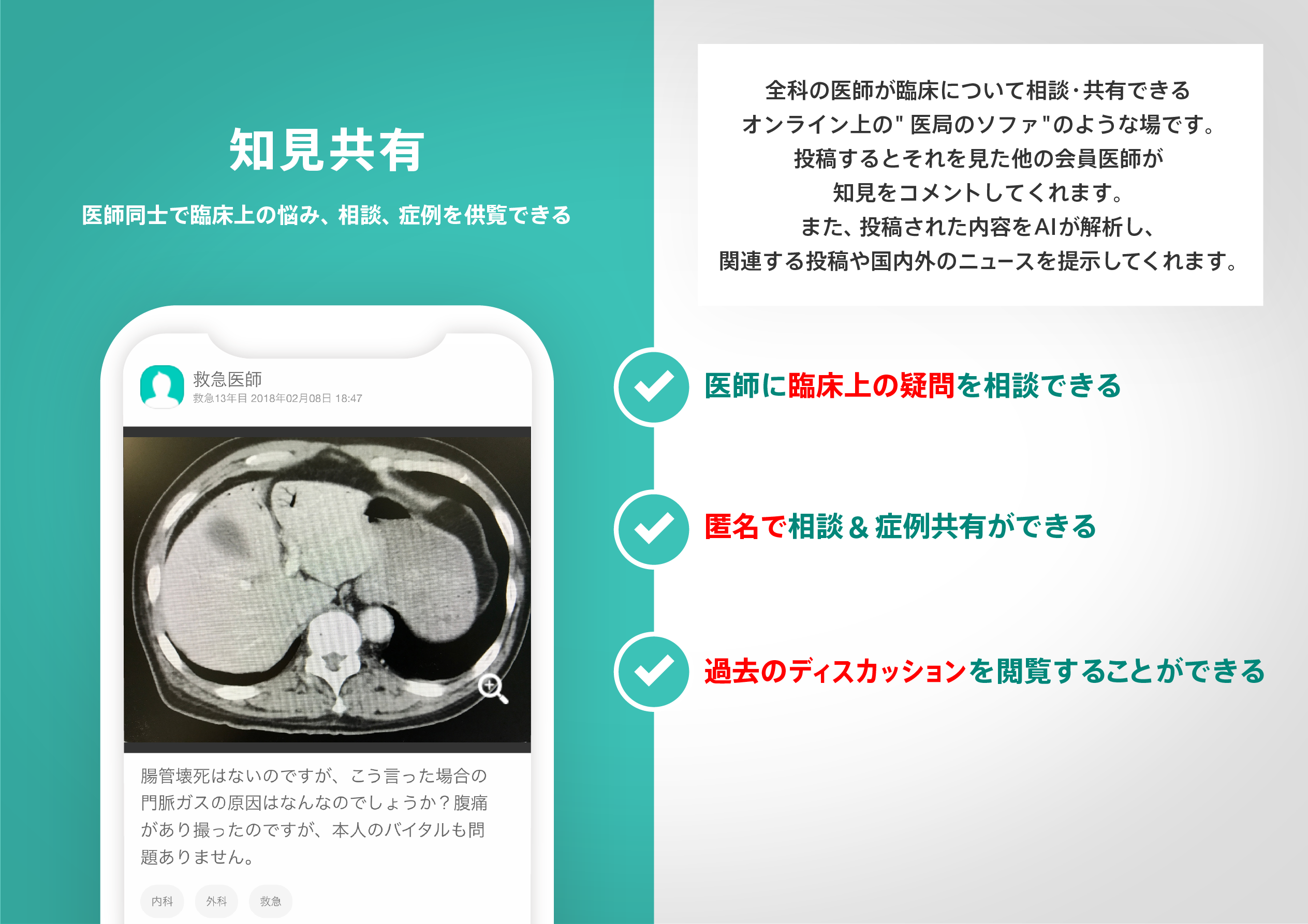
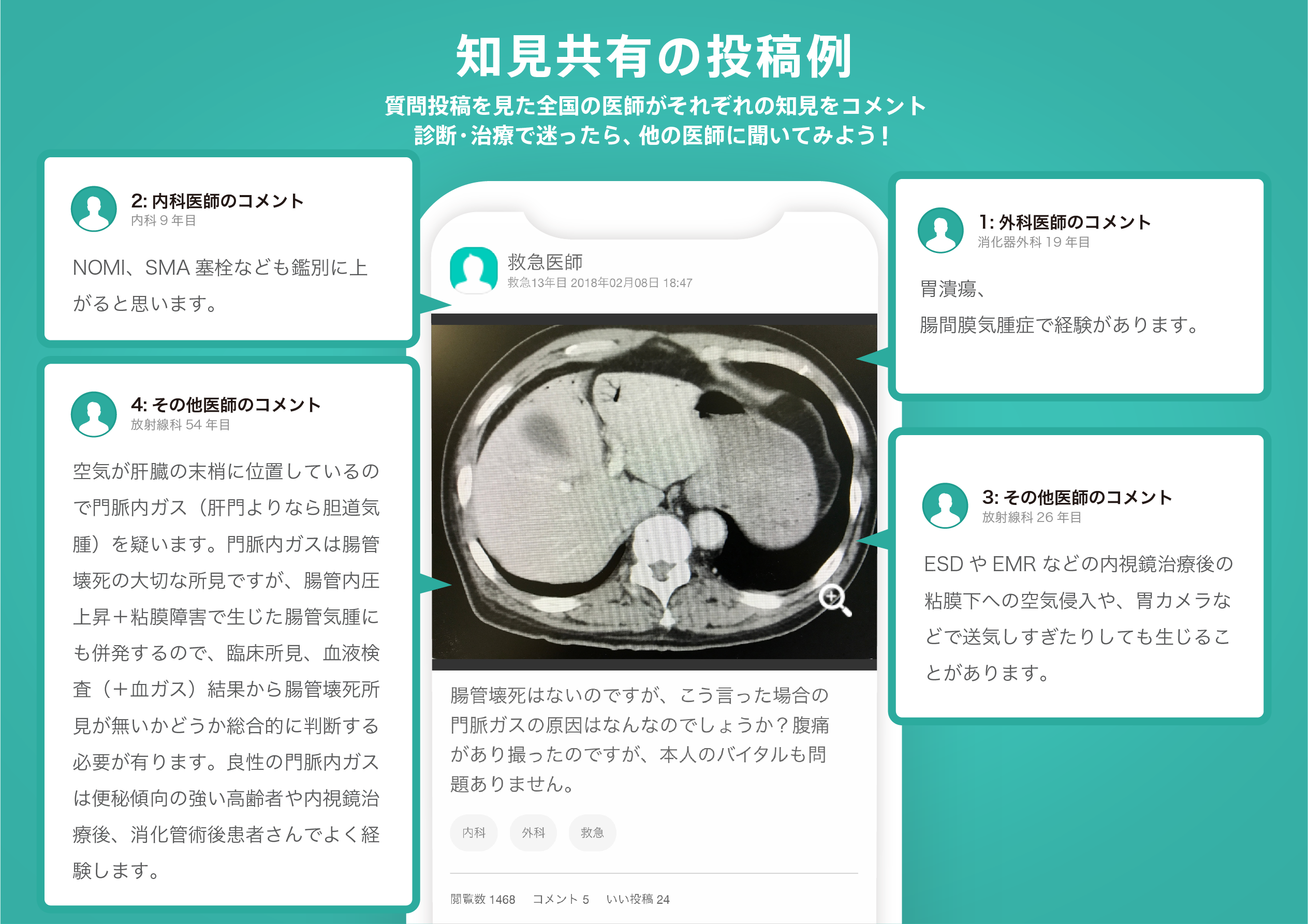
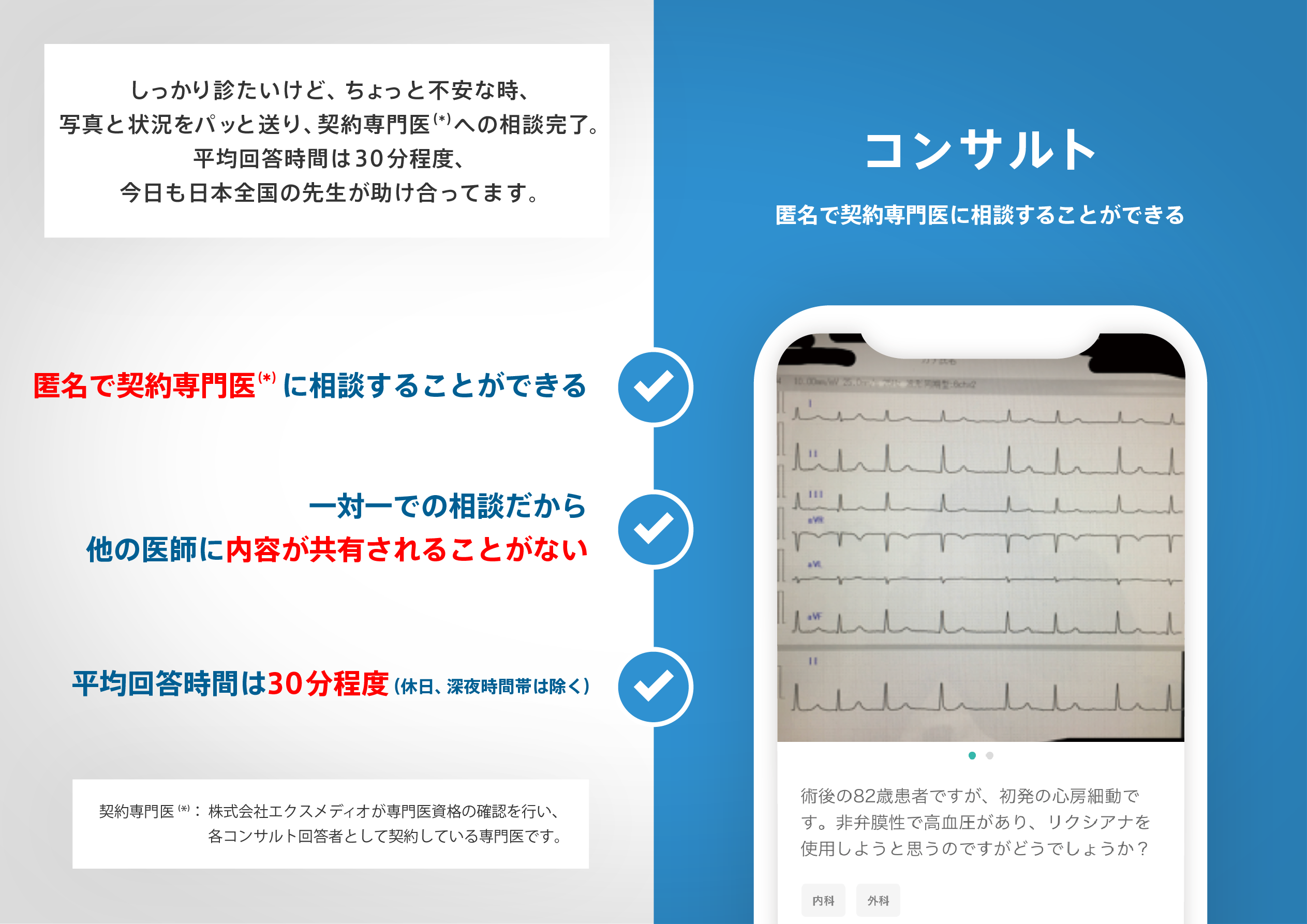
ヒポクラ x マイナビのご紹介

無料会員登録していただくと、さらに便利で効率的な検索が可能になります。