著名医師による解説が無料で読めます
すると翻訳の精度が向上します
2-メチル-1,4-ナフタレンジオン(メナディオン)、2,6-ジクロロフェノリンドフェノール(DCPIP)、およびN、N、N、N '、N'-テトラメチル-P-フェニレンジアミン(TMPD)を含む3つの親油性メディエーターの異なる挙動酵母Saccharomyces cerevisiaeの酸化還元活性は、いくつかの比較因子インフレンシング実験によって研究されました。親水性フェリシアニドは、細胞外電子受容体として採用され、3つの親油性メディエーターのそれぞれでデュアルメディエーターシステムを構成しました。制限電流微小電極ボルタンメトリーを使用して、フェロシアニドの蓄積の量を測定し、酸化還元活性の直接的な尺度を与えました。嫌気性状態では、メナディオンは嫌気性呼吸経路と相互作用するのに対し、DCPIPとTMPDは酵母の発酵経路と相互作用することがわかった。酵母と3人のメディエーターのそれぞれとの間の相互作用の理解に基づいて、3人のメディエーターがそれぞれS. cerevisiaeの酢酸の毒性の評価に採用され、最初の結果は、メディエーターが使用されたときに相互に補完することを示しました。生物毒性アッセイの電子キャリアとして。
2-メチル-1,4-ナフタレンジオン(メナディオン)、2,6-ジクロロフェノリンドフェノール(DCPIP)、およびN、N、N、N '、N'-テトラメチル-P-フェニレンジアミン(TMPD)を含む3つの親油性メディエーターの異なる挙動酵母Saccharomyces cerevisiaeの酸化還元活性は、いくつかの比較因子インフレンシング実験によって研究されました。親水性フェリシアニドは、細胞外電子受容体として採用され、3つの親油性メディエーターのそれぞれでデュアルメディエーターシステムを構成しました。制限電流微小電極ボルタンメトリーを使用して、フェロシアニドの蓄積の量を測定し、酸化還元活性の直接的な尺度を与えました。嫌気性状態では、メナディオンは嫌気性呼吸経路と相互作用するのに対し、DCPIPとTMPDは酵母の発酵経路と相互作用することがわかった。酵母と3人のメディエーターのそれぞれとの間の相互作用の理解に基づいて、3人のメディエーターがそれぞれS. cerevisiaeの酢酸の毒性の評価に採用され、最初の結果は、メディエーターが使用されたときに相互に補完することを示しました。生物毒性アッセイの電子キャリアとして。
The different behaviors of three lipophilic mediators including 2-methyl-1,4-naphthalenedione(menadione), 2,6-dichlorophenolindophenol (DCPIP) and N,N,N',N'-tetramethyl-p-phenylenediamine (TMPD) in probing the redox activity of the yeast Saccharomyces cerevisiae were studied by several comparative factor-influencing experiments. Hydrophilic ferricyanide was employed as an extracellular electron acceptor, and constituted dual mediator system with each of three lipophilic mediators. Limiting-current microelectrode voltammetry was used to measure the quantity of ferrocyanide accumulations, giving a direct measure of the redox activity. It was found that under anaerobic condition, menadione interacts with anaerobic respiration pathway, whereas DCPIP and TMPD interact with fermentation pathway in the yeast. Based on the understanding of the interaction between the yeast and each of three mediators, three mediators were respectively employed in evaluating the toxicity of acetic acid on S. cerevisiae and, the results for the first showed that the mediators are complementary to each other when used as electron carriers in biotoxicity assay.
医師のための臨床サポートサービス
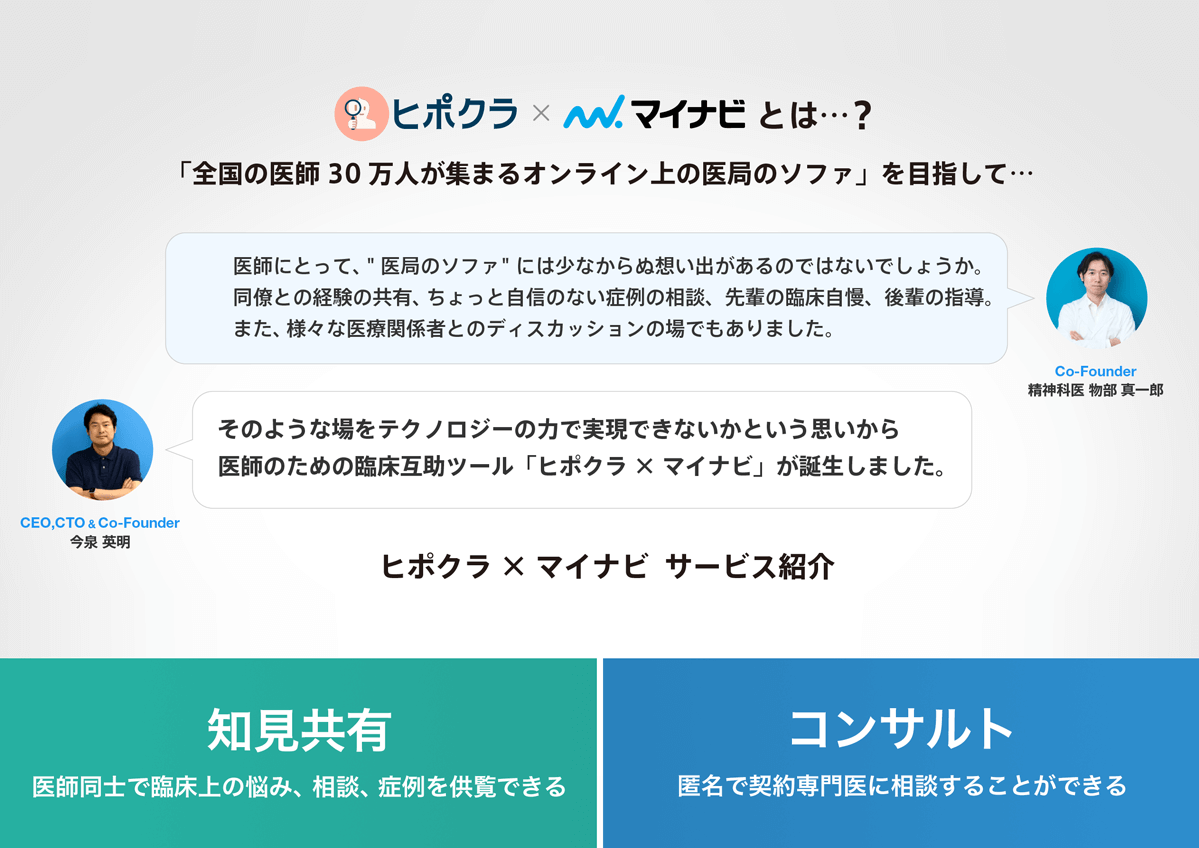
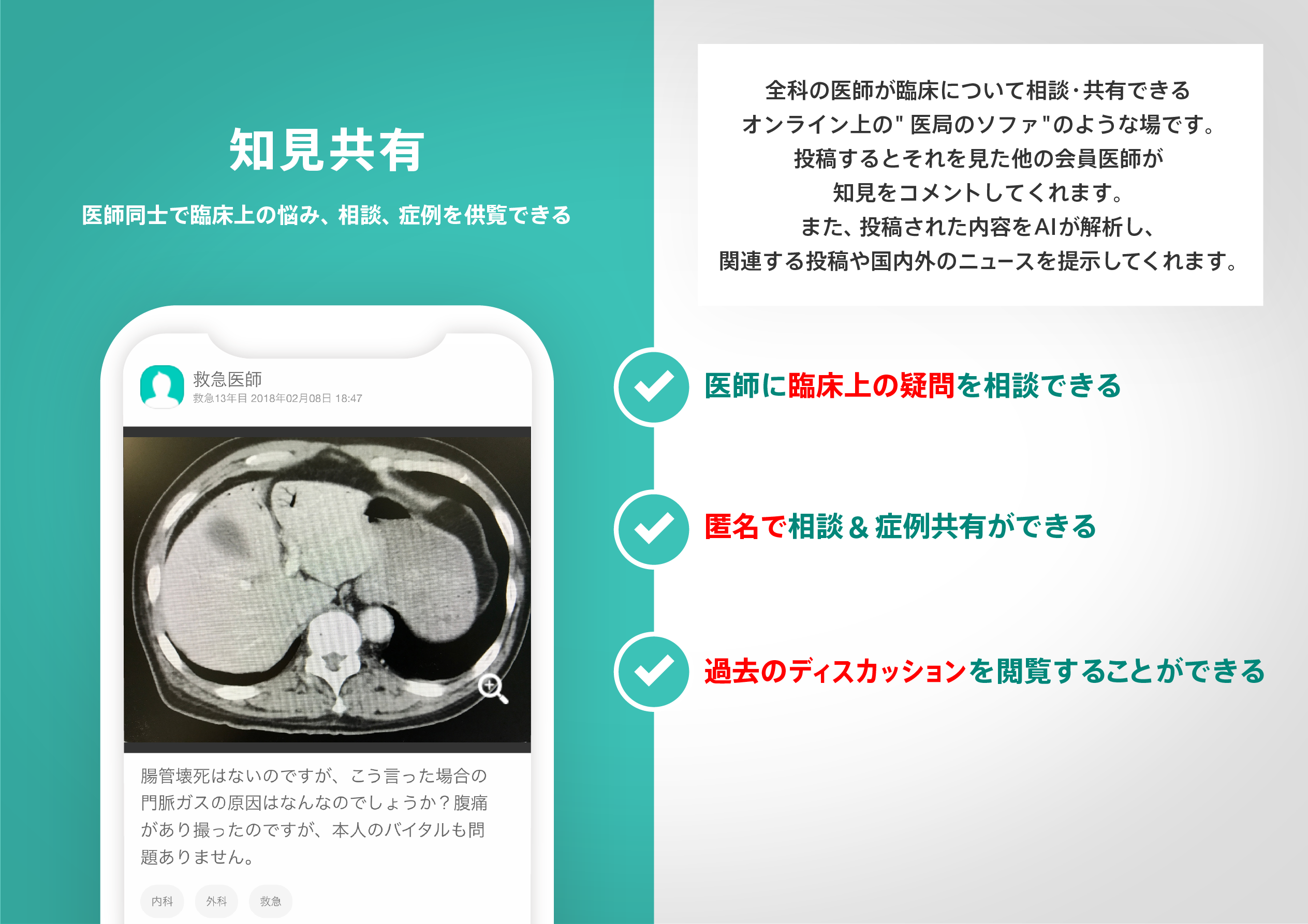
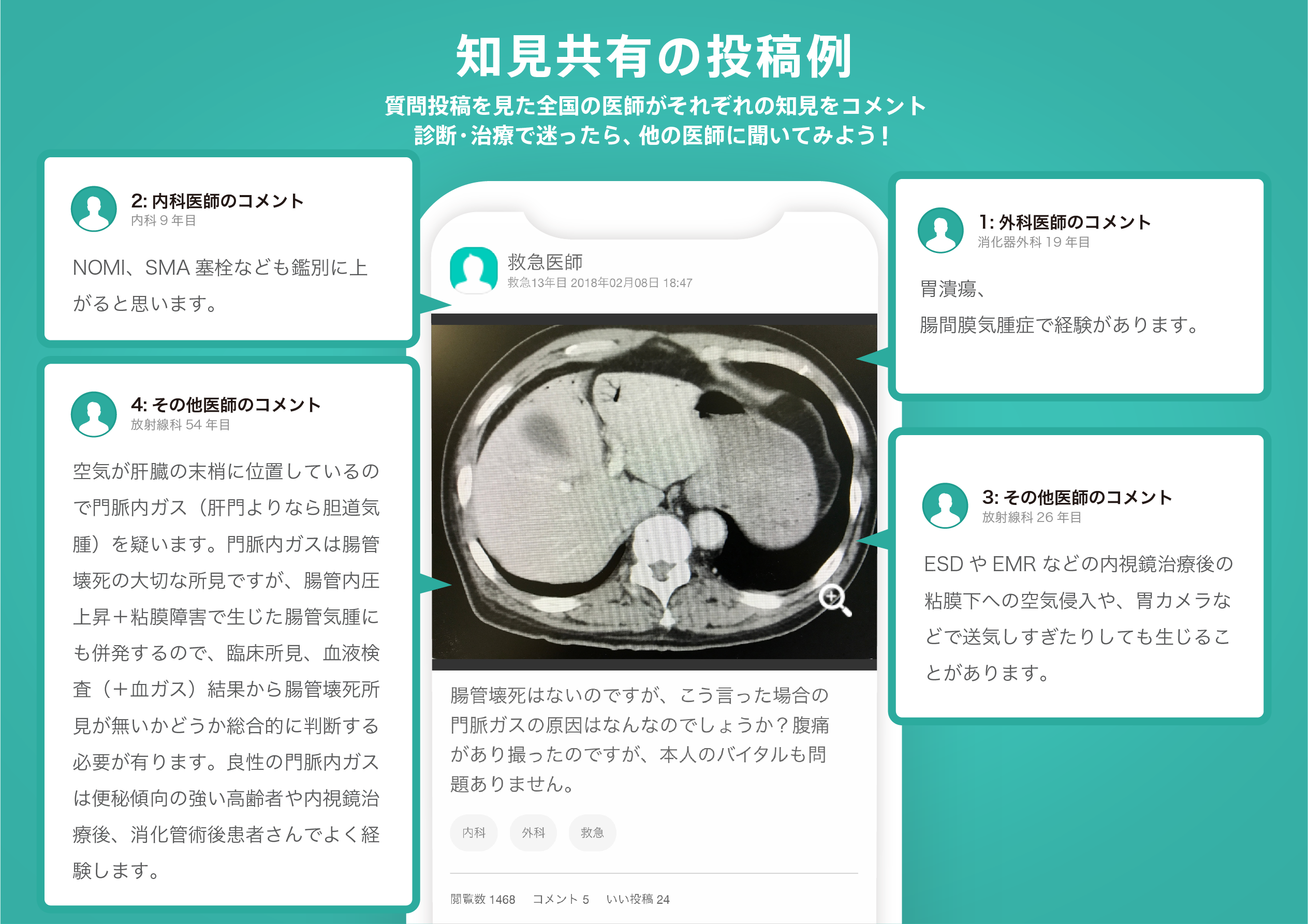
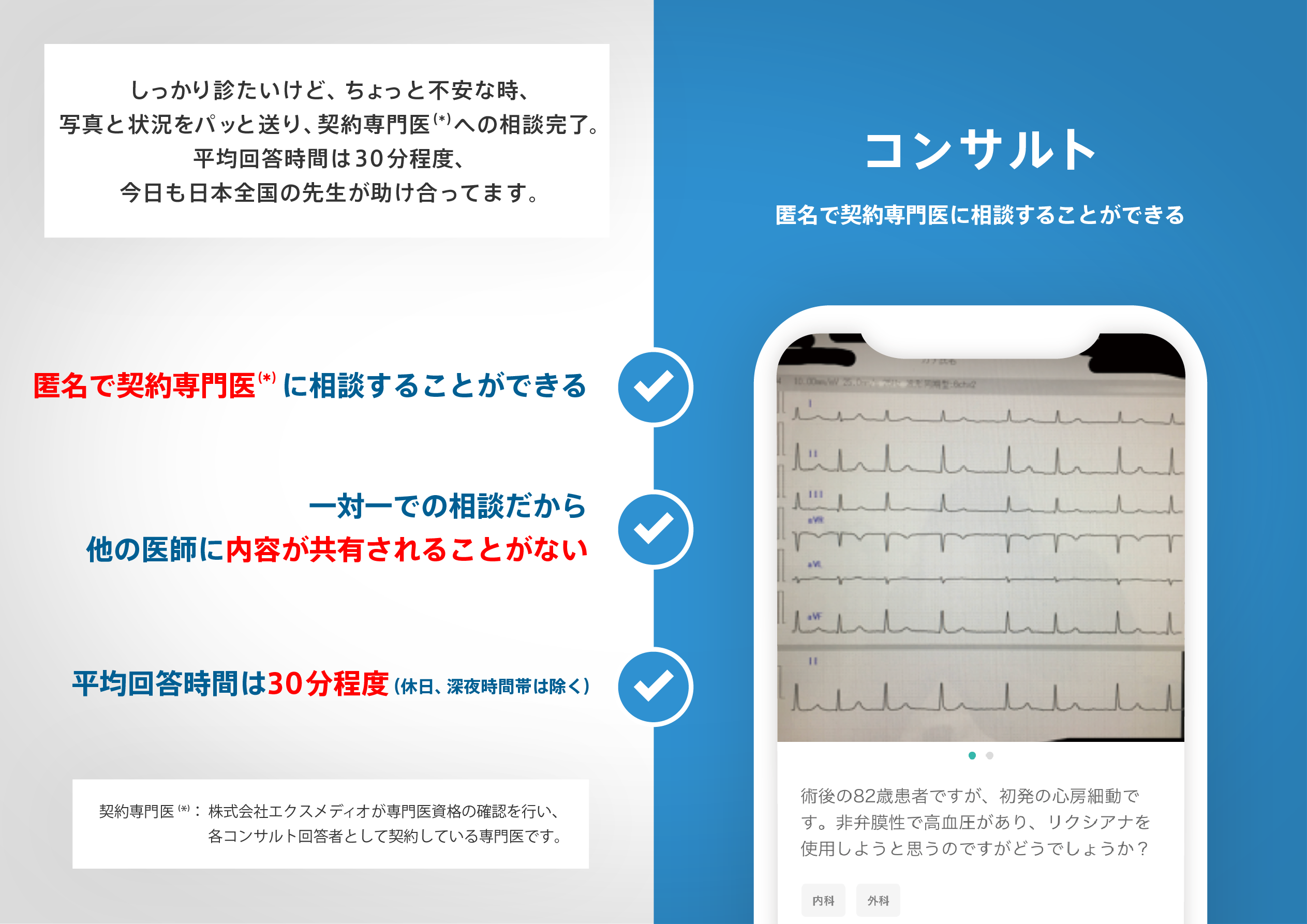
ヒポクラ x マイナビのご紹介

無料会員登録していただくと、さらに便利で効率的な検索が可能になります。