著名医師による解説が無料で読めます
すると翻訳の精度が向上します
自然に発生するビタミンK、フィロキノンとメナキノンには2つの形態があります。フィロキノン(ビタミンK(1))は食事ビタミンKの主要なタイプ(> 90%)ですが、動物組織のその濃度は、メナキノン、特にメナキノン-4(ビタミンK(2))の濃度と比較して非常に低いです。組織のビタミンKの主要な形(> 90%)。この大きな違いにもかかわらず、組織メナキノン-4の起源はまだ排他的に定義されていません。フィロキノンはメナキノン-4に変換され、肝外組織に蓄積されると仮定されています。これを明確にするために、重塩標識2-メチル-1,4-ナフソキノン環を伴うフィロキノンをマウスに経口投与し、d NMRおよび液体クロマトグラフィー型質量分析分析のためにセレブラを収集しました。与えられたフィロキノンから変換された標識されたメナキノン-4を特定しましたが、この変換は経口または経腸投与に続いて発生しましたが、非脳室内投与は発生しませんでした。口腔経路により、標識された2-メチル-1,4-ナフソキノンに加えて、重水素標識側鎖を備えたフィロキノンは、非デステリウム標識側鎖を使用して標識メナキノン-4に明確に変換され、フィロキノネがそれを暗示しています。積分側鎖除去により、メナキノン-4に変換されました。変換は、脳のスライス培養と一次培養でも発生しました。デュテリウム標識のメナディオンは、すべての投与ルートとテストされた培養条件を使用して、標識されたメナキノン-4に一貫して変換されました。我々の結果は、脳のメナキノン-4がフィロキノン摂取に由来し、蓄積の2つの経路があることを示唆しています。1つは腸内のフィロキノンからメナディオンの放出に続いて、メナディオンの組織でメナキノン-4へのプレニル化が続き、別のクレアベージと別のクレアベージ大脳内のプレニル化。
自然に発生するビタミンK、フィロキノンとメナキノンには2つの形態があります。フィロキノン(ビタミンK(1))は食事ビタミンKの主要なタイプ(> 90%)ですが、動物組織のその濃度は、メナキノン、特にメナキノン-4(ビタミンK(2))の濃度と比較して非常に低いです。組織のビタミンKの主要な形(> 90%)。この大きな違いにもかかわらず、組織メナキノン-4の起源はまだ排他的に定義されていません。フィロキノンはメナキノン-4に変換され、肝外組織に蓄積されると仮定されています。これを明確にするために、重塩標識2-メチル-1,4-ナフソキノン環を伴うフィロキノンをマウスに経口投与し、d NMRおよび液体クロマトグラフィー型質量分析分析のためにセレブラを収集しました。与えられたフィロキノンから変換された標識されたメナキノン-4を特定しましたが、この変換は経口または経腸投与に続いて発生しましたが、非脳室内投与は発生しませんでした。口腔経路により、標識された2-メチル-1,4-ナフソキノンに加えて、重水素標識側鎖を備えたフィロキノンは、非デステリウム標識側鎖を使用して標識メナキノン-4に明確に変換され、フィロキノネがそれを暗示しています。積分側鎖除去により、メナキノン-4に変換されました。変換は、脳のスライス培養と一次培養でも発生しました。デュテリウム標識のメナディオンは、すべての投与ルートとテストされた培養条件を使用して、標識されたメナキノン-4に一貫して変換されました。我々の結果は、脳のメナキノン-4がフィロキノン摂取に由来し、蓄積の2つの経路があることを示唆しています。1つは腸内のフィロキノンからメナディオンの放出に続いて、メナディオンの組織でメナキノン-4へのプレニル化が続き、別のクレアベージと別のクレアベージ大脳内のプレニル化。
There are two forms of naturally occurring vitamin K, phylloquinone and the menaquinones. Phylloquinone (vitamin K(1)) is a major type (>90%) of dietary vitamin K, but its concentrations in animal tissues are remarkably low compared with those of the menaquinones, especially menaquinone-4 (vitamin K(2)), the major form (>90%) of vitamin K in tissues. Despite this great difference, the origin of tissue menaquinone-4 has yet to be exclusively defined. It is postulated that phylloquinone is converted into menaquinone-4 and accumulates in extrahepatic tissues. To clarify this, phylloquinone with a deuterium-labeled 2-methyl-1,4-naphthoquinone ring was given orally to mice, and cerebra were collected for D NMR and liquid chromatography-tandem mass spectrometry analyses. We identified the labeled menaquinone-4 that was converted from the given phylloquinone, and this conversion occurred following an oral or enteral administration, but not parenteral or intracerebroventricular administration. By the oral route, the phylloquinone with the deuterium-labeled side chain in addition to the labeled 2-methyl-1,4-naphthoquinone was clearly converted into a labeled menaquinone-4 with a non-deuterium-labeled side chain, implying that phylloquinone was converted into menaquinone-4 via integral side-chain removal. The conversion also occurred in cerebral slice cultures and primary cultures. Deuterium-labeled menadione was consistently converted into the labeled menaquinone-4 with all of the administration routes and the culture conditions tested. Our results suggest that cerebral menaquinone-4 originates from phylloquinone intake and that there are two routes of accumulation, one is the release of menadione from phylloquinone in the intestine followed by the prenylation of menadione into menaquinone-4 in tissues, and another is cleavage and prenylation within the cerebrum.
医師のための臨床サポートサービス
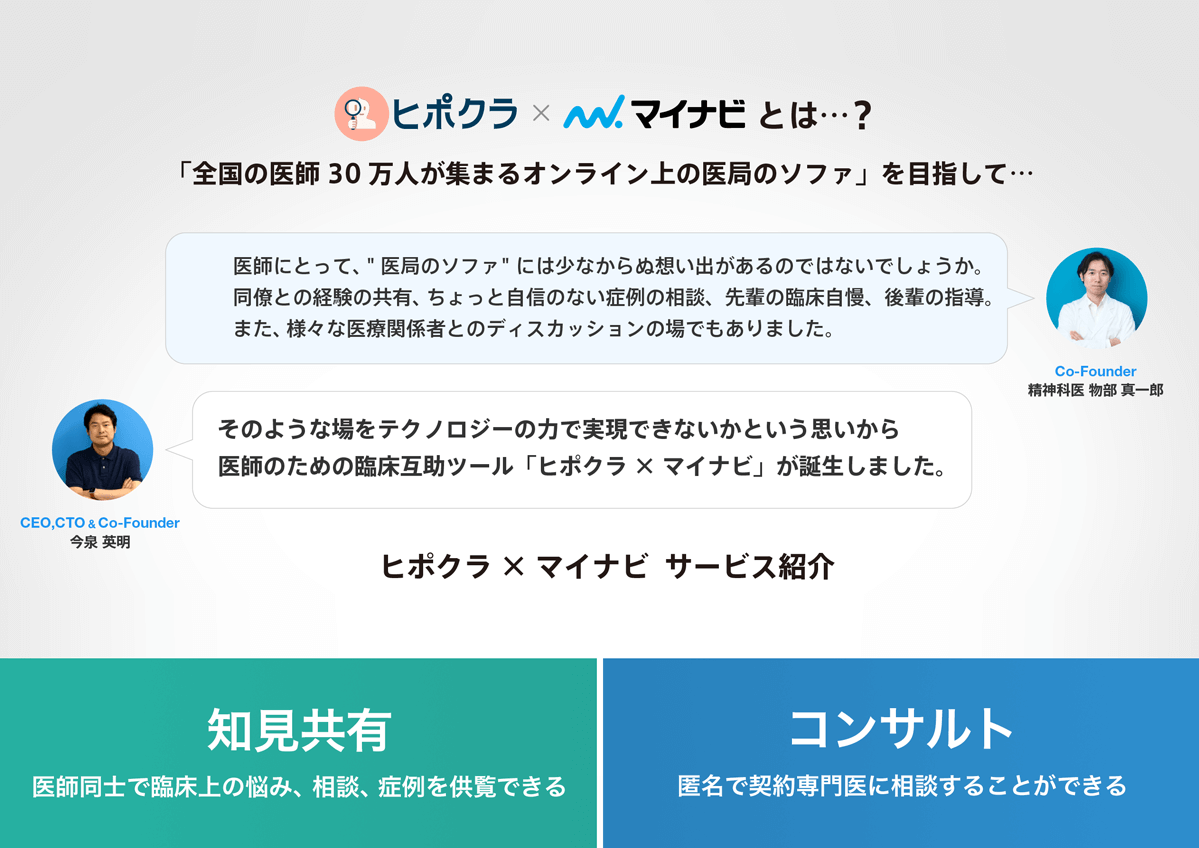
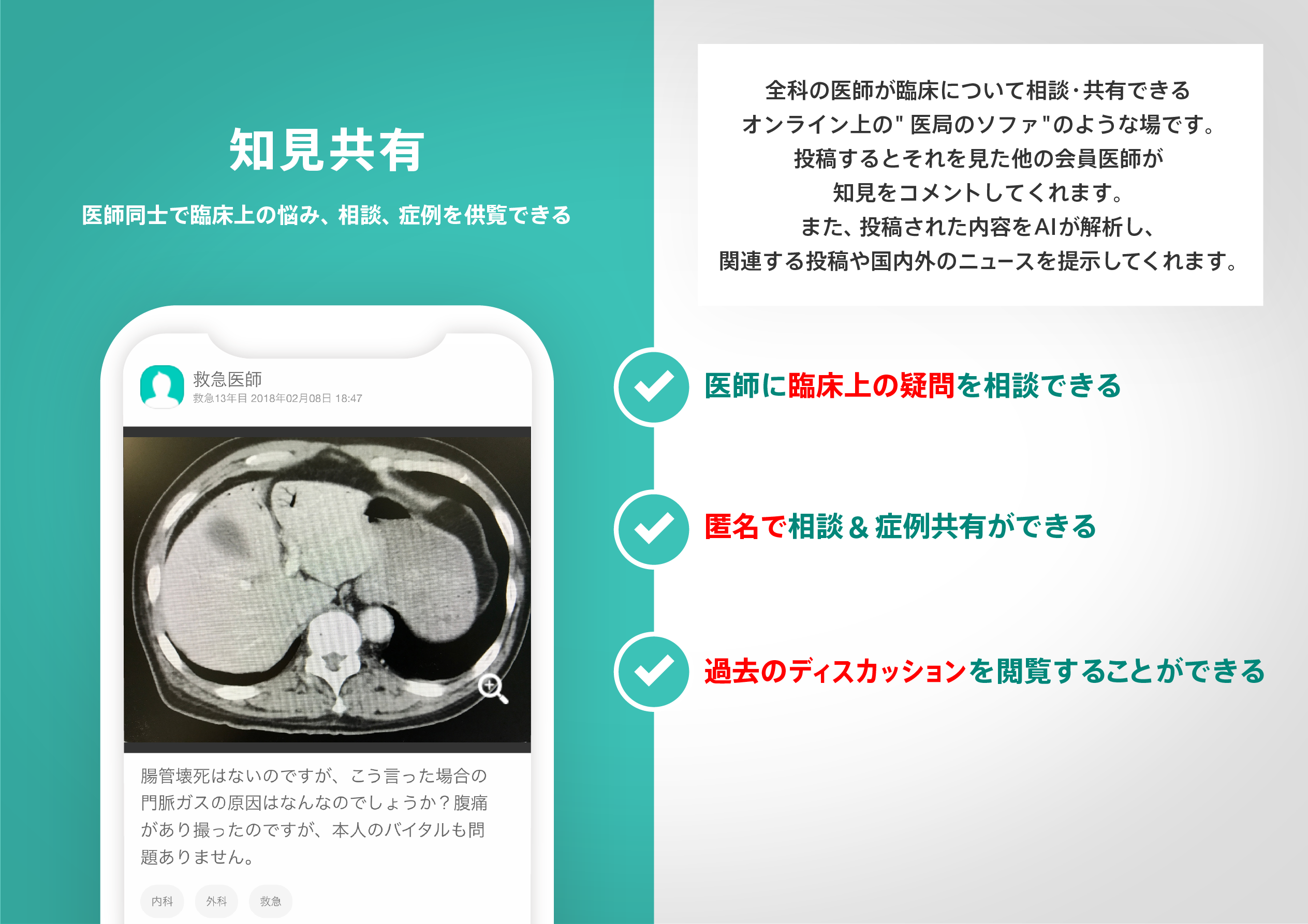
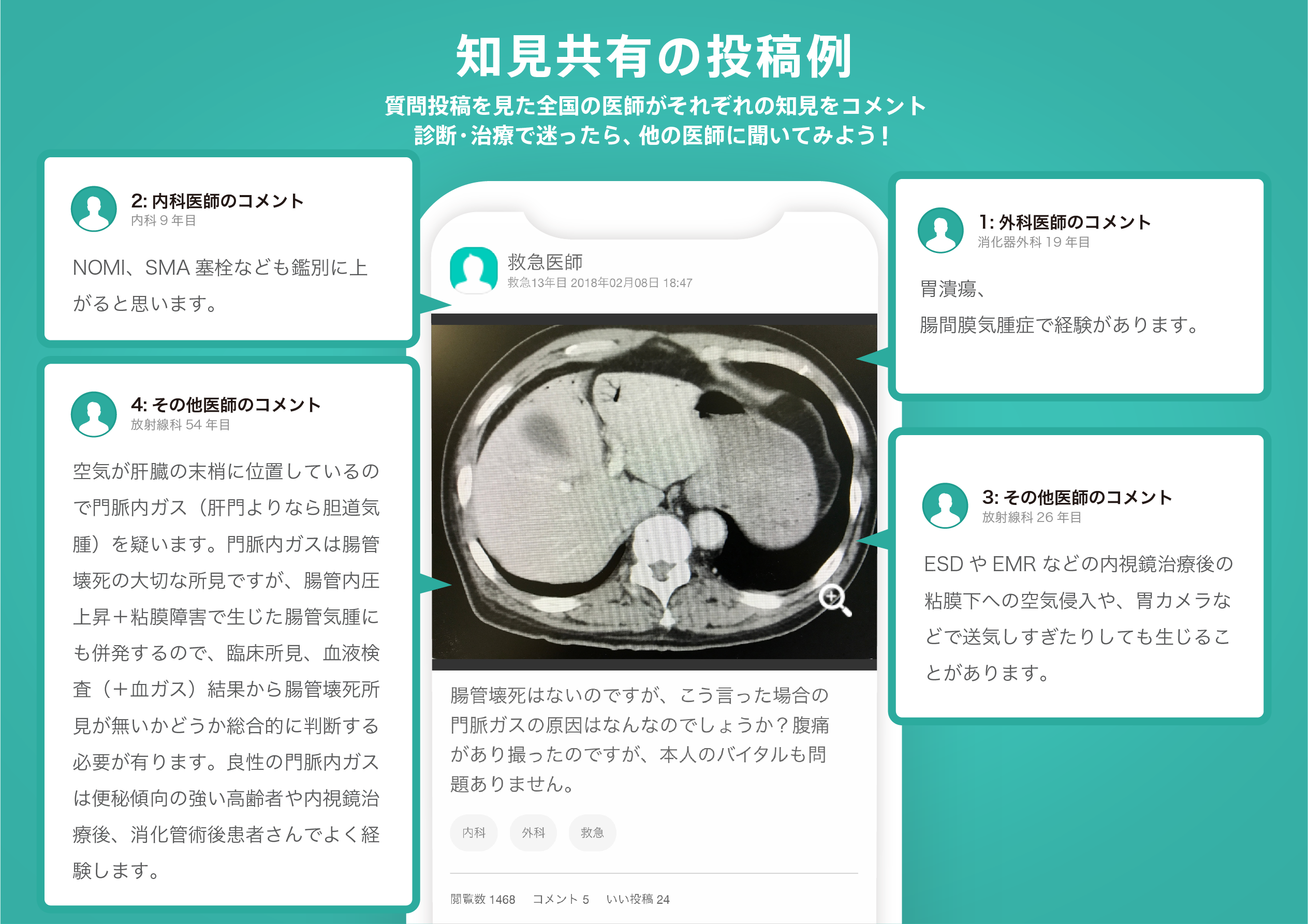
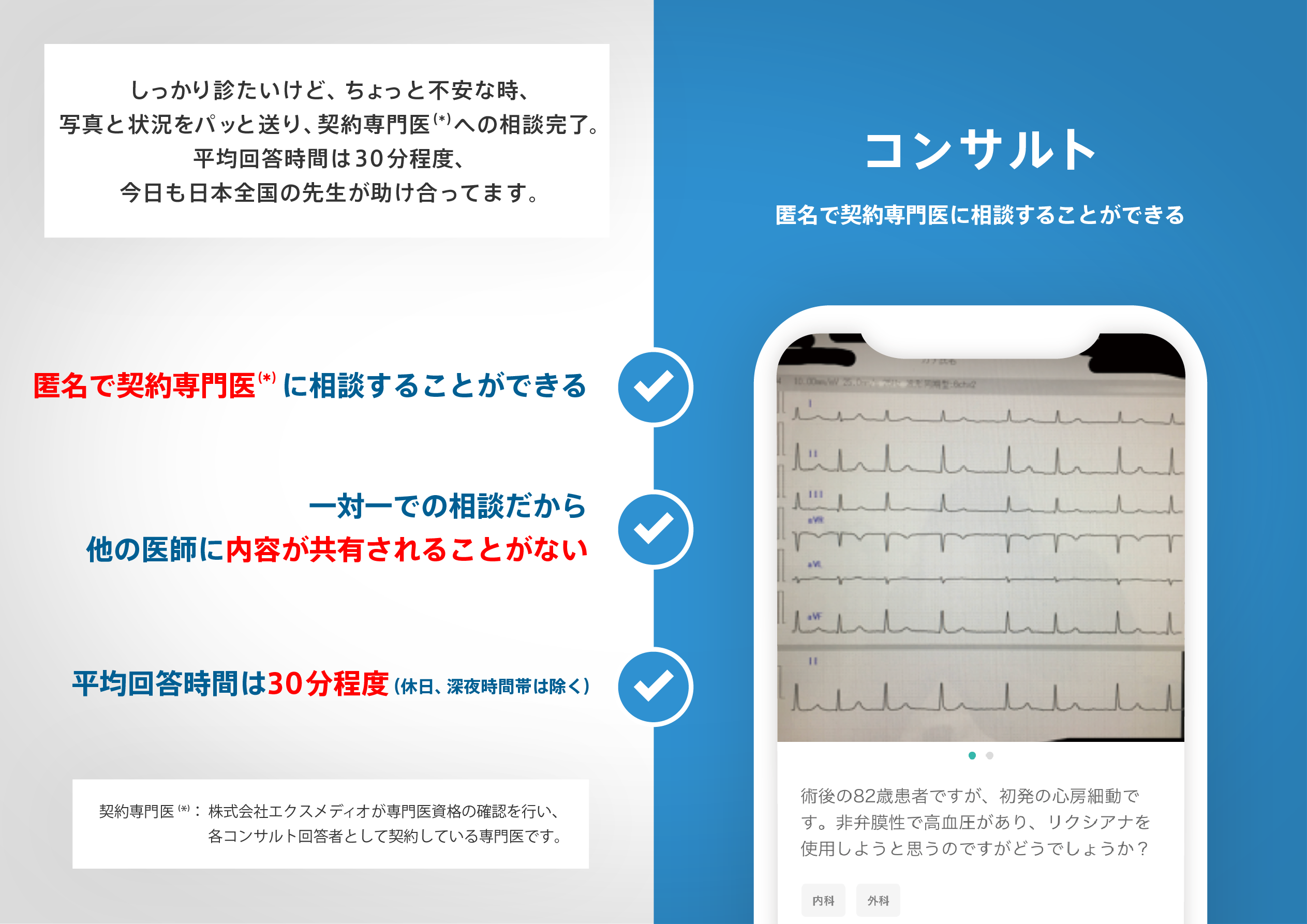
ヒポクラ x マイナビのご紹介

無料会員登録していただくと、さらに便利で効率的な検索が可能になります。