著名医師による解説が無料で読めます
すると翻訳の精度が向上します
コンテキスト:タバコの喫煙は、歯周病の行動上のリスク因子である(その全身効果を介して)、大麻喫煙も同様の方法で貢献する可能性があります。 目的:大麻喫煙が歯周病の危険因子であるかどうかを判断する。 設計と設定:一般集団の前向きコホート研究。18、21、26、32歳で大麻使用を決定し、26歳および32歳で実施された歯科検査。最新のデータ収集(32歳)は2005年6月に完了しました。 参加者:1972年と1973年にニュージーランドのダニーデンで生まれ、定期的に評価された(32歳まで生き残った1015人の参加者の96%のフォローアップ率)。この分析の完全なデータは、903人の参加者(生存している出生コホートの89.0%を含む)から入手できました。 主な結果測定:32歳での歯周病の状態(および26歳から32歳までの変化)は、歯周りの3部位で測定された歯周組合の付着損失(CAL)から決定されました。 結果:3つの大麻曝露グループが決定されました:暴露なし(293人、または32.3%)、ある程度の暴露(428; 47.4%)、および高暴露(182; 20.2%)。32歳で、265人の参加者(29.3%)が4 mm以上のCalを持つ1つ以上のサイトを持ち、111人の参加者(12.3%)が5 mm以上のCalを持つ1つ以上のサイトを持っていました。None、一部、および高い大麻曝露グループでは、26歳から32歳までの偶発的な添付ファイルの損失は、それぞれ6.5%、11.2%、および23.6%でした。タバコの喫煙(パック年で測定)、性別、歯科サービスの不規則な使用、および歯科用プラークを制御した後、最高の大麻曝露グループの相対リスク推定値は次のとおりでした:1.6(95%信頼区間[CI]、1.2-2.2)4 mm以上のCalを持つ1つ以上のサイトを持つため。3.1(95%CI、1.5-6.4)は、5 mm以上のCalを持つ1つ以上のサイトを持つため。2.2(95%CI、1.2-3.9)は、添付ファイルの損失を発生させたためです(大麻を吸ったことがない人と比較して)。タバコの喫煙は歯周病の経験と強く関連していましたが、大麻の使用とタバコの喫煙との間には、状態の発生を予測する際に相互作用はありませんでした。 結論:大麻喫煙は、タバコの使用とは無関係の歯周病の危険因子である可能性があります。
コンテキスト:タバコの喫煙は、歯周病の行動上のリスク因子である(その全身効果を介して)、大麻喫煙も同様の方法で貢献する可能性があります。 目的:大麻喫煙が歯周病の危険因子であるかどうかを判断する。 設計と設定:一般集団の前向きコホート研究。18、21、26、32歳で大麻使用を決定し、26歳および32歳で実施された歯科検査。最新のデータ収集(32歳)は2005年6月に完了しました。 参加者:1972年と1973年にニュージーランドのダニーデンで生まれ、定期的に評価された(32歳まで生き残った1015人の参加者の96%のフォローアップ率)。この分析の完全なデータは、903人の参加者(生存している出生コホートの89.0%を含む)から入手できました。 主な結果測定:32歳での歯周病の状態(および26歳から32歳までの変化)は、歯周りの3部位で測定された歯周組合の付着損失(CAL)から決定されました。 結果:3つの大麻曝露グループが決定されました:暴露なし(293人、または32.3%)、ある程度の暴露(428; 47.4%)、および高暴露(182; 20.2%)。32歳で、265人の参加者(29.3%)が4 mm以上のCalを持つ1つ以上のサイトを持ち、111人の参加者(12.3%)が5 mm以上のCalを持つ1つ以上のサイトを持っていました。None、一部、および高い大麻曝露グループでは、26歳から32歳までの偶発的な添付ファイルの損失は、それぞれ6.5%、11.2%、および23.6%でした。タバコの喫煙(パック年で測定)、性別、歯科サービスの不規則な使用、および歯科用プラークを制御した後、最高の大麻曝露グループの相対リスク推定値は次のとおりでした:1.6(95%信頼区間[CI]、1.2-2.2)4 mm以上のCalを持つ1つ以上のサイトを持つため。3.1(95%CI、1.5-6.4)は、5 mm以上のCalを持つ1つ以上のサイトを持つため。2.2(95%CI、1.2-3.9)は、添付ファイルの損失を発生させたためです(大麻を吸ったことがない人と比較して)。タバコの喫煙は歯周病の経験と強く関連していましたが、大麻の使用とタバコの喫煙との間には、状態の発生を予測する際に相互作用はありませんでした。 結論:大麻喫煙は、タバコの使用とは無関係の歯周病の危険因子である可能性があります。
CONTEXT: Tobacco smoking is a recognized behavioral risk factor for periodontal disease (through its systemic effects), and cannabis smoking may contribute in a similar way. OBJECTIVE: To determine whether cannabis smoking is a risk factor for periodontal disease. DESIGN AND SETTING: Prospective cohort study of the general population, with cannabis use determined at ages 18, 21, 26, and 32 years and dental examinations conducted at ages 26 and 32 years. The most recent data collection (at age 32 years) was completed in June 2005. PARTICIPANTS: A complete birth cohort born in 1972 and 1973 in Dunedin, New Zealand, and assessed periodically (with a 96% follow-up rate of the 1015 participants who survived to age 32 years). Complete data for this analysis were available from 903 participants (comprising 89.0% of the surviving birth cohort). MAIN OUTCOME MEASURE: Periodontal disease status at age 32 years (and changes from ages 26 to 32 years) determined from periodontal combined attachment loss (CAL) measured at 3 sites per tooth. RESULTS: Three cannabis exposure groups were determined: no exposure (293 individuals, or 32.3%), some exposure (428; 47.4%), and high exposure (182; 20.2%). At age 32 years, 265 participants (29.3%) had 1 or more sites with 4 mm or greater CAL, and 111 participants (12.3%) had 1 or more sites with 5 mm or greater CAL. Incident attachment loss between the ages of 26 and 32 years in the none, some, and high cannabis exposure groups was 6.5%, 11.2%, and 23.6%, respectively. After controlling for tobacco smoking (measured in pack-years), sex, irregular use of dental services, and dental plaque, the relative risk estimates for the highest cannabis exposure group were as follows: 1.6 (95% confidence interval [CI], 1.2-2.2) for having 1 or more sites with 4 mm or greater CAL; 3.1 (95% CI, 1.5-6.4) for having 1 or more sites with 5 mm or greater CAL; and 2.2 (95% CI, 1.2-3.9) for having incident attachment loss (in comparison with those who had never smoked cannabis). Tobacco smoking was strongly associated with periodontal disease experience, but there was no interaction between cannabis use and tobacco smoking in predicting the condition's occurrence. CONCLUSION: Cannabis smoking may be a risk factor for periodontal disease that is independent of the use of tobacco.
医師のための臨床サポートサービス
ヒポクラ x マイナビのご紹介


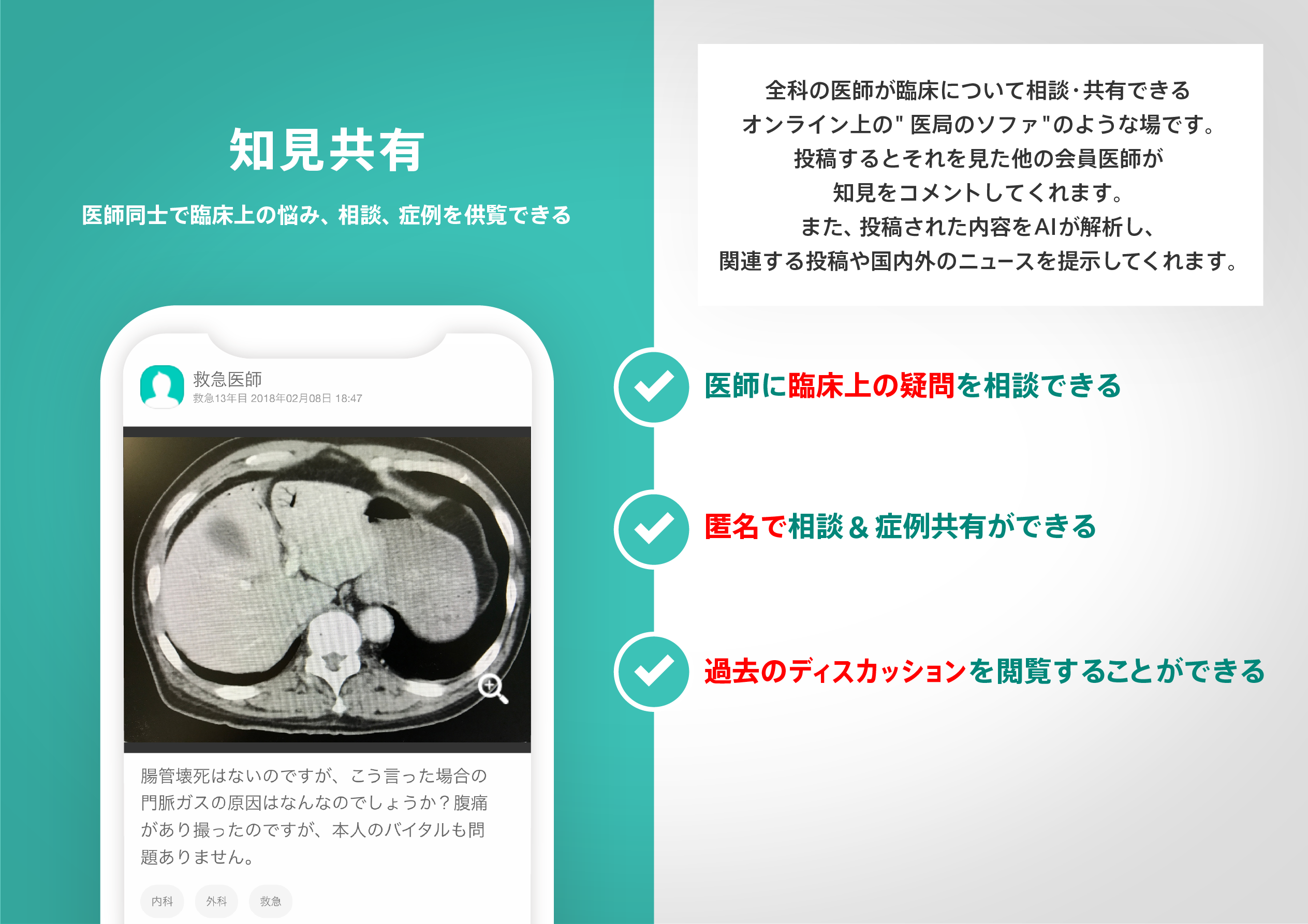
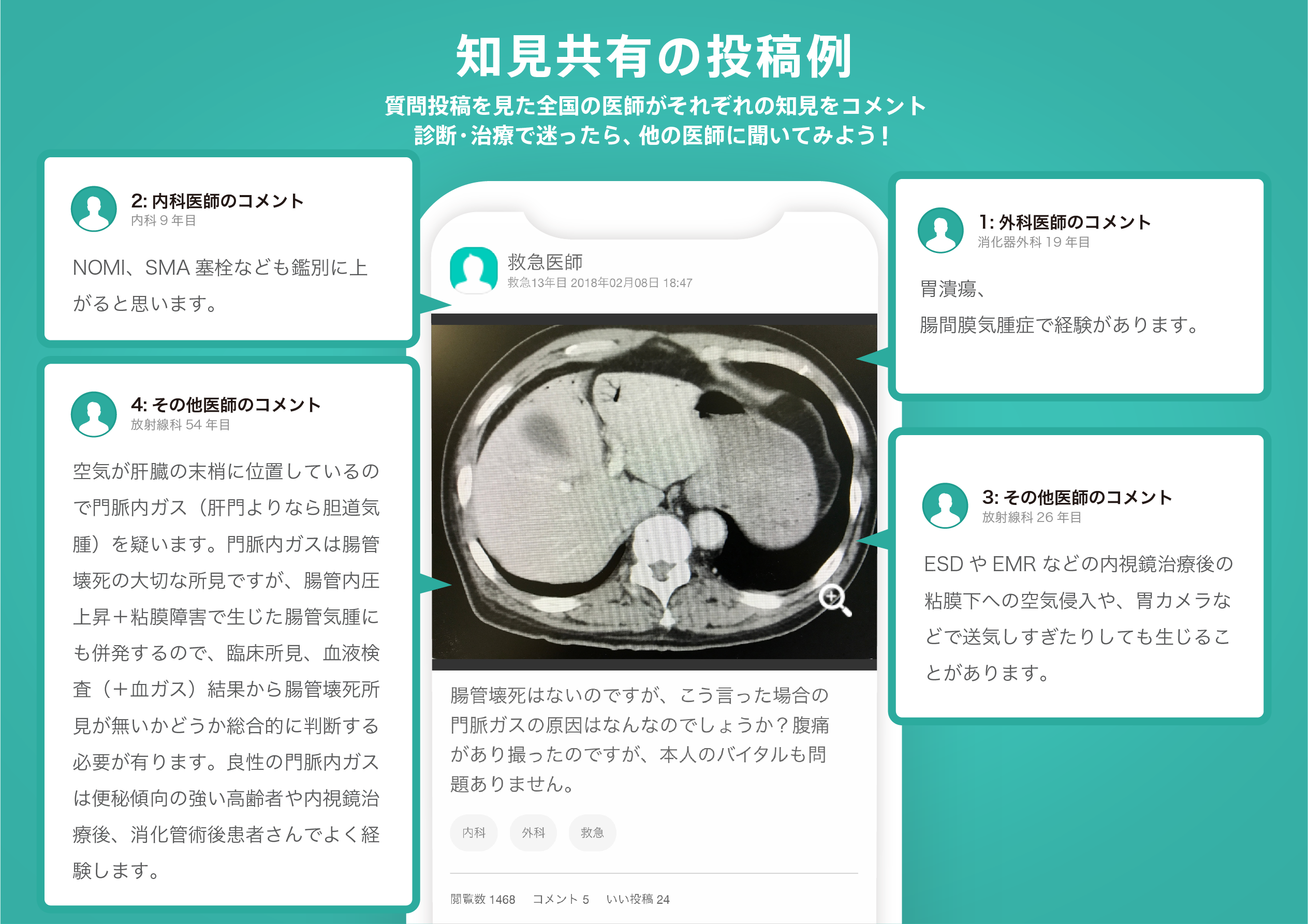

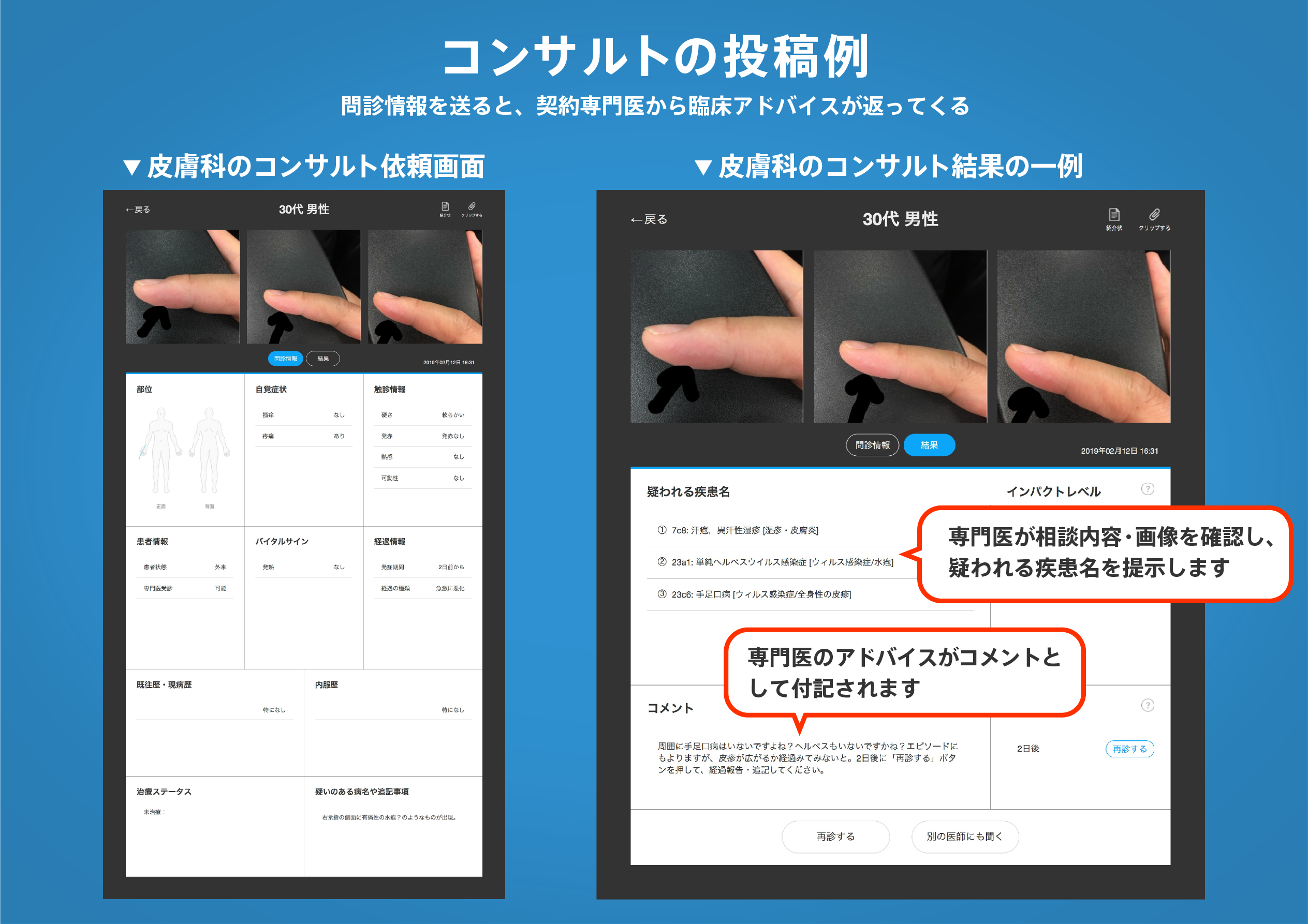

無料会員登録していただくと、さらに便利で効率的な検索が可能になります。