著名医師による解説が無料で読めます
すると翻訳の精度が向上します
形質細胞様樹状細胞(PDC)は、ウイルスへの曝露時に大量のIFN-αを分泌し、その後、自然および適応免疫応答を促進および調節します。しかし、二次リンパ器官に機能を発揮した後、ウイルス活性化PDCの機能的調節についてはほとんど知られていない。我々の以前の研究は、脾臓間質微小環境が調節骨髄性樹状細胞の生成を誘導することによりT細胞応答をダウンレギュレートできることを示しています。したがって、脾臓間質微小環境がウイルス活性化PDCの機能を調節できるかどうか疑問に思いました。この研究では、脾臓間質性微小環境が、性質誘導性腫瘍性口内炎ウイルス(VSV)活性化PDCを、間質細胞由来因子1(SDF-1)を介して化学誘導性PDCを可能にし、IFN-α、IL-2、TNF-の分泌を阻害します。Alpha、およびVSV活性化PDCによるI-AB、CD86、CD80、およびCD40の発現、およびその後VSV感染PDCを阻害してNK細胞IFN-GAMMA産生および細胞毒性を活性化します。Sproma由来のTGF-BETAは、VSV活性化PDCの負の調節に参加します。したがって、脾臓間質微小環境がTGFベータを介してウイルス活性化PDCを負に調節し、免疫恒常性の維持に関する追加の機械的説明を概説することを実証します。
形質細胞様樹状細胞(PDC)は、ウイルスへの曝露時に大量のIFN-αを分泌し、その後、自然および適応免疫応答を促進および調節します。しかし、二次リンパ器官に機能を発揮した後、ウイルス活性化PDCの機能的調節についてはほとんど知られていない。我々の以前の研究は、脾臓間質微小環境が調節骨髄性樹状細胞の生成を誘導することによりT細胞応答をダウンレギュレートできることを示しています。したがって、脾臓間質微小環境がウイルス活性化PDCの機能を調節できるかどうか疑問に思いました。この研究では、脾臓間質性微小環境が、性質誘導性腫瘍性口内炎ウイルス(VSV)活性化PDCを、間質細胞由来因子1(SDF-1)を介して化学誘導性PDCを可能にし、IFN-α、IL-2、TNF-の分泌を阻害します。Alpha、およびVSV活性化PDCによるI-AB、CD86、CD80、およびCD40の発現、およびその後VSV感染PDCを阻害してNK細胞IFN-GAMMA産生および細胞毒性を活性化します。Sproma由来のTGF-BETAは、VSV活性化PDCの負の調節に参加します。したがって、脾臓間質微小環境がTGFベータを介してウイルス活性化PDCを負に調節し、免疫恒常性の維持に関する追加の機械的説明を概説することを実証します。
Plasmacytoid dendritic cells (pDCs) secrete large amounts of IFN-alpha upon exposure to virus, subsequently promoting and regulating innate and adaptive immune responses. However, little is known about the functional regulation of virus-activated pDCs after they exert functions in secondary lymph organs. Our previous studies show that splenic stromal microenvironment can down-regulate the T cell response by inducing generation of regulatory myeloid dendritic cells; therefore, we wondered whether the splenic stromal microenvironment can regulate the function of virus-activated pDCs. In this study, we provide evidences that the splenic stromal microenvironment can chemoattract vesicular stomatitis virus (VSV)-activated pDCs via stromal cell-derived factor 1 (SDF-1), inhibit the secretion of IFN-alpha, IL-12, TNF-alpha, and expression of I-Ab, CD86, CD80, and CD40 by VSV-activated pDCs, and subsequently inhibit VSV-infected pDCs to activate NK cell IFN-gamma production and cytotoxicity. Stroma-derived TGF-beta participates in the negative regulation of VSV-activated pDCs. Therefore, we demonstrate that splenic stromal microenvironment negatively regulates the virus-activated pDCs through TGF-beta, outlining an additional mechanistic explanation for maintenance of immune homeostasis.
医師のための臨床サポートサービス
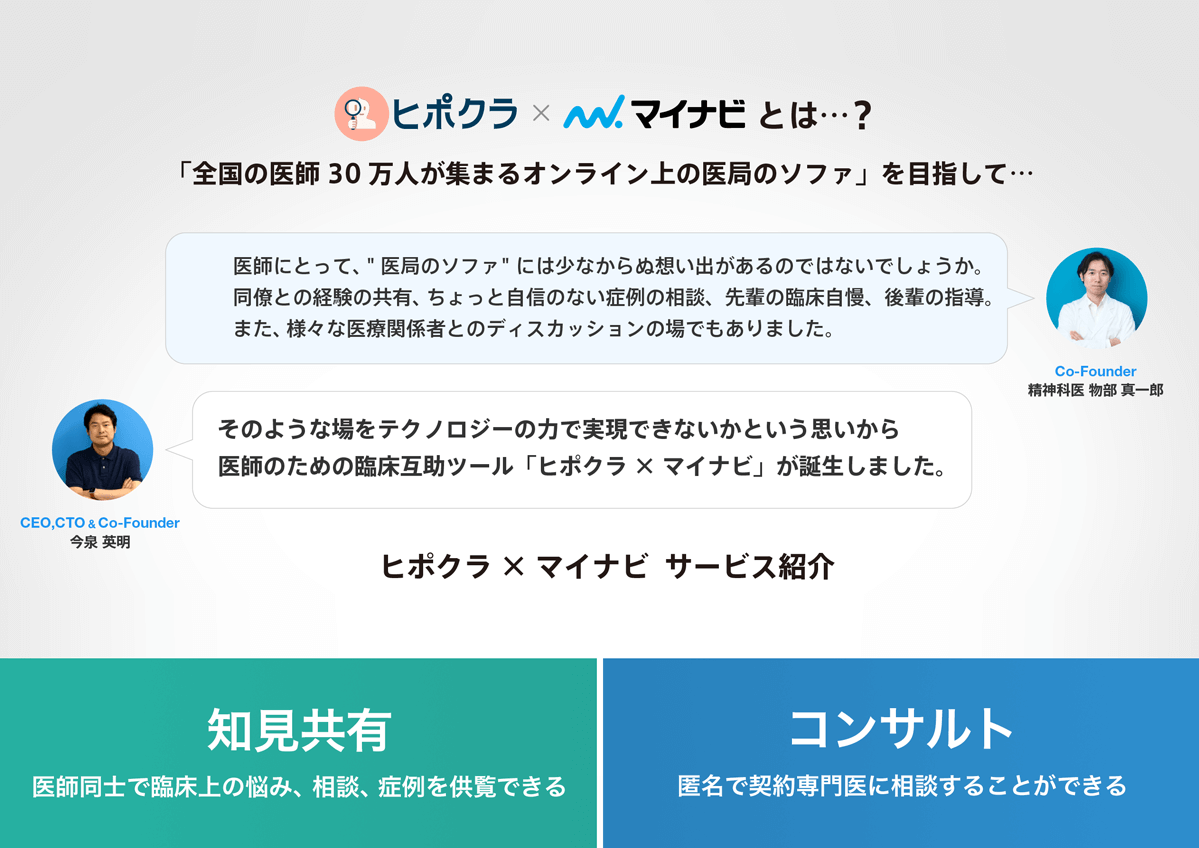
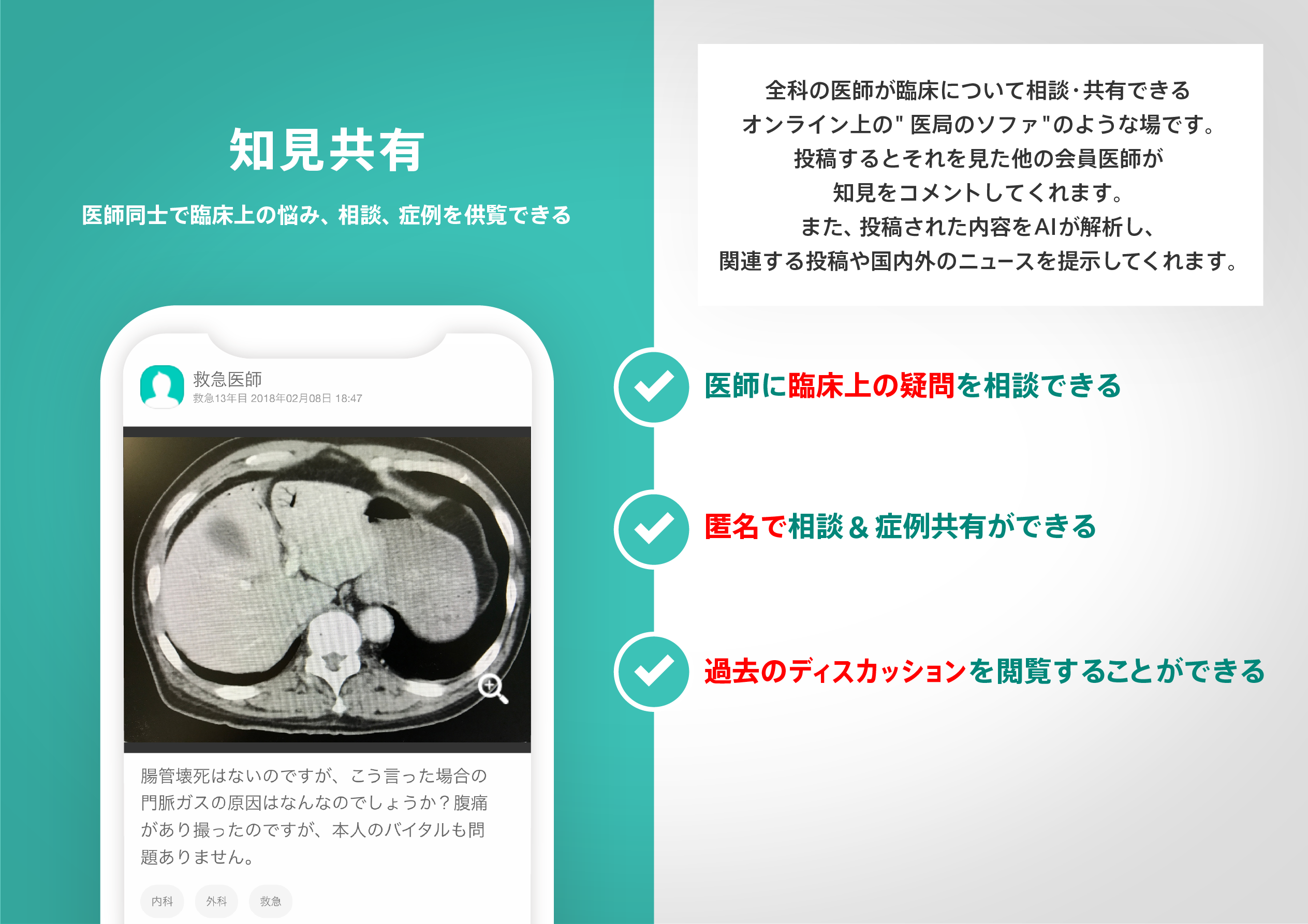
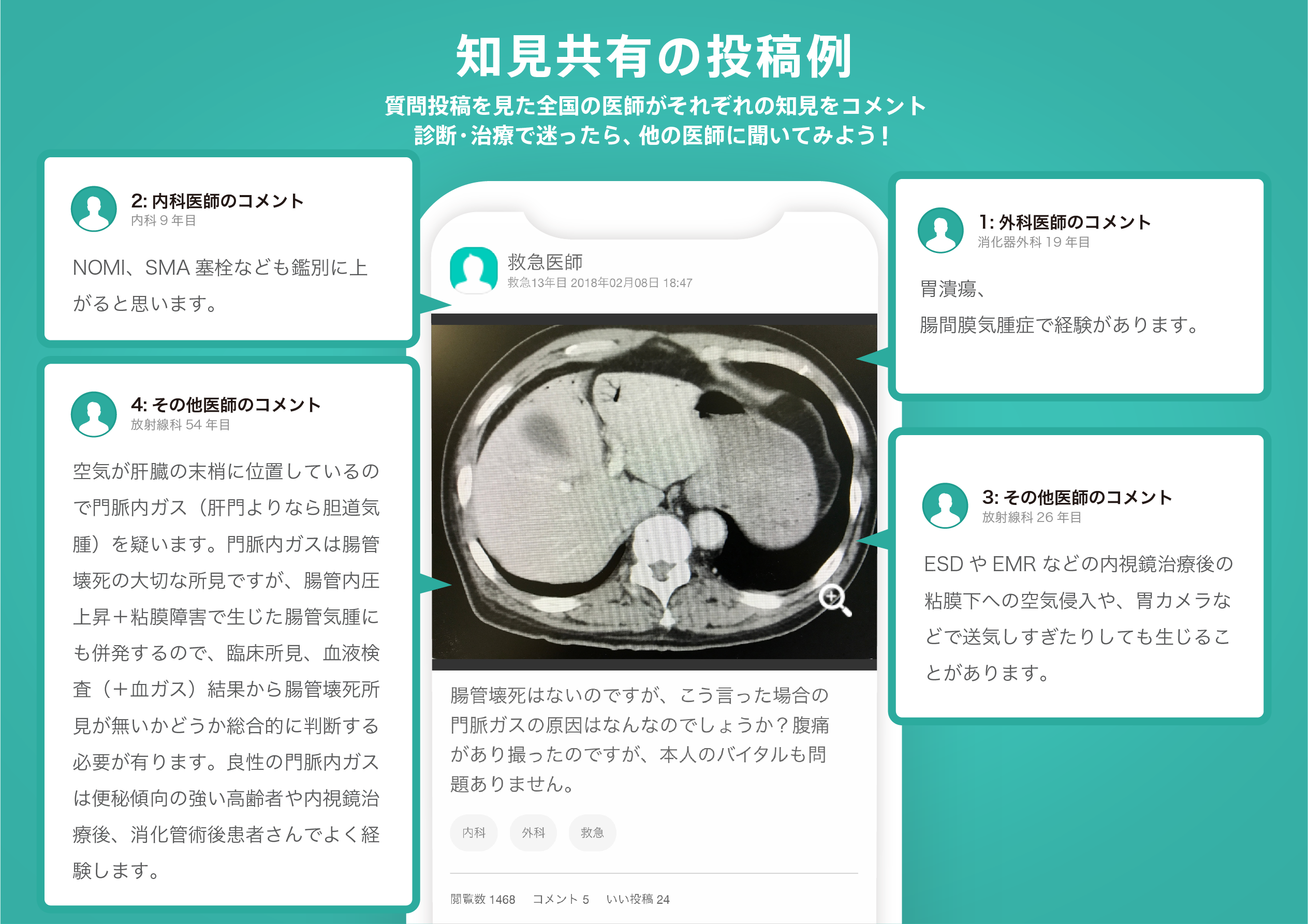
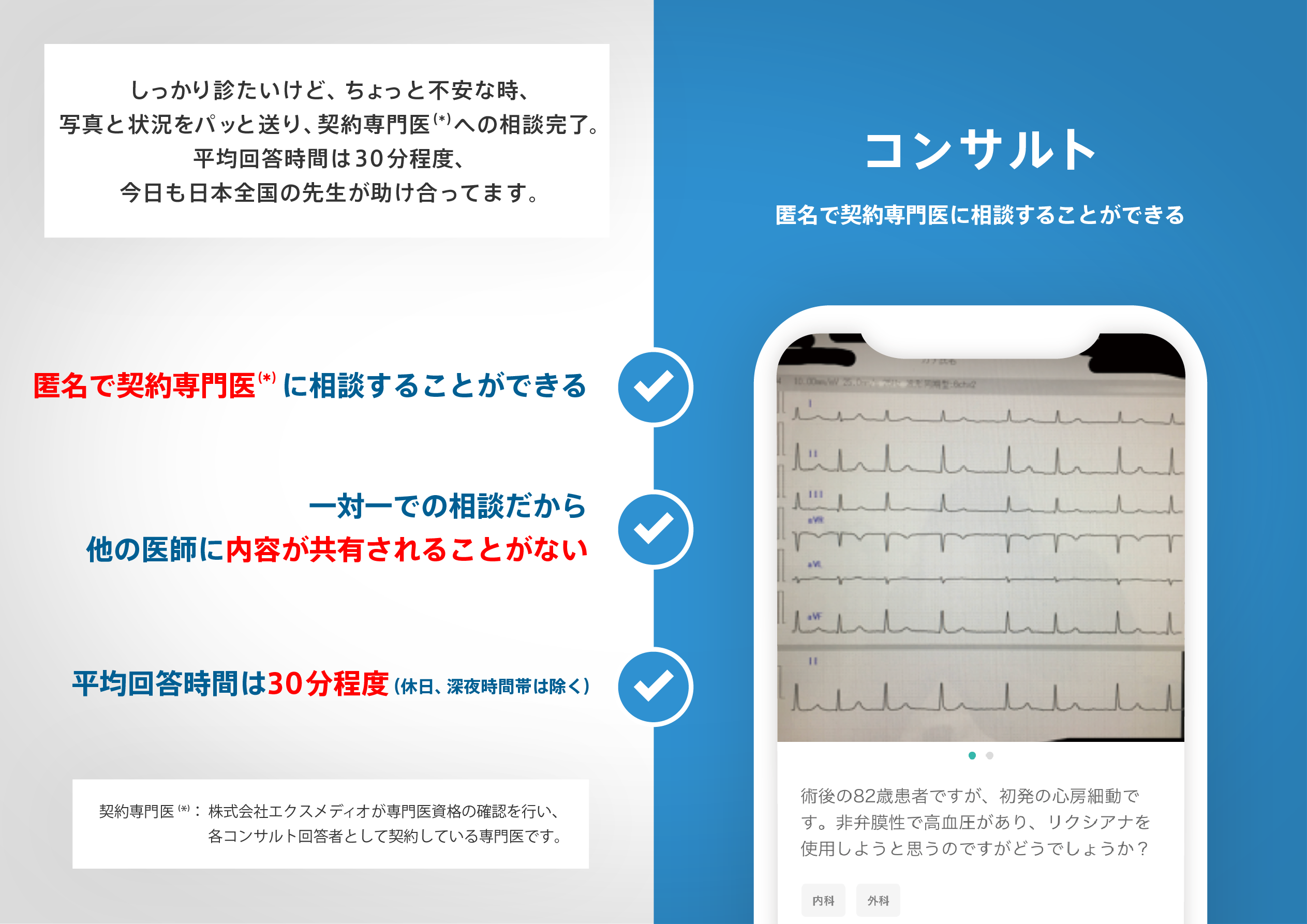
ヒポクラ x マイナビのご紹介

無料会員登録していただくと、さらに便利で効率的な検索が可能になります。