著名医師による解説が無料で読めます
すると翻訳の精度が向上します
NH および O-H ドナーからチオ尿素誘導体、チオアミド、チオンの S アクセプターへの水素結合の発生、形状、エネルギーが、それらの O 類似体である尿素、アミド、ケトンのデータと比較されます。Cambridge Structural Database から得られた幾何学的データは、C[二重結合]S アクセプターへの水素結合が、対応する C[二重結合]O への水素結合よりもはるかに弱いことを示しています。O へのファンデルワールス正規化水素結合は、S への水素結合よりも約 0.25 Å短いです。さらに、C[二重結合]S...H 角度によって定義される、S に対する水素結合のアプローチの方向性は、102 ~ 109 の範囲にあります。これは、127 ~ 140 度の範囲にある類似の C[二重結合]O...H 角度よりもはるかに小さいです。分子間摂動理論を用いた非経験的計算は、実験結果とよく一致していることを示した。水素結合の方向性の違いは厳密に再現されており、S への水素結合の相互作用エネルギーは、3 つの化合物クラスのそれぞれで、O への水素結合よりも一貫して約 12 kJ mol(-1) 弱い。脂肪族チオン (Csp(3))(2)C=S への水素結合の CSD 例はなく、これは C と S の電気陰性度がほぼ等しいことと一致しています。チオ尿素とチオアミドは、Csp(3) 原子を電子豊富な N 置換基で置き換えています。C[二重結合]S と N 孤立電子対が関与する電子の非局在化は、顕著な >C(δ+)[二重結合]S(δ-) 双極子を誘導し、これによりチオ尿素やチオアミドで観察される中強度の C[二重結合]S...H 結合の形成が可能になります。
NH および O-H ドナーからチオ尿素誘導体、チオアミド、チオンの S アクセプターへの水素結合の発生、形状、エネルギーが、それらの O 類似体である尿素、アミド、ケトンのデータと比較されます。Cambridge Structural Database から得られた幾何学的データは、C[二重結合]S アクセプターへの水素結合が、対応する C[二重結合]O への水素結合よりもはるかに弱いことを示しています。O へのファンデルワールス正規化水素結合は、S への水素結合よりも約 0.25 Å短いです。さらに、C[二重結合]S...H 角度によって定義される、S に対する水素結合のアプローチの方向性は、102 ~ 109 の範囲にあります。これは、127 ~ 140 度の範囲にある類似の C[二重結合]O...H 角度よりもはるかに小さいです。分子間摂動理論を用いた非経験的計算は、実験結果とよく一致していることを示した。水素結合の方向性の違いは厳密に再現されており、S への水素結合の相互作用エネルギーは、3 つの化合物クラスのそれぞれで、O への水素結合よりも一貫して約 12 kJ mol(-1) 弱い。脂肪族チオン (Csp(3))(2)C=S への水素結合の CSD 例はなく、これは C と S の電気陰性度がほぼ等しいことと一致しています。チオ尿素とチオアミドは、Csp(3) 原子を電子豊富な N 置換基で置き換えています。C[二重結合]S と N 孤立電子対が関与する電子の非局在化は、顕著な >C(δ+)[二重結合]S(δ-) 双極子を誘導し、これによりチオ尿素やチオアミドで観察される中強度の C[二重結合]S...H 結合の形成が可能になります。
The occurrence, geometries and energies of hydrogen bonds from N-H and O-H donors to the S acceptors of thiourea derivatives, thioamides and thiones are compared with data for their O analogues - ureas, amides and ketones. Geometrical data derived from the Cambridge Structural Database indicate that hydrogen bonds to the C[double bond]S acceptors are much weaker than those to their C[double bond]O counterparts: van der Waals normalized hydrogen bonds to O are shorter than those to S by approximately 0.25 A. Further, the directionality of the approach of the hydrogen bond with respect to S, defined by the C[double bond]S...H angle, is in the range 102-109 degrees , much lower than the analogous C[double bond]O...H angle which lies in the range 127-140 degrees . Ab initio calculations using intermolecular perturbation theory show good agreement with the experimental results: the differences in hydrogen-bond directionality are closely reproduced, and the interaction energies of hydrogen bonds to S are consistently weaker than those to O, by approximately 12 kJ mol(-1), for each of the three compound classes. There are no CSD examples of hydrogen bonds to aliphatic thiones, (Csp(3))(2)C=S, consistent with the near-equality of the electronegativities of C and S. Thioureas and thioamides have electron-rich N substituents replacing the Csp(3) atoms. Electron delocalization involving C[double bond]S and the N lone pairs then induces a significant >C(delta+)[double bond]S(delta-) dipole, which enables the formation of the medium-strength C[double bond]S...H bonds observed in thioureas and thioamides.
医師のための臨床サポートサービス
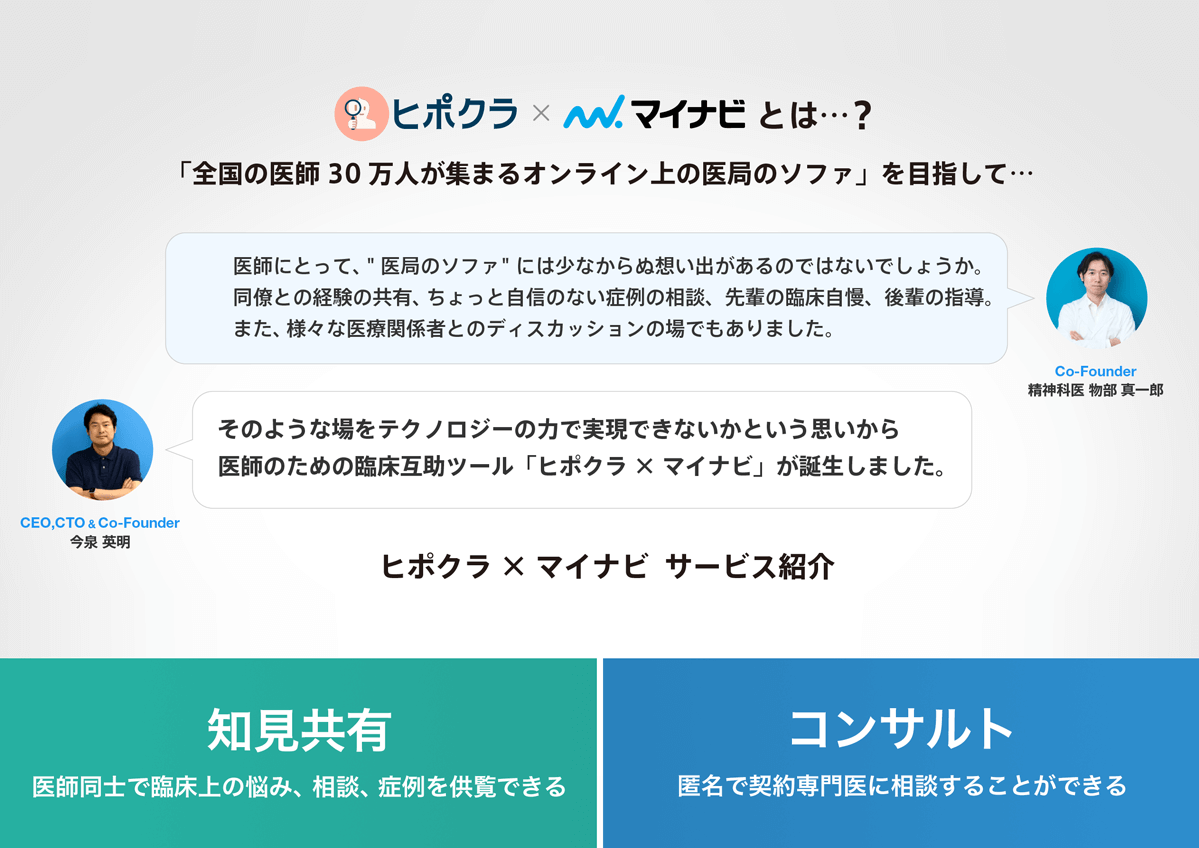
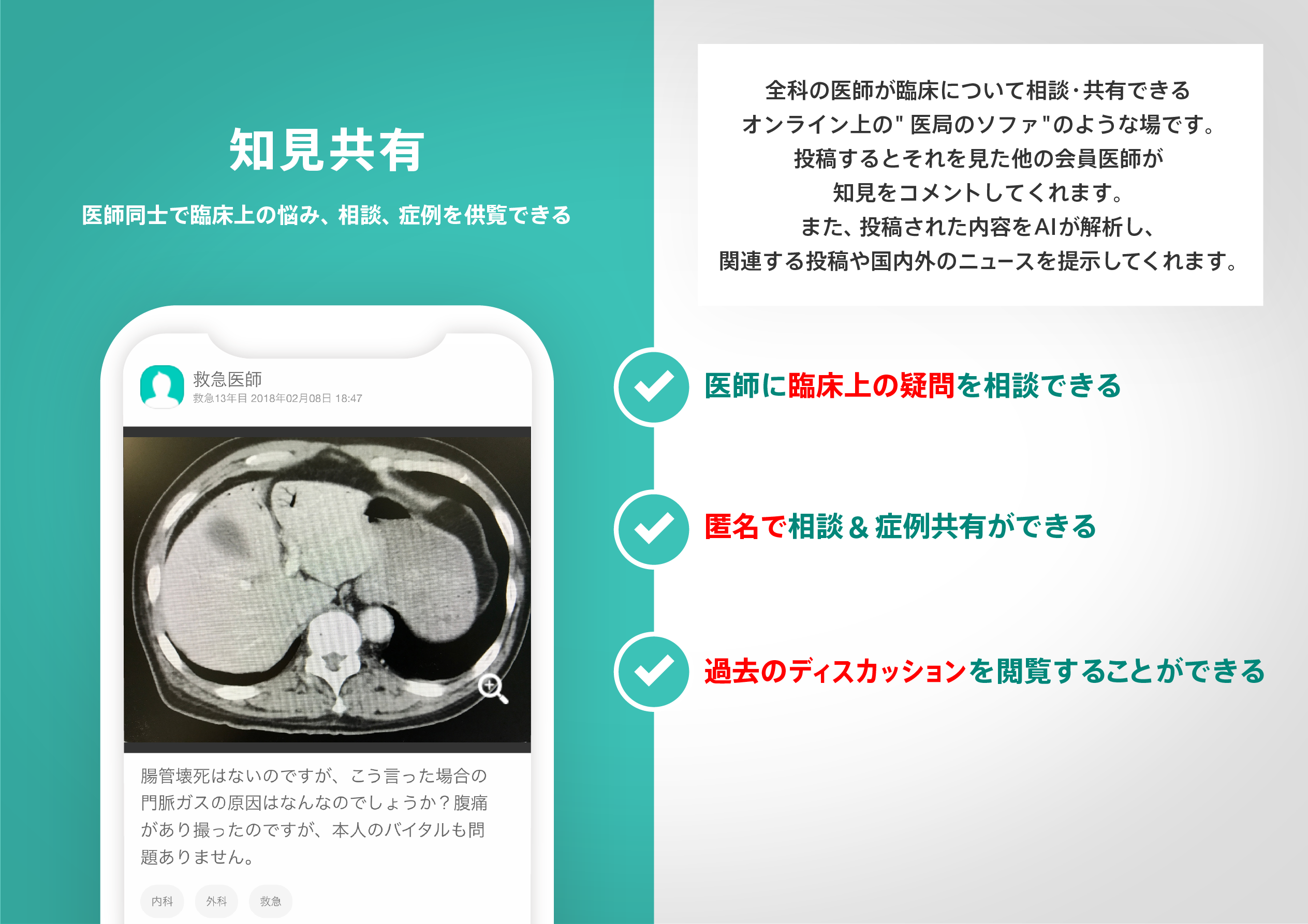
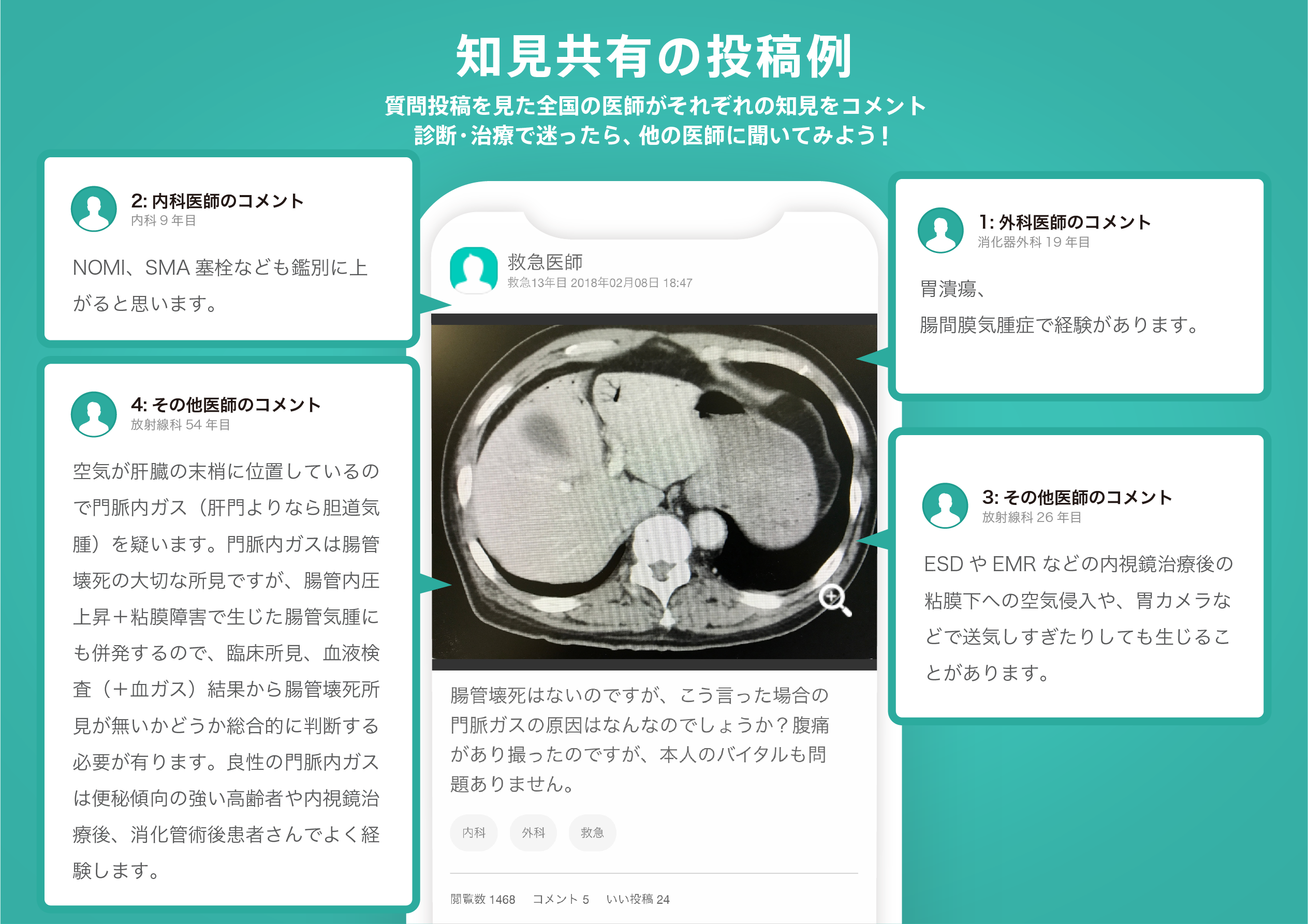
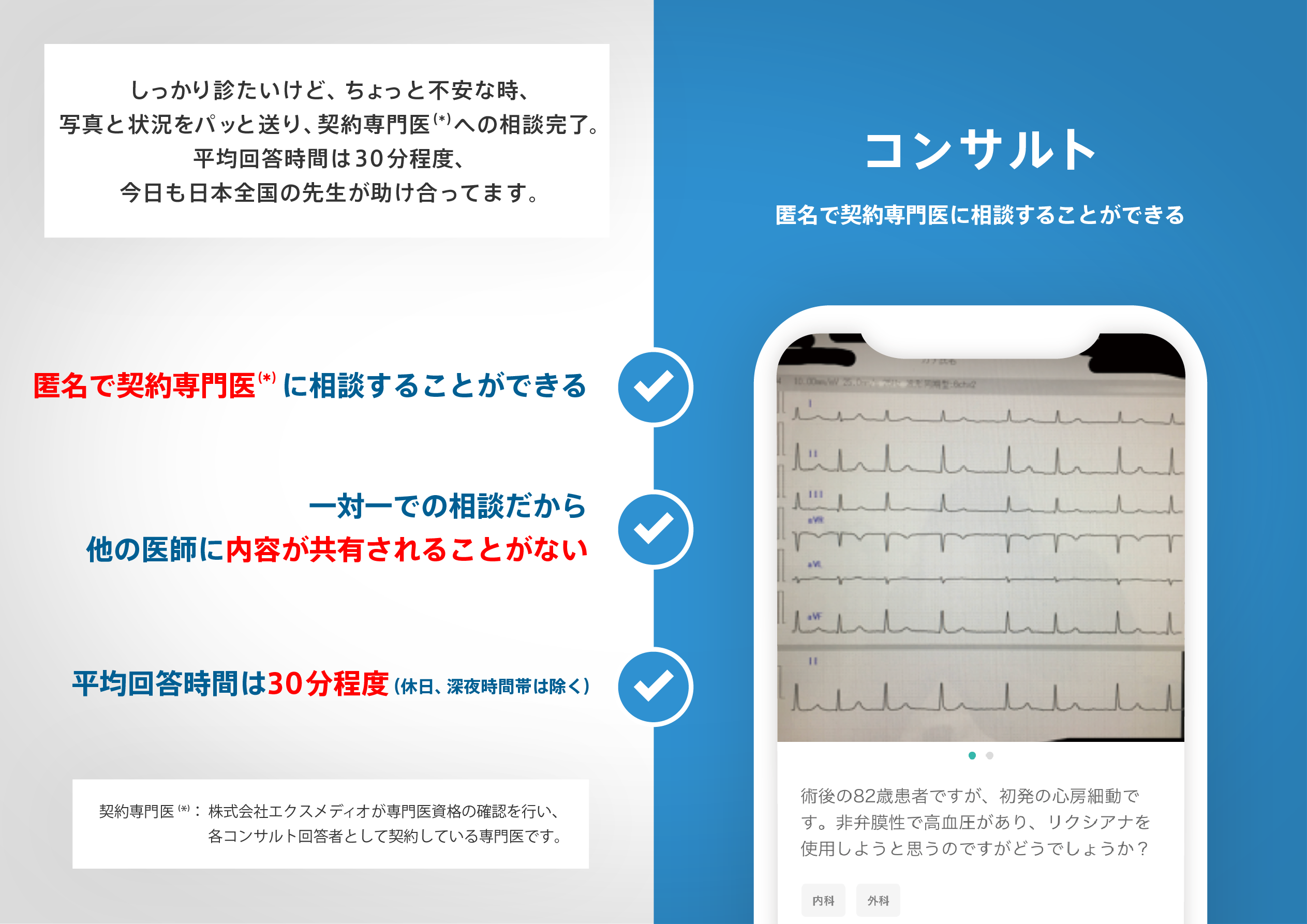
ヒポクラ x マイナビのご紹介

無料会員登録していただくと、さらに便利で効率的な検索が可能になります。