著名医師による解説が無料で読めます
すると翻訳の精度が向上します
脂肪酸輸送タンパク質(FATP)は二機能性タンパク質であり、細胞脂肪酸輸送と過剰な過剰に関連する病理との間の結合を理解するために、長鎖脂肪酸を細胞に輸送し、非常に長鎖脂肪酸を活性化します。外因性脂肪酸の蓄積は、ヒトFATP2(HSFATP2)を発現する酵母の100,000を超える小さな多様な化合物の高スループットスクリーンで、FATPを介した脂肪酸輸送を標的としました。化合物は、蛍光長鎖脂肪酸アナログの輸送、C(1)-Bodipy-C(12)の輸送を抑制する能力のために選択されました。一次スクリーンで特定された234ヒットのうち、構造クラスの各代表である5つの化合物がヒトCACO-2およびHEPG2細胞株でさらに特徴付けられ、それぞれが通常FATP2を発現し、3T3-L1脂肪細胞で。これらの化合物は、CACO-2細胞とHEPG2細胞の両方で低ミクロモル範囲のIC(50)sでの取り込みを阻害するのに効果的でした。輸送の阻害は脂肪酸に対して非常に特異的であり、細胞の生存率、上皮電気耐性、グルコース輸送、または長鎖アシルCoAシンテターゼ活性に対するこれらの化合物の効果はありませんでした。化合物は、阻害の選択性を示唆する3T3-L1脂肪細胞でテストされた場合、あまり効果的ではありませんでした。これらの結果は、細胞毒性を引き起こすことなく脂肪酸輸送をFATP特異的な方法で阻害できることを示唆しています。
脂肪酸輸送タンパク質(FATP)は二機能性タンパク質であり、細胞脂肪酸輸送と過剰な過剰に関連する病理との間の結合を理解するために、長鎖脂肪酸を細胞に輸送し、非常に長鎖脂肪酸を活性化します。外因性脂肪酸の蓄積は、ヒトFATP2(HSFATP2)を発現する酵母の100,000を超える小さな多様な化合物の高スループットスクリーンで、FATPを介した脂肪酸輸送を標的としました。化合物は、蛍光長鎖脂肪酸アナログの輸送、C(1)-Bodipy-C(12)の輸送を抑制する能力のために選択されました。一次スクリーンで特定された234ヒットのうち、構造クラスの各代表である5つの化合物がヒトCACO-2およびHEPG2細胞株でさらに特徴付けられ、それぞれが通常FATP2を発現し、3T3-L1脂肪細胞で。これらの化合物は、CACO-2細胞とHEPG2細胞の両方で低ミクロモル範囲のIC(50)sでの取り込みを阻害するのに効果的でした。輸送の阻害は脂肪酸に対して非常に特異的であり、細胞の生存率、上皮電気耐性、グルコース輸送、または長鎖アシルCoAシンテターゼ活性に対するこれらの化合物の効果はありませんでした。化合物は、阻害の選択性を示唆する3T3-L1脂肪細胞でテストされた場合、あまり効果的ではありませんでした。これらの結果は、細胞毒性を引き起こすことなく脂肪酸輸送をFATP特異的な方法で阻害できることを示唆しています。
Fatty acid transport proteins (FATPs) are bifunctional proteins, which transport long chain fatty acids into cells and activate very long chain fatty acids by esterification with coenzyme A. In an effort to understand the linkage between cellular fatty acid transport and the pathology associated with excessive accumulation of exogenous fatty acids, we targeted FATP-mediated fatty acid transport in a high throughput screen of more than 100,000 small diverse chemical compounds in yeast expressing human FATP2 (hsFATP2). Compounds were selected for their ability to depress the transport of the fluorescent long chain fatty acid analogue, C(1)-BODIPY-C(12). Among 234 hits identified in the primary screen, 5 compounds, each representative of a structural class, were further characterized in the human Caco-2 and HepG2 cell lines, each of which normally expresses FATP2, and in 3T3-L1 adipocytes, which do not. These compounds were effective in inhibiting uptake with IC(50)s in the low micromolar range in both Caco-2 and HepG2 cells. Inhibition of transport was highly specific for fatty acids and there were no effects of these compounds on cell viability, trans-epithelial electrical resistance, glucose transport, or long chain acyl-CoA synthetase activity. The compounds were less effective when tested in 3T3-L1 adipocytes suggesting selectivity of inhibition. These results suggest fatty acid transport can be inhibited in a FATP-specific manner without causing cellular toxicity.
医師のための臨床サポートサービス
ヒポクラ x マイナビのご紹介


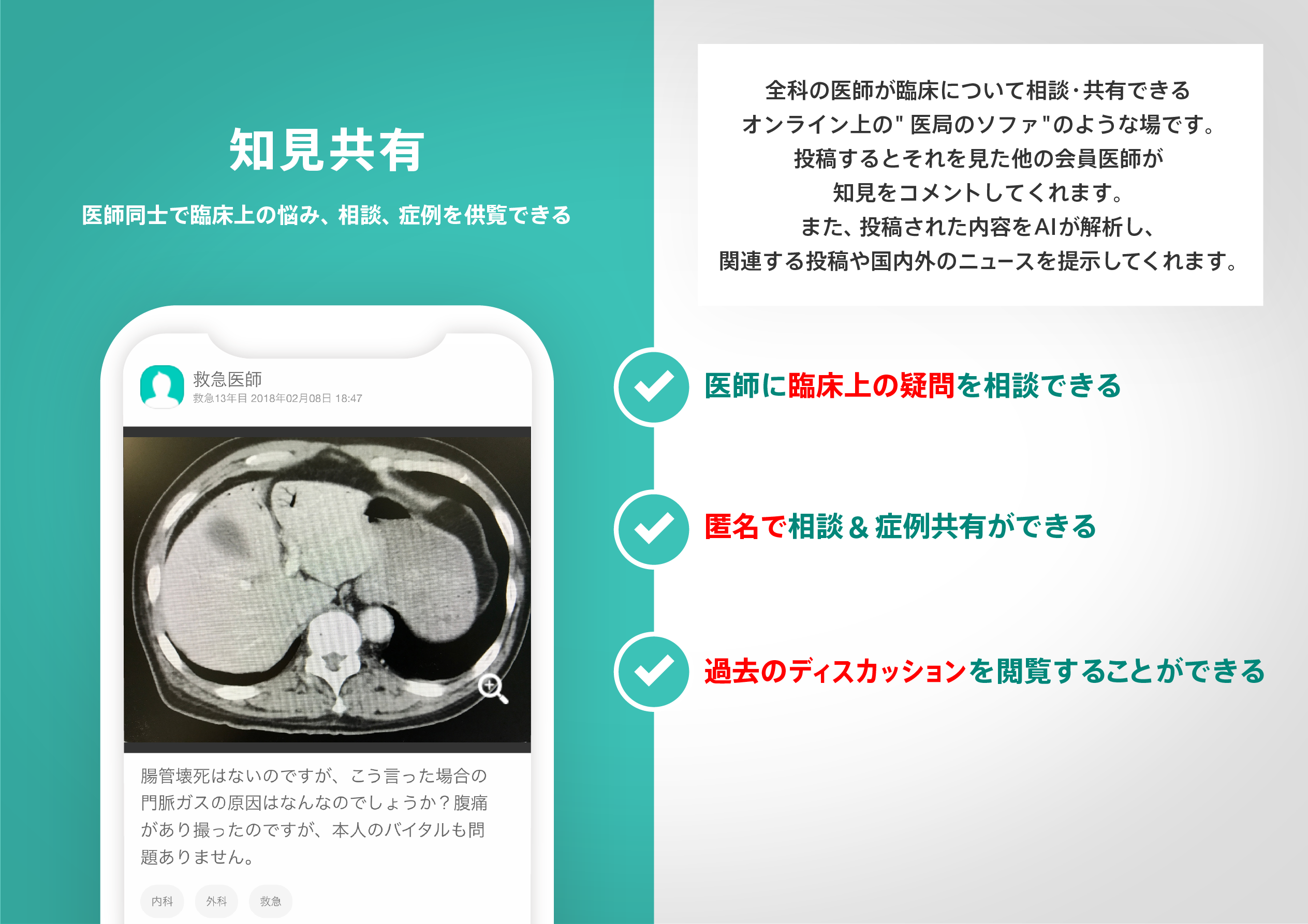
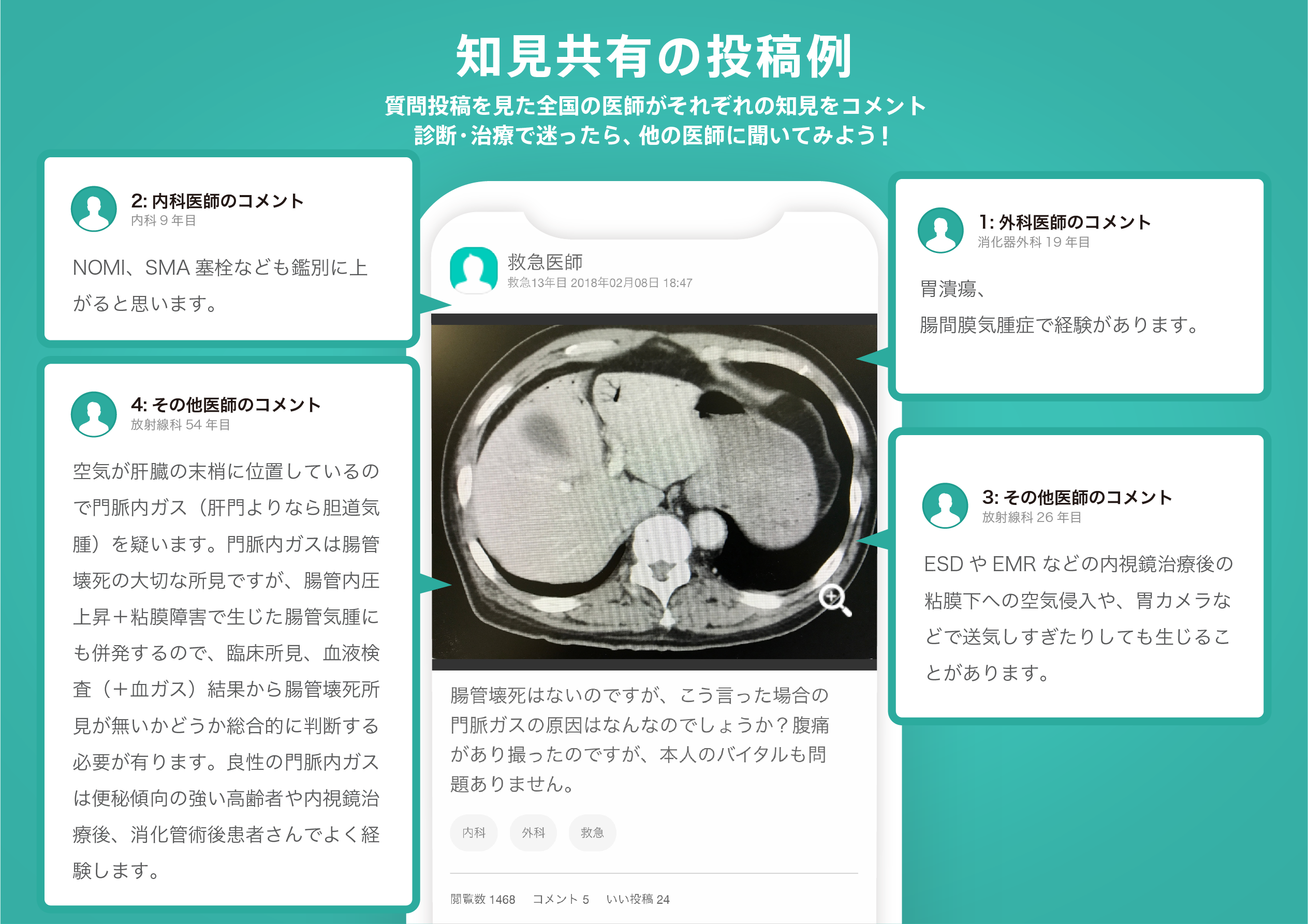

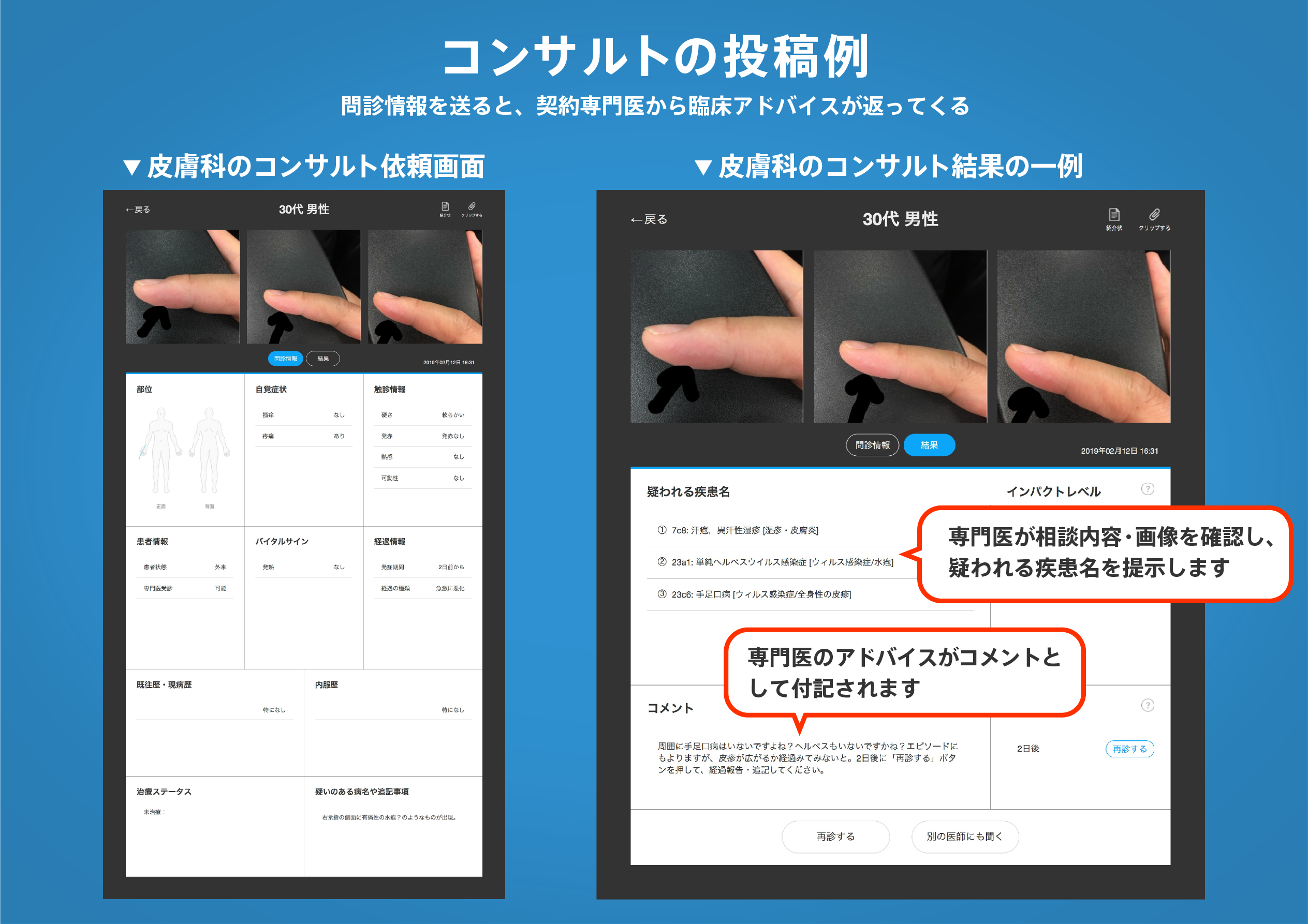

無料会員登録していただくと、さらに便利で効率的な検索が可能になります。