著名医師による解説が無料で読めます
すると翻訳の精度が向上します
背景:胸痛を呈する患者は、冠動脈イベントを経験する可能性が5%あります。これらの患者は死亡の危険にさらされており、認識され、二次ケアに紹介されるべきです。標的。胸痛患者の紹介タイプと死亡率の関係を決定する。 方法:研究の設計は観察研究です。この研究の設定は、ベルギーの一般的な慣行のセンチネルネットワークであり、総人口の1.6%をカバーしています。被験者は、2003年に胸痛と相談する1558人の連続した患者です。記述分析は、標準化された死亡率を報告しています。1999年のベルギー人口を参照人口として、また標準人口として使用しました。 結果:3日間の標準化された死亡率は151.0 [95%信頼区間(CI):82.3-250.3]であり、緊急紹介グループでは45.5(95%CI:12.4-116.0)が非緊急および13.6(95%CI):1.7-49.4)非参照グループの場合。1か月の標準化された比率は、それぞれ27.6(95%CI:18.0-40.4)、6.7(95%CI:2.5-14.6)および4.7(95%CI:1.9-9.7)でした。2〜12か月の標準化された比率は、緊急紹介グループ(1.3; 95%CI:0.7-2.2)および非緊急紹介グループ(1.0; 95%CI:0.5-1.9)では正常でした。非参照グループ(0.4; 95%CI:0.2-0.9)。 結論:胸痛のコンサルティング後の最初の3日間と最初の月の死亡率は非常に高いです。紹介タイプに照会された紹介された、非識別されない、紹介されていないGPによるリスク層別化によれば、死亡率には著しい傾向があります。1か月後、すべてのグループの死亡率が正常化され、生存する患者の治療が適切であり、胸痛を引き起こす状態が一般集団と比較して生存に影響を与えなくなったことを示唆しています。
背景:胸痛を呈する患者は、冠動脈イベントを経験する可能性が5%あります。これらの患者は死亡の危険にさらされており、認識され、二次ケアに紹介されるべきです。標的。胸痛患者の紹介タイプと死亡率の関係を決定する。 方法:研究の設計は観察研究です。この研究の設定は、ベルギーの一般的な慣行のセンチネルネットワークであり、総人口の1.6%をカバーしています。被験者は、2003年に胸痛と相談する1558人の連続した患者です。記述分析は、標準化された死亡率を報告しています。1999年のベルギー人口を参照人口として、また標準人口として使用しました。 結果:3日間の標準化された死亡率は151.0 [95%信頼区間(CI):82.3-250.3]であり、緊急紹介グループでは45.5(95%CI:12.4-116.0)が非緊急および13.6(95%CI):1.7-49.4)非参照グループの場合。1か月の標準化された比率は、それぞれ27.6(95%CI:18.0-40.4)、6.7(95%CI:2.5-14.6)および4.7(95%CI:1.9-9.7)でした。2〜12か月の標準化された比率は、緊急紹介グループ(1.3; 95%CI:0.7-2.2)および非緊急紹介グループ(1.0; 95%CI:0.5-1.9)では正常でした。非参照グループ(0.4; 95%CI:0.2-0.9)。 結論:胸痛のコンサルティング後の最初の3日間と最初の月の死亡率は非常に高いです。紹介タイプに照会された紹介された、非識別されない、紹介されていないGPによるリスク層別化によれば、死亡率には著しい傾向があります。1か月後、すべてのグループの死亡率が正常化され、生存する患者の治療が適切であり、胸痛を引き起こす状態が一般集団と比較して生存に影響を与えなくなったことを示唆しています。
BACKGROUND: patients presenting with chest pain have a 5% chance of experiencing a coronary event. These patients are at risk of mortality and should be recognized and referred to secondary care. Aim. To determine the relationship between referral type and mortality in patients with chest pain. METHODS: the design of the study is an observational study. The setting of the study is a sentinel network of general practices in Belgium, covering 1.6% of the total population. The subjects are 1558 consecutive patients consulting with chest pain in 2003. Descriptive analyses report the standardized mortality ratios. We used the Belgian population of 1999 as the reference population and as the standard population. RESULTS: the standardized mortality ratios of 3 days were 151.0 [95% confidence interval (CI): 82.3-250.3] for the urgent referred group, 45.5 (95% CI: 12.4-116.0) for non-urgent and 13.6 (95% CI: 1.7-49.4) for the non-referred group. The standardized ratios of 1 month were, respectively, 27.6 (95% CI: 18.0-40.4), 6.7 (95% CI: 2.5-14.6) and 4.7 (95% CI: 1.9-9.7). The standardized ratios of 2-12 months were normal for the urgent referral group (1.3; 95% CI: 0.7-2.2) and for the non-urgent referral group (1.0; 95% CI: 0.5-1.9) and even less in the non-referred group (0.4; 95% CI: 0.2-0.9). CONCLUSIONS: mortality in the first 3 days and first month after consulting for chest pain is very high. There is a marked trend in mortality according to the referral type-urgently referred, non-urgently referred and not referred-suggesting risk stratification by the GP. After 1 month, mortality normalizes for all groups, suggesting that the surviving patients are well treated and the condition causing the chest pain no longer influences survival compared to the general population.
医師のための臨床サポートサービス
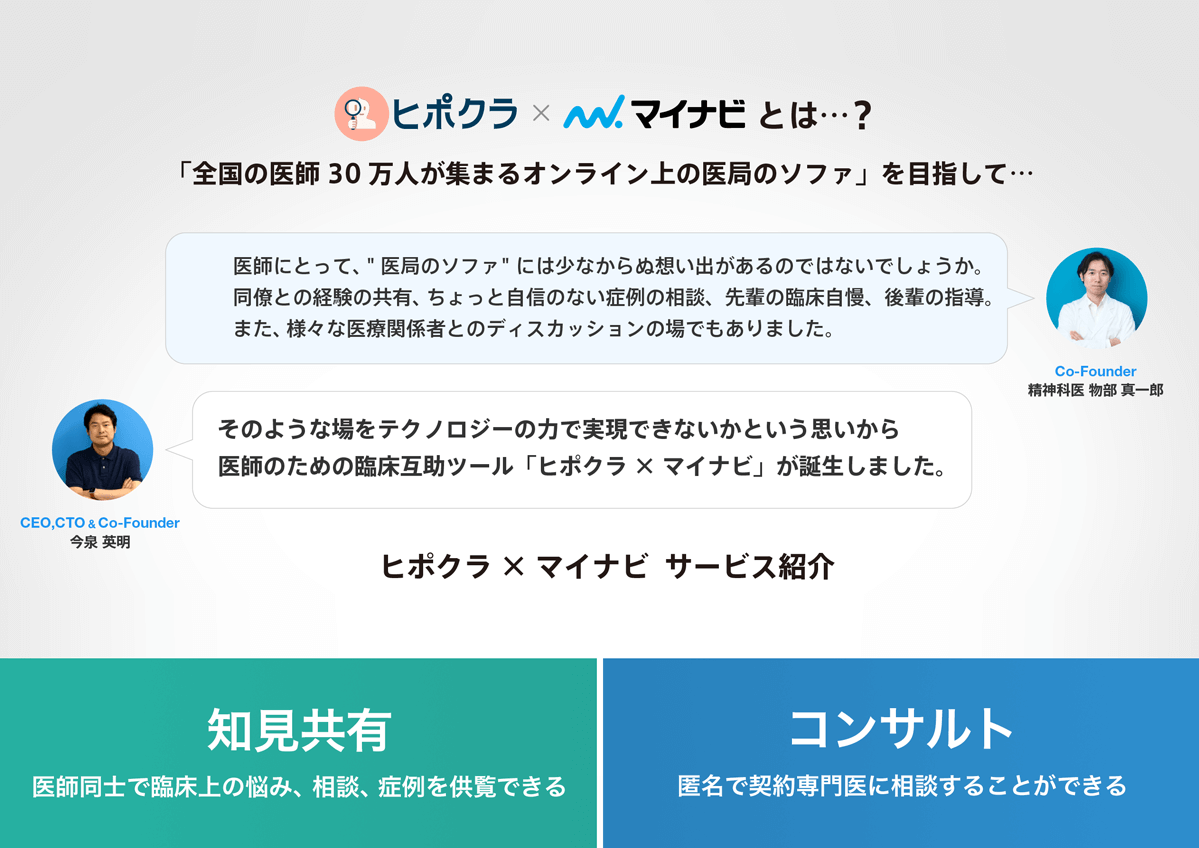
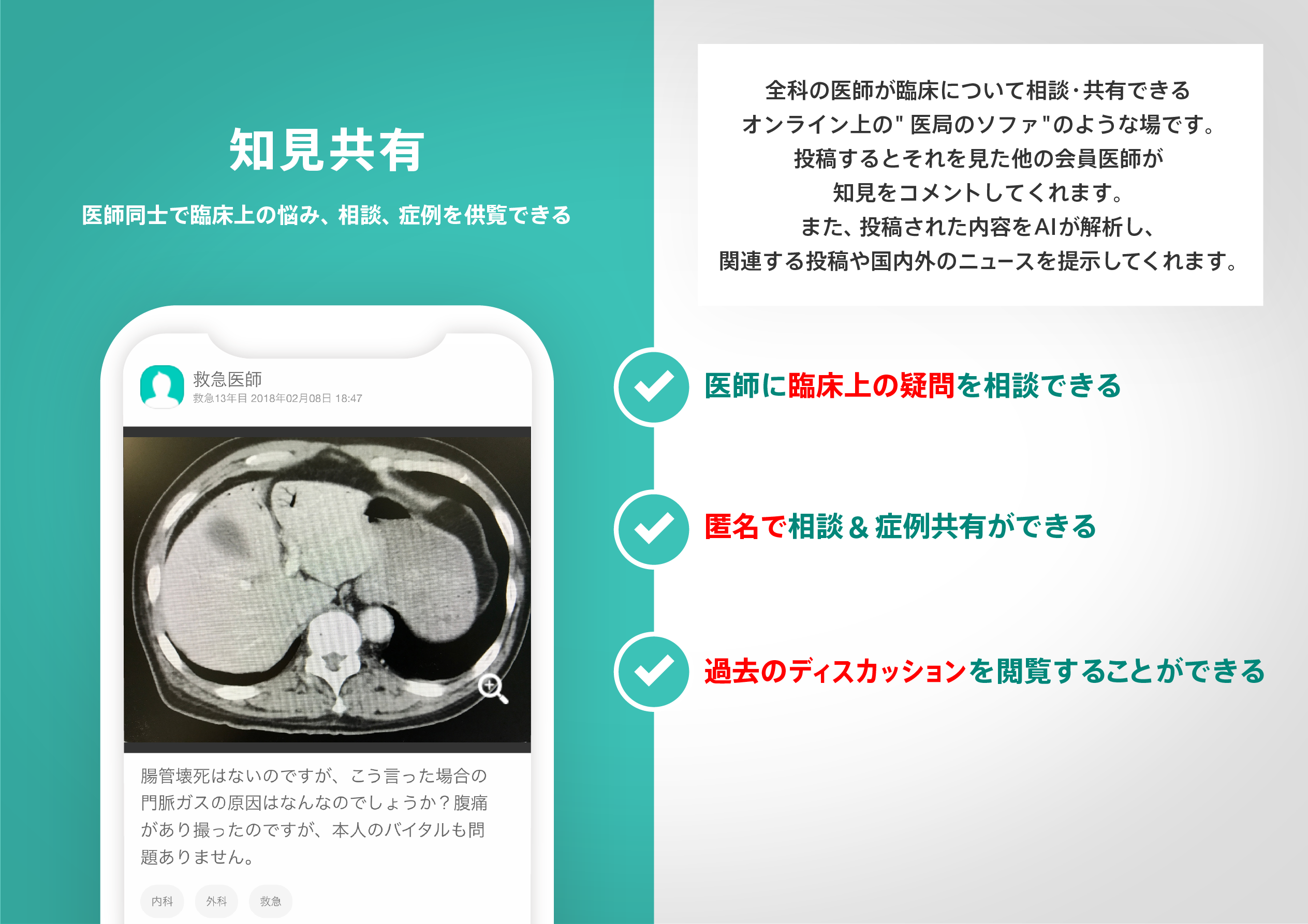
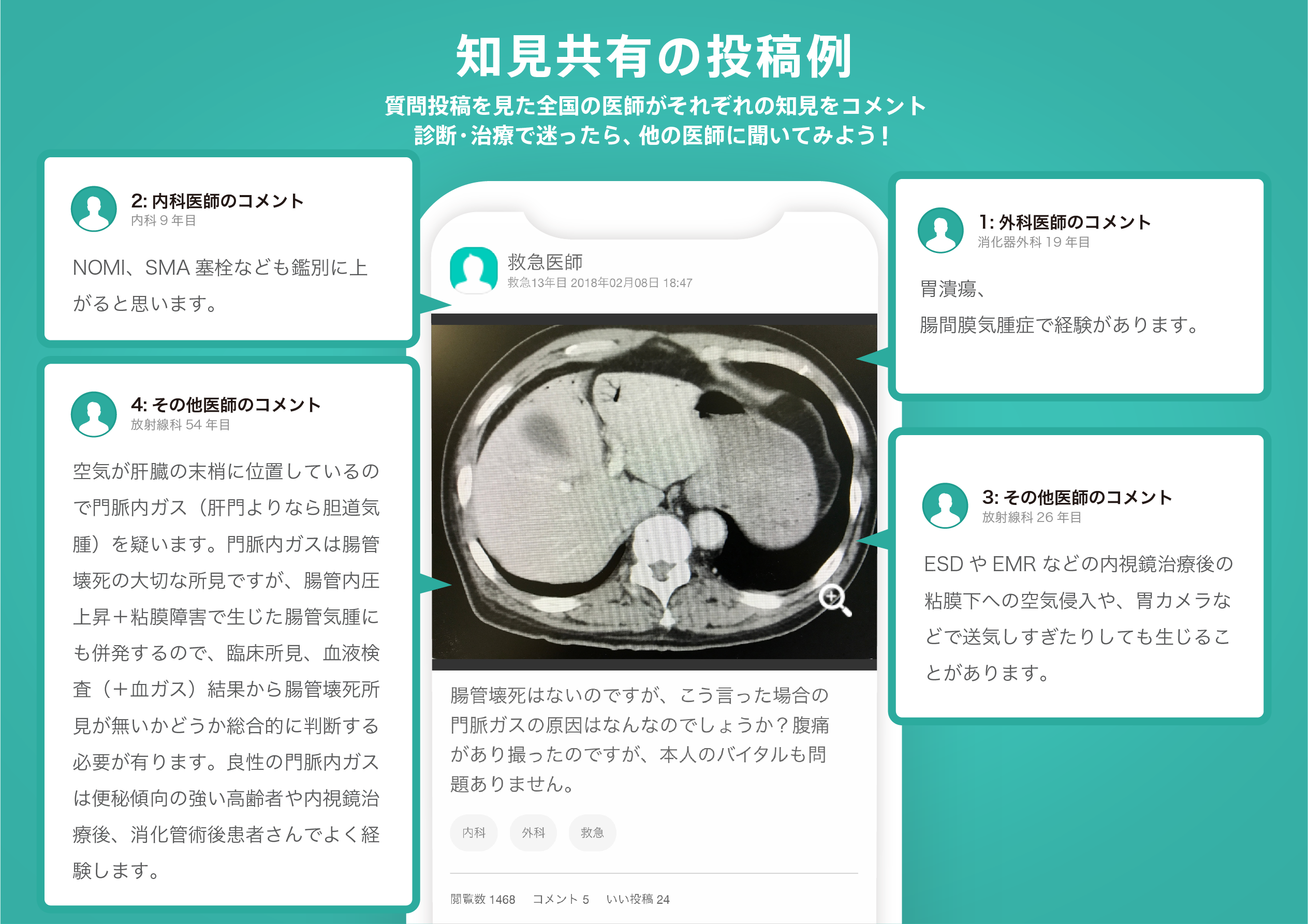
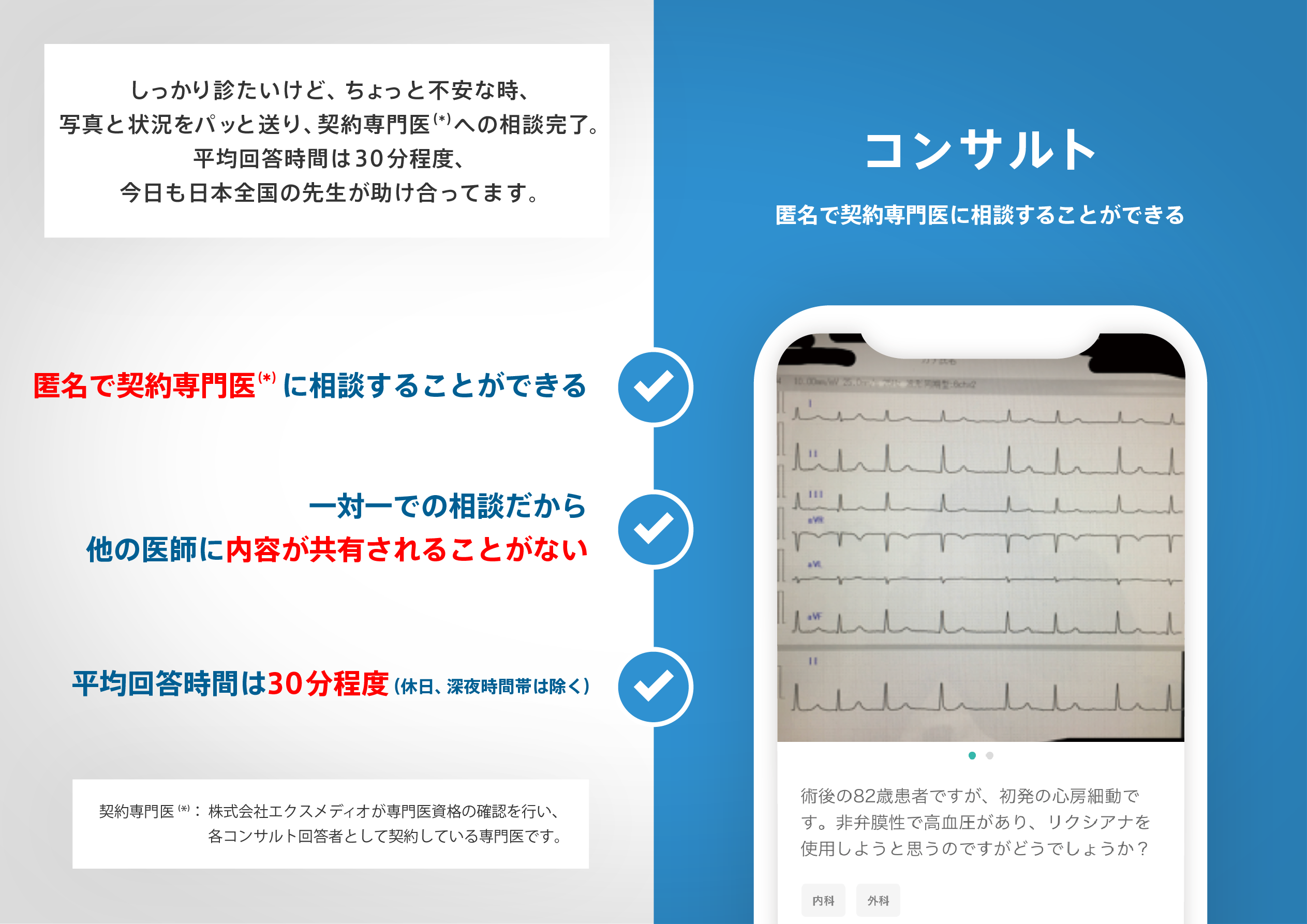
ヒポクラ x マイナビのご紹介

無料会員登録していただくと、さらに便利で効率的な検索が可能になります。