著名医師による解説が無料で読めます
すると翻訳の精度が向上します
クバードは、妊娠中に生理学的基盤が認識されていない妊娠中に体性症状を経験する一般的ではあるが理解されていない現象です。症状には、一般に、消化不良、食欲の増加または減少、体重増加、下痢または便秘、頭痛、歯痛が含まれます。発症は通常、3番目の妊娠期間中の妊娠中の月に行われます。一般に、症状は出産とともに解決します。クバードは、身体化された不安、擬似兄弟のライバル関係、胎児との同一性、父性に関する曖昧さ、父性の声明、または介入のvy望の表現と見なされてきました。クバードのダイナミクスは個人によって異なる可能性があり、マルチデート化される可能性があります。
クバードは、妊娠中に生理学的基盤が認識されていない妊娠中に体性症状を経験する一般的ではあるが理解されていない現象です。症状には、一般に、消化不良、食欲の増加または減少、体重増加、下痢または便秘、頭痛、歯痛が含まれます。発症は通常、3番目の妊娠期間中の妊娠中の月に行われます。一般に、症状は出産とともに解決します。クバードは、身体化された不安、擬似兄弟のライバル関係、胎児との同一性、父性に関する曖昧さ、父性の声明、または介入のvy望の表現と見なされてきました。クバードのダイナミクスは個人によって異なる可能性があり、マルチデート化される可能性があります。
Couvade is the common but poorly understood phenomenon whereby the expectant father experiences somatic symptoms during the pregnancy for which there is no recognized physiological basis. Symptoms commonly include indigestion, increased or decreased appetite, weight gain, diarrhea or constipation, headache, and toothache. Onset is usually during the third gestational month with a secondary rise in the late third trimester. Symptoms generally resolve with childbirth. Couvade has been seen as an expression of somatized anxiety, pseudo-sibling rivalry, identification with the fetus, ambivalence about fatherhood, a statement of paternity, or parturition envy. It is likely that the dynamics of couvade may vary between individuals and may be multidetermined.
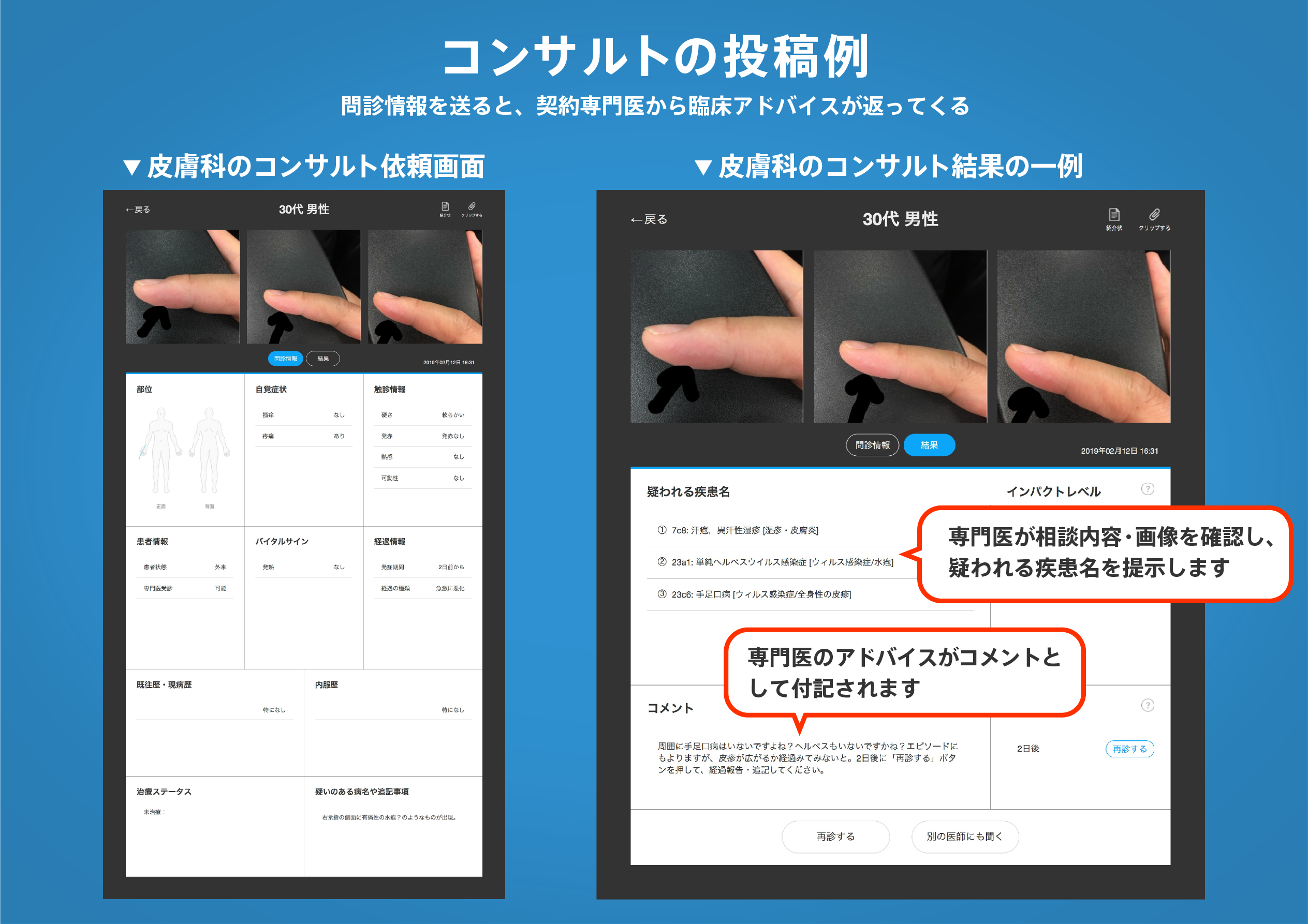
医師のための臨床サポートサービス
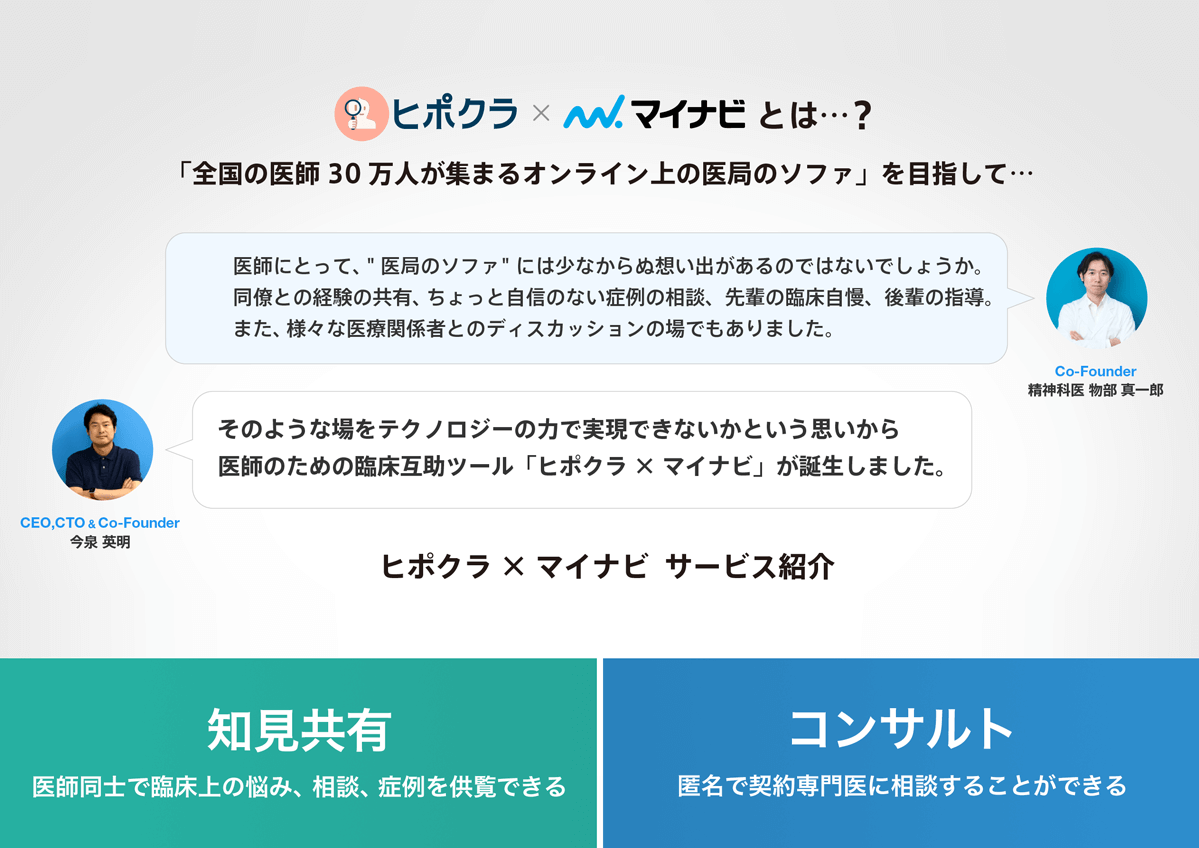
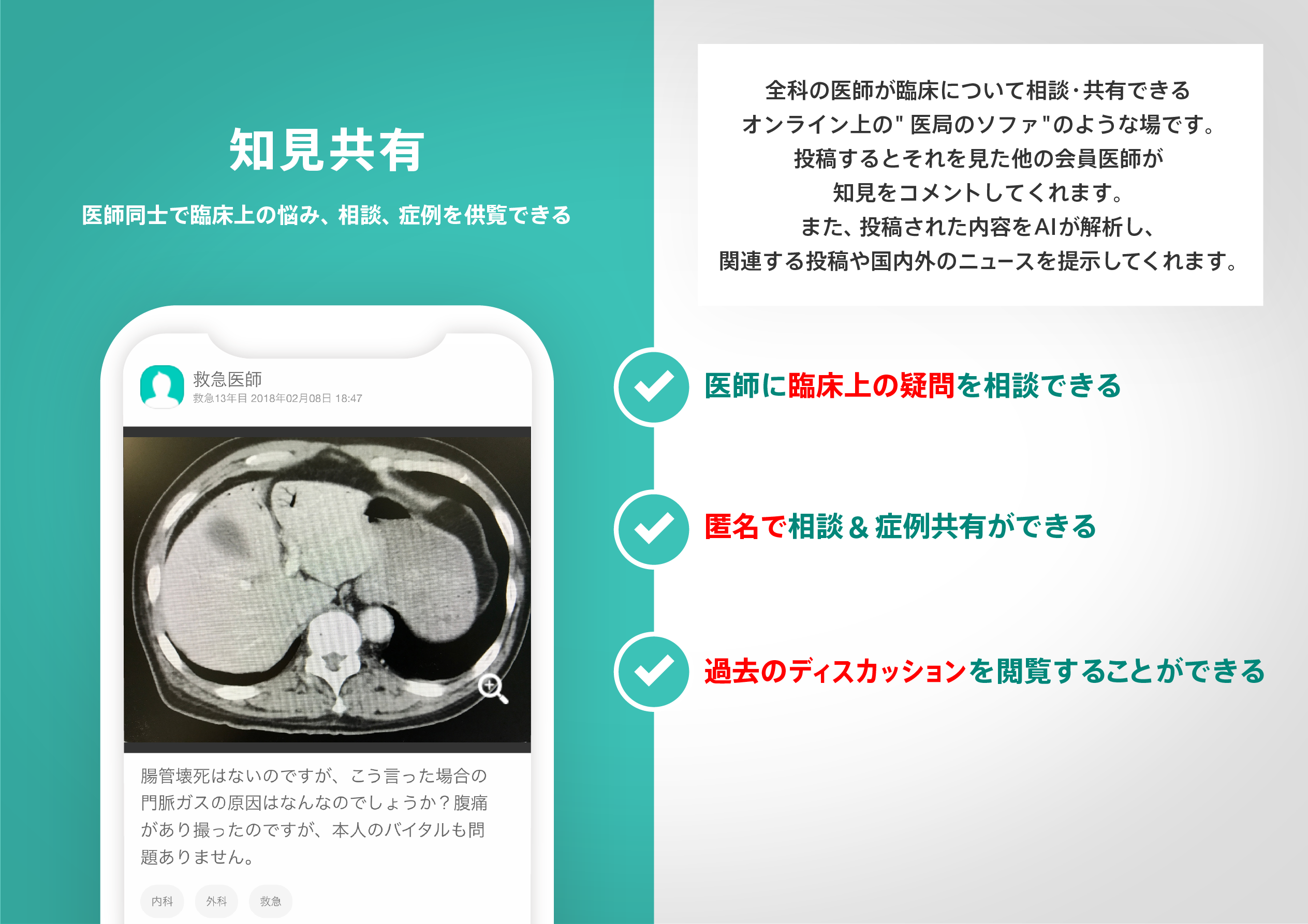
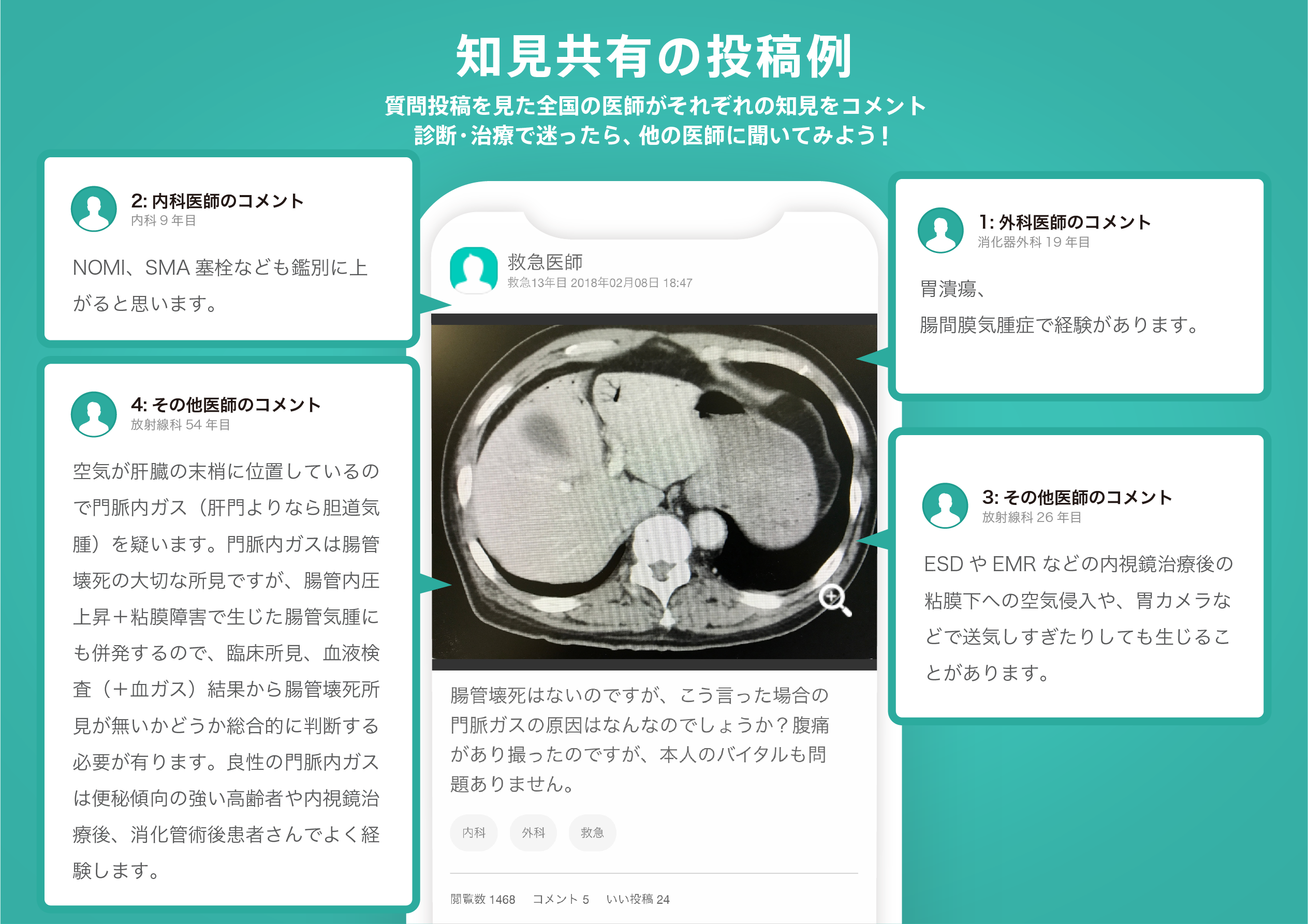
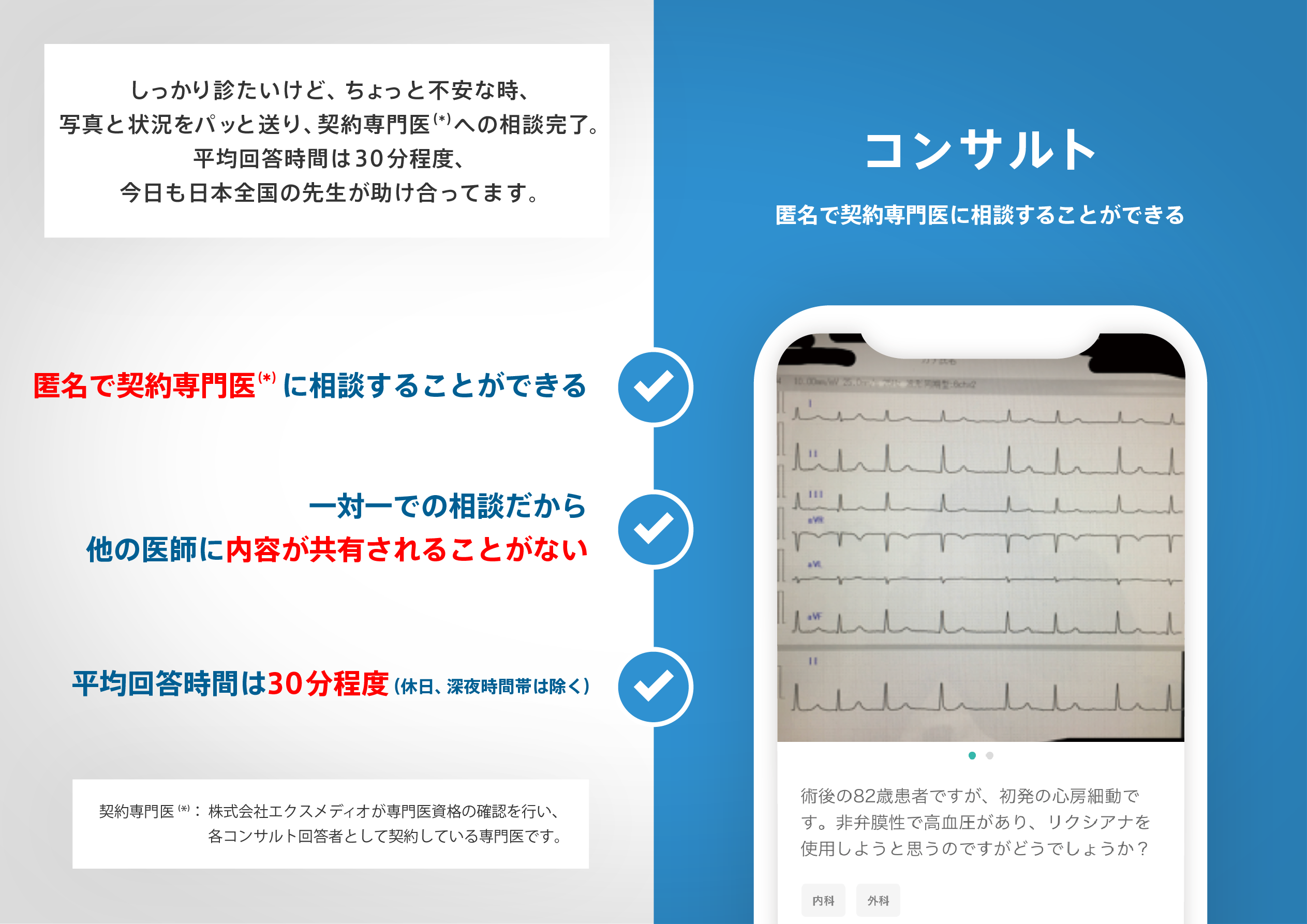
ヒポクラ x マイナビのご紹介

無料会員登録していただくと、さらに便利で効率的な検索が可能になります。