著名医師による解説が無料で読めます
すると翻訳の精度が向上します
大腿骨硬直と強度の代理としての適合性を研究するために、死体大腿骨剛性の二次元有限要素モデルが開発されました。検証に成功した場合、そのような方法を臨床的に適用して、よりシンプルでコストの少ないX線写真を使用して患者の骨の剛性と強度を推定できます。2次元の大腿骨画像は、22のヒト死体大腿骨の定量的コンピューター断層撮影スキャンの投影によって導き出されました。同じ大腿骨は、股関節構成の下落で破壊されました。大腿骨の剛性と骨折負荷を測定し、高速ビデオを記録しました。デジタル画像相関分析を使用して、高速ビデオ録画からのひずみ分布を計算しました。有限要素解析のために、二次元投影画像をセグメント化し、2次の三角要素とメッシュ化しました。有限要素の弾性弾性率は、元素内の投影された鉱物密度値に基づいて計算されました。弾性弾性率への投影密度値のマッピングは、22個の標本のうち9個のセットで最適なパラメーター識別を使用して取得され、残りの13個の標本で検証されました。計算された近位剛性と強度が計算された有限要素は、面積骨密度だけよりも実験データとはるかによく相関していました。さらに、有限要素計算されたひずみ分布は、高速ビデオ録画のデジタル画像処理から得られたひずみと非常によく比較され、2次元投影された被験者固有の有限要素モデルをさらに検証しました。
大腿骨硬直と強度の代理としての適合性を研究するために、死体大腿骨剛性の二次元有限要素モデルが開発されました。検証に成功した場合、そのような方法を臨床的に適用して、よりシンプルでコストの少ないX線写真を使用して患者の骨の剛性と強度を推定できます。2次元の大腿骨画像は、22のヒト死体大腿骨の定量的コンピューター断層撮影スキャンの投影によって導き出されました。同じ大腿骨は、股関節構成の下落で破壊されました。大腿骨の剛性と骨折負荷を測定し、高速ビデオを記録しました。デジタル画像相関分析を使用して、高速ビデオ録画からのひずみ分布を計算しました。有限要素解析のために、二次元投影画像をセグメント化し、2次の三角要素とメッシュ化しました。有限要素の弾性弾性率は、元素内の投影された鉱物密度値に基づいて計算されました。弾性弾性率への投影密度値のマッピングは、22個の標本のうち9個のセットで最適なパラメーター識別を使用して取得され、残りの13個の標本で検証されました。計算された近位剛性と強度が計算された有限要素は、面積骨密度だけよりも実験データとはるかによく相関していました。さらに、有限要素計算されたひずみ分布は、高速ビデオ録画のデジタル画像処理から得られたひずみと非常によく比較され、2次元投影された被験者固有の有限要素モデルをさらに検証しました。
Two-dimensional finite element models of cadaveric femoral stiffness were developed to study their suitability as surrogates of bone stiffness and strength, using two-dimensional representations of femoral geometry and bone mineral density distributions. If successfully validated, such methods could be clinically applied to estimate patient bone stiffness and strength using simpler and less costly radiographs. Two-dimensional femur images were derived by projection of quantitative computed tomography scans of 22 human cadaveric femurs. The same femurs were fractured in a fall on the hip configuration. Femoral stiffness and fracture load were measured, and high speed video was recorded. Digital image correlation analysis was used to calculate the strain distribution from the high speed video recordings. Two-dimensional projection images were segmented and meshed with second-order triangular elements for finite element analysis. Elastic moduli of the finite elements were calculated based on the projected mineral density values inside the elements. The mapping of projection density values to elastic modulus was obtained using optimal parameter identification in a set of nine of the 22 specimens, and validated on the remaining 13 specimens. Finite element calculated proximal stiffness and strength correlated much better with experimental data than areal bone mineral density alone. In addition, finite element calculated strain distributions compared very well with strains obtained from digital image processing of the high speed video recordings, further validating the two-dimensional projected subject-specific finite element models.
医師のための臨床サポートサービス
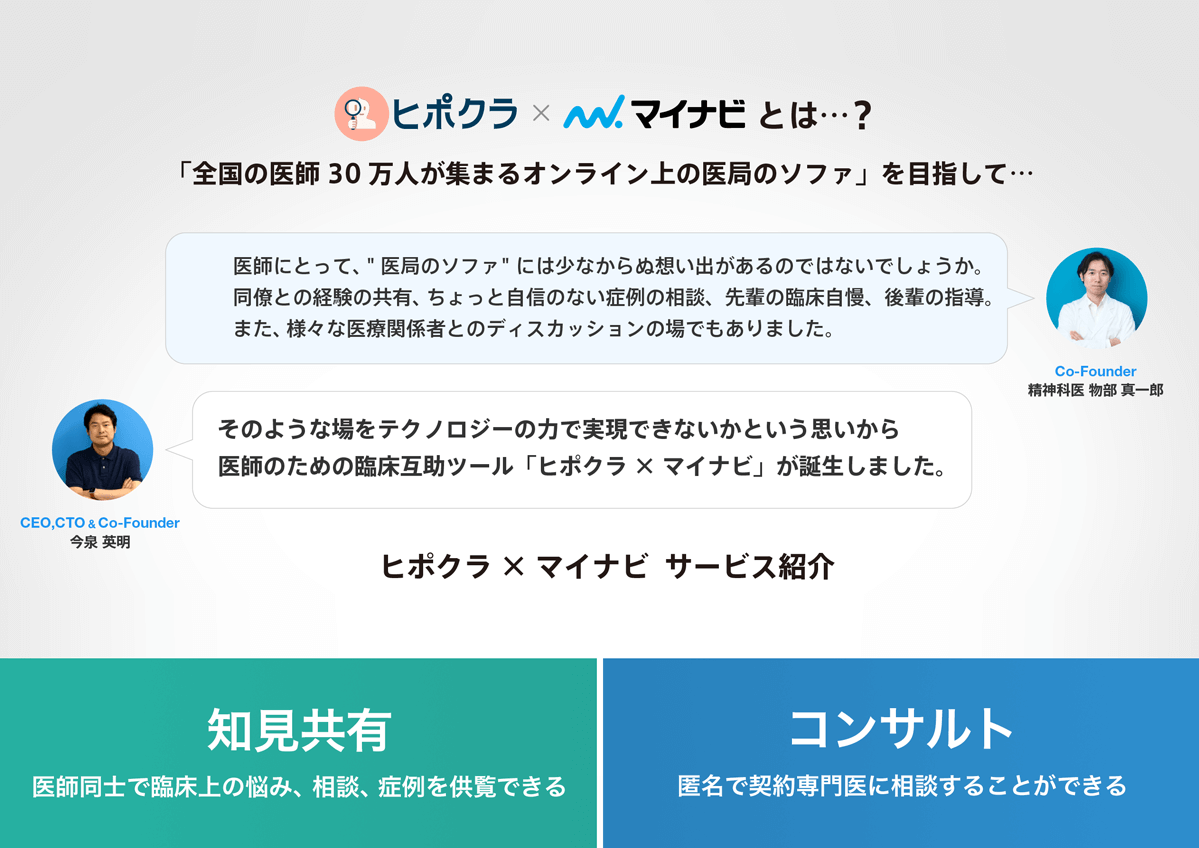
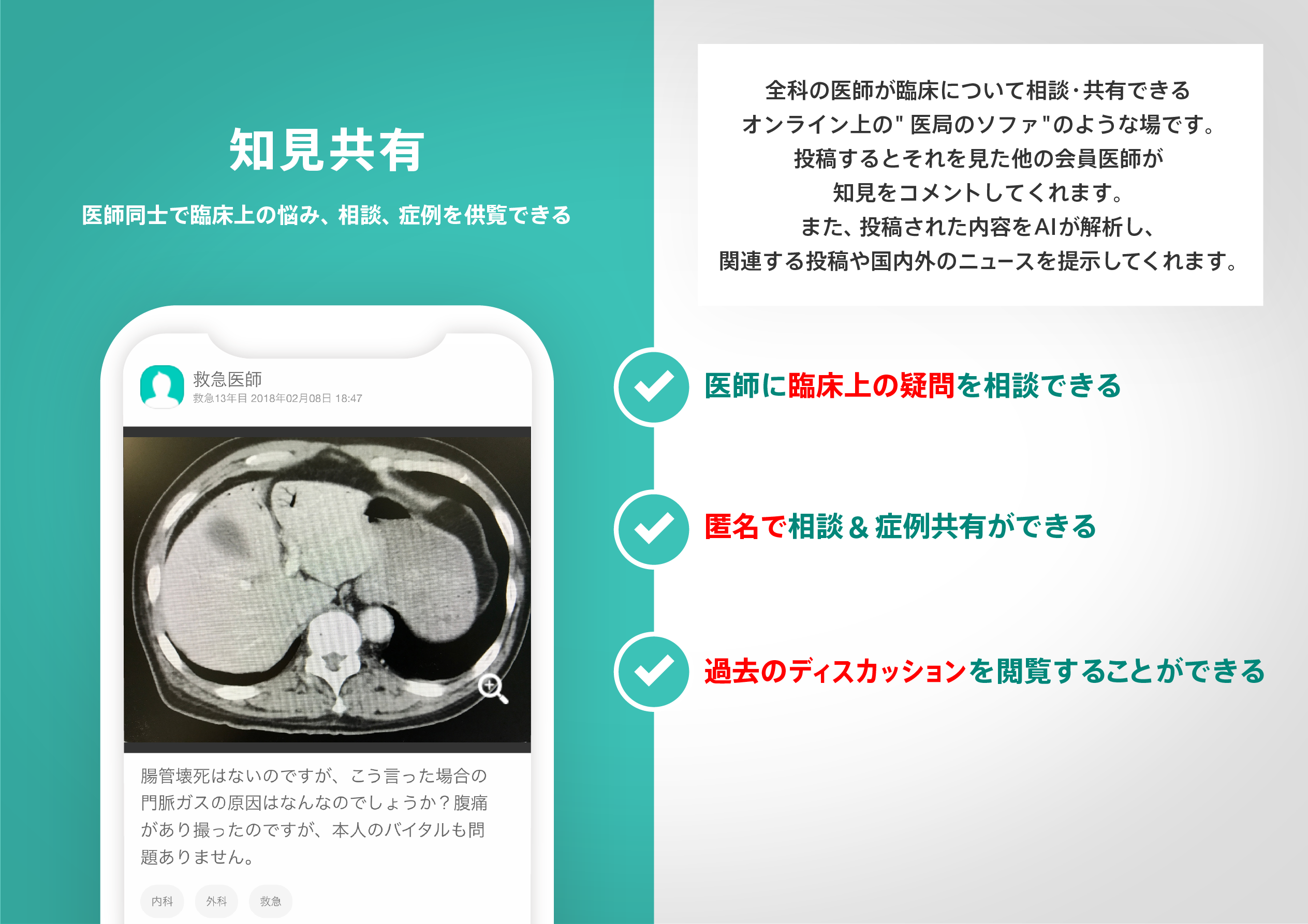
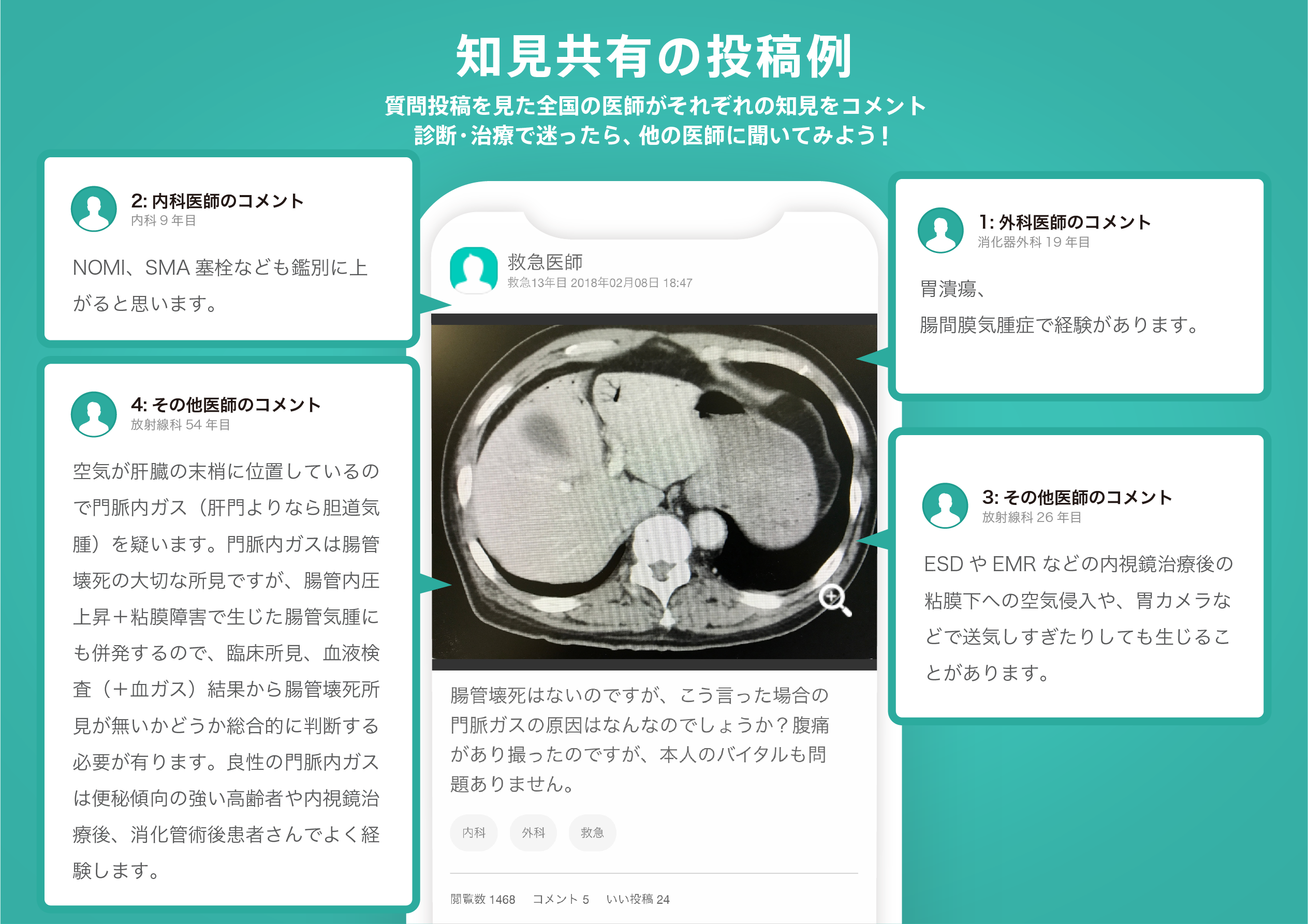
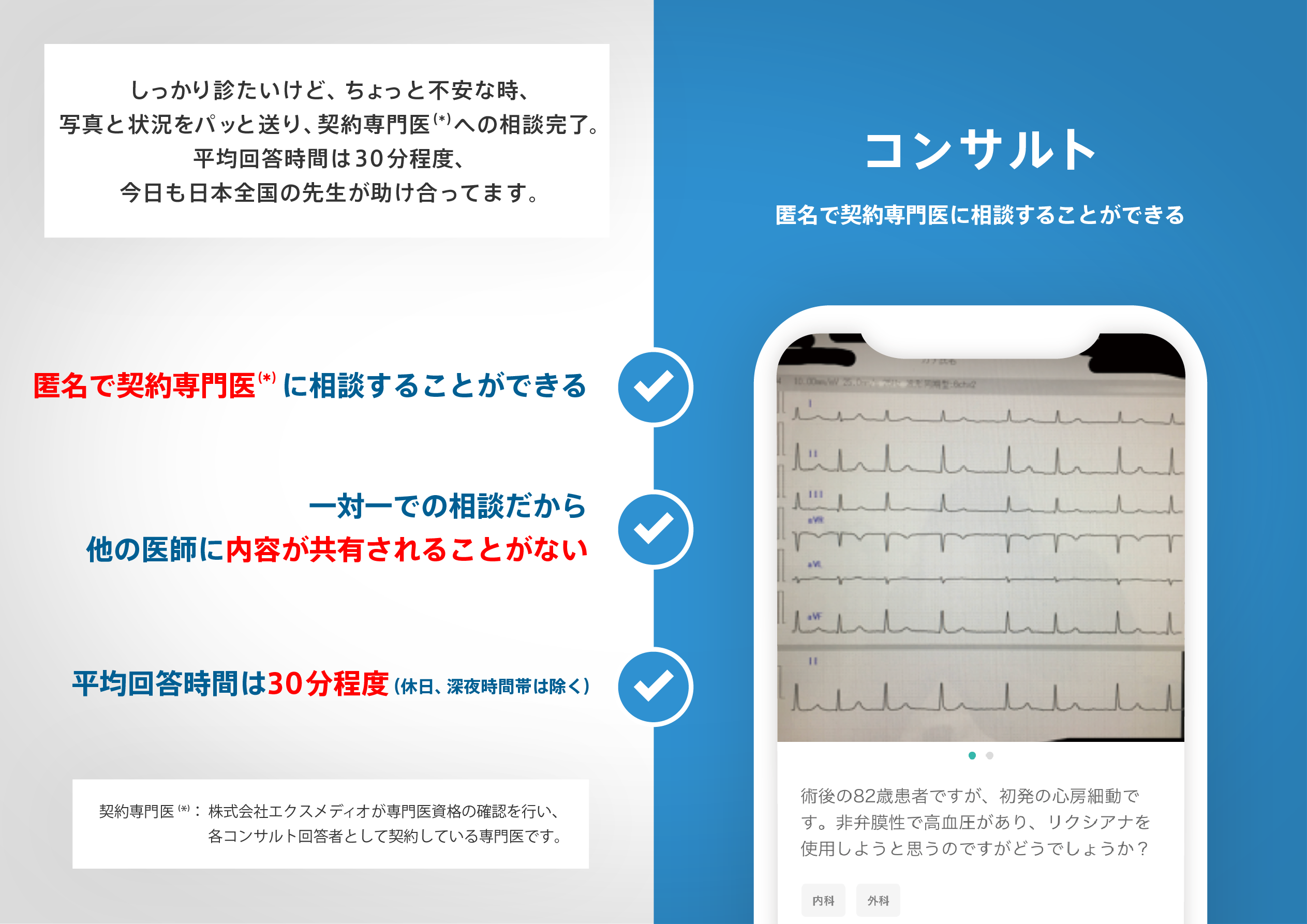
ヒポクラ x マイナビのご紹介

無料会員登録していただくと、さらに便利で効率的な検索が可能になります。