著名医師による解説が無料で読めます
すると翻訳の精度が向上します
いくつかの社会的膜men目を含む多くの動物種は、ナビゲーションに視覚システムを使用しています。昆虫の複合目はよく研究されていますが、一部の昆虫の2番目の視覚系であるOcelliについてはあまり知られていません。ここでは、視覚的に誘導されたオーストラリアの砂漠アリのメロフォラスバゴティのオセリのナビゲーション機能を示します。これらのアリは、視覚的なランドマークの学習とパス統合の両方に依存することが知られています。Celestial Compass情報と画期的なガイダンスの知覚と使用におけるOcelliの役割を明らかにするために実験を実施しました。Path Integration Systemからの方向情報を持つAntは、覆われた複合目とオープンオセリでテストされ、馴染みのないテストフィールドでオープンオセリは、ホーミングのために天のコンパスの手がかりのみが利用可能でした。これらのフルベクトルアリは、視覚情報のためにOcelliのみを使用して、テスト場の架空の巣に大きく向いており、おそらく空の偏光、太陽の位置、または空の色勾配に基づいた天体コンパス情報の使用を示しています。。パス統合システム(ゼロベクトル)からの方向情報のないアリが、覆われた複合目とオープンオセリで、周囲のパノラマを家に使用する馴染みのあるトレーニング分野でテストされました。これらのアリは、家向け方向に大きく向いていませんでした。一緒に、我々の結果は、M。bagotiがOcelliを使用して方向向きの方向性のためのCelestial Compass情報を知覚し、処理できることを実証しました。対照的に、OcelliはM. Bagotiの地上ランドマークベースのナビゲーションに貢献していないようです。
いくつかの社会的膜men目を含む多くの動物種は、ナビゲーションに視覚システムを使用しています。昆虫の複合目はよく研究されていますが、一部の昆虫の2番目の視覚系であるOcelliについてはあまり知られていません。ここでは、視覚的に誘導されたオーストラリアの砂漠アリのメロフォラスバゴティのオセリのナビゲーション機能を示します。これらのアリは、視覚的なランドマークの学習とパス統合の両方に依存することが知られています。Celestial Compass情報と画期的なガイダンスの知覚と使用におけるOcelliの役割を明らかにするために実験を実施しました。Path Integration Systemからの方向情報を持つAntは、覆われた複合目とオープンオセリでテストされ、馴染みのないテストフィールドでオープンオセリは、ホーミングのために天のコンパスの手がかりのみが利用可能でした。これらのフルベクトルアリは、視覚情報のためにOcelliのみを使用して、テスト場の架空の巣に大きく向いており、おそらく空の偏光、太陽の位置、または空の色勾配に基づいた天体コンパス情報の使用を示しています。。パス統合システム(ゼロベクトル)からの方向情報のないアリが、覆われた複合目とオープンオセリで、周囲のパノラマを家に使用する馴染みのあるトレーニング分野でテストされました。これらのアリは、家向け方向に大きく向いていませんでした。一緒に、我々の結果は、M。bagotiがOcelliを使用して方向向きの方向性のためのCelestial Compass情報を知覚し、処理できることを実証しました。対照的に、OcelliはM. Bagotiの地上ランドマークベースのナビゲーションに貢献していないようです。
Many animal species, including some social hymenoptera, use the visual system for navigation. Although the insect compound eyes have been well studied, less is known about the second visual system in some insects, the ocelli. Here we demonstrate navigational functions of the ocelli in the visually guided Australian desert ant Melophorus bagoti. These ants are known to rely on both visual landmark learning and path integration. We conducted experiments to reveal the role of ocelli in the perception and use of celestial compass information and landmark guidance. Ants with directional information from their path integration system were tested with covered compound eyes and open ocelli on an unfamiliar test field where only celestial compass cues were available for homing. These full-vector ants, using only their ocelli for visual information, oriented significantly towards the fictive nest on the test field, indicating the use of celestial compass information that is presumably based on polarised skylight, the sun's position or the colour gradient of the sky. Ants without any directional information from their path-integration system (zero-vector) were tested, also with covered compound eyes and open ocelli, on a familiar training field where they have to use the surrounding panorama to home. These ants failed to orient significantly in the homeward direction. Together, our results demonstrated that M. bagoti could perceive and process celestial compass information for directional orientation with their ocelli. In contrast, the ocelli do not seem to contribute to terrestrial landmark-based navigation in M. bagoti.
医師のための臨床サポートサービス
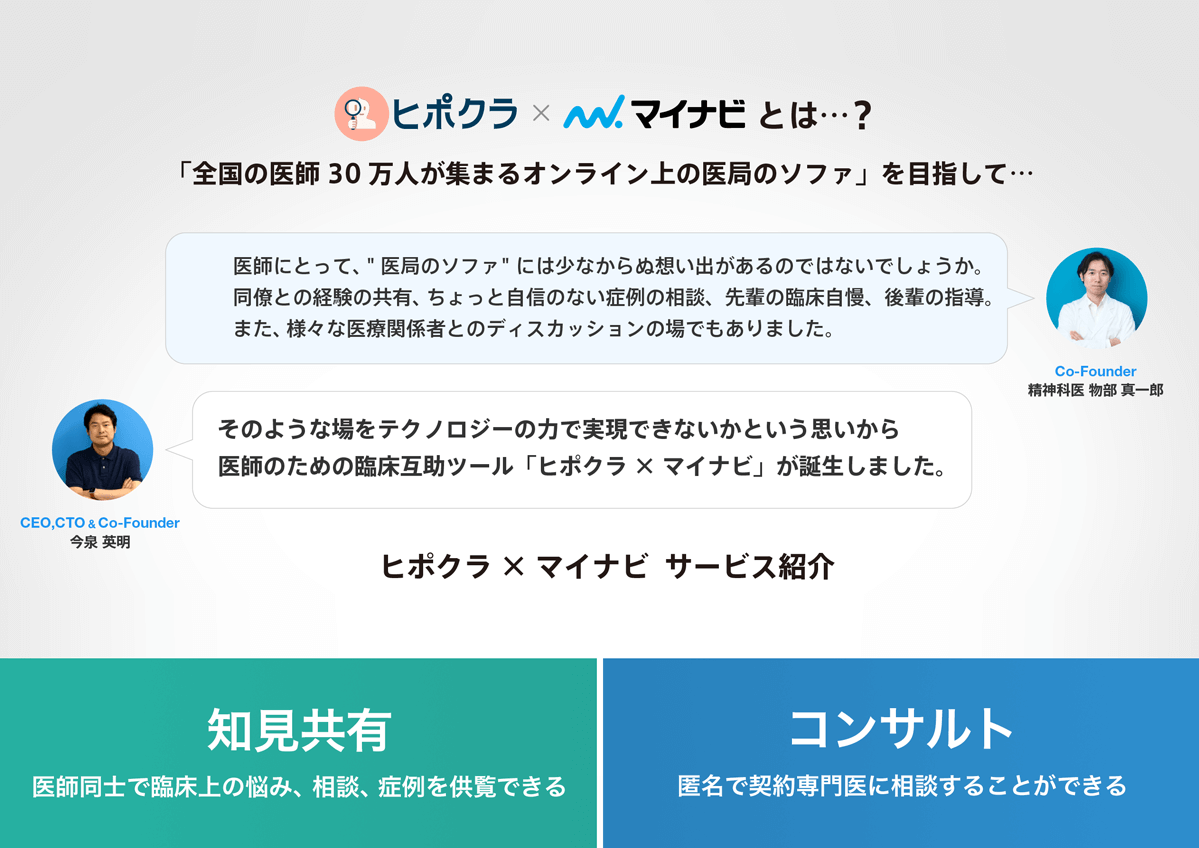
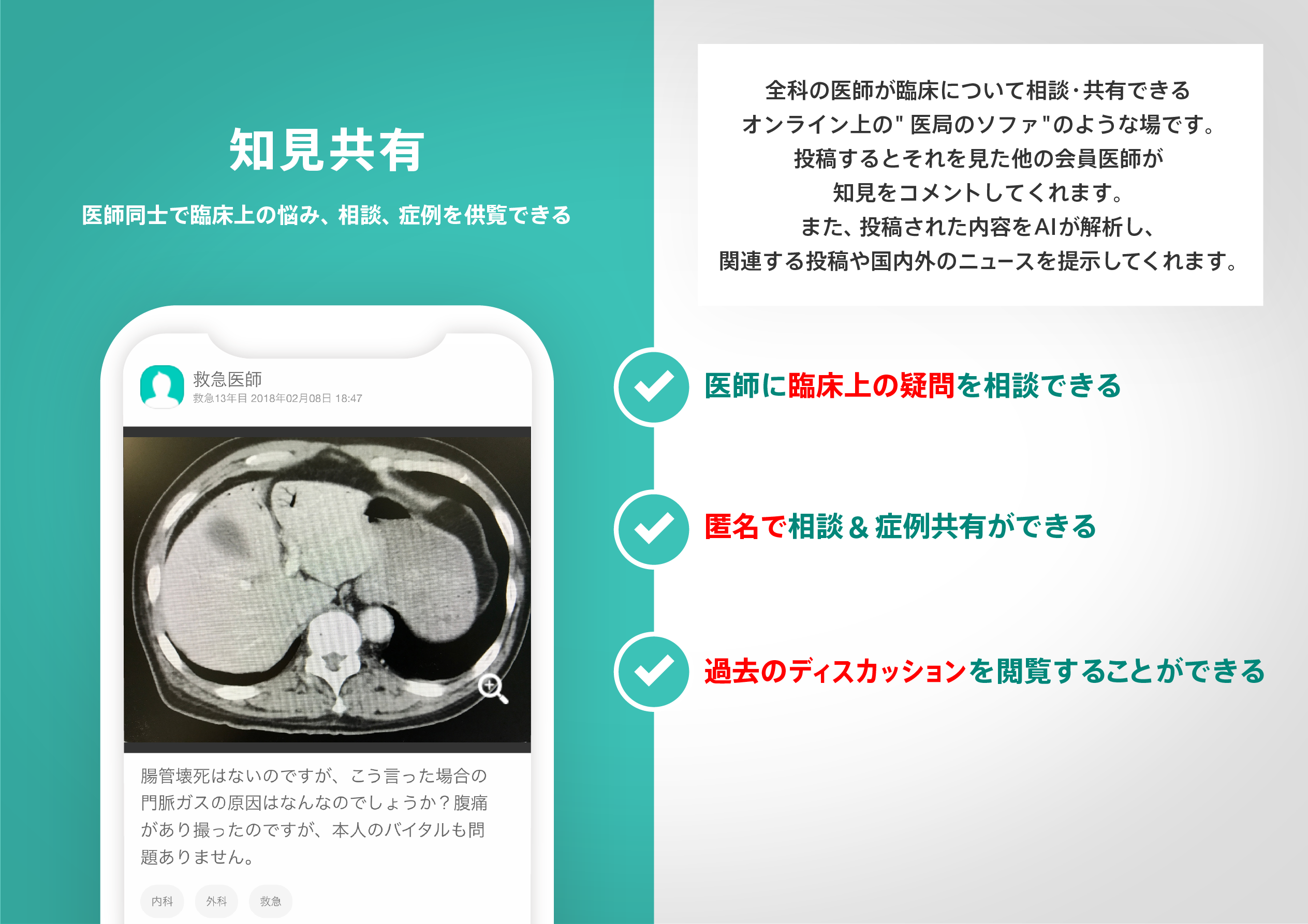
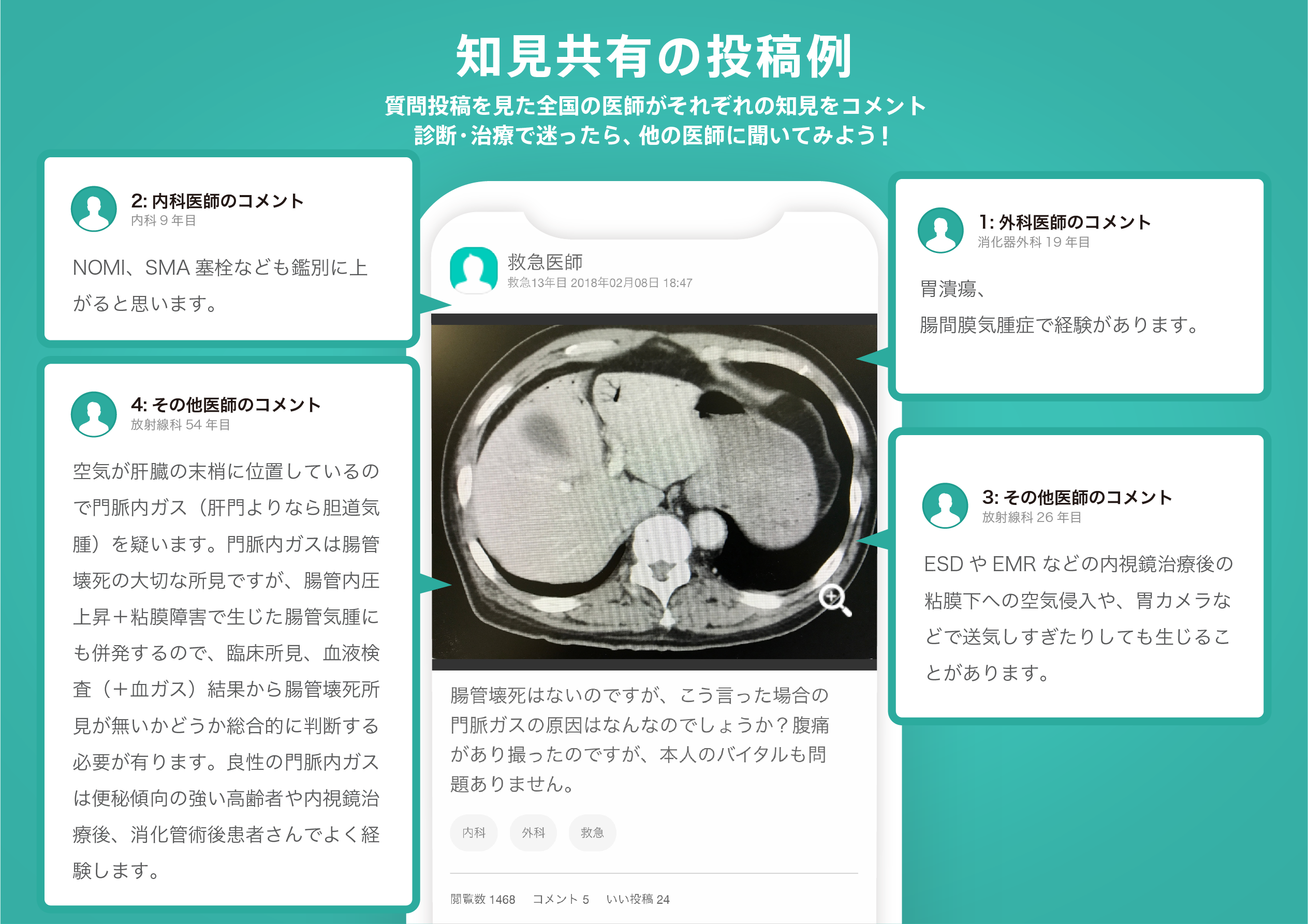
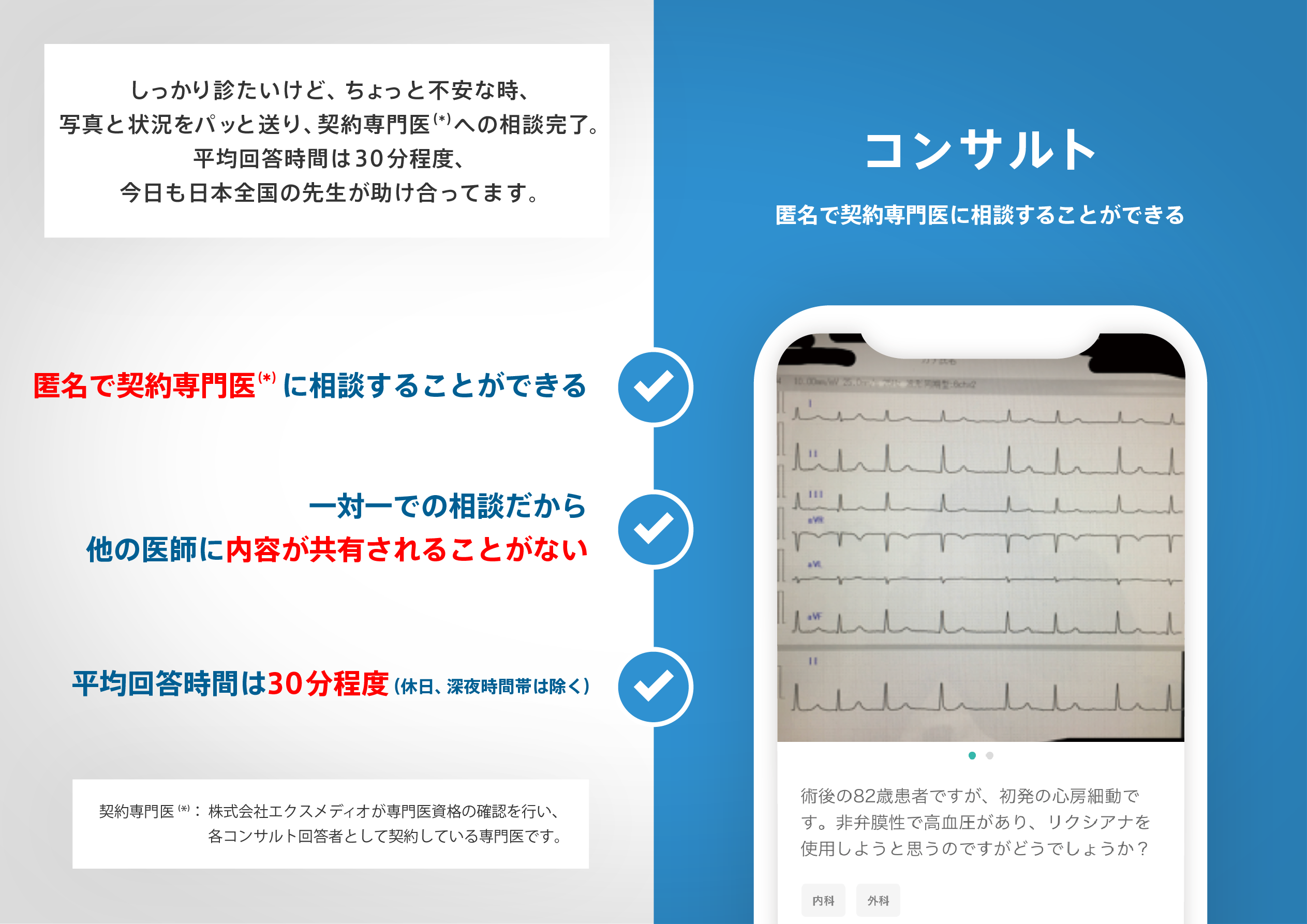
ヒポクラ x マイナビのご紹介

無料会員登録していただくと、さらに便利で効率的な検索が可能になります。