著名医師による解説が無料で読めます
すると翻訳の精度が向上します
目的:心理的苦痛は、特に日本を含む先進国の労働年齢の人々において、非常に重要な健康問題です。この研究では、日本の成人の全国サンプルにおける収入と雇用の取り決めと心理的苦痛とうつ病の治療との関係を調べました。 方法:2007年に健康と福祉の人々の生活条件の包括的な調査から得られた10,959人の男性と11,655人の女性25〜59歳の女性のデータが調査されました。健康の結果は、K6の日本版、主観的な苦情、うつ病の治療によって測定された心理的苦痛でした。説明変数には、婚status状況、雇用の取り決め、および世帯収入が含まれます。複数のロジスティック回帰分析を使用して、健康の結果と説明変数との関係を調べました。 結果:収入の低下と失業率は、心理的苦痛の有病率とうつ病の治療と関連していた。心理的苦痛と収入との関連はしきい値を示しました。最も低い収入の五分位は特に高い有病率を持っていましたが、他の五分位は同様の有病率を持っていました。心理的苦痛のある人のうつ病治療の有病率は、他のすべての所得グループよりも最も高い所得五分位で有意に低く、有病率は失業者の回答者よりも雇用されている方が有意に低かった。 結論:この研究は、心理的苦痛とうつ病治療との低い収入と失業の明確な関係を示しました。社会経済的地位とフルタイムの仕事の高い人は、心理的苦痛にもかかわらず、専門家に相談し、治療を受けることに消極的であることが示唆されています。人口のすべての社会経済的層の心理的苦痛を防ぐためには、包括的なメンタルヘルス介入が必要です。
目的:心理的苦痛は、特に日本を含む先進国の労働年齢の人々において、非常に重要な健康問題です。この研究では、日本の成人の全国サンプルにおける収入と雇用の取り決めと心理的苦痛とうつ病の治療との関係を調べました。 方法:2007年に健康と福祉の人々の生活条件の包括的な調査から得られた10,959人の男性と11,655人の女性25〜59歳の女性のデータが調査されました。健康の結果は、K6の日本版、主観的な苦情、うつ病の治療によって測定された心理的苦痛でした。説明変数には、婚status状況、雇用の取り決め、および世帯収入が含まれます。複数のロジスティック回帰分析を使用して、健康の結果と説明変数との関係を調べました。 結果:収入の低下と失業率は、心理的苦痛の有病率とうつ病の治療と関連していた。心理的苦痛と収入との関連はしきい値を示しました。最も低い収入の五分位は特に高い有病率を持っていましたが、他の五分位は同様の有病率を持っていました。心理的苦痛のある人のうつ病治療の有病率は、他のすべての所得グループよりも最も高い所得五分位で有意に低く、有病率は失業者の回答者よりも雇用されている方が有意に低かった。 結論:この研究は、心理的苦痛とうつ病治療との低い収入と失業の明確な関係を示しました。社会経済的地位とフルタイムの仕事の高い人は、心理的苦痛にもかかわらず、専門家に相談し、治療を受けることに消極的であることが示唆されています。人口のすべての社会経済的層の心理的苦痛を防ぐためには、包括的なメンタルヘルス介入が必要です。
OBJECTIVES: Psychological distress is a health issue of critical importance, especially in people of working age in developed countries, including Japan. This study examined the relationships of income and employment arrangement with psychological distress and treatment of depression in a national sample of Japanese adults. METHODS: Data for 10,959 men and 11,655 women 25-59 years of age, obtained from the Comprehensive Survey of the Living Conditions of People on Health and Welfare in 2007, were examined. Health outcomes were psychological distress measured by the Japanese version of the K6, subjective complaints and medical treatment of depression. Explanatory variables included marital status, employment arrangement, and household income. The relationships between health outcomes and explanatory variables were examined using multiple logistic regression analyses. RESULTS: Lower income and unemployment were associated with a higher prevalence of psychological distress and treatment of depression. The association between psychological distress and income showed a threshold: the lowest income quintile had an especially high prevalence, while other quintiles had similar prevalences. The prevalence of depression treatment in those with psychological distress was significantly lower in the highest income quintile than in all the other income groups, and the prevalence was also significantly lower in employed than in unemployed respondents. CONCLUSIONS: This study showed clear relationships of lower income and unemployment with psychological distress and depression treatment. It has been suggested that people with higher socioeconomic status and full-time work may be reluctant to consult professionals and receive medical treatment, despite their psychological distress. Comprehensive mental health interventions are required to prevent psychological distress in all socioeconomic strata of the population.
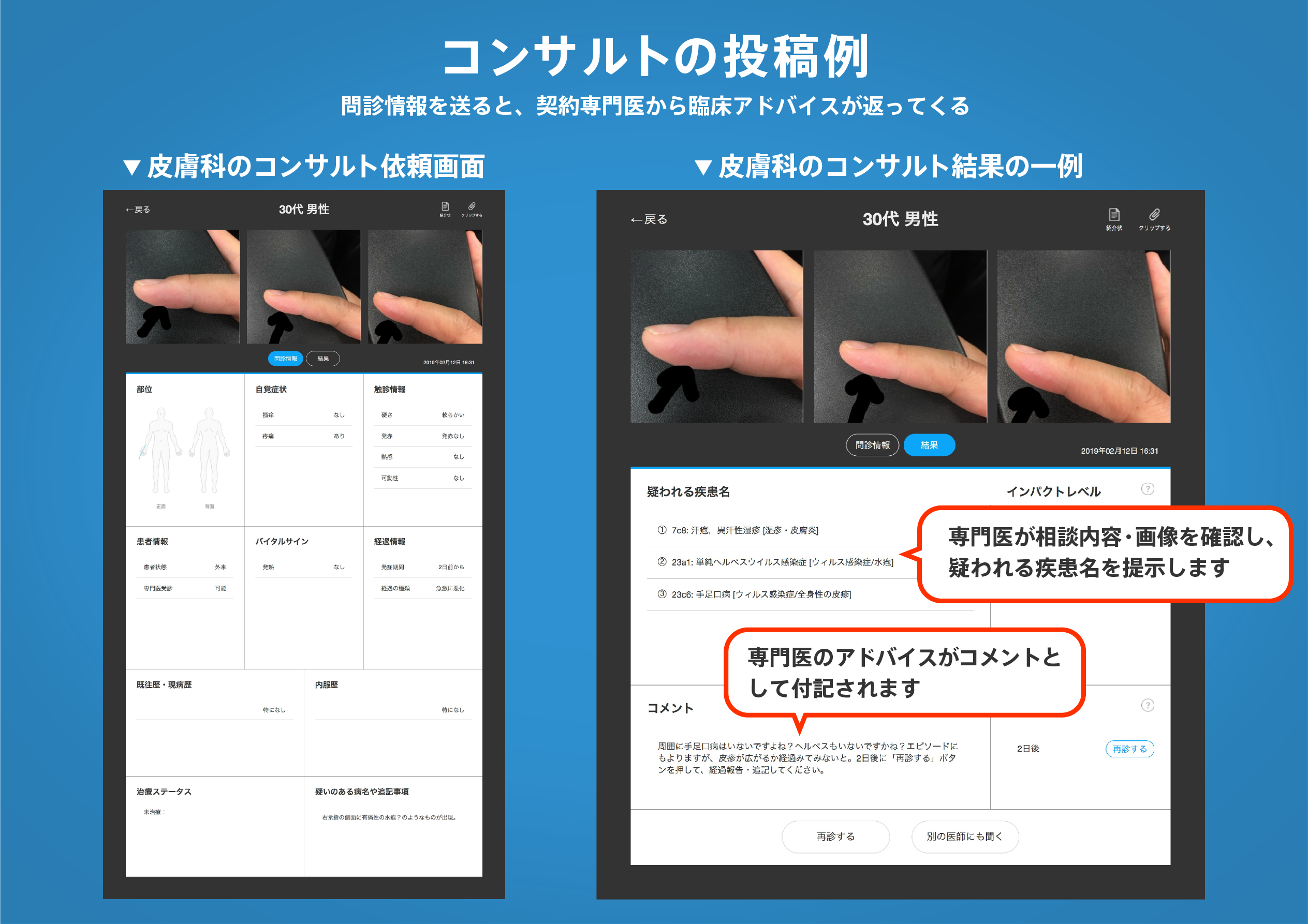
医師のための臨床サポートサービス
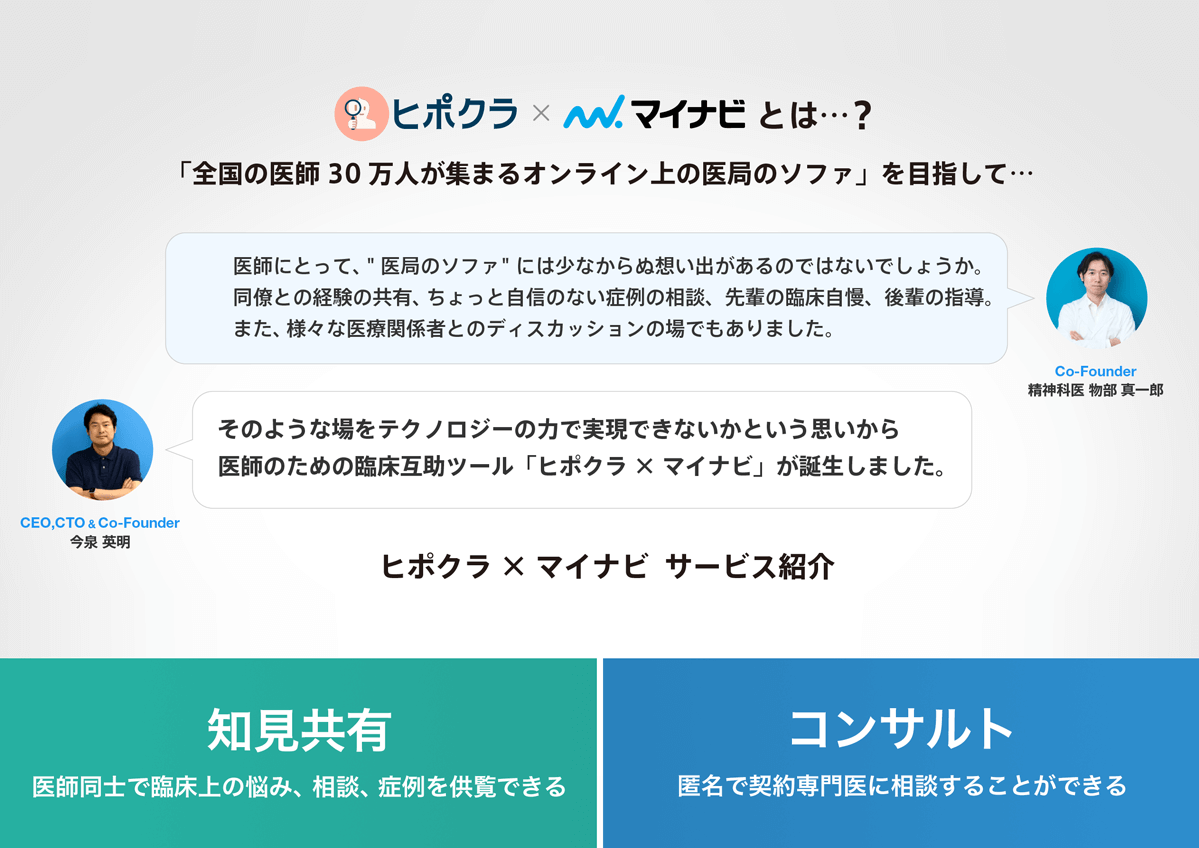
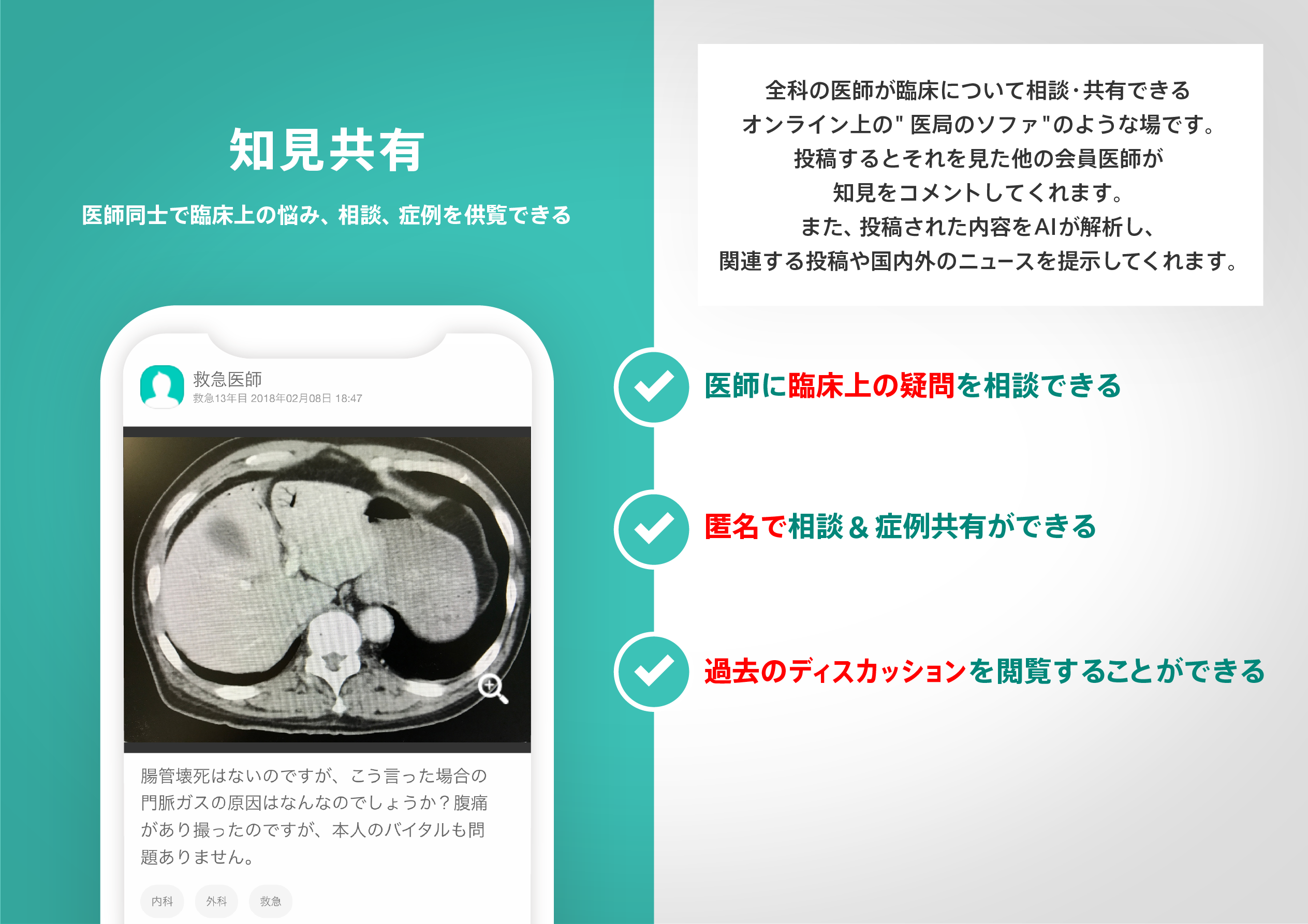
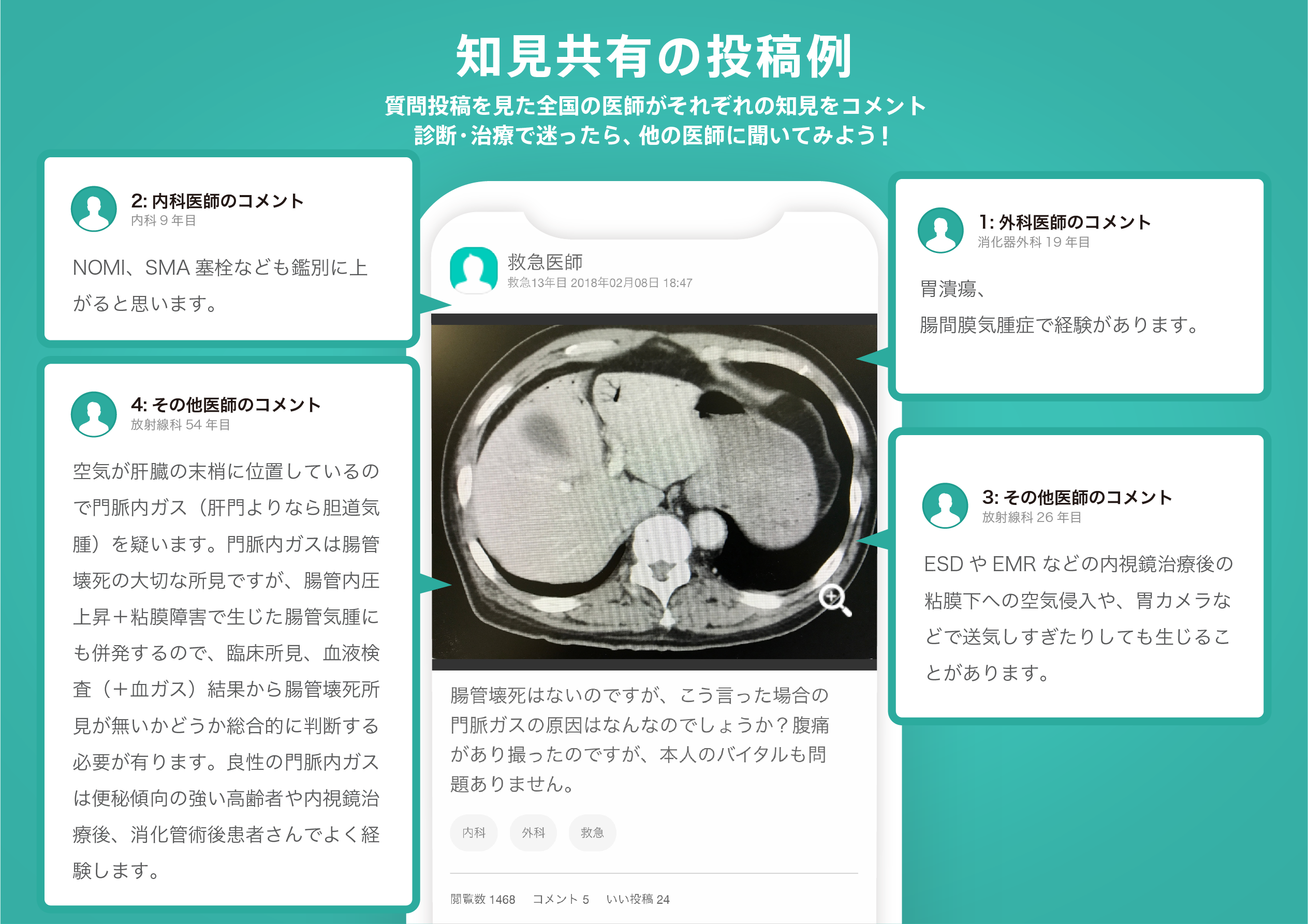
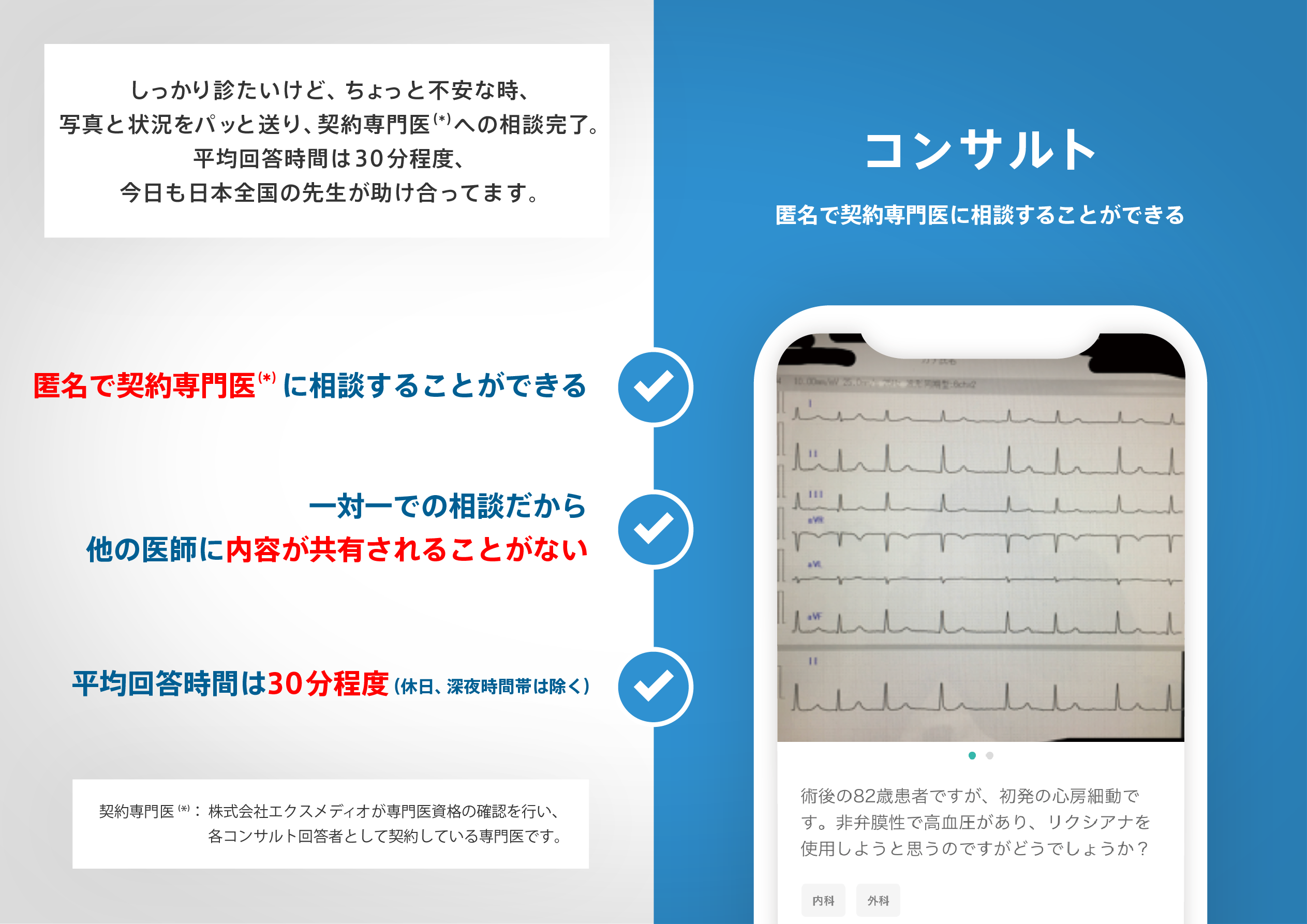
ヒポクラ x マイナビのご紹介

無料会員登録していただくと、さらに便利で効率的な検索が可能になります。