著名医師による解説が無料で読めます
すると翻訳の精度が向上します
目的:卵巣嚢胞は、子宮内の女性で最も頻繁に遭遇する腹腔内腫瘤です。彼らは、時には周産期の介入を必要とするかもしれません。出生前診断における超音波検査(US)の補助として磁気共鳴イメージング(MRI)を使用して、出生前MRIの卵巣嚢胞を視覚化する能力を実証しようとしました。 材料と方法:このレトロスペクティブ研究には、疑わしい米国の調査結果の後、卵巣嚢胞のMRI診断を受けた16の女性胎児(23〜37の妊娠週)からの17の胎児MRIスキャンが含まれていました。多面的なMRIプロトコルが画像に適用され、嚢胞の特性評価に適用されました。米国とMRIの所見を比較し、出生前の所見を出生後の画像所見または組織病理学と比較しました。 結果:単純な卵巣嚢胞は、10/16症例で発見され、7/16症例では複雑な嚢胞が見つかりました。11/16(69%)の症例では、米国とMRIの診断が一致し、5/16(31%)の症例では、MRIは米国の診断を指定または拡大しました。6/16の症例では、出生後の米国は、嚢胞のサイズが自発的に分解または減少することを示し、1/16の症例では出生後のイメージングが出血性嚢胞を確認しました。4/16の症例では、出生前診断は手術/組織病理学によって確認され、残りについては出生後の相関は利用できませんでした。 結論:我々の結果は、子宮内の卵巣嚢胞のMRI視覚化を示しています。ほとんどの場合、MRIは米国の診断を確認します。特定のケースでは、MRIは、診断、監視、治療計画の標準的な手法である、私たちに追加のさらなる診断情報を提供する場合があります。
目的:卵巣嚢胞は、子宮内の女性で最も頻繁に遭遇する腹腔内腫瘤です。彼らは、時には周産期の介入を必要とするかもしれません。出生前診断における超音波検査(US)の補助として磁気共鳴イメージング(MRI)を使用して、出生前MRIの卵巣嚢胞を視覚化する能力を実証しようとしました。 材料と方法:このレトロスペクティブ研究には、疑わしい米国の調査結果の後、卵巣嚢胞のMRI診断を受けた16の女性胎児(23〜37の妊娠週)からの17の胎児MRIスキャンが含まれていました。多面的なMRIプロトコルが画像に適用され、嚢胞の特性評価に適用されました。米国とMRIの所見を比較し、出生前の所見を出生後の画像所見または組織病理学と比較しました。 結果:単純な卵巣嚢胞は、10/16症例で発見され、7/16症例では複雑な嚢胞が見つかりました。11/16(69%)の症例では、米国とMRIの診断が一致し、5/16(31%)の症例では、MRIは米国の診断を指定または拡大しました。6/16の症例では、出生後の米国は、嚢胞のサイズが自発的に分解または減少することを示し、1/16の症例では出生後のイメージングが出血性嚢胞を確認しました。4/16の症例では、出生前診断は手術/組織病理学によって確認され、残りについては出生後の相関は利用できませんでした。 結論:我々の結果は、子宮内の卵巣嚢胞のMRI視覚化を示しています。ほとんどの場合、MRIは米国の診断を確認します。特定のケースでは、MRIは、診断、監視、治療計画の標準的な手法である、私たちに追加のさらなる診断情報を提供する場合があります。
OBJECTIVE: Ovarian cysts are the most frequently encountered intra-abdominal masses in females in utero. They may, at times, require perinatal intervention. Using magnetic resonance imaging (MRI) as an adjunct to ultrasonography (US) in prenatal diagnosis, we sought to demonstrate the ability to visualize ovarian cysts on prenatal MRI. MATERIALS AND METHODS: This retrospective study included 17 fetal MRI scans from 16 female fetuses (23-37 gestational weeks) with an MRI diagnosis of ovarian cysts after suspicious US findings. A multiplanar MRI protocol was applied to image and to characterize the cysts. The US and MRI findings were compared, and the prenatal findings were compared with postnatal imaging findings or histopathology. RESULTS: Simple ovarian cysts were found in 10/16 cases and complex cysts in 7/16 cases, including one case with both. In 11/16 (69%) cases, US and MRI diagnoses were in agreement, and, in 5/16 (31%) cases, MRI specified or expanded the US diagnosis. In 6/16 cases, postnatal US showed that the cysts spontaneously resolved or decreased in size, and in 1/16 cases, postnatal imaging confirmed a hemorrhagic cyst. In 4/16 cases, the prenatal diagnoses were confirmed by surgery/histopathology, and for the rest, postnatal correlation was not available. CONCLUSION: Our results illustrate the MRI visualization of ovarian cysts in utero. In most cases, MRI will confirm the US diagnosis. In certain cases, MRI may provide further diagnostic information, additional to US, which is the standard technique for diagnosis, monitoring, and treatment planning.
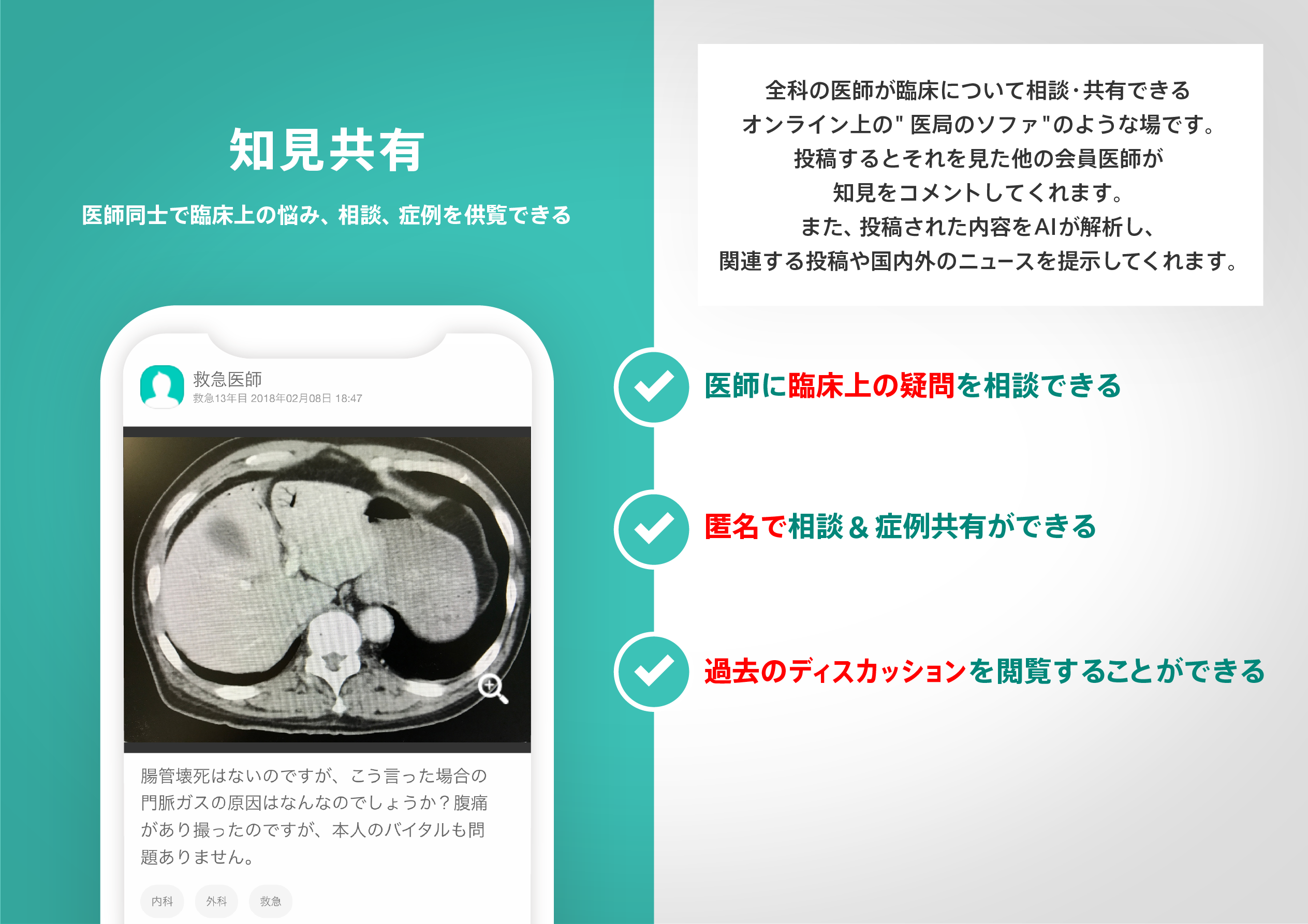
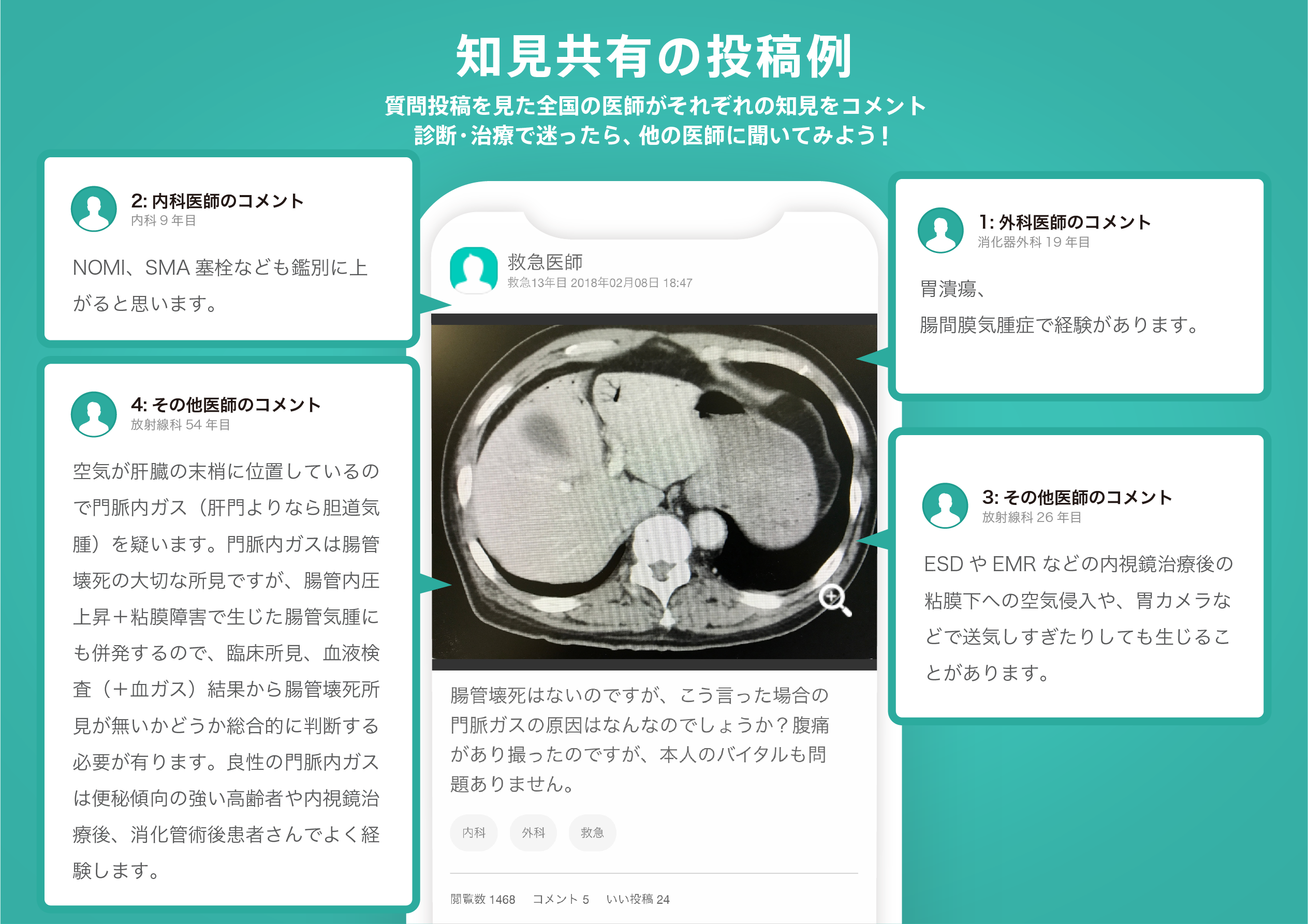
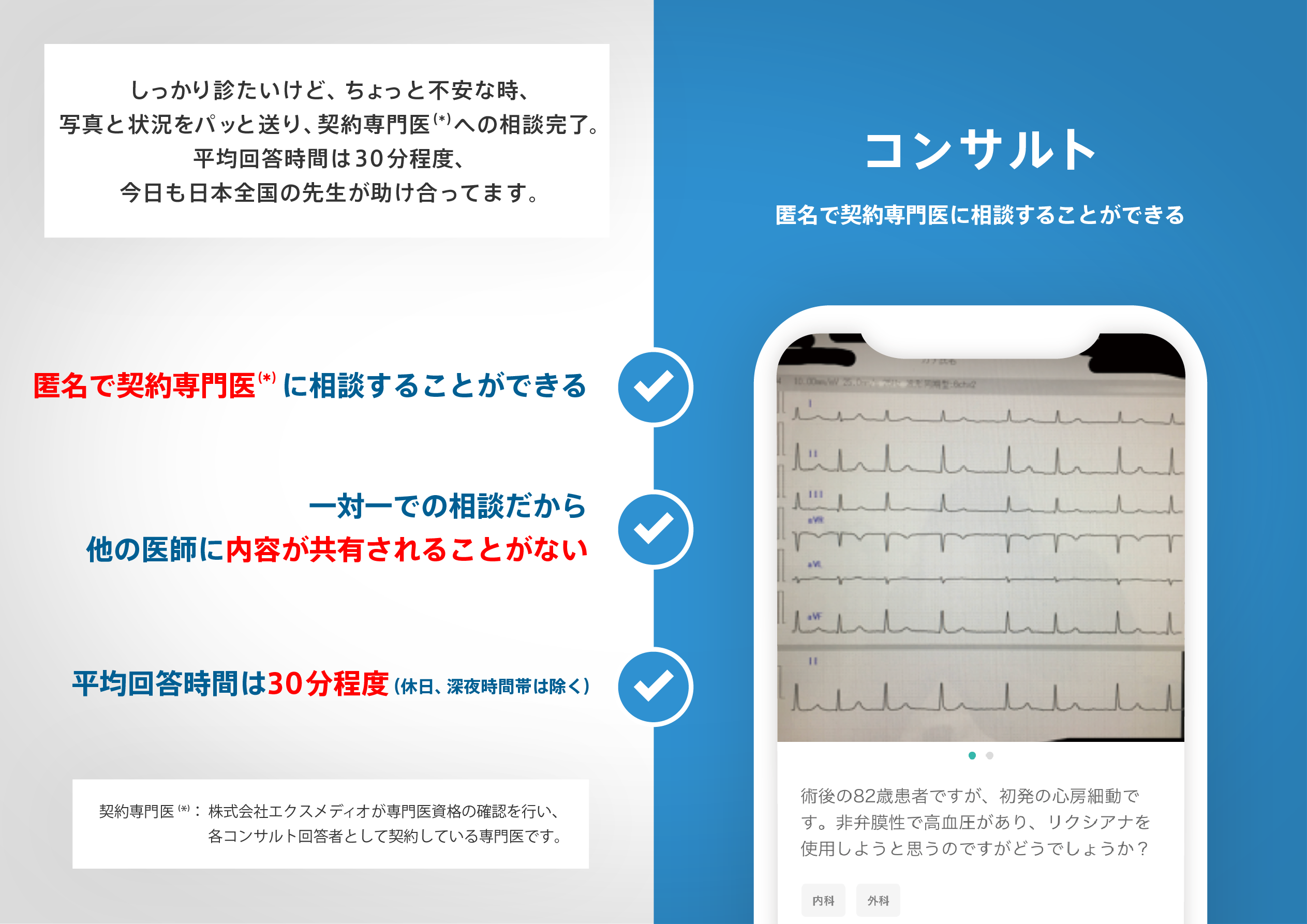
医師のための臨床サポートサービス
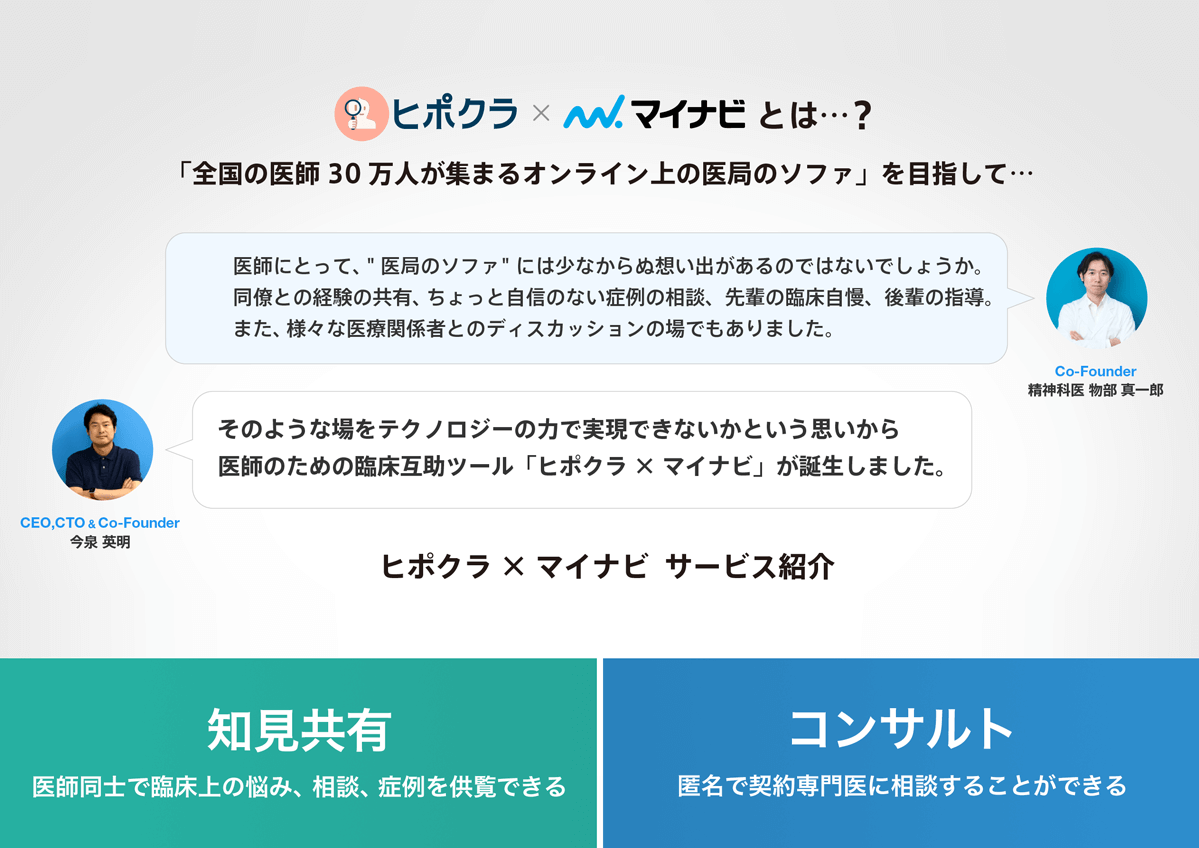
ヒポクラ x マイナビのご紹介

無料会員登録していただくと、さらに便利で効率的な検索が可能になります。