著名医師による解説が無料で読めます
すると翻訳の精度が向上します
背景:クラスターランダム化比較試験(CRCT)は、医療サービスの評価で頻繁に使用されます。平均クラスターサイズを仮定すると、設計効果またはインフレ因子を推定することにより、バイナリと連続の両方の結果に対して必要なサンプルサイズが容易に計算されます。ただし、クラスターの数が事前に固定されているが、各クラスター内の個人の数を増やすことができる場合、医療サービスの評価で頻繁にそうであるように、サンプルサイズの式はあまり研究されていません。 方法:固定数のクラスターを持つCRCTのサンプルサイズ式(必要な数のランダム化ユニット、検出可能な差、およびパワーを含む)を体系的に概説し、バイナリと連続結果の両方の簡潔な要約を提供します。不均等なクラスターサイズの場合の拡張が提供されます。 結果:固定数の等しいサイズのクラスター(k)を使用した試験では、クラスターの数が個々のランダム化(NI)の下で必要な個人の数と推定クラスター内相関の積よりも大きい場合、試験は実行可能になります。(ρ)。したがって、簡単なルールは、クラスターの数(k)の数が十分に提供されることです:[テキストの式]。そうでない場合、調査員は、事前に指定された違いを検出するための利用可能な最大電力、または電力の事前に指定された値の下での最小検出可能な差を決定できます。 結論:固定数のクラスターでCRCTを設計することは、各クラスターに何人の個人が含まれているかに関係なく、研究が実行可能ではないことを意味する場合があり、最小検出可能な差(または最大達成可能なパワー)の概念につながります。
背景:クラスターランダム化比較試験(CRCT)は、医療サービスの評価で頻繁に使用されます。平均クラスターサイズを仮定すると、設計効果またはインフレ因子を推定することにより、バイナリと連続の両方の結果に対して必要なサンプルサイズが容易に計算されます。ただし、クラスターの数が事前に固定されているが、各クラスター内の個人の数を増やすことができる場合、医療サービスの評価で頻繁にそうであるように、サンプルサイズの式はあまり研究されていません。 方法:固定数のクラスターを持つCRCTのサンプルサイズ式(必要な数のランダム化ユニット、検出可能な差、およびパワーを含む)を体系的に概説し、バイナリと連続結果の両方の簡潔な要約を提供します。不均等なクラスターサイズの場合の拡張が提供されます。 結果:固定数の等しいサイズのクラスター(k)を使用した試験では、クラスターの数が個々のランダム化(NI)の下で必要な個人の数と推定クラスター内相関の積よりも大きい場合、試験は実行可能になります。(ρ)。したがって、簡単なルールは、クラスターの数(k)の数が十分に提供されることです:[テキストの式]。そうでない場合、調査員は、事前に指定された違いを検出するための利用可能な最大電力、または電力の事前に指定された値の下での最小検出可能な差を決定できます。 結論:固定数のクラスターでCRCTを設計することは、各クラスターに何人の個人が含まれているかに関係なく、研究が実行可能ではないことを意味する場合があり、最小検出可能な差(または最大達成可能なパワー)の概念につながります。
BACKGROUND: Cluster randomised controlled trials (CRCTs) are frequently used in health service evaluation. Assuming an average cluster size, required sample sizes are readily computed for both binary and continuous outcomes, by estimating a design effect or inflation factor. However, where the number of clusters are fixed in advance, but where it is possible to increase the number of individuals within each cluster, as is frequently the case in health service evaluation, sample size formulae have been less well studied. METHODS: We systematically outline sample size formulae (including required number of randomisation units, detectable difference and power) for CRCTs with a fixed number of clusters, to provide a concise summary for both binary and continuous outcomes. Extensions to the case of unequal cluster sizes are provided. RESULTS: For trials with a fixed number of equal sized clusters (k), the trial will be feasible provided the number of clusters is greater than the product of the number of individuals required under individual randomisation (nI) and the estimated intra-cluster correlation (ρ). So, a simple rule is that the number of clusters (k) will be sufficient provided: [formula in text]. Where this is not the case, investigators can determine the maximum available power to detect the pre-specified difference, or the minimum detectable difference under the pre-specified value for power. CONCLUSIONS: Designing a CRCT with a fixed number of clusters might mean that the study will not be feasible, leading to the notion of a minimum detectable difference (or a maximum achievable power), irrespective of how many individuals are included within each cluster.
医師のための臨床サポートサービス
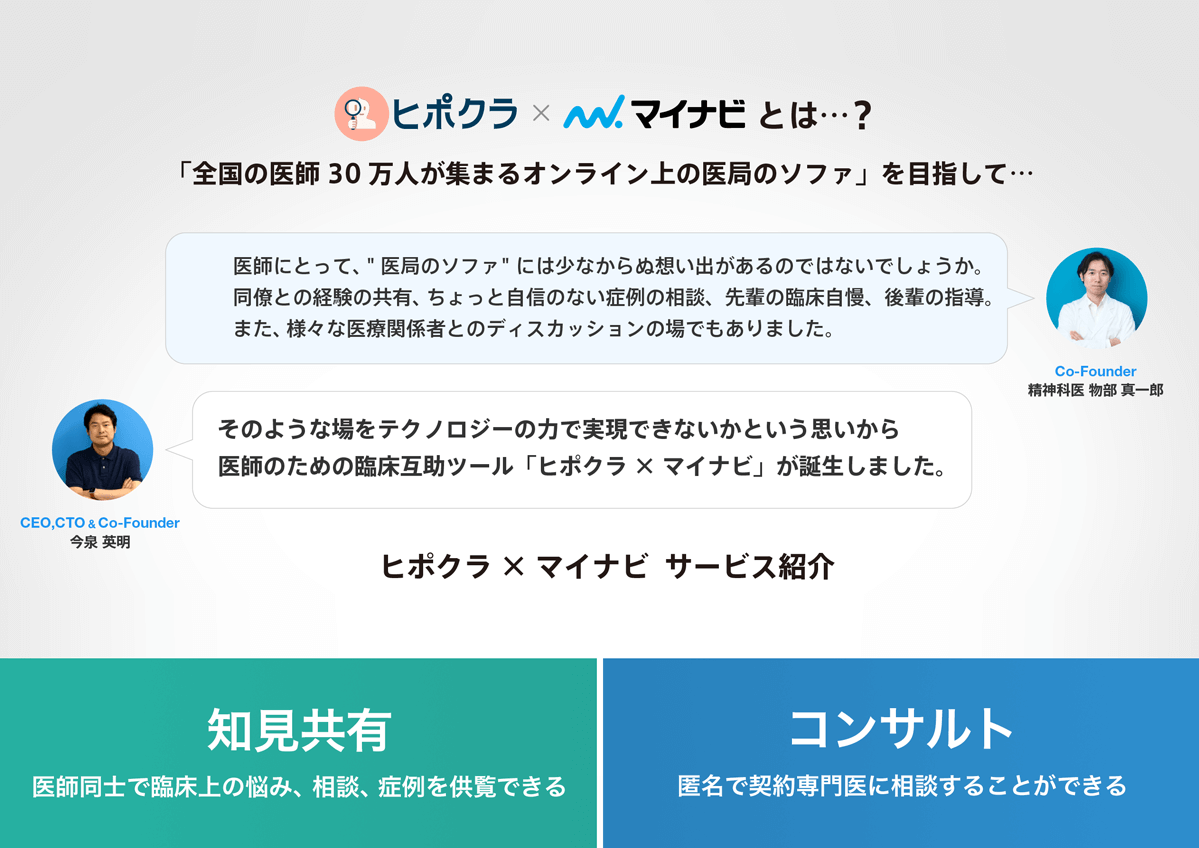
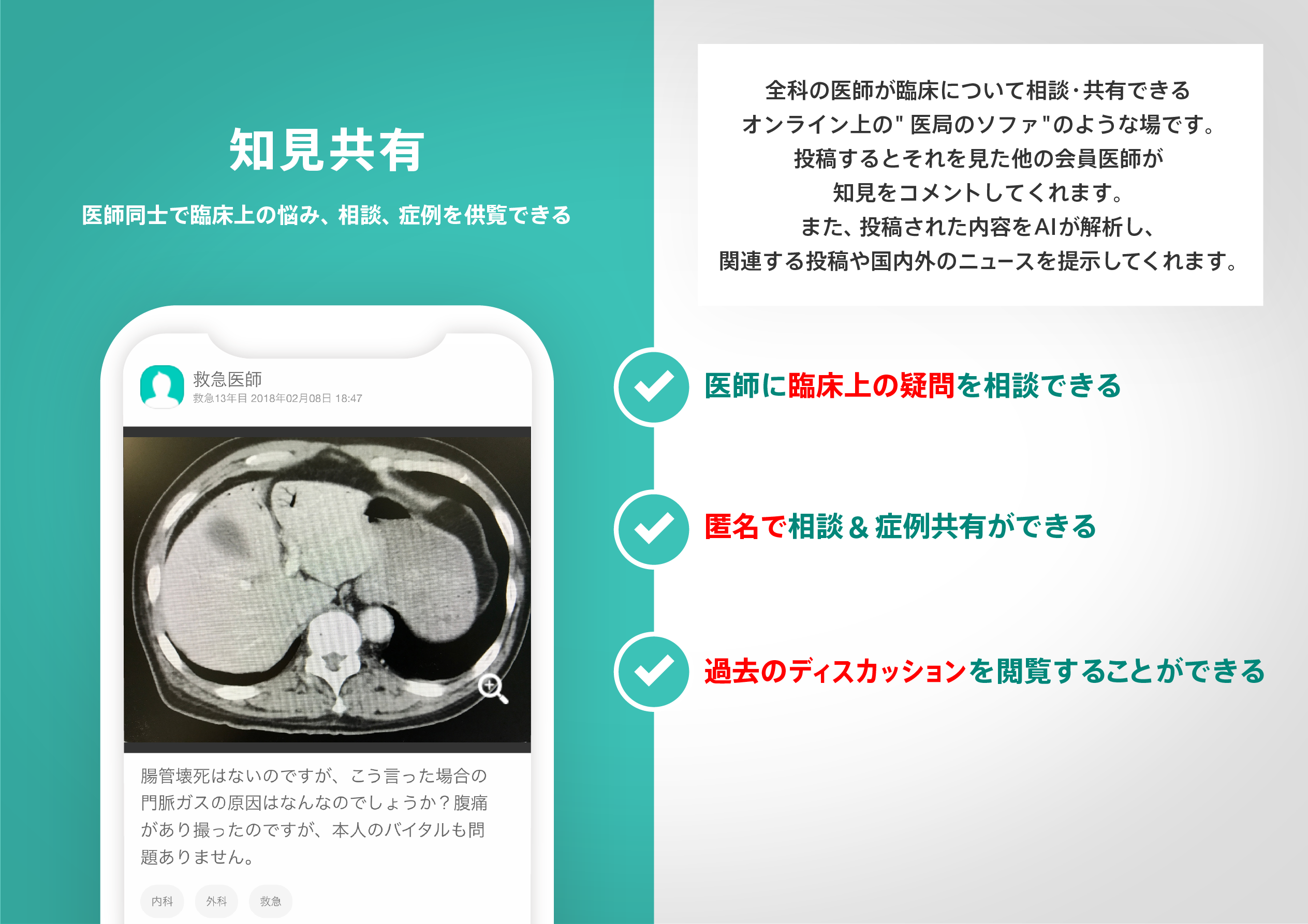
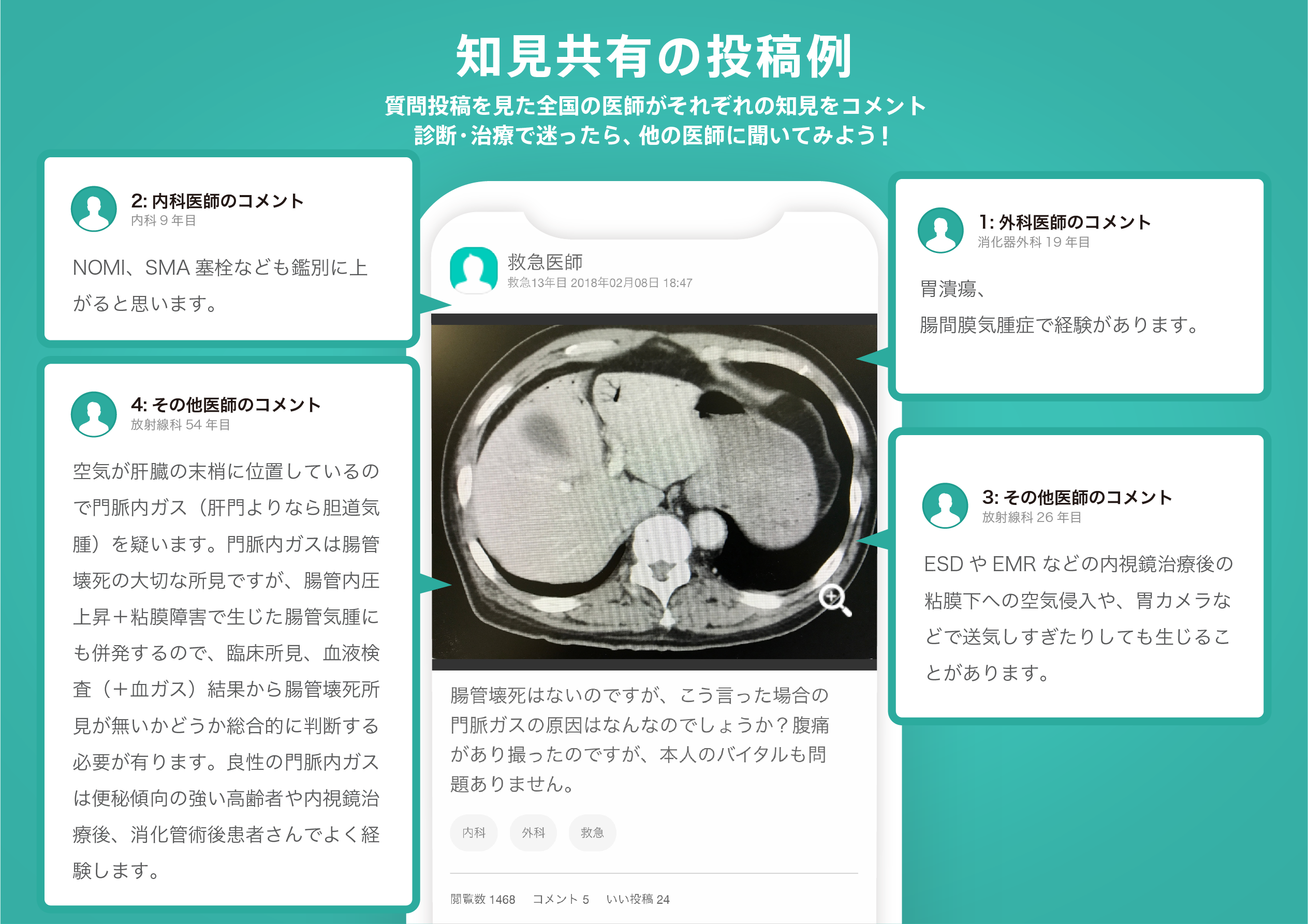
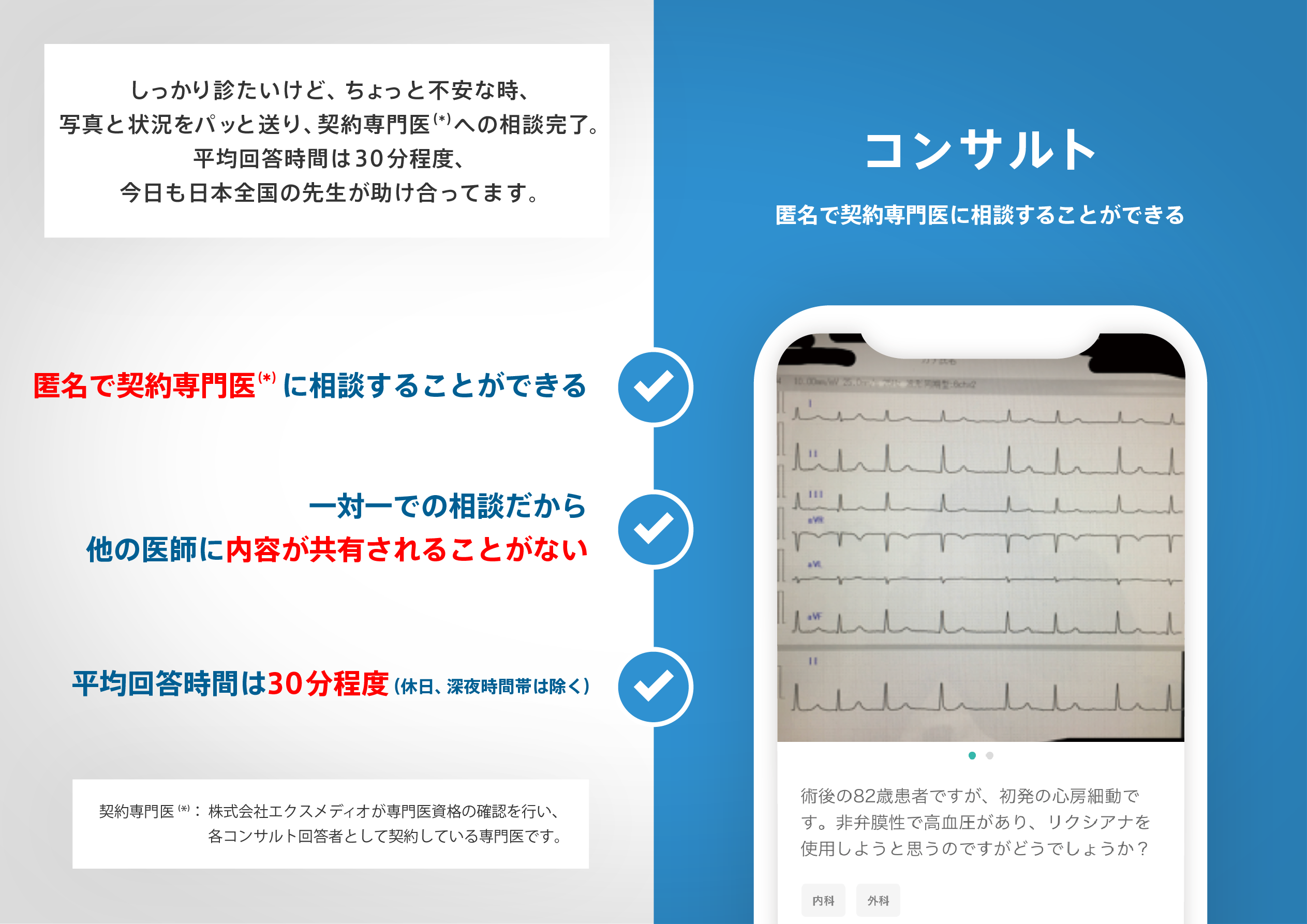
ヒポクラ x マイナビのご紹介

無料会員登録していただくと、さらに便利で効率的な検索が可能になります。