著名医師による解説が無料で読めます
すると翻訳の精度が向上します
目的:低磁場の四肢別化されたMRIによる手足のソフト組織または関節における痛風トピのMRIの特徴を説明する。 方法:9人の連続した患者、8m/1W、慢性上部痛風の影響を受けました。平均患者の年齢は71.3±11.5歳、平均疾患期間98.1±44.9ヶ月、平均血清尿酸濃度9.2±2.8 mg/Lでした。診断は、痛風のACR分類基準と、トピHIおよび滑液中のMSU結晶の識別に基づいていました。Tophiが関与する共同領域について、四肢を専門化したシステムを備えた従来の放射線図とMRIが取得されました。 結果:T1加重MRI画像では、すべてのTophiが筋肉の均質な中間信号強度を示しました。逆に、T2加重画像では、広範囲の信号強度パターンが観察されました。コントラストの強化のパターンは、強烈な均質から末梢および不均一なものまでさまざまでした。カプセロ溶媒構造は、しばしば肥厚し、変性され、時には、トプフスの文脈で不均一で低強力なリボン型の要素として認識されることがありました。わずか2つのケースで、腱は上部の物質に浸透しました。骨髄の浮腫(BME)と侵食は、トプヒに隣接する10個の骨のうち8個で見られました。 結論:四肢を専門化したマシンを使用した痛風TophiのMRI外観は、全身マシンを使用した文献で説明されているものと似ています。Tophusに隣接するBMEは頻繁に発見されました。この手法は、結節の鑑別診断と病気の追跡に時折役立つ可能性があります。また、痛風の病因を調査し、その臨床進行をよりよく理解するための有用なツールを表しています。
目的:低磁場の四肢別化されたMRIによる手足のソフト組織または関節における痛風トピのMRIの特徴を説明する。 方法:9人の連続した患者、8m/1W、慢性上部痛風の影響を受けました。平均患者の年齢は71.3±11.5歳、平均疾患期間98.1±44.9ヶ月、平均血清尿酸濃度9.2±2.8 mg/Lでした。診断は、痛風のACR分類基準と、トピHIおよび滑液中のMSU結晶の識別に基づいていました。Tophiが関与する共同領域について、四肢を専門化したシステムを備えた従来の放射線図とMRIが取得されました。 結果:T1加重MRI画像では、すべてのTophiが筋肉の均質な中間信号強度を示しました。逆に、T2加重画像では、広範囲の信号強度パターンが観察されました。コントラストの強化のパターンは、強烈な均質から末梢および不均一なものまでさまざまでした。カプセロ溶媒構造は、しばしば肥厚し、変性され、時には、トプフスの文脈で不均一で低強力なリボン型の要素として認識されることがありました。わずか2つのケースで、腱は上部の物質に浸透しました。骨髄の浮腫(BME)と侵食は、トプヒに隣接する10個の骨のうち8個で見られました。 結論:四肢を専門化したマシンを使用した痛風TophiのMRI外観は、全身マシンを使用した文献で説明されているものと似ています。Tophusに隣接するBMEは頻繁に発見されました。この手法は、結節の鑑別診断と病気の追跡に時折役立つ可能性があります。また、痛風の病因を調査し、その臨床進行をよりよく理解するための有用なツールを表しています。
OBJECTIVES: To describe the MRI features of gout tophi in the soft-tissues or joints of the limbs by low-field extremity-dedicated MRI. METHODS: Nine consecutive patients, 8M/1W, affected by chronic tophaceous gout were studied. Mean patients' age was 71.3±11.5 years, mean disease duration 98.1±44.9 months, and mean serum uric acid concentration 9.2±2.8 mg/L. Diagnosis was based on the ACR classification criteria for gout, and by identification of MSU crystals in the tophi and synovial fluid. Conventional radiograms and MRI with an extremity-dedicated system were obtained of the joint areas involved by tophi. RESULTS: At T1 weighted MRI images, all tophi showed a homogeneous intermediate signal intensity, similar to that of muscle. Conversely, in T2 weighted images, a wide spectrum of signal intensity patterns was observed. The pattern of contrast enhancement was variable from intense homogeneous to peripheral and heterogeneous. Capsulo-ligamentous structures were often thickened and degenerated and, on occasion, could be recognised as inhomogeneous, hypointense ribbon-shaped elements in the context of the tophus. In only two cases, tendons were infiltrated by tophaceous matter. Bone marrow oedema (BME) and erosions were seen in 8 out of 10 bones adjacent to tophi. CONCLUSIONS: The MRI appearance of gout tophi using an extremity-dedicated machine is similar to that described in the literature using whole body machines. BME adjacent to the tophus was a frequent finding. This technique may occasionally help in the differential diagnosis of nodules and in the follow-up of the disease. It also represents a useful tool to investigate the pathogenesis of gout and to better understand its clinical progression.
医師のための臨床サポートサービス
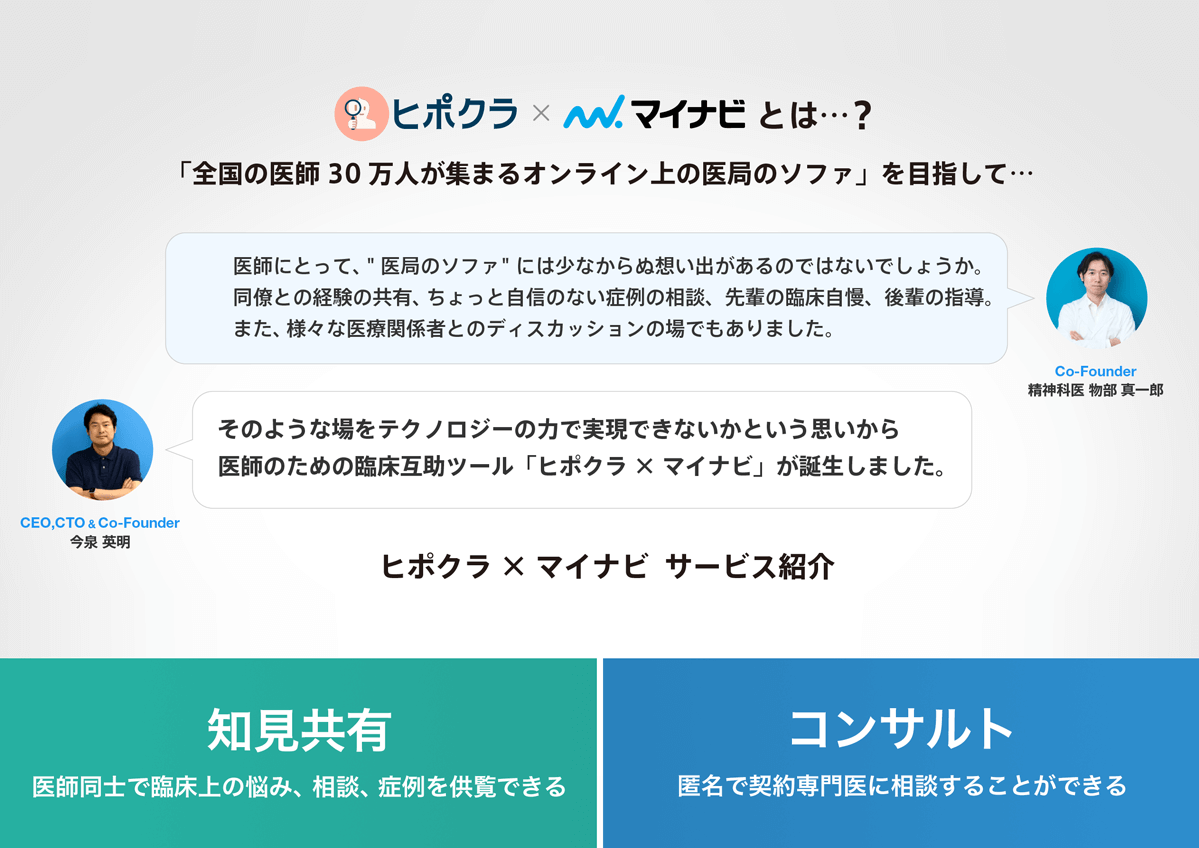
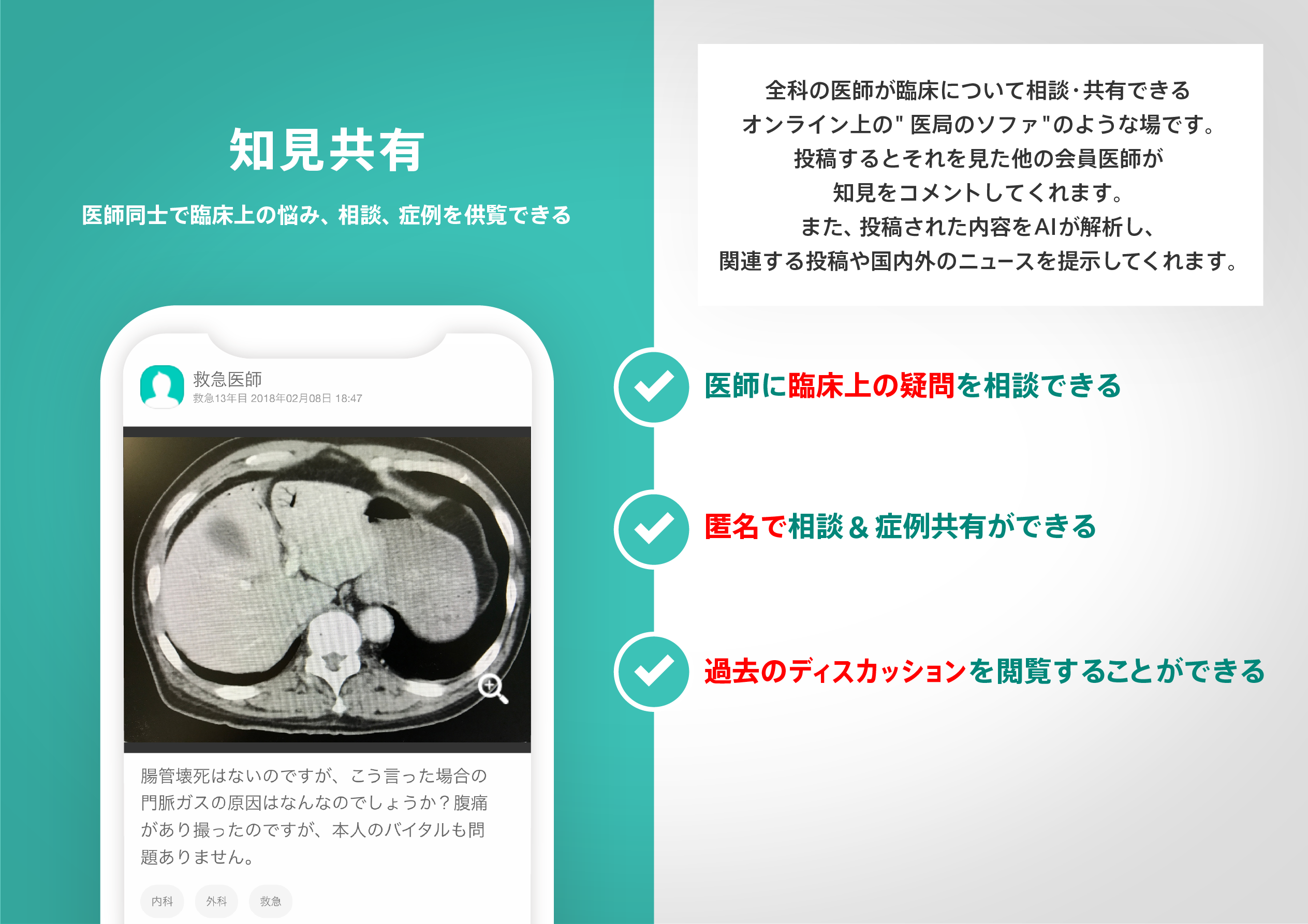
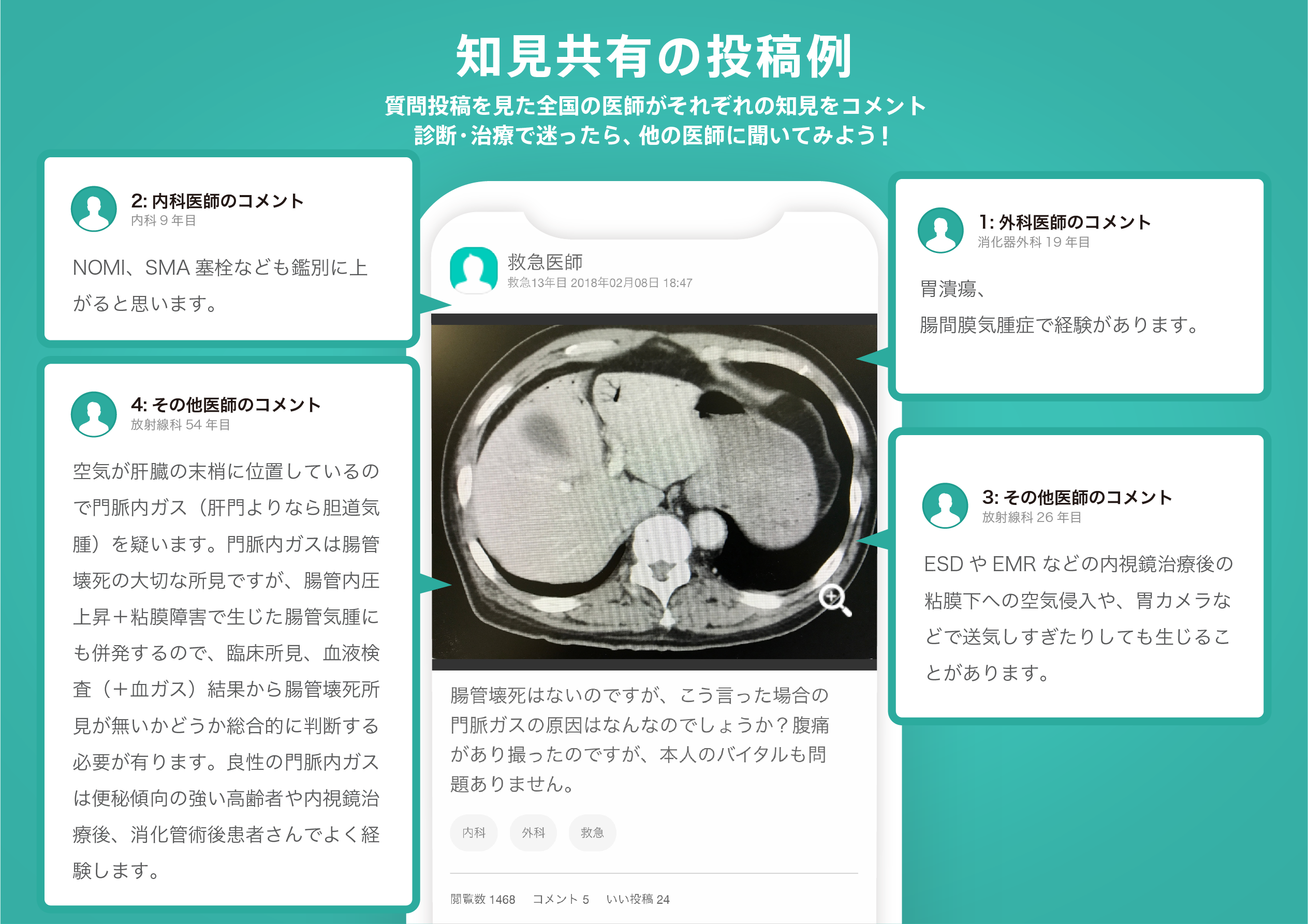
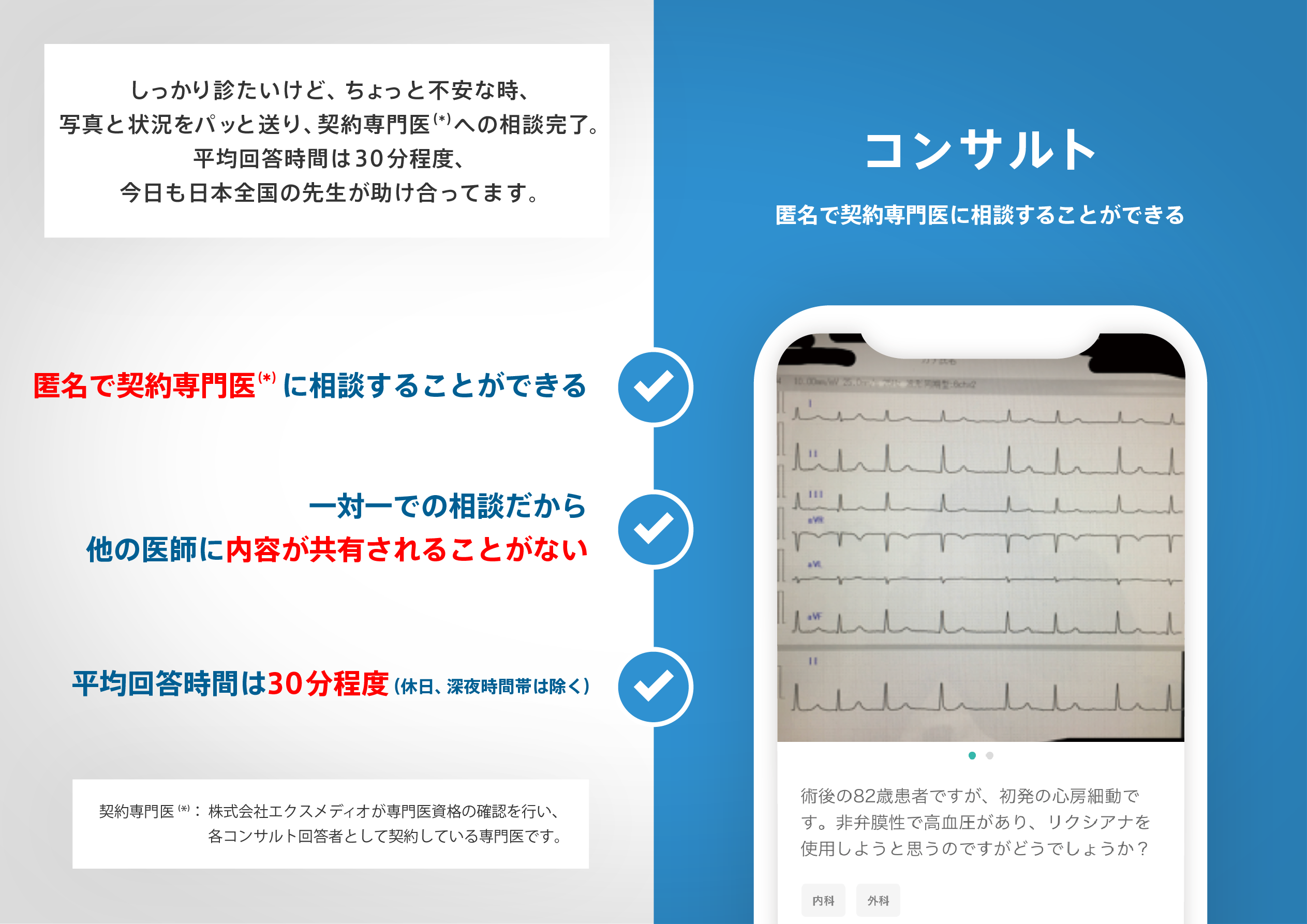
ヒポクラ x マイナビのご紹介

無料会員登録していただくと、さらに便利で効率的な検索が可能になります。