著名医師による解説が無料で読めます
すると翻訳の精度が向上します
真菌感染症の頻度は増加しています。アムホテリシンBは、ほとんどの全身感染症に最適な抗真菌薬のままですが、その使用の制限要因は腎毒性の発達です。アムホテリシンB誘発性腎毒性は、低カリウム血症やナトリウムやマグネシウムの消耗などのアゾテア血症、腎尿細管アシドーシス、腎濃縮能力の障害、電解質異常として現れます。これらのすべての異常は、薬を投与されているほぼすべての患者でさまざまな程度で発生します。治療の撤退時に腎機能は徐々にベースラインに戻りますが、場合によっては、特に累積用量が5gを超える場合、永続的な損傷が維持されます。塩の枯渇は、腎毒性の発達を促進します。腎毒性のメカニズムには、透過性を高めるための直接的な細胞膜作用、ならびに腎内メカニズムの活性化(尿細管網のフィードバック)および/またはメディエーターの放出(Thromboxane A2)に続発する間接効果が含まれます。後者の効果は、おそらく、いくつかの生理学的および薬理学的介入によって阻害される反応、腎血流とろ過率の観察された急性減少の原因と思われます。細胞内カルシウムレベルの変化は、観察された効果にも寄与する可能性があります。臨床状況、およびラットの腎毒性の長期モデルでは、塩分負荷は腎機能の劣化から保護します。塩負荷によるアンホテリシンB療法の最適化に関する推奨事項が作成されています。リポソームアムホテリシンBなどの薬物の新しい製剤も、抗真菌活性を維持しながら腎毒性を最小限に抑えるのに役立つ可能性がありますが、腎機能に対する保護効果を確認または拒否するために、塩分負荷とリポソームアンホテリシンBの両方でさらなる研究が必要です。
真菌感染症の頻度は増加しています。アムホテリシンBは、ほとんどの全身感染症に最適な抗真菌薬のままですが、その使用の制限要因は腎毒性の発達です。アムホテリシンB誘発性腎毒性は、低カリウム血症やナトリウムやマグネシウムの消耗などのアゾテア血症、腎尿細管アシドーシス、腎濃縮能力の障害、電解質異常として現れます。これらのすべての異常は、薬を投与されているほぼすべての患者でさまざまな程度で発生します。治療の撤退時に腎機能は徐々にベースラインに戻りますが、場合によっては、特に累積用量が5gを超える場合、永続的な損傷が維持されます。塩の枯渇は、腎毒性の発達を促進します。腎毒性のメカニズムには、透過性を高めるための直接的な細胞膜作用、ならびに腎内メカニズムの活性化(尿細管網のフィードバック)および/またはメディエーターの放出(Thromboxane A2)に続発する間接効果が含まれます。後者の効果は、おそらく、いくつかの生理学的および薬理学的介入によって阻害される反応、腎血流とろ過率の観察された急性減少の原因と思われます。細胞内カルシウムレベルの変化は、観察された効果にも寄与する可能性があります。臨床状況、およびラットの腎毒性の長期モデルでは、塩分負荷は腎機能の劣化から保護します。塩負荷によるアンホテリシンB療法の最適化に関する推奨事項が作成されています。リポソームアムホテリシンBなどの薬物の新しい製剤も、抗真菌活性を維持しながら腎毒性を最小限に抑えるのに役立つ可能性がありますが、腎機能に対する保護効果を確認または拒否するために、塩分負荷とリポソームアンホテリシンBの両方でさらなる研究が必要です。
The frequency of fungal infections is increasing. Amphotericin B remains the anti-fungal drug of choice for most systemic infections, but a limiting factor for its use is the development of nephrotoxicity. Amphotericin B-induced nephrotoxicity is manifested as azotaemia, renal tubular acidosis, impaired renal concentrating ability and electrolyte abnormalities like hypokalaemia and sodium and magnesium wasting. All these abnormalities occur to varying degrees in almost all patients receiving the drug. Upon withdrawal of therapy renal function gradually returns to baseline, although in some instances permanent damage is sustained, especially when the cumulative dose exceeds 5g. Salt depletion enhances the development of nephrotoxicity. The mechanism of nephrotoxicity involves direct cell membrane actions to increase permeability, as well as indirect effects secondary to activation of intrarenal mechanisms (tubuloglomerular feedback) and/or release of mediators (thromboxane A2). The latter effects are presumably responsible for the observed acute decreases in renal blood flow and filtration rate, responses that are inhibited by several physiological and pharmacological interventions. Changes in intracellular calcium levels may also contribute to the observed effects. In the clinical situation, and in long term models of nephrotoxicity in the rat, salt loading protects against deterioration in renal function; recommendations are made for the optimisation of amphotericin B therapy by salt loading. New preparations of the drug, such as liposomal amphotericin B, may also prove useful in minimising nephrotoxicity while maintaining antifungal activity, but further research is needed with both salt loading and liposomal amphotericin B to confirm or deny their protective effect on kidney function.
医師のための臨床サポートサービス
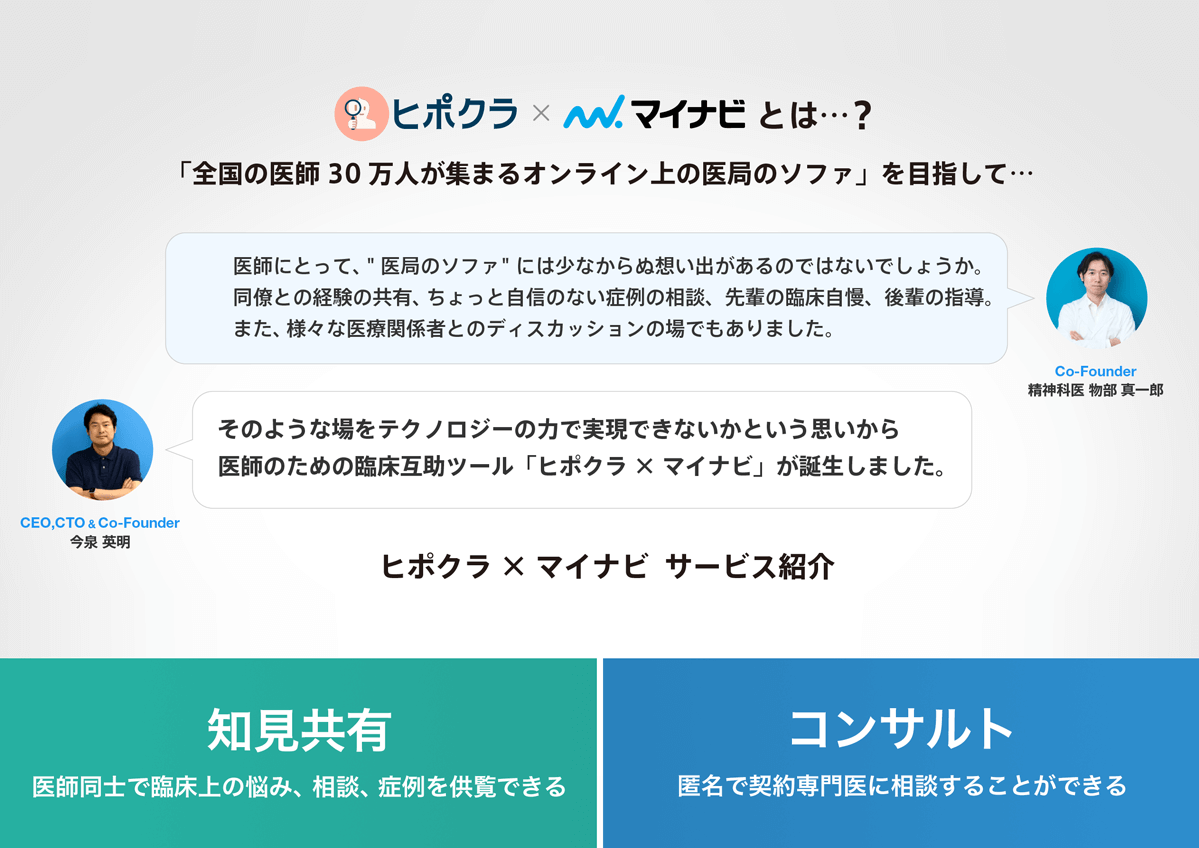
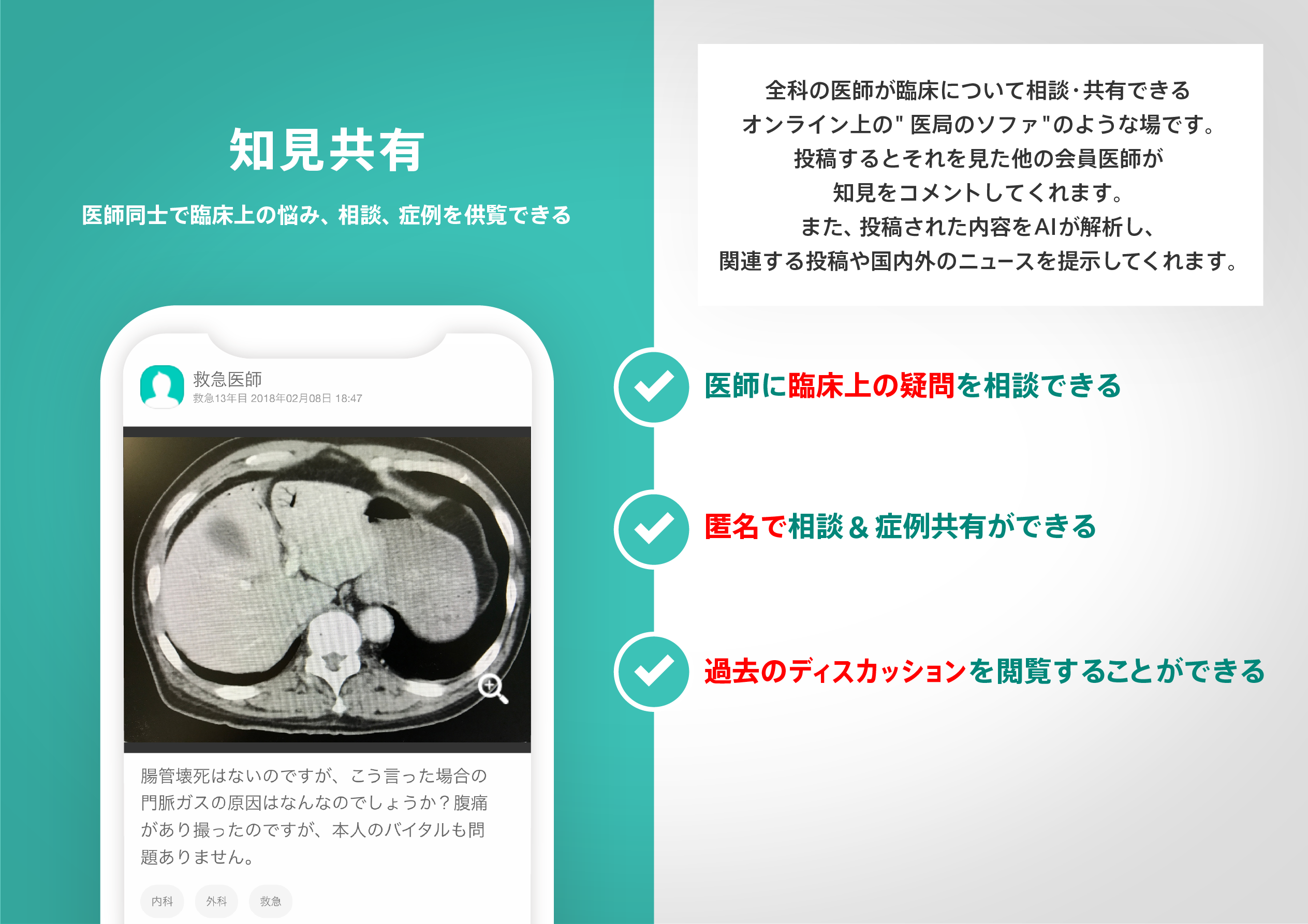
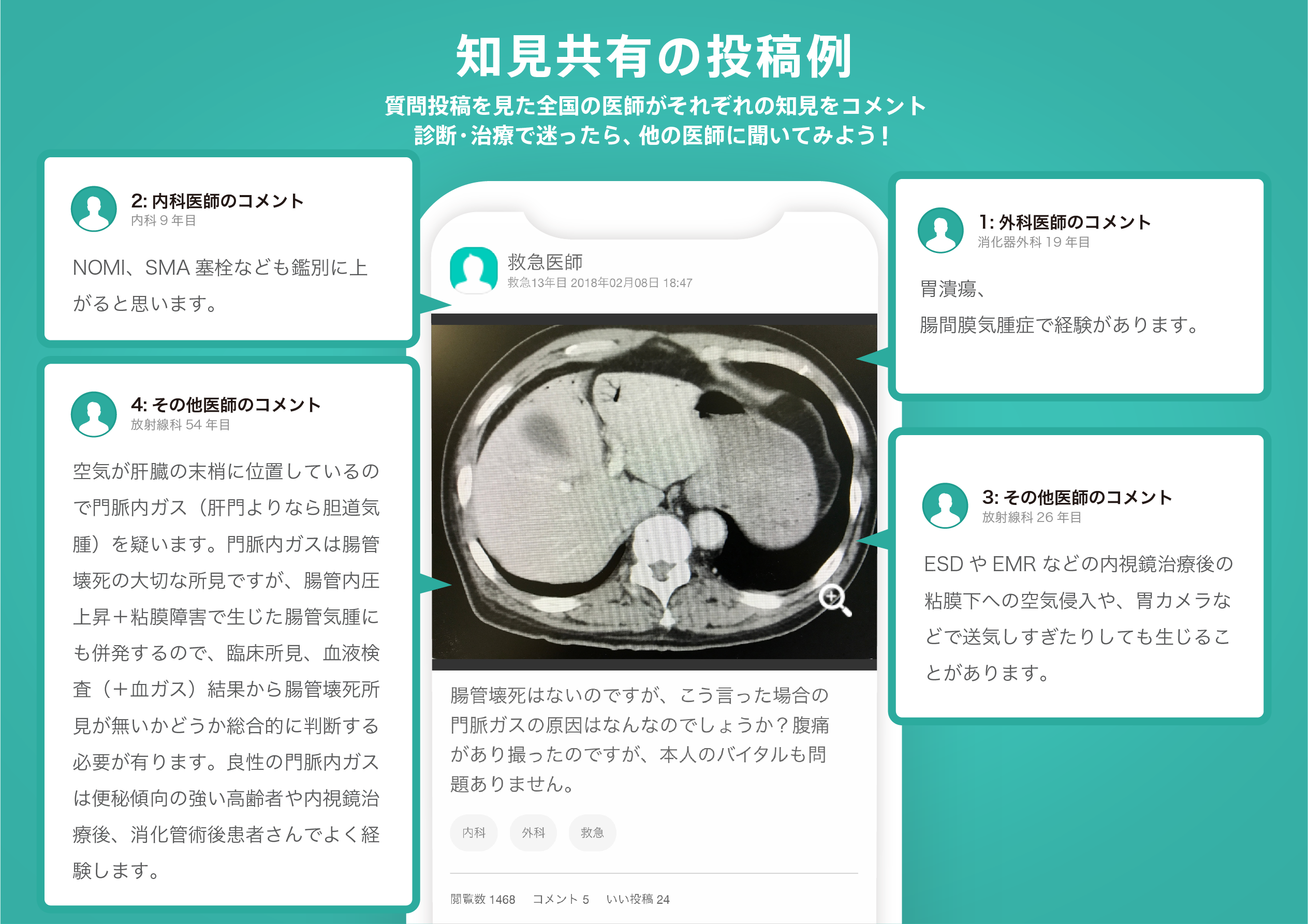
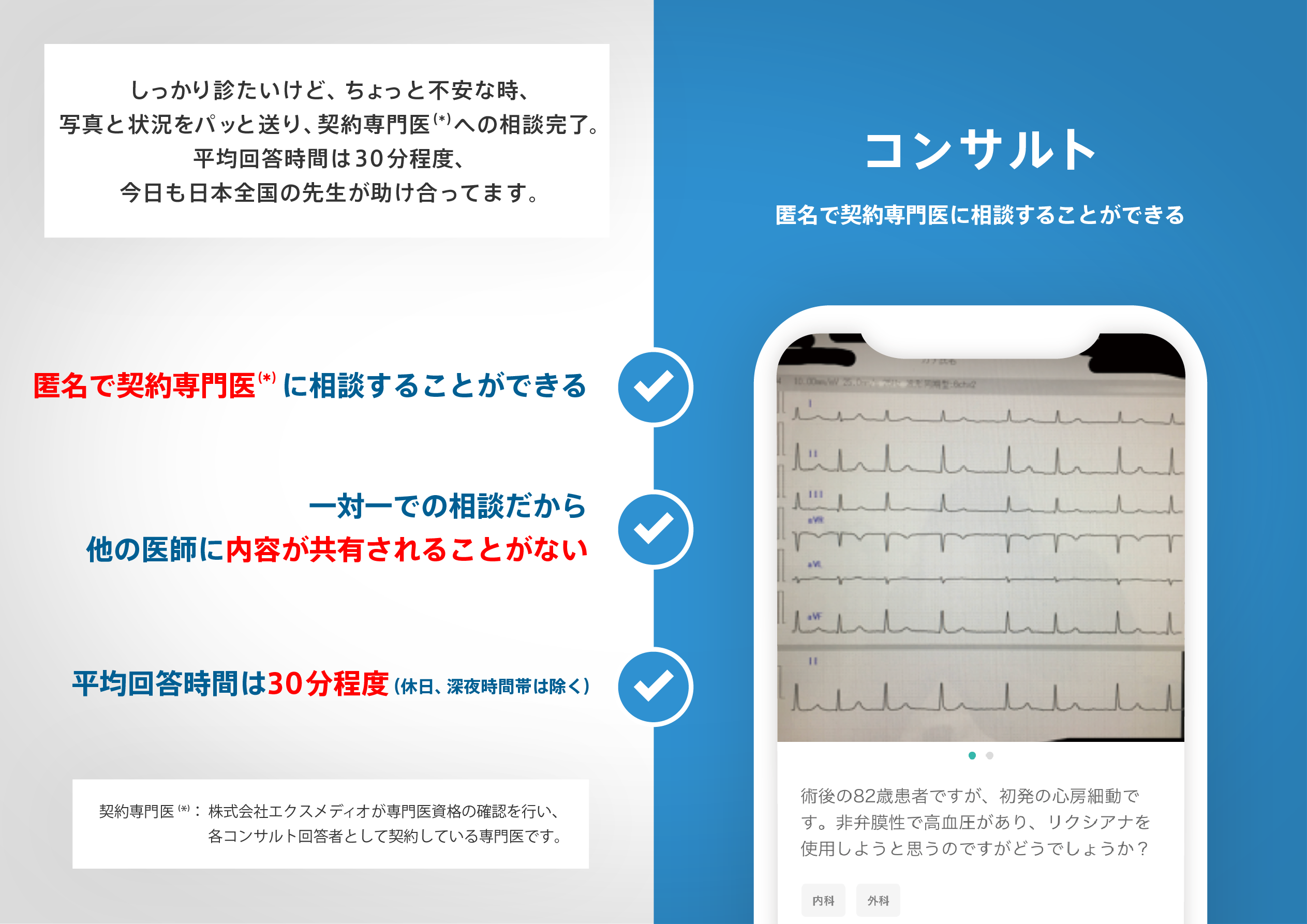
ヒポクラ x マイナビのご紹介

無料会員登録していただくと、さらに便利で効率的な検索が可能になります。