著名医師による解説が無料で読めます
すると翻訳の精度が向上します
目的:この研究の目的は、歯周細菌による植民地化と、高齢の上部および下部義歯装着者の植民地化部位による植民地化を調査することでした。また、歯周虫菌による口腔衛生レベルとコロニー形成の関係を調査しました。 材料と方法:40人の老人および37人の歯科用ボランティアがこの研究に参加しました。サンプルは、唾液全体から収集され、アグレガティバクターのレベルのアクチノマイセテンコメートン、Prevotella Intermedia、ポルフィロモナスジンジバリス、Treponema Denticola、Tannerella forsythia、およびFusobacterium nucleatumは、PCRインベーダーテクノロジーによって決定されました。口腔粘膜および義歯面でのこれらの種の検出は、PCRによって行われました。フィッシャーの正確なテストは、統計分析に使用されました。クラスター分析が採用され、各サンプリング領域の歯周細菌菌の傾向を調査しました。 結果:A。actinomyceTemcomitansおよびF. nucleatum(p <0.01)を除いて、唾液全体の歯周細菌の検出率は、症状の下では、歯科条件下よりも少量の条件下で低かった。F.核対象の検出率は、すべての領域で最も高かった。P. gingivalisのDNA定量化と唾液中のカンジダ種の数の間に正の相関が観察されました。テスト種のクラスター分析により、2つのクラスターが特定されました。舌をコーティングする状態は、調査されたすべての歯周細菌の検出率に関連付けられており、義歯状のプラーク状態は、T。denticolaおよびF.核質の検出率に関連付けられていました。 結論:結果は、歯周病条件下での歯周細菌の存在と、粘膜または義歯の表面の口腔衛生の状態がT. denticolaおよびF. nucleatumによるコロニー形成に影響を与えることを示しています。
目的:この研究の目的は、歯周細菌による植民地化と、高齢の上部および下部義歯装着者の植民地化部位による植民地化を調査することでした。また、歯周虫菌による口腔衛生レベルとコロニー形成の関係を調査しました。 材料と方法:40人の老人および37人の歯科用ボランティアがこの研究に参加しました。サンプルは、唾液全体から収集され、アグレガティバクターのレベルのアクチノマイセテンコメートン、Prevotella Intermedia、ポルフィロモナスジンジバリス、Treponema Denticola、Tannerella forsythia、およびFusobacterium nucleatumは、PCRインベーダーテクノロジーによって決定されました。口腔粘膜および義歯面でのこれらの種の検出は、PCRによって行われました。フィッシャーの正確なテストは、統計分析に使用されました。クラスター分析が採用され、各サンプリング領域の歯周細菌菌の傾向を調査しました。 結果:A。actinomyceTemcomitansおよびF. nucleatum(p <0.01)を除いて、唾液全体の歯周細菌の検出率は、症状の下では、歯科条件下よりも少量の条件下で低かった。F.核対象の検出率は、すべての領域で最も高かった。P. gingivalisのDNA定量化と唾液中のカンジダ種の数の間に正の相関が観察されました。テスト種のクラスター分析により、2つのクラスターが特定されました。舌をコーティングする状態は、調査されたすべての歯周細菌の検出率に関連付けられており、義歯状のプラーク状態は、T。denticolaおよびF.核質の検出率に関連付けられていました。 結論:結果は、歯周病条件下での歯周細菌の存在と、粘膜または義歯の表面の口腔衛生の状態がT. denticolaおよびF. nucleatumによるコロニー形成に影響を与えることを示しています。
OBJECTIVE: The purpose of this study was to investigate colonisation by periodontopathic bacteria and the sites of colonisation in elderly upper and lower complete denture wearers. We also investigated the relationship between level of oral hygiene and colonisation by periodontopathic bacteria. MATERIALS AND METHODS: Forty edentulous and 37 dentate volunteers participated in this study. Samples were collected from whole saliva, and levels of Aggregatibacter actinomycetemcomitans, Prevotella intermedia, Porphyromonas gingivalis, Treponema denticola, Tannerella forsythia and Fusobacterium nucleatum were determined by PCR Invader technology. Detection of these species on oral mucosal and denture surfaces was performed by PCR. Fisher's exact test was used for the statistical analysis. Cluster analysis was employed to investigate trends in the periodontopathic bacteria flora in each sampling area. RESULTS: Detection rates of periodontopathic bacteria in whole saliva were lower under edentulous conditions than under dentulous conditions, except for A. actinomycetemcomitans and F. nucleatum (p < 0.01). Detection rate of F. nucleatum was the highest in all areas. A positive correlation was observed between DNA quantification of P. gingivalis and number of Candida species in saliva. Cluster analysis of the test species identified two clusters. Tongue-coating status was associated with the detection rate of all periodontopathic bacteria investigated, and denture plaque status was associated with the detection rate of T. denticola and F. nucleatum. CONCLUSION: Results indicate the presence of periodontopathic bacteria under edentulous conditions and that the status of oral hygiene of the mucosal or denture surfaces affects colonisation by T. denticola and F. nucleatum.
医師のための臨床サポートサービス
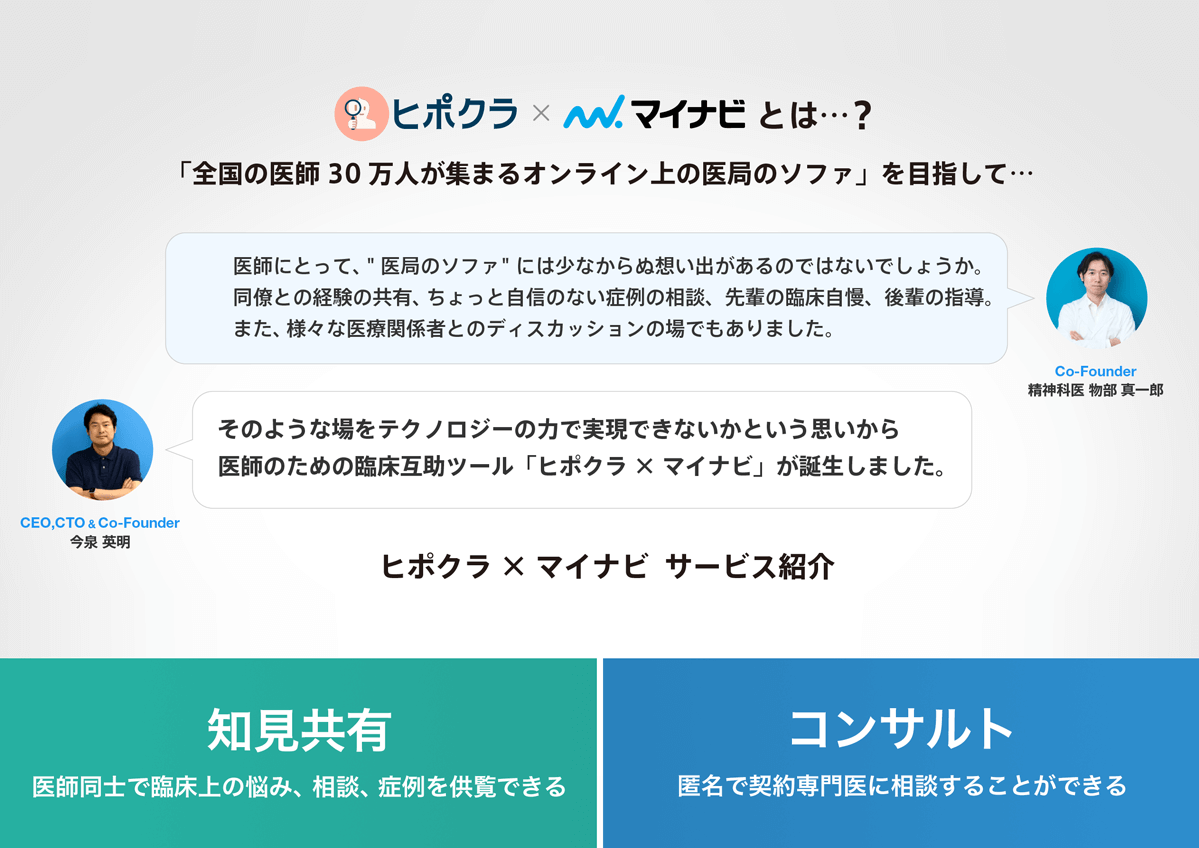
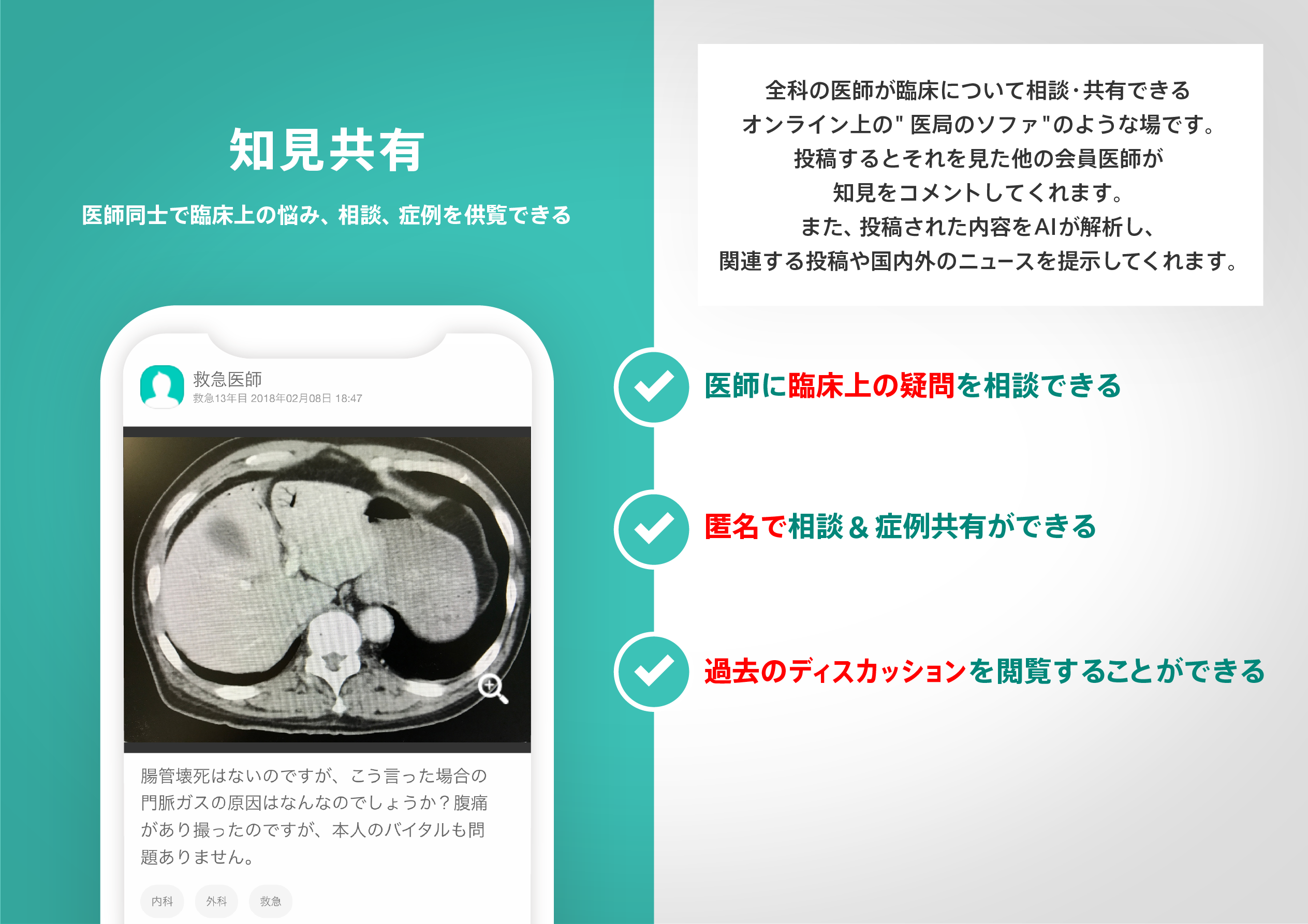
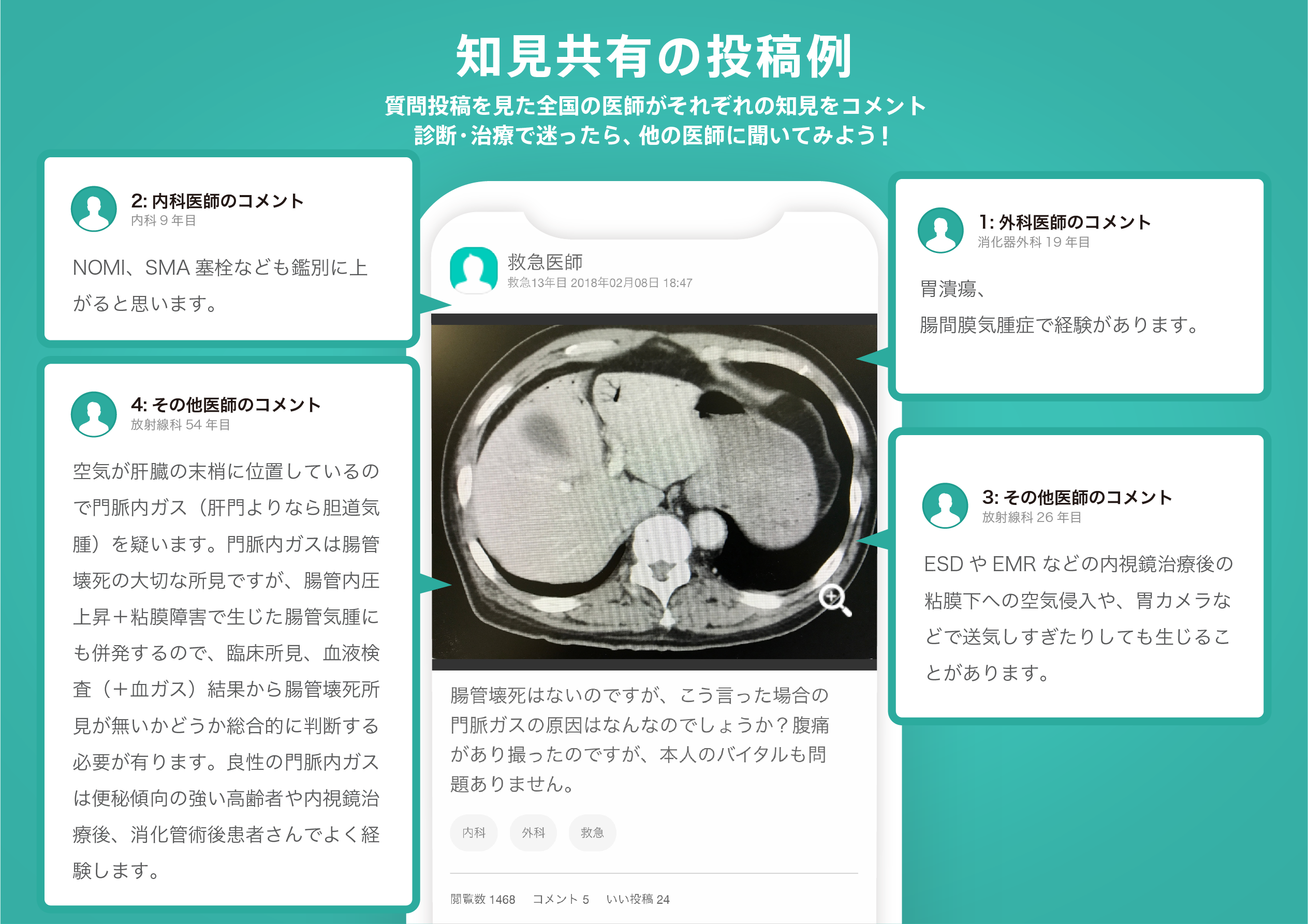
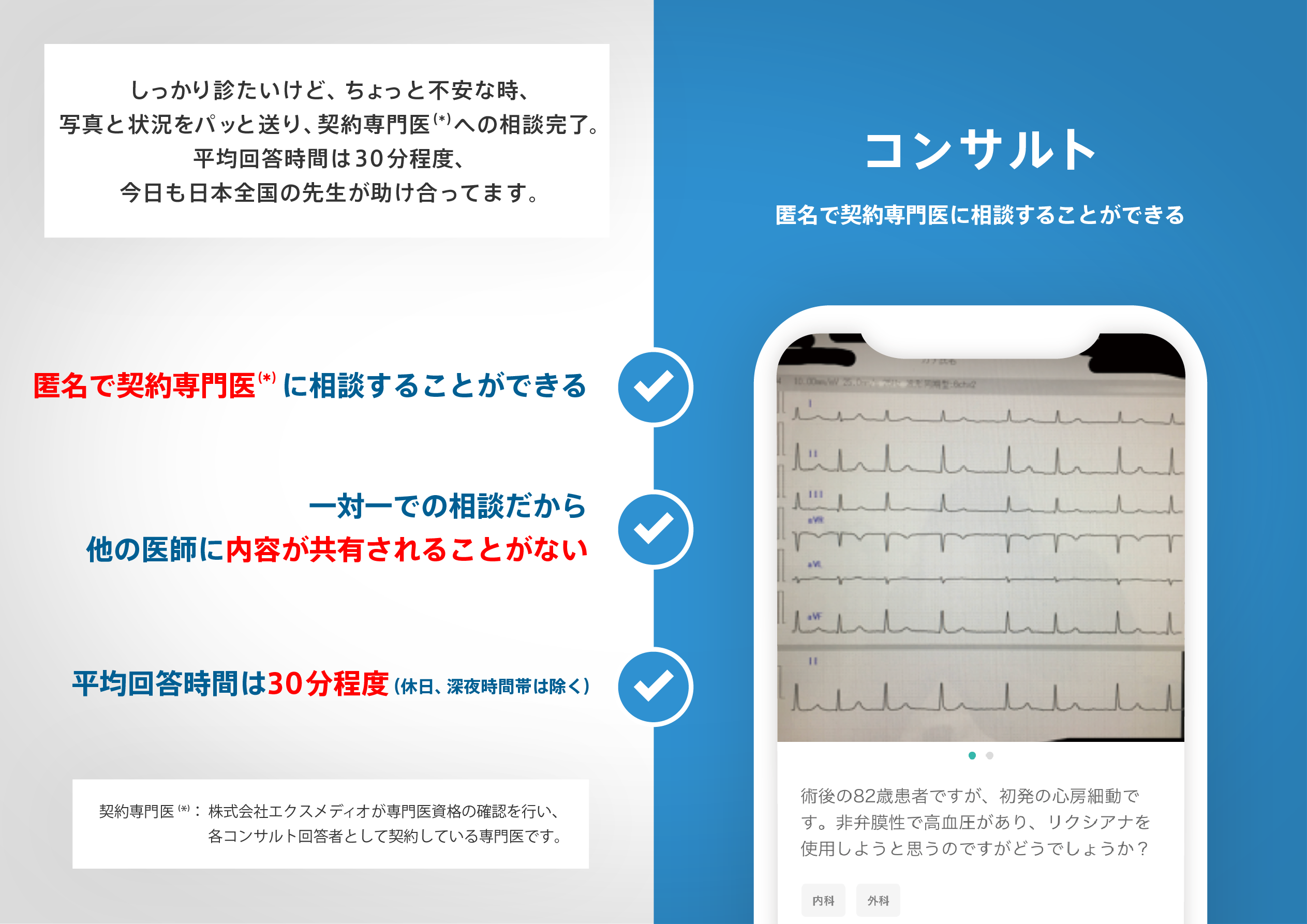
ヒポクラ x マイナビのご紹介

無料会員登録していただくと、さらに便利で効率的な検索が可能になります。