著名医師による解説が無料で読めます
すると翻訳の精度が向上します
他人の感情的なシグナルに対する私たちの認識は、私たちが話す言語に依存していますか、それとも私たちの認識は言語と文化に関係なく同じですか?人間の感情的な表情が視聴者によって断固として認識されていることは十分に確立されていますが、これが知覚メカニズムまたは言語的メカニズムによって駆動されるかどうかは議論されています。私たちは、感情的な表情の認識に関する調査を報告し、ドイツ語の話者をYucatec Mayaのネイティブスピーカーと比較します。これは、嫌悪感と怒りを区別する語彙ラベルのない言語です。自由な命名タスクでは、Yucatec Mayaではなくドイツ語のスピーカーが、嫌悪感と怒りを語る際立った区別をしました。しかし、サンプルからサンプルへのタスクが遅れた場合、両方のグループは、これらおよび他の感情の感情的な表情をカテゴリー的に認識しました。この効果の大きさは、言語グループ間で、および語彙的区別の有無にかかわらず感情連続で同等でした。我々の結果は、感情的なシグナルの認識は語彙ラベルによって促進されておらず、代わりに生物学的に進化したメカニズムのセットとしての感情の説明を支持する代わりに貸し出すことを示しています。
他人の感情的なシグナルに対する私たちの認識は、私たちが話す言語に依存していますか、それとも私たちの認識は言語と文化に関係なく同じですか?人間の感情的な表情が視聴者によって断固として認識されていることは十分に確立されていますが、これが知覚メカニズムまたは言語的メカニズムによって駆動されるかどうかは議論されています。私たちは、感情的な表情の認識に関する調査を報告し、ドイツ語の話者をYucatec Mayaのネイティブスピーカーと比較します。これは、嫌悪感と怒りを区別する語彙ラベルのない言語です。自由な命名タスクでは、Yucatec Mayaではなくドイツ語のスピーカーが、嫌悪感と怒りを語る際立った区別をしました。しかし、サンプルからサンプルへのタスクが遅れた場合、両方のグループは、これらおよび他の感情の感情的な表情をカテゴリー的に認識しました。この効果の大きさは、言語グループ間で、および語彙的区別の有無にかかわらず感情連続で同等でした。我々の結果は、感情的なシグナルの認識は語彙ラベルによって促進されておらず、代わりに生物学的に進化したメカニズムのセットとしての感情の説明を支持する代わりに貸し出すことを示しています。
Does our perception of others' emotional signals depend on the language we speak or is our perception the same regardless of language and culture? It is well established that human emotional facial expressions are perceived categorically by viewers, but whether this is driven by perceptual or linguistic mechanisms is debated. We report an investigation into the perception of emotional facial expressions, comparing German speakers to native speakers of Yucatec Maya, a language with no lexical labels that distinguish disgust from anger. In a free naming task, speakers of German, but not Yucatec Maya, made lexical distinctions between disgust and anger. However, in a delayed match-to-sample task, both groups perceived emotional facial expressions of these and other emotions categorically. The magnitude of this effect was equivalent across the language groups, as well as across emotion continua with and without lexical distinctions. Our results show that the perception of affective signals is not driven by lexical labels, instead lending support to accounts of emotions as a set of biologically evolved mechanisms.
医師のための臨床サポートサービス
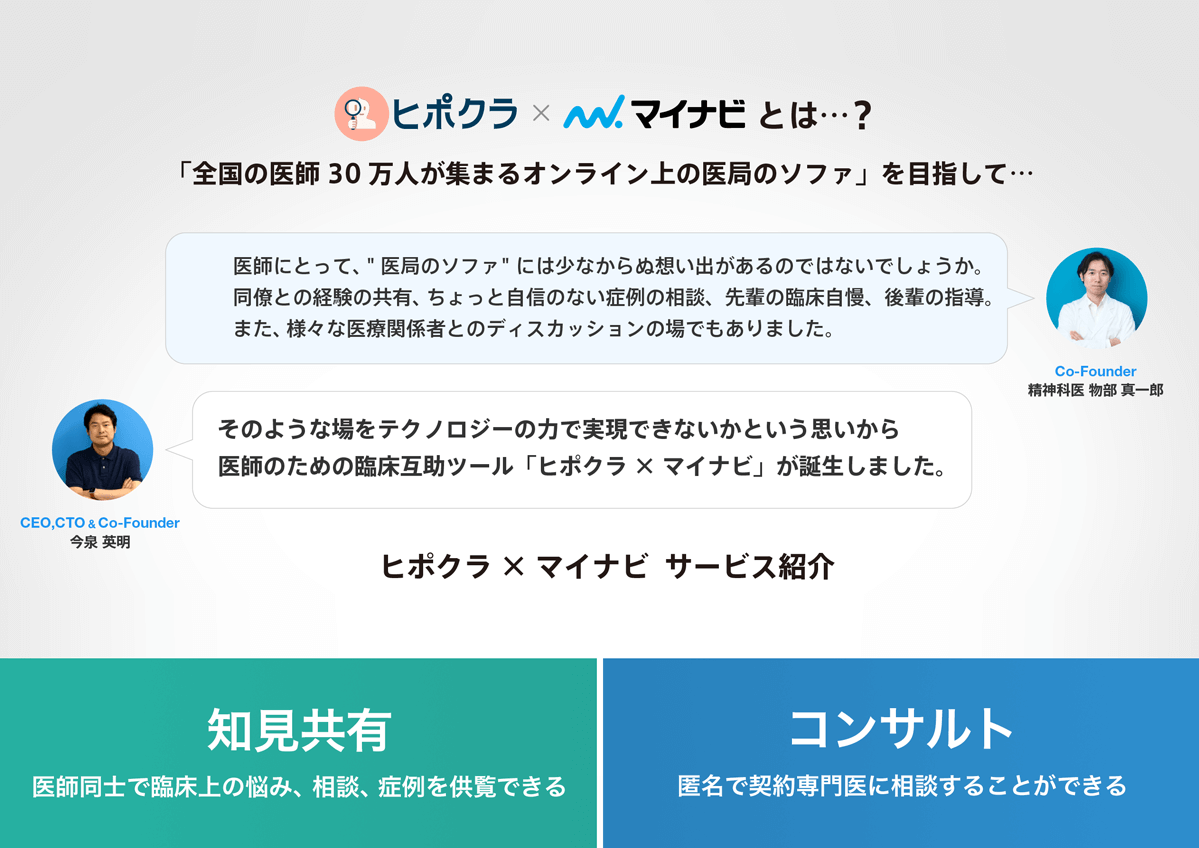
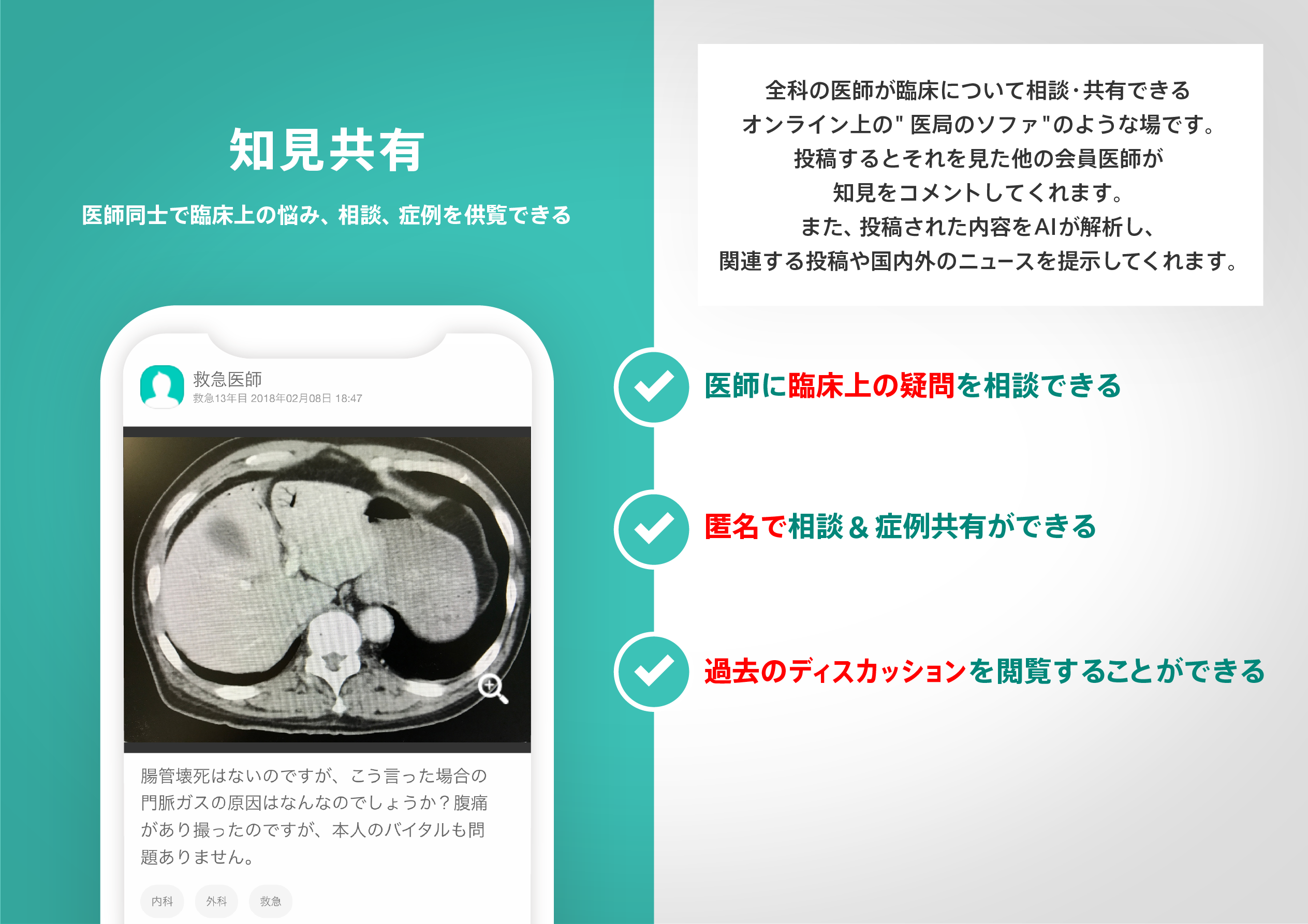
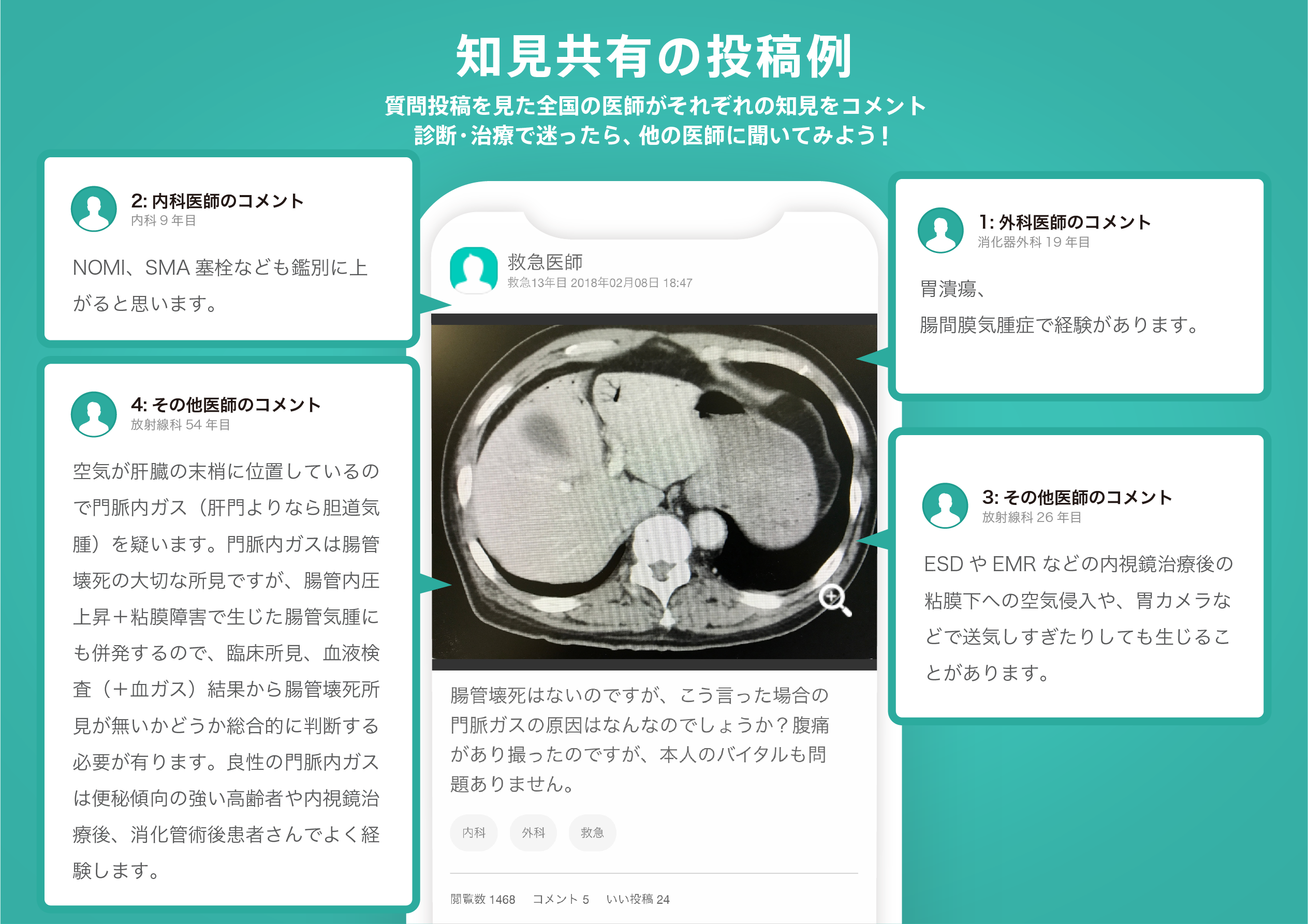
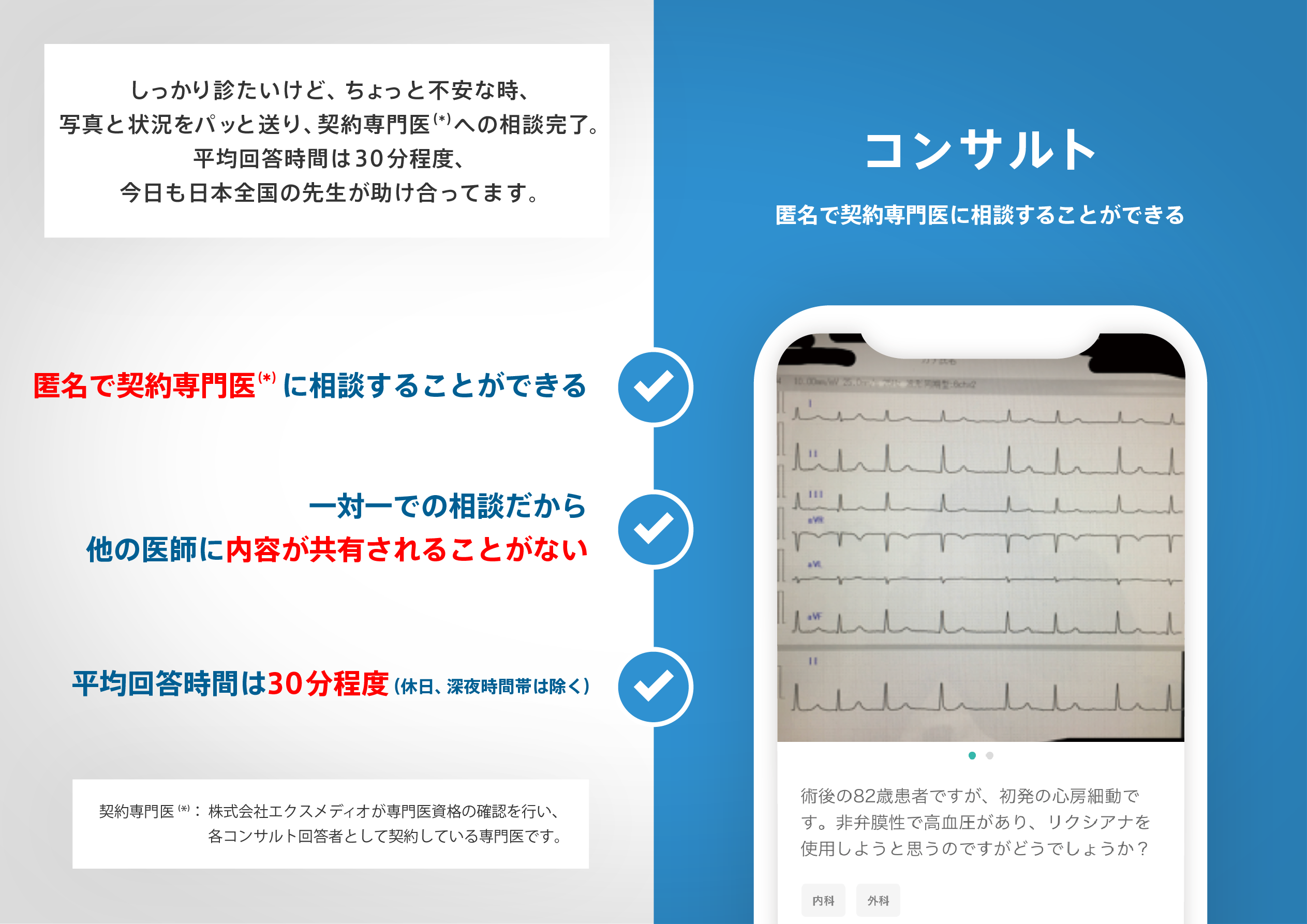
ヒポクラ x マイナビのご紹介

無料会員登録していただくと、さらに便利で効率的な検索が可能になります。