著名医師による解説が無料で読めます
すると翻訳の精度が向上します
目的:鈍的外傷後の膵臓損傷の管理を要約する。 方法:2001年1月から2010年12月に認められた鈍的膵臓損傷の42人の患者の臨床データが遡及的に分析されました。男性38人と4人の女性患者がいて、平均31歳で13歳から65歳まで老化していました。米国外傷手術協会委員会の臓器損傷スケーリング(AASTグレード):3人の患者のグレードI、12人の患者のグレードII、9人の患者のグレードIII、13人の患者のグレードIV、5人の患者のグレードV。平均損傷の重症度スコアは27±21でした。AASTグレードIIを上回る患者は、損傷制御理論によると、AAST Grade IIを上回る腹膜排水と「3つの新生術」(胃somy、脱junostomyおよび胆嚢)を受けました。 結果:38人の患者は、79.9%の正の割合で腹部CTスキャンを受けました(30/38)。40人の患者が外科的処置を受け、2人の術のない患者がいました。外科的処置には、32人の患者の腹膜排水と「3つの新生術」、6人の患者の膵臓縫合または膵臓尾部切除、2人の患者の膵臓膵臓摘出術または尾側膵頭腫術が含まれます。40人の患者(95.2%)が生存し、2人の患者(4.8%)が死亡し、16人の患者(38.1%)が膵臓f、肺感染症などの合併症を起こしました。 結論:腹部CTスキャンは、鈍的膵臓外傷の術前診断に利益をもたらします。鈍的膵外傷患者の生存率は、損傷対照手術を使用することで改善される可能性がありますが、損傷対照手術の管理も、合併症の発生率が高いため修正する必要があります。
目的:鈍的外傷後の膵臓損傷の管理を要約する。 方法:2001年1月から2010年12月に認められた鈍的膵臓損傷の42人の患者の臨床データが遡及的に分析されました。男性38人と4人の女性患者がいて、平均31歳で13歳から65歳まで老化していました。米国外傷手術協会委員会の臓器損傷スケーリング(AASTグレード):3人の患者のグレードI、12人の患者のグレードII、9人の患者のグレードIII、13人の患者のグレードIV、5人の患者のグレードV。平均損傷の重症度スコアは27±21でした。AASTグレードIIを上回る患者は、損傷制御理論によると、AAST Grade IIを上回る腹膜排水と「3つの新生術」(胃somy、脱junostomyおよび胆嚢)を受けました。 結果:38人の患者は、79.9%の正の割合で腹部CTスキャンを受けました(30/38)。40人の患者が外科的処置を受け、2人の術のない患者がいました。外科的処置には、32人の患者の腹膜排水と「3つの新生術」、6人の患者の膵臓縫合または膵臓尾部切除、2人の患者の膵臓膵臓摘出術または尾側膵頭腫術が含まれます。40人の患者(95.2%)が生存し、2人の患者(4.8%)が死亡し、16人の患者(38.1%)が膵臓f、肺感染症などの合併症を起こしました。 結論:腹部CTスキャンは、鈍的膵臓外傷の術前診断に利益をもたらします。鈍的膵外傷患者の生存率は、損傷対照手術を使用することで改善される可能性がありますが、損傷対照手術の管理も、合併症の発生率が高いため修正する必要があります。
OBJECTIVE: To summarize the management of pancreatic injuries after blunt abdominal trauma. METHODS: The clinical data of 42 patients with blunt pancreatic injury admitted from January 2001 to December 2010 was analyzed retrospectively. There were 38 male and 4 female patients, aging from 13 to 65 years with a mean of 31 years. The organ injury scaling of Committee of the American Association for the Surgery of Trauma (AAST grade): grade I in 3 patients, grade II in 12 patients, grade III in 9 patients, grade IV in 13 patients and grade V in 5 patients. The mean injury severity score was 27 ± 21. Patients above AAST grade II underwent peritoneal drainage and "three neostomy" (gastrostomy, jejunostomy and gallbladder) according to damage control theory. RESULTS: Thirty-eight patients got abdominal CT scanning with a positive rate of 79.9% (30/38). Forty patients underwent surgical procedures, and 2 patients with non-operative management. The surgical procedures include peritoneal drainage and "three neostomy" in 32 patients, pancreas suture or pancreatic tail resection in 6 patients, pancreatoduodenectomy or caudal pancreaticojejunostomy in 2 patients. Forty patients (95.2%) survived, 2 patients (4.8%) died and 16 patients (38.1%) had complications such as pancreatic fistula,pulmonary infection. CONCLUSIONS: Abdominal CT scanning will benefit the preoperative diagnosis of blunt pancreatic trauma. Although the survival rate of patients with blunt pancreatic trauma might be improved by using the damage control surgery, the management of damage control surgery also needs to be modified because of the high rate of complications.
医師のための臨床サポートサービス
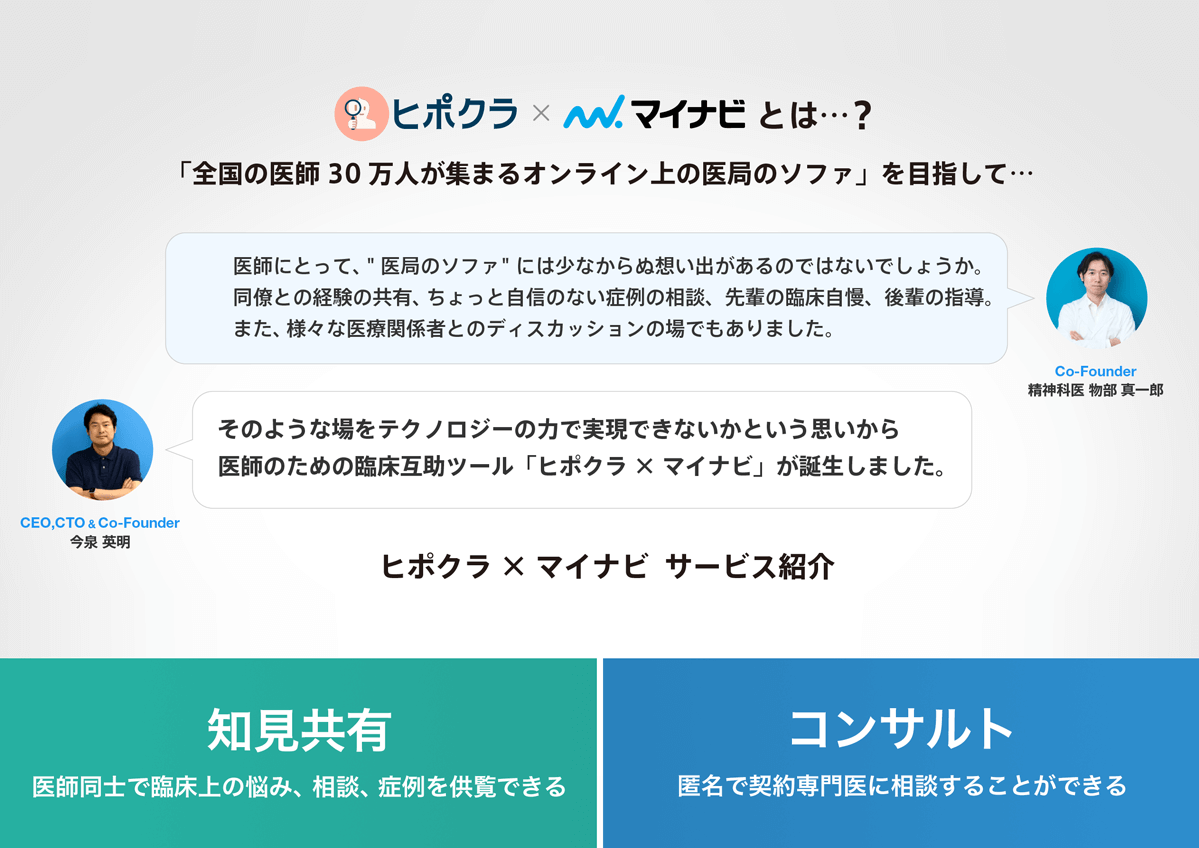
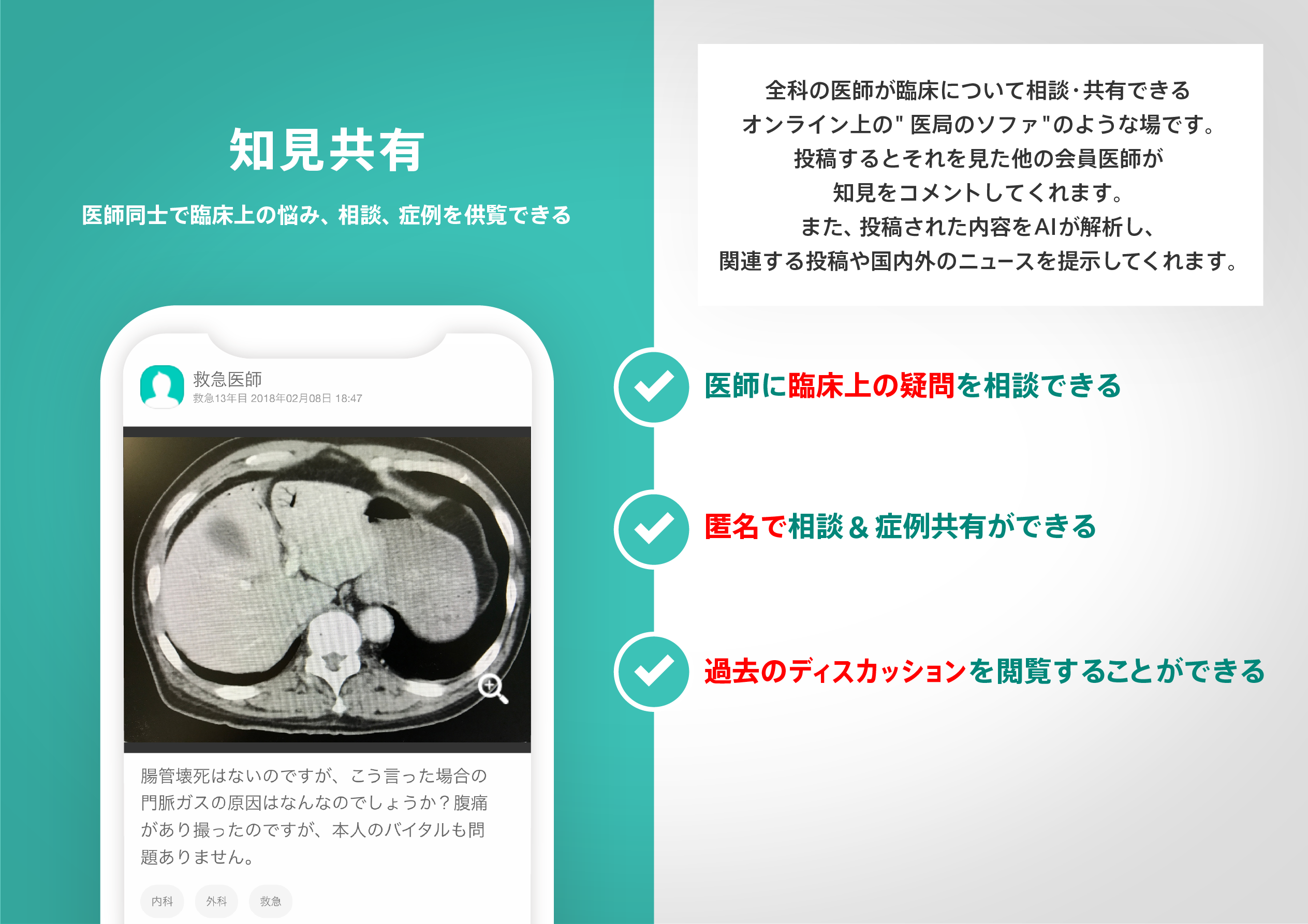
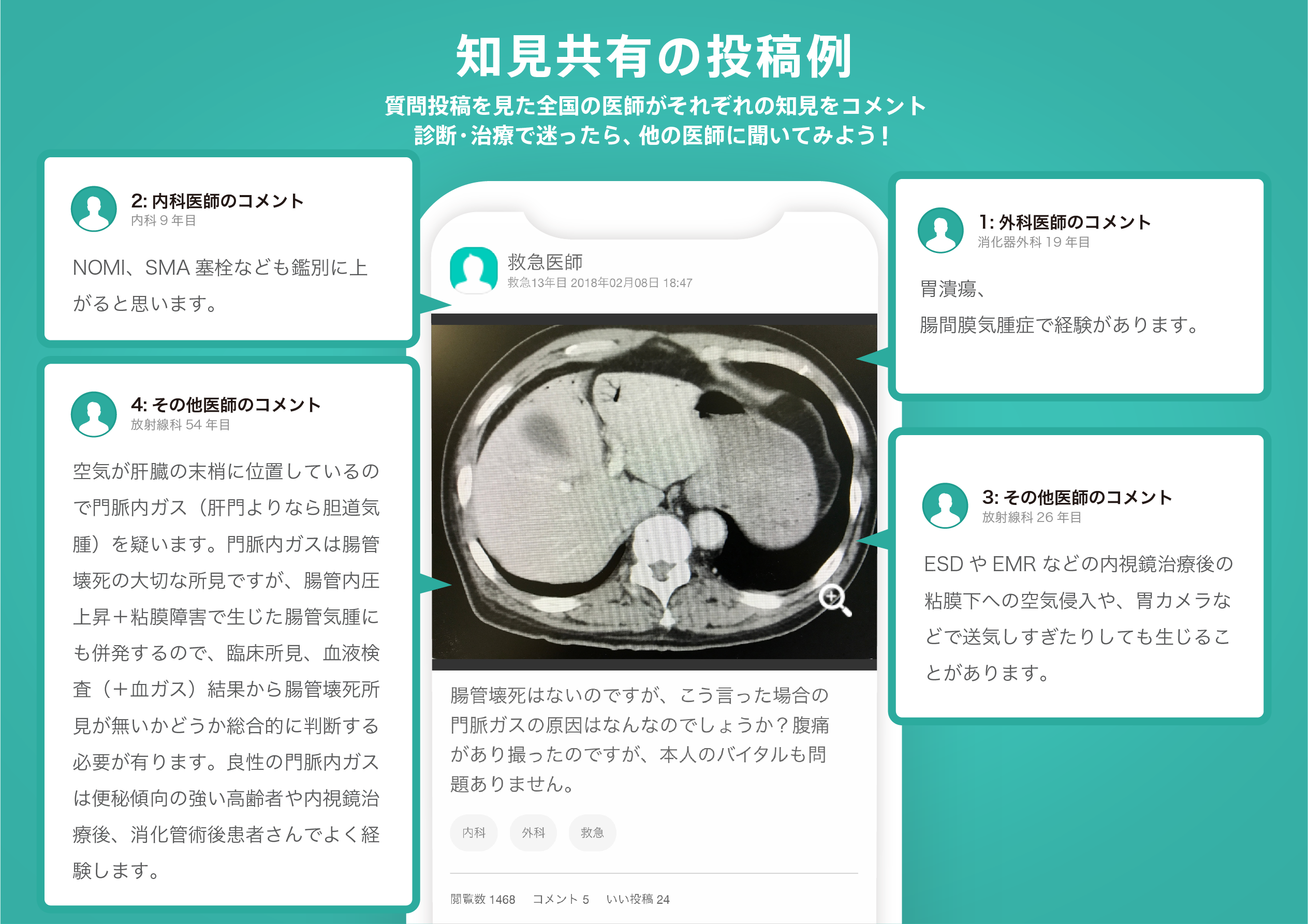
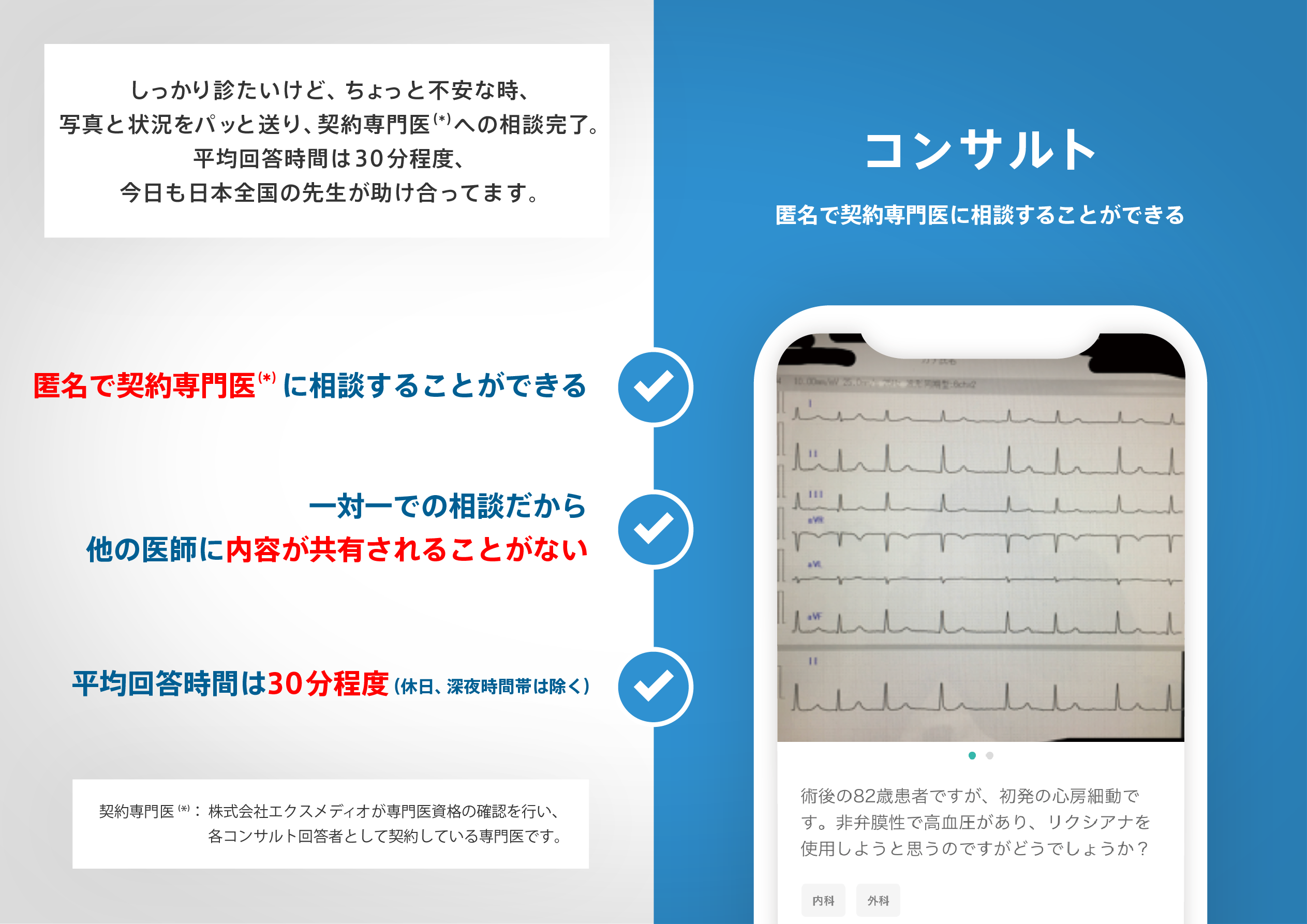
ヒポクラ x マイナビのご紹介

無料会員登録していただくと、さらに便利で効率的な検索が可能になります。