著名医師による解説が無料で読めます
すると翻訳の精度が向上します
外側足首の捻rainに対する予防策を開発するには、損傷メカニズムを詳細に理解することが不可欠です。実験室の実験条件下では、関節負荷の検査は、明確な安全性のマージンを制限する必要があります。しかし、本件では、生体力学的研究実験中にランアンドカットの動きを行っている間、1人のアスリートが足首を捻rainしました。下肢の3D運動学、運動学、および筋肉活動を記録し、以前に実行した16の試験と比較しました。捻rainトレイルのグローバルな骨盤方向、股関節屈、および膝の屈曲のモーションパターンは、地上接触前の準備段階の早期にすでに参照試験から逸脱しました。地上接触中、足首は急速に足底屈曲(最大1240°/s)に伸び、逆転(1290°/sまで)、内部回転(最大580°/s)で、ヒール後の最初の150ミリ秒以内に最大変位に達しました。ストライク。Mの急速な神経筋活性化バースト。脛骨前部およびm。Peroneus longusは、地上接触の後に40〜45ミリ秒を開始し、それぞれ62ミリ秒と74ミリ秒でのピーク活性化を使用して、参照試験の活性化プロファイルをオーバーシュートしました。したがって、神経筋反射は、足首の過剰変位の臨界段階で関節制御に重要な役割を果たしたことが示唆されるかもしれません。この症例報告の結果は、(a)上肢の力学、(b)着陸前調整、および(c)外側足首捻rainのメカニズムにおいて神経筋の寄与を考慮する必要があることを明確に示しています。
外側足首の捻rainに対する予防策を開発するには、損傷メカニズムを詳細に理解することが不可欠です。実験室の実験条件下では、関節負荷の検査は、明確な安全性のマージンを制限する必要があります。しかし、本件では、生体力学的研究実験中にランアンドカットの動きを行っている間、1人のアスリートが足首を捻rainしました。下肢の3D運動学、運動学、および筋肉活動を記録し、以前に実行した16の試験と比較しました。捻rainトレイルのグローバルな骨盤方向、股関節屈、および膝の屈曲のモーションパターンは、地上接触前の準備段階の早期にすでに参照試験から逸脱しました。地上接触中、足首は急速に足底屈曲(最大1240°/s)に伸び、逆転(1290°/sまで)、内部回転(最大580°/s)で、ヒール後の最初の150ミリ秒以内に最大変位に達しました。ストライク。Mの急速な神経筋活性化バースト。脛骨前部およびm。Peroneus longusは、地上接触の後に40〜45ミリ秒を開始し、それぞれ62ミリ秒と74ミリ秒でのピーク活性化を使用して、参照試験の活性化プロファイルをオーバーシュートしました。したがって、神経筋反射は、足首の過剰変位の臨界段階で関節制御に重要な役割を果たしたことが示唆されるかもしれません。この症例報告の結果は、(a)上肢の力学、(b)着陸前調整、および(c)外側足首捻rainのメカニズムにおいて神経筋の寄与を考慮する必要があることを明確に示しています。
In order to develop preventive measures against lateral ankle sprains, it is essential to have a detailed understanding of the injury mechanism. Under laboratory experimental conditions the examination of the joint load has to be restricted with clear margins of safety. However, in the present case one athlete sprained his ankle while performing a run-and-cut movement during a biomechanical research experiment. 3D kinematics, kinetics, and muscle activity of the lower limb were recorded and compared to 16 previously performed trials. Motion patterns of global pelvis orientation, hip flexion, and knee flexion in the sprain trail deviated from the reference trials already early in the preparatory phase before ground contact. During ground contact, the ankle was rapidly plantar flexed (up to 1240°/s), inverted (up to 1290°/s) and internally rotated (up to 580°/s) reaching its maximum displacement within the first 150 ms after heel strike. Rapid neuromuscular activation bursts of the m. tibialis anterior and the m. peroneus longus started 40-45 ms after ground contact and overshot the activation profile of the reference trials with peak activation at 62 ms and 74 ms respectively. Therefore, it may be suggested that neuromuscular reflexes played an important role in joint control during the critical phase of excessive ankle displacement. The results of this case report clearly indicate that (a) upper leg mechanics, (b) pre-landing adjustments, and (c) neuromuscular contribution have to be considered in the mechanism of lateral ankle sprains.
医師のための臨床サポートサービス
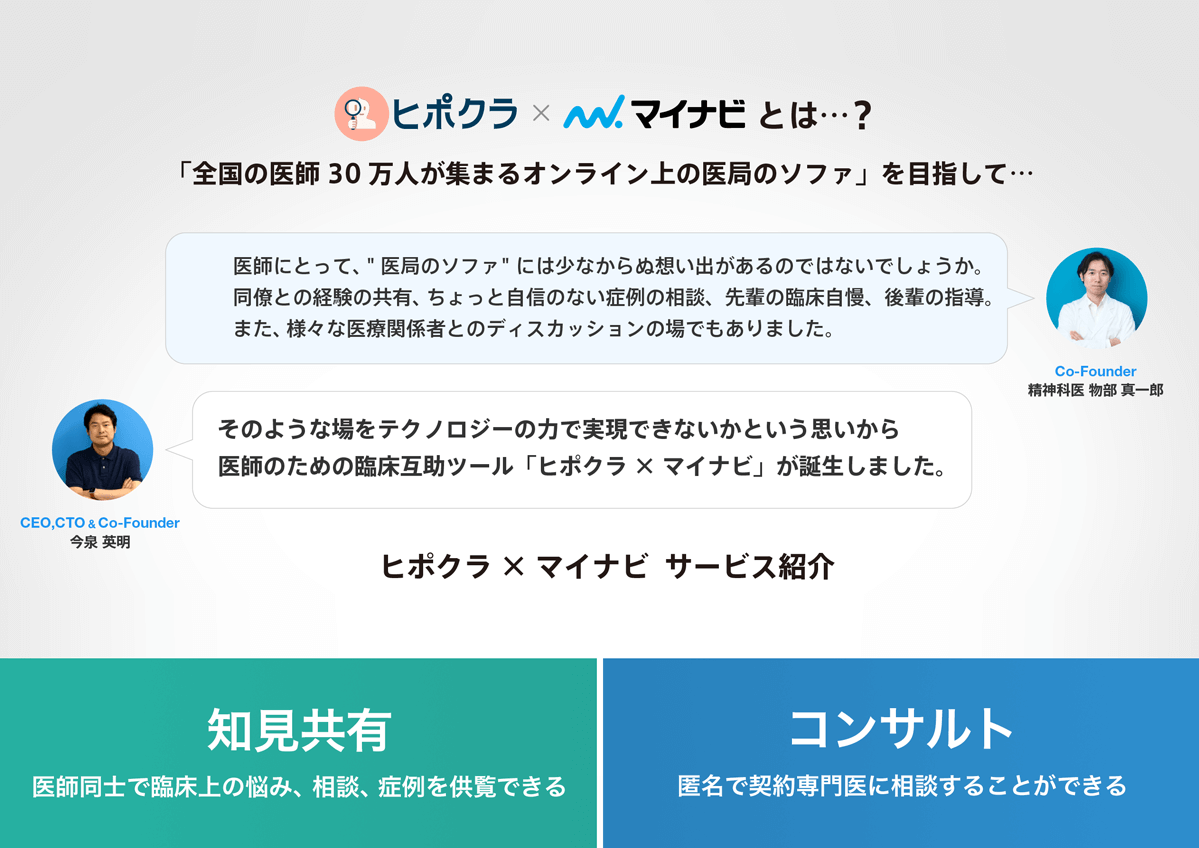
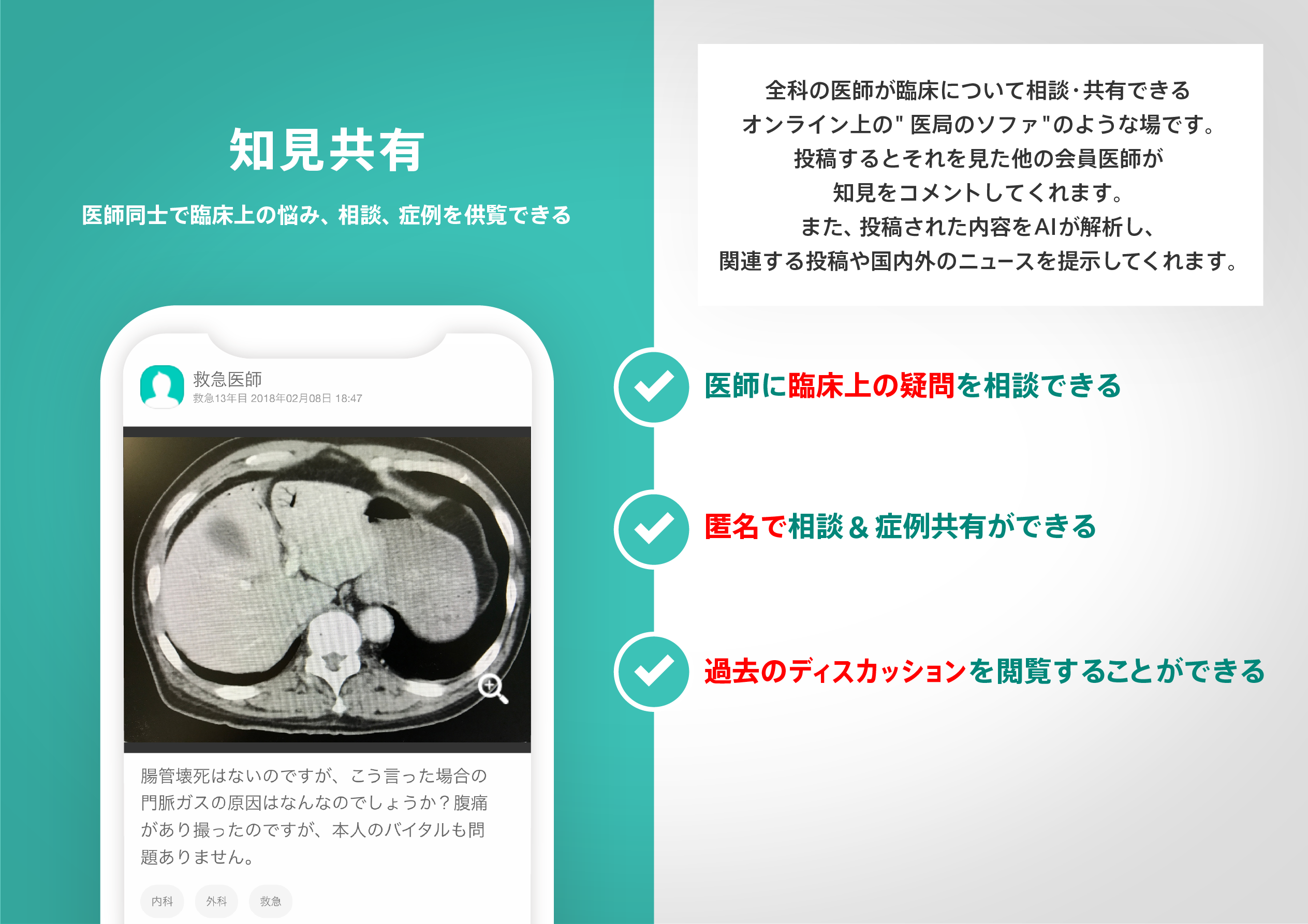
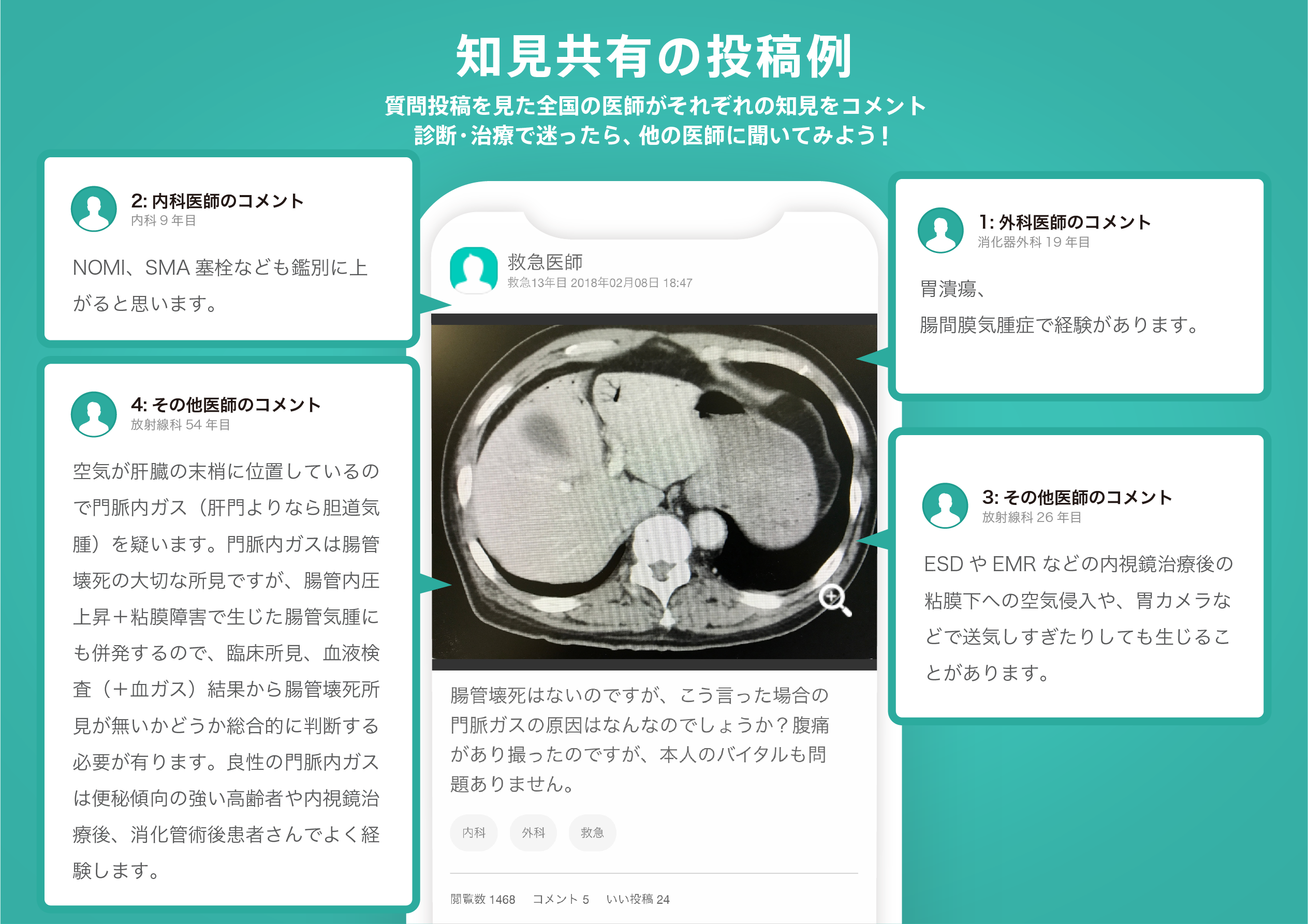
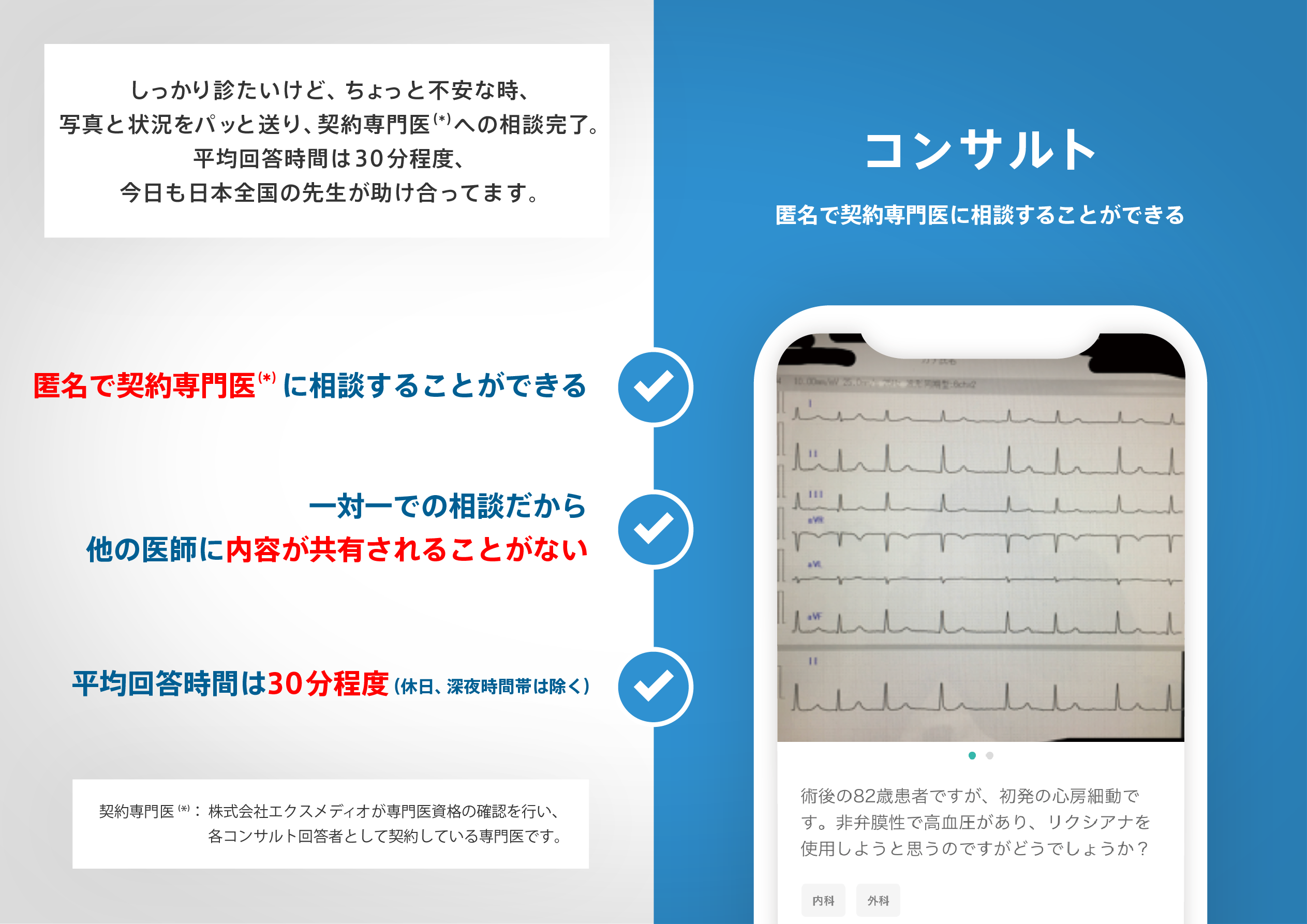
ヒポクラ x マイナビのご紹介

無料会員登録していただくと、さらに便利で効率的な検索が可能になります。